
You have likely seen someone swap their usual OJ or coffee for a cup of green tea. Maybe you have thought about doing the same. It is often seen as a “healthy” choice, but most people are not fully sure why.
Green tea has been around for centuries, yet it still feels like a modern health trend. Green tea benefits people in many ways. Some drink it for better focus. Others hope it will help with weight, skin, or overall health. But what actually happens when you drink it every day? Is it truly as good as people say, or just another habit that sounds better than it works?
In this guide, we take a closer look at green tea benefits clearly and honestly. You will learn what is inside green tea, how it works in your body, how much you should drink, and when it might not be the right choice.
What Kind of Green Tea are You Drinking? A Simple Breakdown
Green tea comes from the Camellia sinensis plant. It is made from fresh leaves that are quickly heated after picking. This stops oxidation, which is the process that turns leaves dark. Because of this, green tea keeps more of its natural compounds, including antioxidants.
Black tea and oolong tea come from the same plant, but they go through more processing. This changes their taste and reduces some of the helpful compounds found in green tea. That is one reason green tea is often linked to better health.
There are many types of green tea, and each one has a slightly different taste and strength.
- Sencha is the most common type. It has a light, fresh flavor and a slightly grassy taste. It is easy to brew and works well as an everyday tea for most people.
- Matcha is a powdered form of green tea made from finely ground leaves. Since you drink the whole leaf, it has a stronger taste and higher levels of nutrients. It is often used in lattes and smoothies.
- Gyokuro is a premium tea grown in the shade before harvest. This process gives it a smooth, rich flavor with a hint of sweetness. It also has more amino acids, which support calm focus.
- Jasmine green tea is scented with jasmine flowers during processing. It has a soft, floral aroma and a mild taste, making it a good choice for beginners or those who prefer lighter flavors.
The Science Behind Green Tea and Its Health Effects
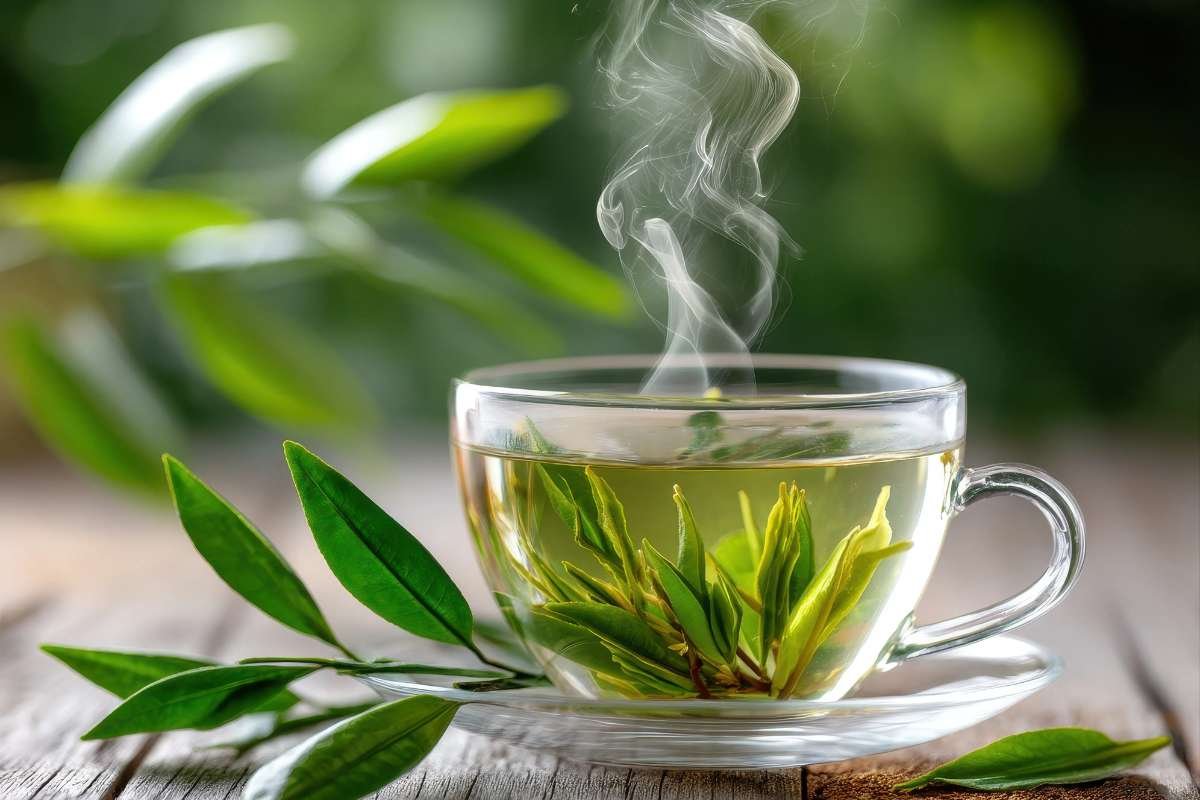
Green tea may look simple, but it is packed with natural compounds that support your body in many ways. These compounds do more than just sit in your cup. Green tea benefits you by actively supplying these compounds to your body.
What’s Inside Green Tea?
| Nutrient/Compound | What does it do in Your Body? |
| Catechins (EGCG) | Protect cells from damage and reduce inflammation |
| Caffeine | Boosts alertness and energy |
| L-theanine | Promotes calm focus and reduces stress |
| Antioxidants | Help fight harmful free radicals |
| Minerals | Support basic body functions |
How do these compounds work?
1. Fights Cell Damage
Catechins, especially EGCG, act like tiny shields. They help protect your cells from damage caused by daily stress, pollution, and normal body processes. This kind of damage is linked to aging and many health problems.
2. Boosts Brain Function
Green tea contains a small amount of caffeine, which helps improve alertness. It also has L-theanine, an amino acid that supports calm focus. Together, they help you stay sharp without the sudden crash that can come with stronger drinks.
3. Supports Fat Burning
Some compounds in green tea may help your body use energy more efficiently. This can slightly support fat burning, especially when combined with exercise and a balanced diet.
4. Reduces Inflammation
Antioxidants in green tea help lower inflammation in the body. Long-term inflammation is linked to conditions like heart disease and diabetes, so managing it is important for overall health.
This mix of nutrients is what drives many of the well-known green tea benefits, making it more than just a simple drink.
16 Green Tea Benefits That Make It Worth Drinking
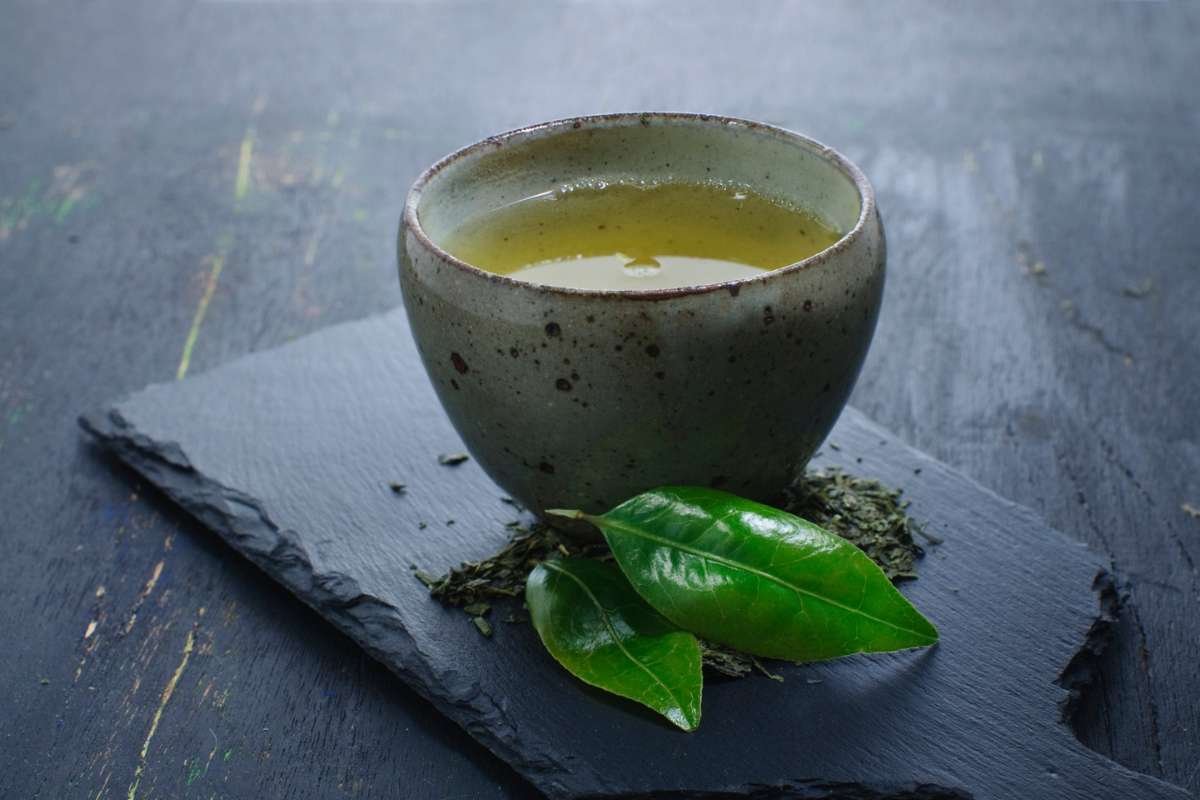
Green tea is more than a simple drink. Its natural compounds support many parts of your body when consumed regularly. Here are some of the most important ways it can help.
1. Supports Brain Function
Green tea contains a mix of caffeine and L-theanine, which work together to support brain function. Caffeine helps improve alertness and reaction time, while L-theanine promotes calm focus. This balance allows you to stay mentally sharp without feeling overstimulated. Studies suggest this combination may also support memory and attention. It is one reason many people prefer green tea over stronger drinks when they need steady focus throughout the day.
2. Rich in Antioxidants
Green tea is rich in antioxidants called catechins, especially EGCG. These compounds help protect your cells from oxidative stress, which can build up from pollution, a poor diet, and normal body processes. Over time, this kind of damage is linked to aging and chronic disease. By reducing this stress, green tea helps support overall health. This is one of the most widely studied and trusted green tea benefits.
3. May Help With Weight Management
Green tea may support weight management by slightly increasing metabolism. It can help your body burn calories more efficiently, especially during physical activity. Some studies show it may also support fat oxidation, meaning your body uses fat as a source of energy. While the effect is not dramatic, it can add up over time when combined with regular exercise and a balanced diet. It works best as part of a healthy lifestyle, not a quick fix.
4. Supports Heart Health
Drinking green tea regularly may support heart health in several ways. It can help lower LDL cholesterol levels and improve how blood flows through your body. Some research also suggests it may support healthy blood pressure levels. These effects reduce strain on the heart and lower the risk of heart-related conditions. Over time, small daily habits like this can play an important role in maintaining a healthy cardiovascular system.
5. Helps Manage Blood Sugar
Green tea may help your body manage blood sugar more effectively. It can improve insulin sensitivity, which helps your cells use glucose more efficiently. This may lead to more stable energy levels throughout the day and fewer sudden spikes or crashes. While it is not a diabetes treatment, it can be a helpful addition to a balanced diet. Consistent habits like this support long-term metabolic health.
6. Boosts Energy Without Jitters
Green tea provides a gentle energy boost due to its lower caffeine content compared to coffee. The presence of L-theanine helps slow down how caffeine is absorbed in the body. This creates a more stable and longer-lasting energy effect. Green tea benefits you by making you feel alert but not restless. This makes green tea a good option for people who are sensitive to caffeine or want to avoid the sudden crash that can come with stronger drinks.
READ MORE:
- The Amazing Health Benefits of Eating a Cucumber (and Why It Belongs in Your Daily Diet)
- Is Nectarine a Super fruit? Here are 8 Health Benefits of Nectarines that You Should Know
7. Supports Skin Health
The antioxidants in green tea help protect the skin from damage caused by environmental factors like sunlight and pollution. It may also help reduce inflammation, which is linked to acne and redness. Some studies suggest it can support skin elasticity and slow the early signs of aging. While it is not a replacement for skincare, drinking green tea can support healthy skin from the inside over time.
8. May Lower Risk of Chronic Diseases
Green tea has been linked to a lower risk of several chronic conditions, including heart disease and some types of cancer. These effects are mainly due to its antioxidants and anti-inflammatory properties. By reducing cell damage and supporting overall body function, green tea benefits in helping lower long-term health risks. While more research is still ongoing, current findings suggest that regular intake can be part of a healthy lifestyle.
9. Supports Gut Health
Green tea may support a healthy gut by helping beneficial bacteria grow. A balanced gut plays an important role in digestion, immunity, and even mood. The natural compounds in green tea can help reduce harmful bacteria while supporting good ones. This creates a better environment for your digestive system to function properly. Over time, this can improve how your body absorbs nutrients and maintains overall health.
10. Helps With Stress and Calm
L-theanine in green tea helps promote relaxation by influencing brain chemicals linked to stress. It does not make you sleepy, but it can help you feel calmer and more balanced. This makes green tea a good choice during busy or stressful days. Many people find it helps them stay focused without feeling overwhelmed. This calming effect is one of the more unique benefits compared to other caffeinated drinks.
11. Supports Oral Health
Green tea contains natural compounds that may help reduce bacteria in the mouth. This can support better oral hygiene and reduce issues like bad breath. Some studies suggest it may also help lower the risk of cavities by limiting harmful bacteria. While it should not replace brushing or flossing, it can be a helpful addition to your daily routine for maintaining oral health.
12. May Support Longevity
Some long-term studies have found that people who drink green tea regularly may live longer. This is likely due to its combined effects on heart health, brain function, and disease prevention. While no single habit guarantees a longer life, small choices like this can make a difference over time. Green tea benefits overall health, which plays a key role in longevity.
13. May Improve Exercise Performance
Green tea may support physical performance by helping your body use fat as a source of energy. This can improve endurance during workouts and make exercise feel more efficient. It may also support recovery by reducing inflammation after activity. While the effects are modest, they can add up over time for people who stay active and consistent with their fitness routine.
14. Supports Immune Function
The antioxidants and plant compounds in green tea help support your immune system. They may help your body respond better to infections and reduce inflammation. Some research suggests these compounds can also help limit the growth of certain harmful bacteria and viruses. While it is not a replacement for medical care, it can be a simple way to support your body’s natural defenses.
15. May Help with Focus and Productivity
Green tea is often used as a daily drink for work or study because of how it supports focus. The combination of caffeine and L-theanine helps you stay alert while also staying calm. This allows for longer periods of concentration without feeling overwhelmed. It is especially helpful for tasks that require steady attention rather than short bursts of energy.
16. May Support Liver Health
Some studies suggest that green tea may help protect the liver from damage. It may support how the body processes fats and reduce the buildup of harmful substances. This can help the liver function more efficiently over time. However, very high doses, especially from supplements, may have the opposite effect. Moderate intake of green tea benefits liver health and is considered safe.
How Much Green Tea Should You Drink?
For most people, drinking 2 to 4 cups of green tea per day is both safe and effective. This range is often linked to many of the common green tea benefits, such as better focus, heart support, and antioxidant intake. If you are just starting, even 1 cup a day can offer some health value.
Some studies suggest that up to 5 cups per day may provide added benefits, especially for metabolism and heart health. However, more is not always better. It depends on your body, caffeine tolerance, and overall diet.
Each cup of green tea typically contains about 50 to 100 mg of catechins, including EGCG, which is one of its key active compounds. At the same time, green tea also contains caffeine, usually around 30 to 50 mg per cup.
Health experts recommend keeping total daily caffeine intake under 400 mg for most adults. Drinking too much green tea may lead to side effects like poor sleep, headaches, or stomach discomfort.
A simple approach is to spread your intake throughout the day and avoid drinking it late in the evening. This helps you get the benefits without affecting your sleep or comfort.
Side Effects and Risks

Green tea is generally safe for most people when consumed in moderate amounts. However, like any food or drink, it can have some side effects, especially when taken in excess or at the wrong time.
Possible Side Effects
- Sleep issues: Green tea contains caffeine, which can affect sleep if consumed late in the day. Even though it has less caffeine than coffee, it can still make it harder to fall asleep for some people.
- Reduced iron absorption: Compounds in green tea can reduce how well your body absorbs iron from plant-based foods. This can be a concern for people with low iron levels or those who follow a vegetarian or vegan diet.
- Stomach discomfort: Drinking green tea on an empty stomach may cause nausea or mild discomfort in some people. This is due to its natural compounds and caffeine content.
In Rare Cases
- Liver issues with high-dose supplements: High doses of green tea extract, especially in supplement form, have been linked to liver problems in rare cases. This risk is much lower when drinking regular brewed tea.
Who Should Be Careful?
- Pregnant women: Caffeine intake should be limited during pregnancy. It is best to keep green tea consumption low and consult a healthcare provider if unsure.
- People with anemia: Since green tea can affect iron absorption, those with anemia should avoid drinking it around meal times.
- Those sensitive to caffeine: Even small amounts of caffeine can cause restlessness, headaches, or a fast heartbeat in sensitive individuals.
Moderate intake is generally safe for most people. Paying attention to timing and quantity can help you enjoy green tea without unwanted effects.
READ MORE:
Tips to Get the Most Benefits

Getting the most out of green tea benefits does not require big changes. A few small habits can help you enjoy its full benefits while avoiding common mistakes. How you prepare it, when you drink it, and what you add to it all make a difference.
- Drink it plain, without added sugar or sweeteners, to keep it low in calories and preserve its natural compounds.
- Use hot water that has cooled slightly after boiling, as very high heat can reduce some of the beneficial nutrients and affect taste.
- Let the tea steep for the right amount of time, usually 2 to 3 minutes, to avoid bitterness while still getting the key compounds.
- Drink it in the morning or early afternoon to support focus and steady energy throughout the day.
- Avoid drinking it late in the evening, since even small amounts of caffeine can affect sleep quality.
- Do not drink it right after meals, as it may reduce how well your body absorbs iron from food.
- Wait at least one hour after eating before having a cup to avoid this issue.
- Choose good-quality tea, such as loose leaves or trusted brands, for better flavor and nutrient content.
- Stick to about 2 to 4 cups per day to enjoy the benefits without overdoing caffeine intake.
Conclusion
Green tea is not a magic solution, but it is one of the healthiest drinks you can add to your daily routine. Many of the well-known green tea benefits come from its natural compounds that support your brain, heart, and overall health in simple ways. From better focus to long-term wellness, the effects build slowly with consistent use.
What makes it stand out is how easy it is to include in your day. You do not need major changes or strict habits. Just a few cups, prepared the right way, can support your health over time.
Like any habit, balance matters. Drinking it in moderation and at the right time helps you avoid side effects while getting the most value. Small, steady choices like this can make a real difference in how you feel over time.
FAQs
1. What are the main green tea benefits?
They include better focus, heart health support, antioxidant protection, and steady energy.
2. Can you drink green tea every day?
Yes, most people can drink it daily in moderate amounts without issues.
3. Does it help with weight loss?
It may support weight loss slightly, but it is not a quick fix on its own.
4. Can I drink it on an empty stomach?
Some people may feel discomfort. It is better to have it after light food.
5. Is green tea better than coffee?
It depends on your needs. It offers calmer energy with less caffeine.
6. When do you get the most green tea benefits?
Morning or early afternoon is usually the best time to drink it.