Key Takeaway:
- Alcohol-related cancer deaths in the U.S. more than doubled from 1990 to 2023.
- About one standard drink a day may increase the risk of several cancers.
- Risk varies by age and sex, with breast and colorectal cancers among major concerns.
A new U.S. study found that alcohol contributed to more cancer deaths in 2023 than in 1990, with risk rising even at about one standard drink daily.
Alcohol-Linked Cancer Deaths More Than Double
Researchers analyzed more than three decades of U.S. data from the Global Burden of Disease Study and found annual Alcohol-related cancer deaths increased from 11,361 in 1990 to 23,126 in 2023.
The study, published Monday in The Lancet Regional Health – Americas, examined 10 cancers, including breast, prostate, colorectal, stomach, pancreatic, liver, head and neck, and esophageal cancers.
“While it’s true that overall cancer mortality has declined, we found the percentage of cancer deaths proportionally attributable to alcohol doubled in people 20 and older over the last 33 years,” said Dr. Chinmay Jani, the study’s first author and chief clinical fellow in hematology and oncology at the Sylvester Comprehensive Cancer Center at the University of Miami.
Men and adults 55 and older experienced the greatest impact from Alcohol-related cancer deaths. Among older men, the alcohol-related cancer mortality rate increased nearly 24% during the study period.
For men, liver cancer deaths had the strongest association with alcohol, followed by esophageal and colorectal cancers. Among women 55 and older, breast cancer was the leading alcohol-related cancer killer, followed by liver and colorectal cancers.
Younger Adults And Women Face Different Risks
The study found differences by age and sex in Alcohol-related cancer deaths. Among adults ages 20 to 54, colorectal cancer was the leading cause of alcohol-attributable cancer mortality among men and the second-leading cause among women.
“In women, the leading cause was alcohol-related breast cancer,” Jani said.
Jani said women and younger men may face a higher cancer risk from the same amount of alcohol than older men. About one standard drink a day, consumed regularly, was enough to increase cancer risk, he said.
A U.S. standard drink contains 12 ounces of regular beer, 5 ounces of wine or 1.5 ounces of 80-proof liquor.
Dr. Andrew Freeman, director of cardiovascular prevention and wellness at National Jewish Health in Denver, said the findings add to growing evidence challenging the idea that moderate drinking is harmless.
“What we used to think about alcohol continues to be eroded as modern science has shown us that there is no safe amount of alcohol consumption,” said Freeman, who was not involved in the study.
Alcohol Can Damage Cells And DNA
The National Cancer Institute says alcohol can contribute to cancer through several biological pathways, contributing to Alcohol-related cancer deaths. The body breaks ethanol down into acetaldehyde, a substance that can damage DNA and interfere with DNA repair.
Alcohol can also contribute to oxidative stress and inflammation, alter hormone levels, and interfere with the absorption of nutrients such as vitamins A, C, D, and E and folate.
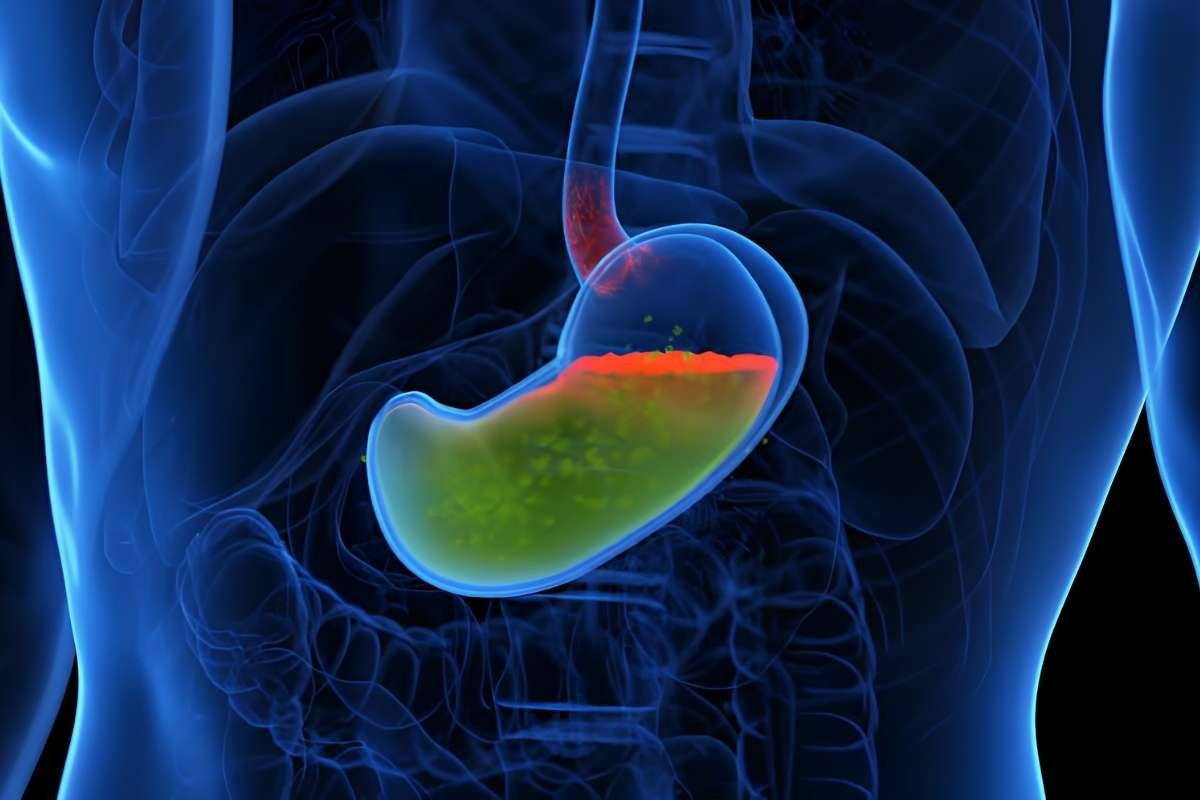
The effects can be particularly important for breast cancer because alcohol can alter estrogen levels. Alcohol can also make cells in the mouth and throat more vulnerable to carcinogens, with risks increasing when combined with cigarette smoking.
The study found smaller increases in alcohol-attributable deaths from prostate, pancreatic and stomach cancers, but those deaths also rose over time.
Jani said the findings do not establish that everyone should stop drinking completely. However, he urged people to reduce alcohol consumption as much as possible.
“Lowering your alcohol use to the lowest possible level will be best for your health,” Jani said.
Visit Healthcare 360 Magazine to read more.