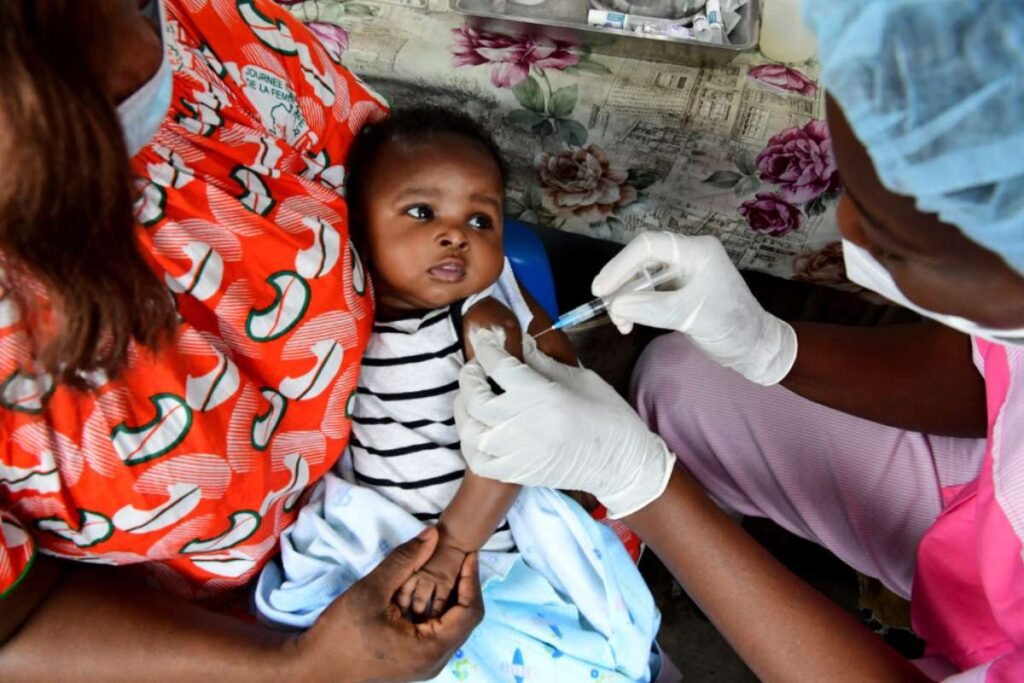
Global vaccine alliance Gavi and the United Nations Children’s Fund reached an agreement to reduce the Malaria Vaccine price of the R21 malaria vaccine, aiming to expand access for children in low-income regions. The organizations said on Nov. 24 that the cost per dose will fall to $2.99 within about one year, down from roughly $4, enabling them to stretch current funding despite recent cuts in international aid.
Price Cut To Expand Access
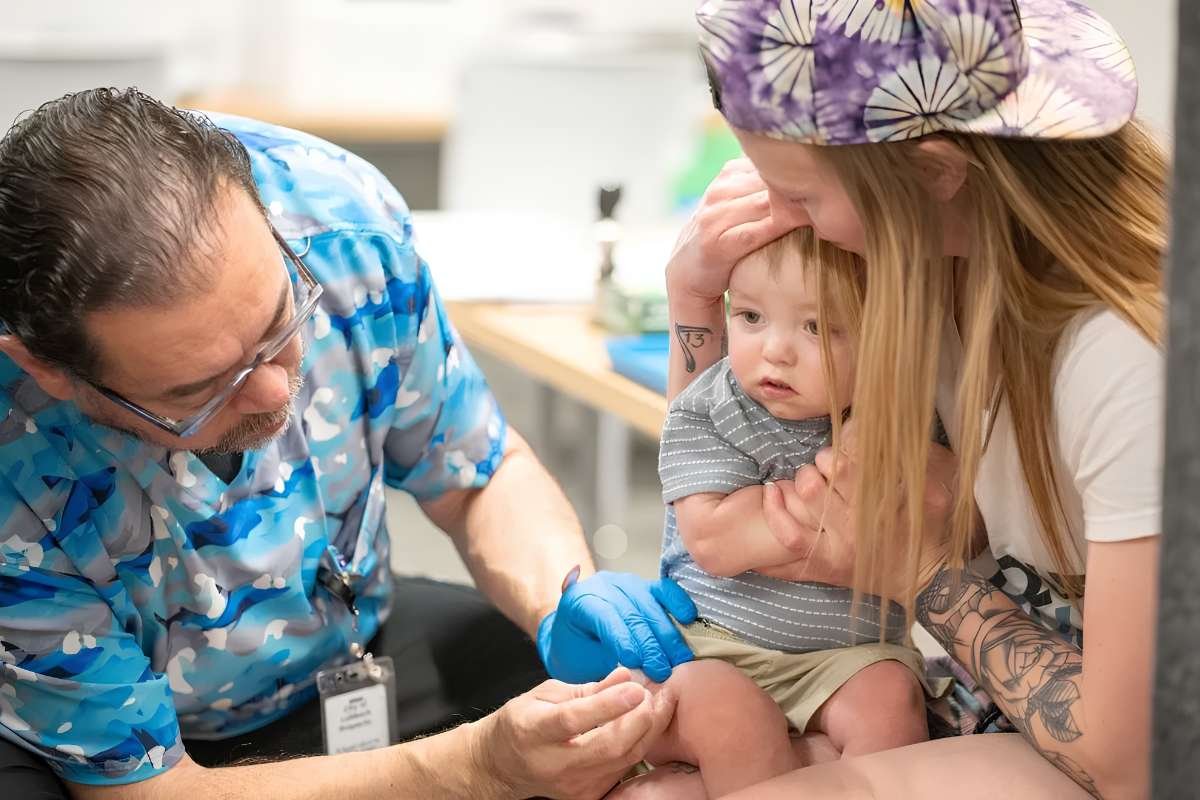
Gavi said the lower malaria vaccine price will save $90 million over the next five years. The savings will allow the partnership to procure 30 million additional doses for up to 7 million more children. Unicef purchases vaccines using funding provided by Gavi, which works with governments to improve immunization rates in some of the world’s poorest countries.
The vaccine is manufactured by the Serum Institute of India. Babies require four doses for full protection, bringing the total cost of a complete R21 schedule to $11.96 under the reduced malaria vaccine price.. Malaria continues to cause more than 500,000 deaths each year, largely among children under age 5 in sub-Saharan Africa.
Funding Shortfalls Increase Pressure
Gavi noted it raised $3 billion less than expected at a fundraising event earlier this year as top donors shifted resources elsewhere. The United States contributed less than anticipated, adding to pressure on budgets and making the reduced malaria vaccine price even more critical.
“At this critical juncture of unprecedented decline in funding for international aid, Unicef is determined to continue our proactive work with partners,” Leila Pakkala, director of Unicef’s supply division, said in a statement.
Context on Disease Burden
Malaria remains one of the leading preventable infectious diseases in Africa. According to figures cited by Gavi, treating an outpatient case of uncomplicated malaria in sub-Saharan Africa typically costs $4 to $7. Severe cases requiring hospital treatment can exceed $70 per patient. Health officials say that lowering the malaria vaccine price is one of the most cost-effective ways to reduce deaths and lessen the economic burden on fragile healthcare systems.
The R21 vaccine is the second malaria vaccine to reach the market. The other, produced by GSK, costs about $10 per dose. Bharat Biotech and GSK announced this year that the price of that vaccine will be reduced by half when Bharat assumes production in 2028 marking further improvements in global malaria vaccine price trends.
Lower Cost Aims To Boost Coverage
The price reduction is expected to help national health ministries extend vaccination programs to more remote regions. Many countries in sub-Saharan Africa rely heavily on donor-supported procurement and have faced delays in scaling up malaria vaccination because of budget constraints.
Officials involved in the procurement process said lower pricing can also improve planning. With more predictable vaccine costs, health ministries may synchronize R21 deployment with seasonal malaria transmission patterns, improving overall effectiveness.
Supply Cooperation Continues
Gavi and Unicef said their collaboration with the Serum Institute of India will be essential in meeting rising demand. The manufacturer has been expanding production capacity for several vaccines, including R21, to support global immunization programs.
The organizations said they will continue monitoring demand forecasts and supply schedules to ensure consistent availability. They added that future price adjustments may be possible as manufacturing efficiency improves.
Long-Term Outlook for Malaria Control
Public health experts view both R21 and the GSK vaccine as important additions to existing malaria control tools, which include bed nets, rapid diagnostic tests, and antimalarial medicines. While vaccines alone will not eliminate malaria, officials say they can significantly reduce the number of severe cases and deaths when deployed at scale.
Gavi plans to support further rollout efforts as more countries integrate malaria vaccination into routine immunization programs. The alliance said it will also evaluate long-term funding needs as additional data emerges on the effectiveness and uptake of R21.
As countries prepare for broader use of the vaccine, health agencies continue to emphasize the importance of sustained international financing. Without stable support, officials warn that gains against malaria could slow, particularly in regions with high transmission rates.