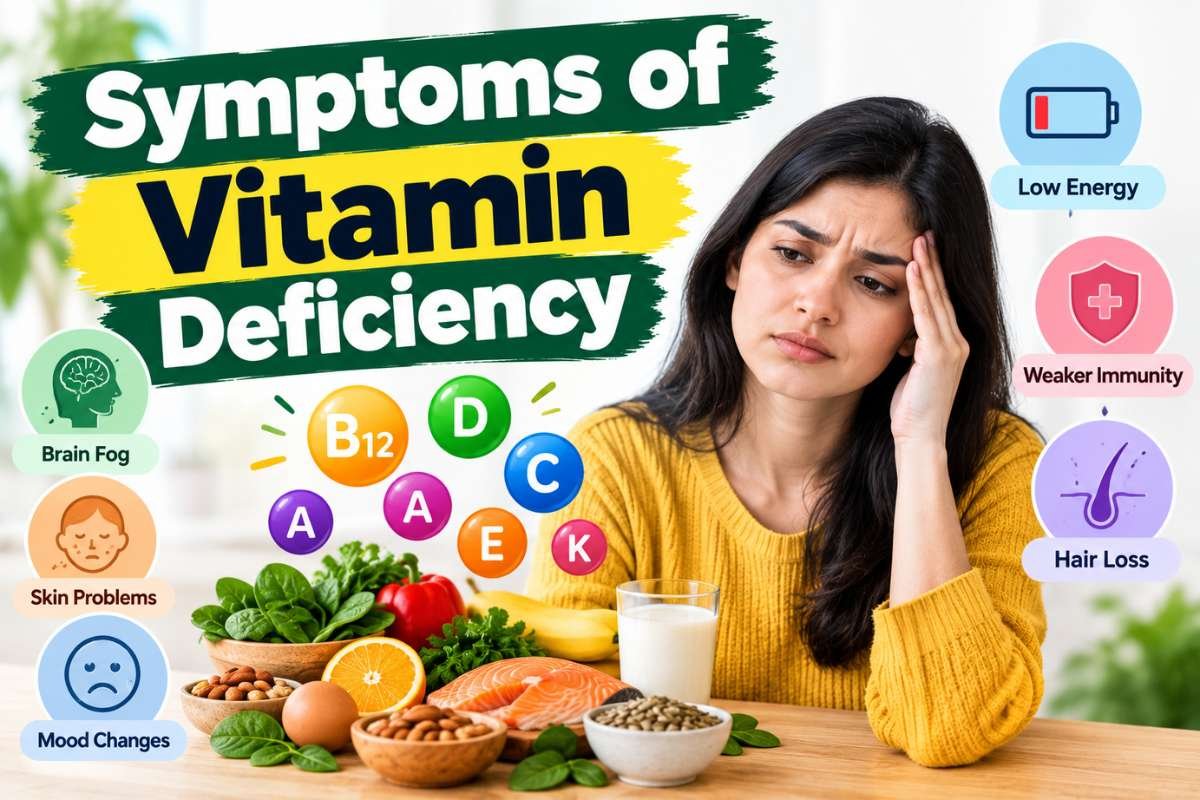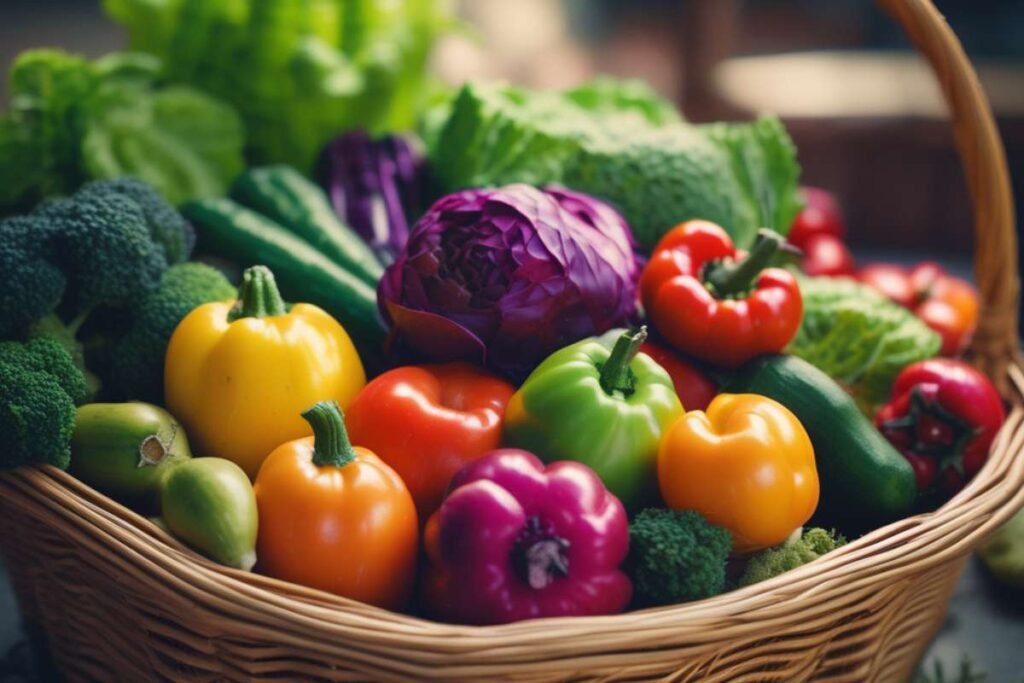
There comes a point in adulthood when you realize life isn’t falling apart; you just forgot the spinach again. Last Tuesday, I picked up a broccoli crown and caught myself whispering, “Be honest… are you worth $1.81 today?”
That’s when it hit me; I had officially become the person who negotiates with and for vegetables.
Naturally, this spiraled into a late-night deep dive where I uncovered the most outrageous fun facts about vegetables. The kind that makes you look at produce like you’re learning everyone’s embarrassing childhood stories.
In this article, we dig into the science of antioxidants, detox pathways, gut-health compounds, and show why everyday veggies can play starring roles in wellness, immunity, performance, and longevity. Let’s dive in.
Top 30 Surprising Fun Facts about Vegetables (and Why They Matter)
Here are 30 lesser-known but fascinating fun facts about vegetables, each fact followed by scientific context, medicinal properties, and what it means for your health.
1. Carrots were purple, yellow, or white before the 17th century
Until the 1600s, carrots existed mostly in purple, yellow, or white varieties. Dutch growers selectively bred them to produce the now-familiar orange carrot we know today.
Why it matters: Orange carrots gained beta-carotene, the pigment your body converts to vitamin A, vital for eye health, skin, and immunity. They also contain lutein and zeaxanthin that protect your retina and may slow age-related vision decline. Moreover, carrots produce falcarinol, a natural pesticide that shows anti-inflammatory and possible anti-cancer properties in early research. Purple carrots, rich in anthocyanins (the same antioxidants as in berries), add an extra layer of antioxidant defense.
Carrots prove that what looks like a simple root vegetable carries a deep nutritional history and a powerful health punch.
2. Broccoli is actually a cluster of unopened flower buds
When you eat broccoli, you actually consume immature flower heads; if left on the plant, they’d bloom into yellow flowers.
Health power: Broccoli packs sulforaphane, a potent isothiocyanate that activates the body’s detox enzymes in the liver. It also delivers vitamin K (for bone health), vitamin C (for immune function), fiber, and antioxidants, all shown to reduce inflammation, support heart and brain health, and possibly lower cancer risk.
Numerous studies link regular intake of cruciferous vegetables (like broccoli) with lower incidence of lung, colorectal, breast, prostate, and stomach cancers.
So every time you eat broccoli, you tap into the protective power of nature’s detox and defense system.
3. Artichoke is a flower bud that you eat, an immature thistle bloom
The fleshy, edible part of the artichoke is actually an unopened flower head of a thistle.
What makes it beneficial: Artichokes contain inulin, a prebiotic fiber that fosters healthy gut bacteria. They also carry polyphenols like chlorogenic acid and caffeic acid that support liver health and bile production, aiding digestion and fat metabolism. Studies suggest artichoke consumption may support healthy cholesterol levels and reduce inflammation.
Eating artichokes doesn’t just add flavor but supports digestion, gut microbiome, and detox pathways.
4. “Baby carrots” are often full-size carrots cut and reshaped
Most supermarket “baby carrots” aren’t naturally small at all they’re regular carrots cut, peeled, and shaped by machines, a processing method that gained popularity in the 1980s. It’s one of those quirky truths that often pops up when you dive into surprising fun facts about vegetables.
Good news: Nutritionally, baby carrots match full-sized ones. They deliver the same beta-carotene, antioxidants, and water-soluble vitamins. They make snacking easier, helping you get those nutrients more consistently.
So yes, those convenient snacks count just as much (as long as they’re fresh).
5. Potatoes became the first vegetable grown off-Earth
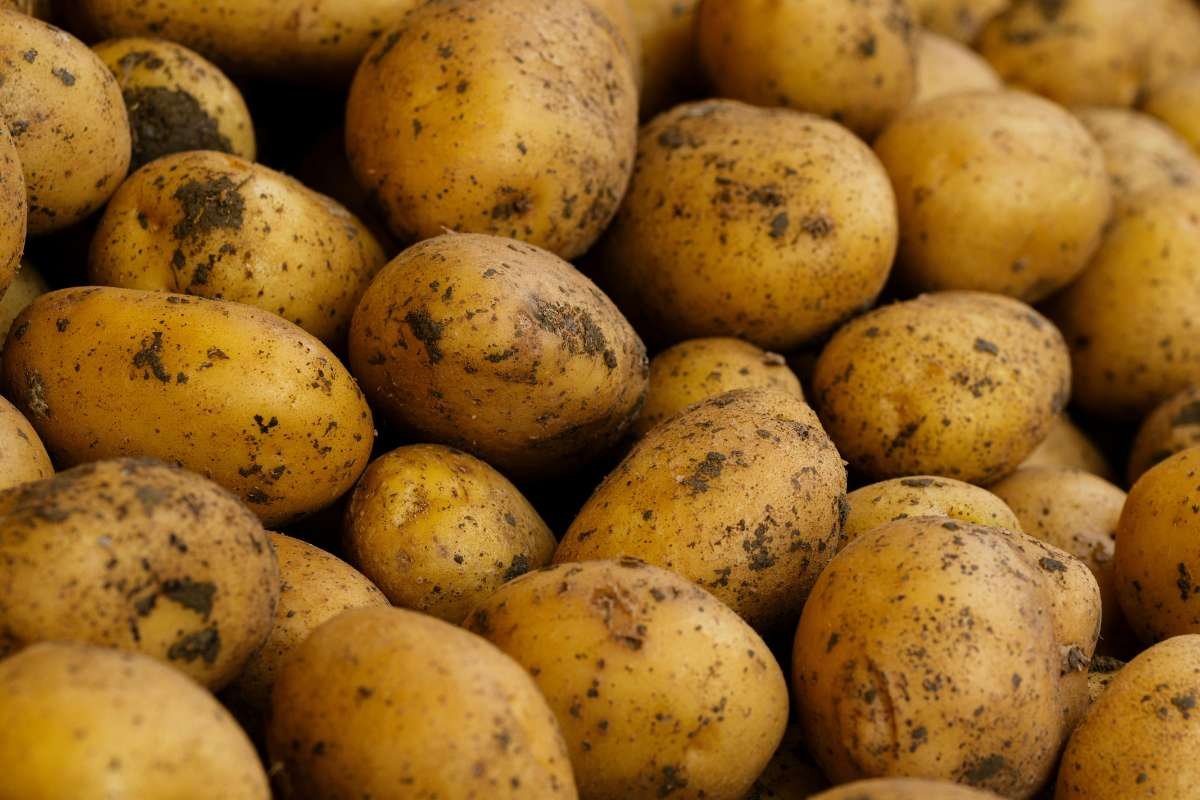
In the mid-1990s (Space Shuttle Atlantis STS-51-F), scientists from NASA successfully grew potatoes in space as part of life-support and food sustainability experiments.
Health take: Potatoes supply resistant starch (especially when cooled after cooking), which acts like prebiotic fiber and benefits gut bacteria. They also bring potassium, more per 100g than bananas, essential for blood pressure regulation and muscle function, plus vitamin B6 and choline for brain and nervous system support.
Even a humble potato helped pioneer space farming and offers real benefits back on Earth.
6. Some people hate Brussels sprouts, and there’s a genetic reason
The bitterness in Brussels sprouts and other cruciferous veggies hits more strongly for roughly 25% of people, due to variations in the gene TAS2R38 that makes bitter compounds taste extra intense.
Why you still might want to try them: Brussels sprouts are loaded with glucosinolates, which convert into anti-cancer isothiocyanates during digestion. They offer vitamin K, folate, fiber, supporting bone health, detox pathways, and DNA synthesis; all while giving a robust nutrient boost if you can tolerate the taste.
7. Garlic and onions carry natural antimicrobial powers
When you crush garlic or chop onions, they release sulfur-containing compounds (like allicin, diallyl disulfide) long been used in traditional remedies to fend off bacteria, fungi, and even viruses.
Modern studies hint that regular allium vegetable consumption may lower risks of certain digestive-system cancers, too.
They also supply prebiotic fiber (inulin), supporting gut microbiota, and bioflavonoids like quercetin (especially in onions), which deliver anti-inflammatory, antihistamine, and cardiovascular benefits.
A simple garlic-onion stir-fry could help more than flavor, as it may support immune strength and gut health.
8. Bell peppers of different colors often come from the same plant, whereas their color reflects ripeness
Green, red, yellow (or orange) bell peppers mostly differ in ripeness or variety and not in species.
Nutrition tip: Red bell peppers have up to three times more vitamin C than green. They also pack beta-carotene, lycopene, capsanthin, and capsorubin; pigments with strong antioxidant and anti-inflammatory activity.
Eating a rainbow of peppers adds variety but also maximizes the spectrum of nutrients and protection against oxidative stress.
9. Purple cabbage acts as a natural pH indicator
Purple cabbage contains anthocyanins, pigments that change colour depending on acidity. In acidic solutions, its juice turns red; in alkaline solutions, blue-green.
Why it matters: These anthocyanins deliver antioxidant, anti-inflammatory, and liver-protective properties. Combined with glucosinolates (common in cruciferous plants) and vitamin K, purple cabbage offers potent detox, bone-health, and antioxidant benefits.
10. Most “wasabi peas” don’t contain real wasabi

What’s marketed as wasabi peas often uses regular horseradish and mustard powder dyed green, because real Wasabia japonica remains rare and expensive.
Still useful: Horseradish contains glucosinolates and volatile isothiocyanates with antimicrobial, detox-boosting properties. Mustard adds minerals like selenium and omega-3s.
So while you aren’t getting authentic wasabi, you’re still consuming compounds that help digestion, support immune defense, and may stimulate detox pathways, a detail that often shows up in surprising fun facts about vegetables.
11. Sweet potatoes and “true” yams are botanically unrelated
Despite common label mixing, sweet potatoes (Ipomoea batatas) belong to the morning-glory family, while true yams (Dioscorea spp.) come from a different family entirely, as they evolved separately on different continents.
Why you should care: Sweet potatoes deliver high beta-carotene (converted to vitamin A), plus antioxidants like chlorogenic acid and quercetin. They offer a steadier glycemic response than white potatoes, helpful for blood sugar control.
True yams provide compounds like diosgenin (studied for potential hormone-balancing effects) and allantoin (traditionally used for skin regeneration).
Each brings different biochemical benefits, so the distinction matters more than labels.
12. Celery earns the “negative-calorie snack” myth almost
Celery offers about 6 calories per stalk. Chewing burns ~1–2 calories; so the “negative-calorie” claim exaggerates slightly.
Still beneficial: Celery supplies 3-n-butylphthalide (3nB), a compound studied for blood-pressure reduction by relaxing blood vessels, plus phthalides with anti-inflammatory, anxiolytic, and vascular benefits. It also provides potassium, fiber, and compounds that support cardiovascular and nervous system health.
A crunchy celery stick may not burn more calories than it contains but it remains a solid, low-calorie, heart-healthy snack.
13. Historically, beets were grown for their leaves, not the root
Ancient cultures prioritized beet greens, rich in minerals, and only in the last few centuries did beetroot become widely consumed.
Why it matters now: Beetroots supply betalains (powerful antioxidants), nitrates (convert into nitric oxide to improve blood flow), and folate. These compounds support cardiovascular health, exercise performance, cognitive function, inflammation reduction, and detox.
Including beets in your diet isn’t just tradition; it’s a way to enhance circulation, detox, and overall wellness.
14. Asparagus can grow more than 15 cm (6 inches) per day under ideal conditions
Asparagus spears can shoot up astonishingly fast when soil and water conditions align.
Nutrition angle: Fresh asparagus boasts prebiotic fibers (inulin, fructooligosaccharides) for gut health, glutathione for detoxification, folate and amino acids for cognitive and kidney support. Historically, people used asparagus as a mild diuretic.
Its rapid growth and rich nutrient profile make asparagus one of nature’s most dynamic vegetables and a potent ally for digestion, detox, and systemic health.
15. Eggplant belongs to the nightshade family, as the ancient varieties resembled eggs
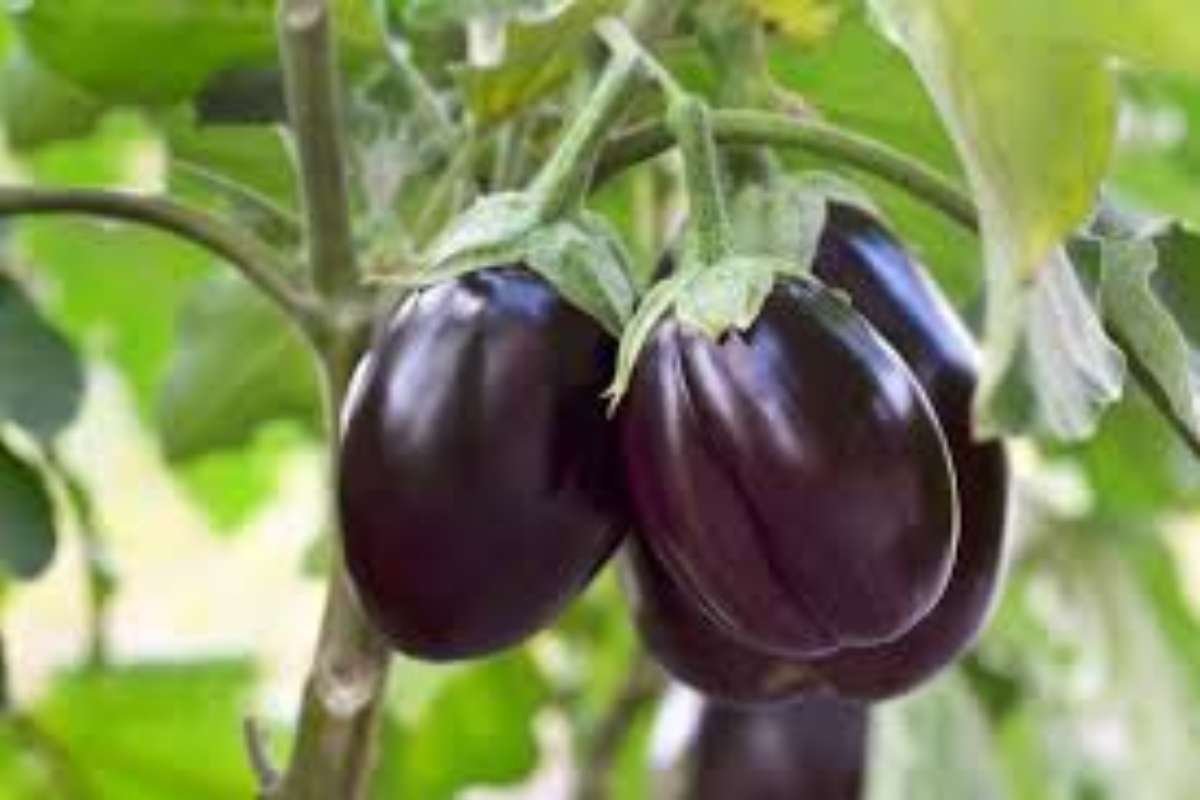
The English name “eggplant” stems from early varieties that looked like white eggs. Botanically, it belongs to the Solanaceae (nightshade) family.
Health benefits: Eggplant skins contain nasunin, a purple anthocyanin that crosses the blood-brain barrier and helps protect neuronal lipids from oxidative damage, a detail that often surprises anyone who enjoys discovering fun facts about vegetables. Beyond that, eggplants also carry chlorogenic acid (an antioxidant and antimicrobial) and plenty of fiber to support digestion and blood sugar regulation. Early research is even exploring potential anticancer effects from solasodine, another compound found in certain varieties.
Eggplant thus offers unique neuroprotective, antioxidant, and metabolic support far beyond its flavourful presence on your plate.
16. Onions make you cry because cutting them releases tear-triggering gas
When you slice an onion, it releases syn-propanethial-S-oxide, a volatile compound that turns into mild acid on contact with moisture in your eyes, triggering tears.
What else onions do: They offer quercetin and other organosulfur compounds that may reduce allergy symptoms, inflammation, and support cardiovascular health by improving blood circulation and reducing platelet aggregation. Onions also contain prebiotic fibers supporting gut bacteria.
That eye-watering moment is messy, but it signals powerful biochemical activity that may support immunity, heart health, and digestion.
17. Okra pods provide natural mucilage, a traditional digestive aid
Okra contains mucilage, a viscous polysaccharide that thickens liquids and slows digestion. Historically, people used okra for digestive problems and as herbal medicine.
Modern science confirms: Okra’s fiber slows glucose absorption, helping regulate blood sugar. Its polyphenols, vitamin K, and folate support gut health, anti-inflammation, and cardiovascular wellness.
A warm okra stew isn’t just comforting food; it supports digestion and metabolic balance.
18. Radishes served as carved festival decorations before they became salad staples
Long before radishes spiced up salads, ancient cultures (especially in Mesoamerica) carved them into decorative shapes of animals, flowers, for ceremonies and festivals.
Today: Radishes deliver glucosinolates (detox beneficial), anthocyanins (in red varieties, antioxidants), sulfur compounds (support liver detox, antimicrobial action), plus vitamin C. They help support digestion, immune defenses, anti-inflammation, and detox pathways.
Radishes remind us: veggies carry cultural history and real health potential.
19. Turnips and parsnips once fed entire populations long before potatoes arrived in Europe
Before potatoes came to Europe in the 16th century, turnips and parsnips served as staple carbohydrates in peasant diets. They provided essential calories and nutrients when grains failed.
Nutritional strength: Turnips supply glucosinolates (detox support) and vitamin C (immune health); parsnips include anti-inflammatory falcarinol, antioxidants, and vitamin K, supporting digestion, bone health, and overall wellness.
These humble roots once powered entire populations on sustenance and strength, and they remain nutritious options today.
20. Kale, cabbage, broccoli, cauliflower, Brussels sprouts, and kohlrabi all come from the same wild ancestor
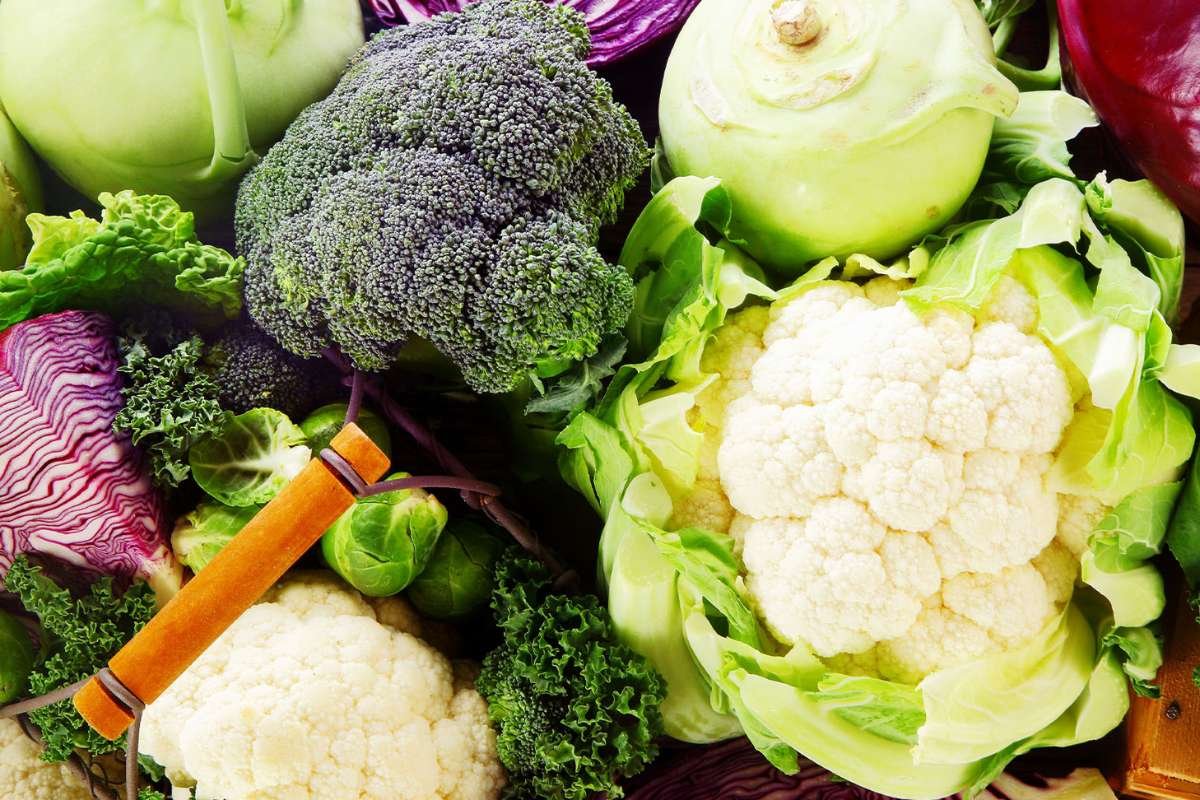
All these vegetables belong to a single species Brassica oleracea, selectively bred over 2,500 years to produce wildly different forms: leafy kale, compact cabbage, thick-stemmed kohlrabi, tight-headed cauliflower, and flowering broccoli.
Shared health power: They contain glucosinolates, isothiocyanates, sulforaphane, indole-3-carbinol, compounds that activate detoxification enzymes, support hormone metabolism (especially estrogen pathways), and may reduce risk of hormone-sensitive cancers.
Eating a variety of Brassica veggies gives your body a broad spectrum of protective, detoxifying, and anti-inflammatory phytochemicals.
21. Chili peppers feel “hot” because of capsaicin, the same receptor your skin uses to sense physical heat
The burning sensation you feel from chili peppers comes from capsaicin binding to TRPV1 nerve receptors, the same receptors sensitive to actual heat (43 °C+).
Why this matters: Capsaicin triggers a cascade of beneficial effects. It acts as an analgesic (pain-relief), promotes endorphin release, stimulates circulation, has antimicrobial properties, and offers anti-inflammatory effects. It also triggers a mild metabolic boost (thermogenic effect), helping energy expenditure for a short period post-consumption.
Spice isn’t just a taste; it’s a metabolic and circulatory stimulant.
22. Spinach became a “strength food” partly because of a decimal-point error in an old iron table
The myth that spinach was a super-rich source of iron traces to a 19th-century decimal error in an iron-content table, but the legend stuck.
Still, spinach remains valuable: it offers lutein and zeaxanthin for eye health, folate for cell repair and DNA synthesis, and naturally occurring nitrates that convert to nitric oxide to support blood flow and cardiovascular function. It also contains polyphenols with antioxidant and anti-inflammatory benefits facts that often show up among the most surprising fun facts about vegetables, making spinach a powerful ally for cognition, heart health, and overall wellness.
Even without the iron myth, spinach deserves respect on your plate.
23. Some heirloom tomatoes stay green or turn black when ripe; color doesn’t always signal ripeness or spoilage
Heirloom tomato varieties carry different pigment profiles (chlorophyll, anthocyanins), so green or blackish skin doesn’t always mean unripe or spoiled.
Health implications: Red tomatoes bring lycopene (a powerful antioxidant linked to reduced risk of heart disease and certain cancers). Green tomatoes may offer tomatine (anti-inflammatory, antimicrobial) and high chlorophyll; black (anthocyanin-rich) varieties provide antioxidants and anti-inflammatory flavonoids.
Trust taste, not color. Heirlooms potentially deliver diverse antioxidant and phytonutrient benefits.
24. Corn on the cob isn’t a single vegetable; each kernel is a fruit
Each kernel on a corn cob counts as an individual fruit (a caryopsis), fertilized separately. That means a cob has hundreds of distinct fruits.
Nutritional note: Yellow corn provides lutein and zeaxanthin; good for eye and macular health. Purple or blue maize varieties carry anthocyanins (strong antioxidants). When cooked and cooled, corn delivers resistant starch, feeding gut bacteria, aiding blood-sugar regulation, and supporting digestive health.
Corn reminds us that even familiar foods hold botanical surprises and nutritional depth.
25. A Roman emperor used leeks to “improve” his singing voice
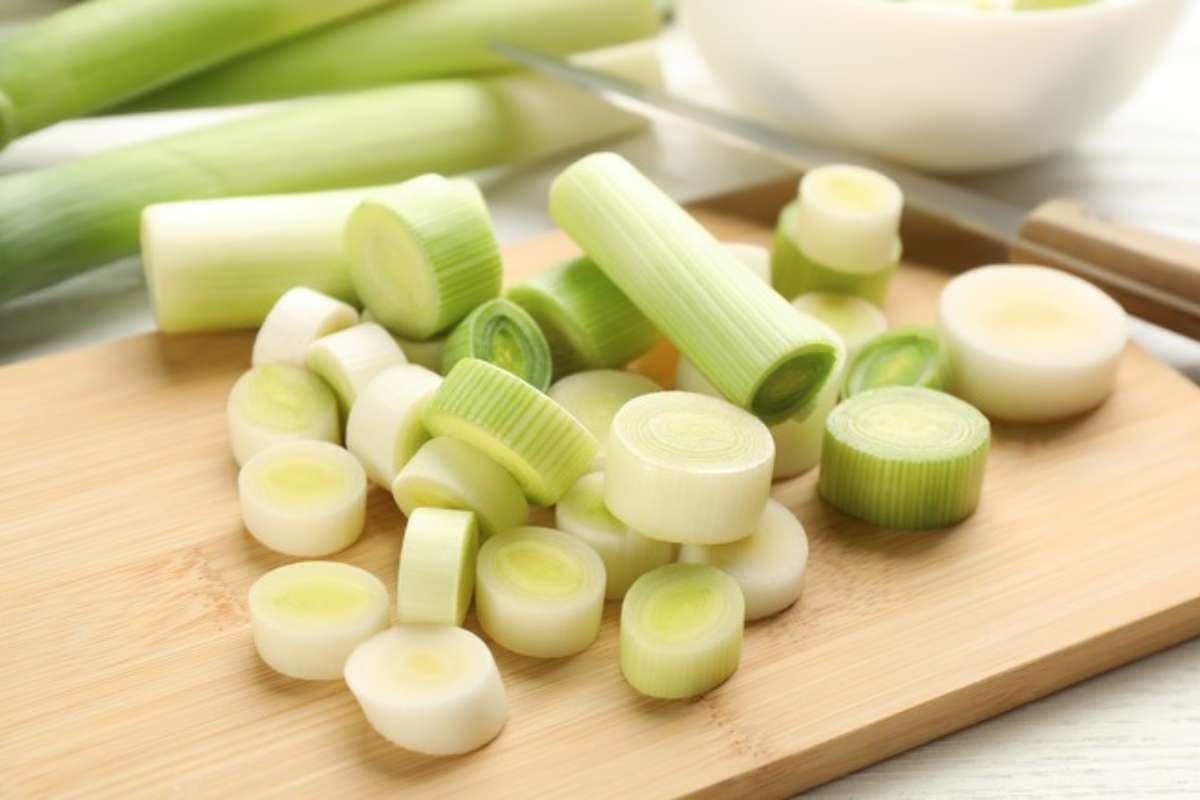
According to ancient Roman records, Emperor Nero regularly consumed leeks to enhance his singing voice, earning him the nickname “porrophagus” (leek-eater). While voice-improvement claims remain anecdotal, leeks offer real health contributions.
Leek benefits: They belong to the allium family. They deliver organosulfur compounds (antimicrobial, anti-inflammatory), prebiotic fibers, flavonoids like kaempferol (chemopreventive properties), vitamin K, and folate (bone health, DNA synthesis).
Perhaps Nero’s singing boosted confidence, but modern science shows that leeks support gut health, inflammation control, and vascular protection.
26. Horseradish’s pungent fumes were once industrial and still pack health benefits
Modern horseradish roots release volatile isothiocyanates so pungent that industrial processing often requires ventilation to protect workers’ respiratory health.
Health angle: Those same compounds stimulate mucus production (helpful during colds), aid digestion, act as antimicrobials, and activate detox pathways via glucosinolate conversion. Horseradish contains vitamin C, further supporting immune health.
A fiery bite may sting, but it supports detox, respiratory health, and immunity.
27. The “eyes” on a potato are buds that can sprout into new plants (and contain increased toxic compounds if sprouted)
The little “eyes” on a potato are buds capable of growing into full plants. If exposed to light or stored badly, they may sprout, and the potato may accumulate higher levels of solanine, a toxic alkaloid.
Take care: Remove eyes, store potatoes in darkness. When handled properly, potatoes remain valuable for resistant starch, potassium, and other nutrients supporting gut, brain, and cardiovascular health.
28. Celeriac is the root version of celery, cultivated for its swollen underground stem rather than stalks
Celeriac (root celery) evolved as a special cultivar where the underground stem swells, which is what people eat instead of celery stalks.
Health benefits: Like celery, celeriac delivers 3-n-butylphthalide for blood-pressure support, polyphenols with antioxidant and anti-inflammatory effects, potassium for healthy heart and muscle function, and fiber that supports smoother digestion. It aids gut and cardiovascular health while offering a unique texture and flavor, one of those underrated details you often find tucked into surprising fun facts about vegetables.
29. Many winter squashes (butternut, kabocha, and acorn) become sweeter after weeks of storage as starches convert to sugars
If you store winter squashes in a cool, dry place for a few weeks, enzymes convert stored starch into natural sugars, making them sweeter and more flavorful over time.
Health upside: Winter squashes remain rich in beta-carotene (for vision & immunity), fiber (gut support), polyphenols, magnesium (nervous system, muscle function), B & C vitamins, and carotenoids with antioxidant, anti-inflammatory, and neuroprotective effects.
You get better taste and sustained health benefits by simply waiting.
30. Watercress traditionally grows in flowing water, giving it a peppery, intense flavor and high nutrient content
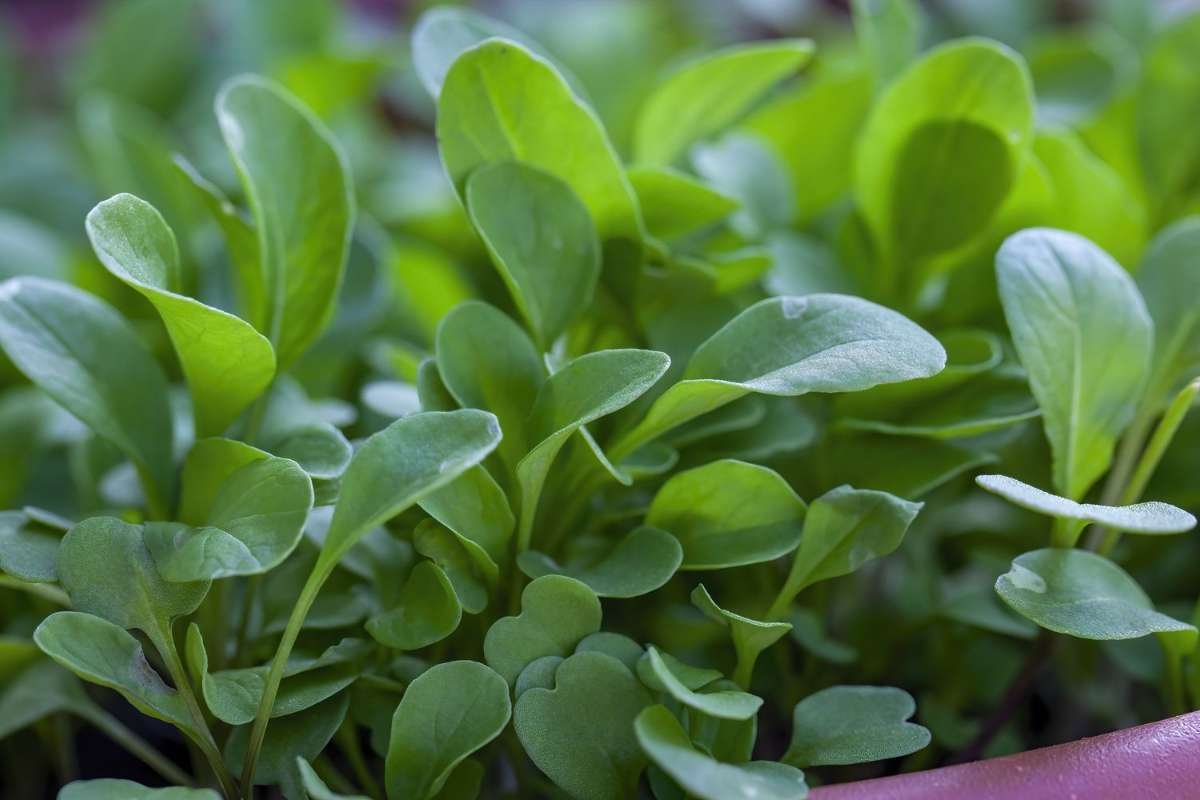
Unlike many vegetables grown in soil, Watercress thrives in flowing water rich in minerals. That environment boosts glucosinolate content, giving watercress a peppery taste and high levels of phytonutrients.
Nutrition spotlight: Watercress ranks among the highest leafy greens for vitamin K (bone health), iodine (thyroid function), carotenoids and polyphenols (antioxidant & anti-inflammatory), and unique isothiocyanates like PEITC compounds studied for anti-cancer activity. Fresh watercress can support bone, thyroid, cardiovascular, and immune health.
Is that humble green sprig often underestimated? It may be a nutritional powerhouse.
Why These Fun Facts Matter: Science-Driven Health & Lifestyle Insights
➤Vegetables Are Not Just Food They Are Biochemical Tools
These fun facts about vegetables highlight that many common veggies come loaded with bioactive compounds sulforaphane, glucosinolates, beta-carotene, betalains, mucilage, polyphenols, resistant starch, all with documented effects on inflammation, detoxification, gut health, heart function, brain support, cancer resistance, and more.
For example, the sulforaphane in broccoli and other cruciferous veggies activates liver detox pathways and may reduce cancer risk.
Antioxidants like anthocyanins in purple carrots, purple cabbage, or eggplant help protect cells from oxidative damage; linked to slower aging, better skin, and lower risk of chronic diseases.
Prebiotic fibers in artichoke, celery, asparagus, okra, and watercress nourish beneficial gut bacteria, supporting digestion, immunity, mental health, and metabolic balance.
The bottom line: vegetables supply more than nutrients; they deliver functional molecules that help your body defend, repair, and thrive.
Real Data, Real Impact: What Studies Show
- A review published by researchers analysing cruciferous vegetables found that regular consumption correlated with lower risks of lung, colorectal, breast, and other cancers.
- Nutritional data confirms that a single cup of raw broccoli provides ~90% of the daily vitamin C value, substantial vitamin K, potassium, fiber, and protein, making it one of the most nutrient-dense vegetables you can eat.
- Antimicrobial and anti-inflammatory effects of compounds in allium vegetables (garlic, onions, leeks) and horseradish have long been documented; modern research continues to explore their protective roles, including in digestive health.
- Prebiotic effects of fibers in artichokes, asparagus, okra, watercress, and root veggies support healthy gut microbiota, a foundation for everything from digestion to immunity to mood regulation.
Practical Tips: How to Get the Most from These Fun Facts about Vegetables
- Eat a rainbow. Mixing colors like purple cabbage, orange carrots, red peppers, and green broccoli ensures you get a variety of antioxidants and phytonutrients.
- Favor raw or lightly steamed for cruciferous veggies. Overcooking destroys myrosinase the enzyme that converts precursors into sulforaphane.
- Store smart. Some veggies (like winter squash) taste better after storage, while others (potatoes) must be kept from sprouting to stay safe.
- Use whole parts. Don’t discard skins or peels eggplant skin, potato skins, and pepper rinds often hold valuable antioxidants and fiber.
- Diverse cooking methods. Roast, steam, sauté, ferment different methods release different beneficial compounds and preserve unique nutrients.
Conclusion:
Now, when I’m in the vegetable section, I don’t rush. I linger. I stare. I judge back.
Because once you learn a few fun facts about vegetables, you start seeing them less as “healthy ingredients” and more as characters in a sitcom you didn’t know you were starring in. It’s chaotic, hilarious, and weirdly educational, and suddenly grocery shopping feels like plot development.
On the other hand, these 30 fun facts about vegetables prove one thing clearly: vegetables don’t sit quietly on your plate. They carry history (purple carrots bred into orange), botany (broccoli as flower buds), biology (capsaicin triggering heat receptors), and medicine (sulforaphane detox; betalains improving circulation; prebiotics feeding gut bacteria).
So next time you stir a pot, toss a salad, or roast a tray of veggies, remember, you feed your body nutrients and power.
Here’s to eating green, eating smart, and letting vegetables surprise you.