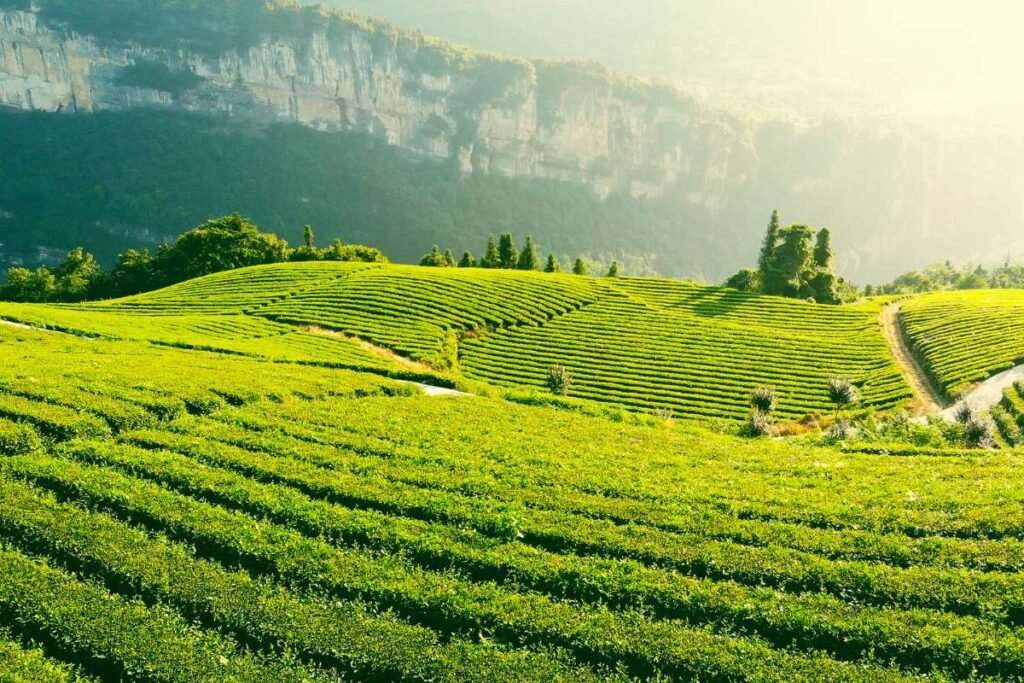
Tea shapes economies, cultures, and daily routines across the globe. Certain countries lead the industry with enormous production, supplying billions of cups each year. These nations combine fertile lands, skilled labor, and ideal climates to grow tea that reaches every corner of the world.
Understanding the largest tea-producing countries in the world offers insight into how agriculture, tradition, and global demand intersect. From plantations that span vast landscapes to the unique varieties they cultivate, these countries play a crucial role in making tea one of the world’s most consumed beverages.
So let us take a look at the countries that have produced the highest amount of tea in 2025.
The 10 Largest Tea-Producing Countries in The World
These countries shape global supply through strong farms and ideal climates. Each region offers its own flavor, history, and growing style. This list shows how different nations support the growing demand for tea across the world. This list is curated from the research provided by worldostats
1. China
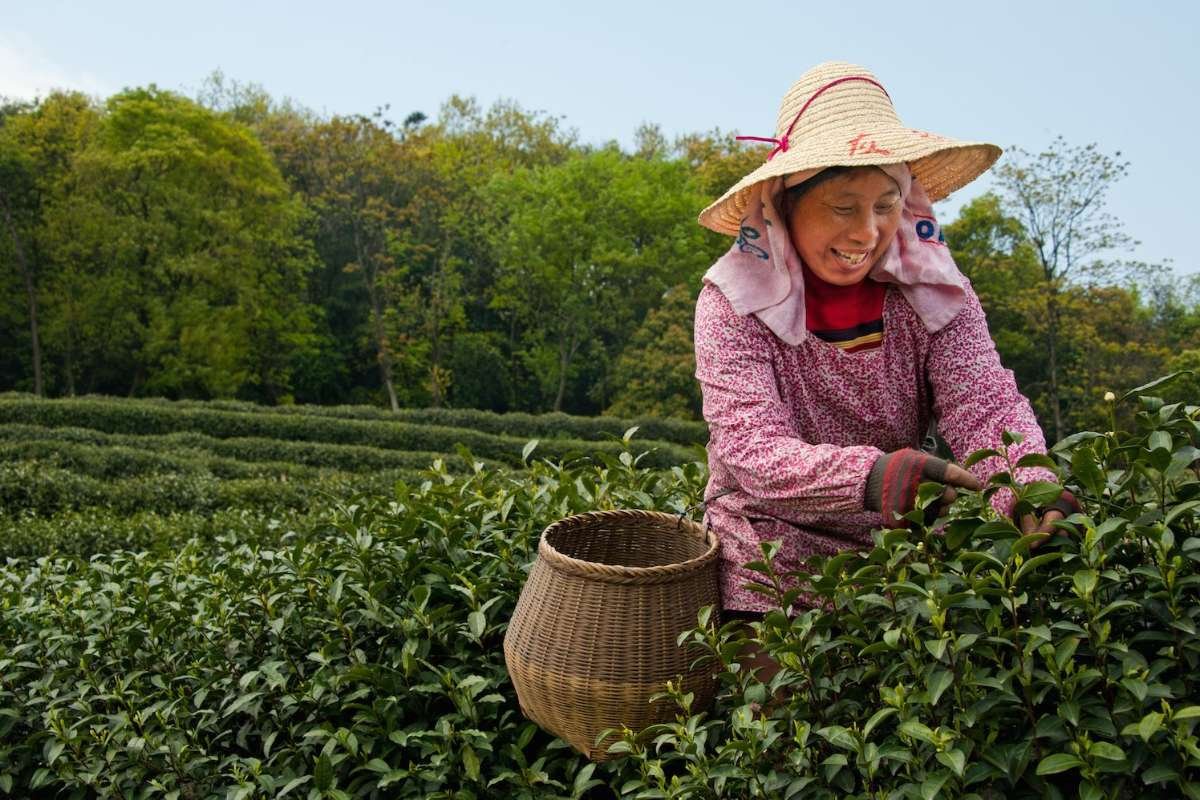
- Annual Production: 14,542,600 tons
China leads all the largest tea-producing countries in the world by a wide margin. The country grows tea in Yunnan, Fujian, Zhejiang, Anhui, and several southern regions with mild weather and rich soil. These areas support long growing seasons and allow farmers to harvest many times each year.
China produces green tea, oolong, pu-erh, white tea, and black tea, each offering unique health benefits like better heart health, improved digestion, and steady focus. The country maintains its output through deep farming traditions, strong domestic demand, and advanced processing systems that run across major tea districts.
2. India
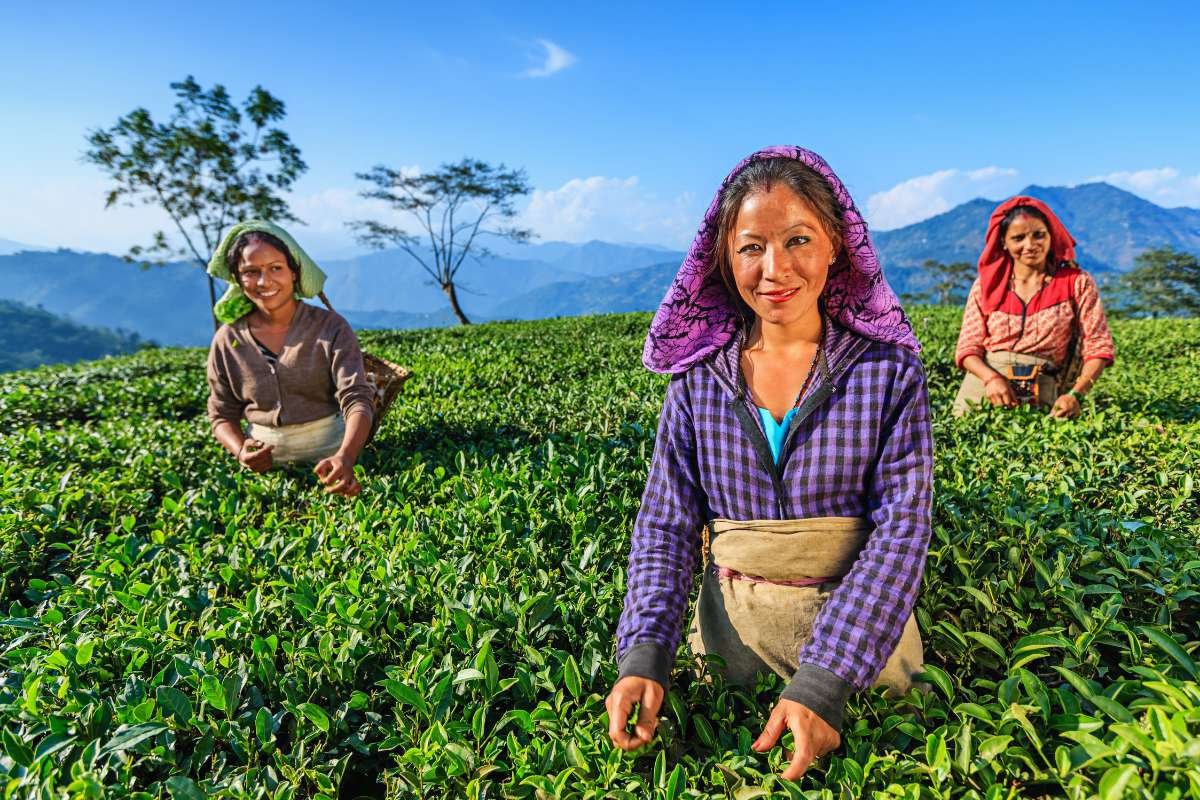
- Annual Production: 5,969,000 tons
India ranks second among the largest tea-producing countries in the world and grows tea across Assam, Darjeeling, Dooars, Nilgiris, and parts of Kerala. These regions enjoy heavy rainfall and fertile soil that help farms produce large volumes of black tea and specialty teas. Assam tea supports energy and alertness, while Darjeeling tea offers antioxidants that may aid heart function. India’s large network of small growers, big estates, and strong export industries keeps production high. Local demand stays strong too, which helps stabilize the entire supply system.
3. Kenya
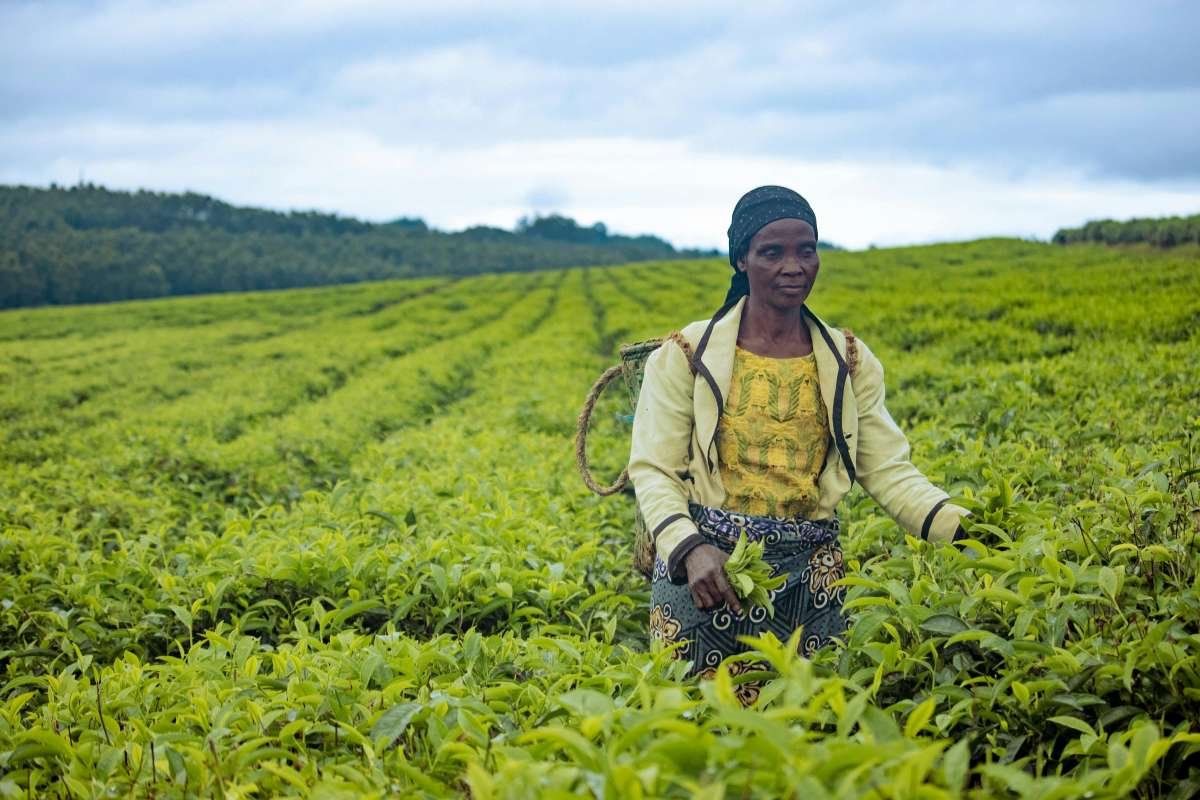
- Annual Production: 2,326,000 tons
Kenya stands as Africa’s top tea producer and a key supplier to global tea markets. Tea grows widely in Kericho, Nandi, Kiambu, Bomet, and the Rift Valley, where high altitudes and cool air help plantations create bright and strong black tea. Kenyan teas contain polyphenols that support heart health and help reduce inflammation.
Smallholder cooperatives increase output because they work together and share resources. This teamwork, along with Kenya’s ideal climate, explains why the country produces such large volumes.
4. Sri Lanka
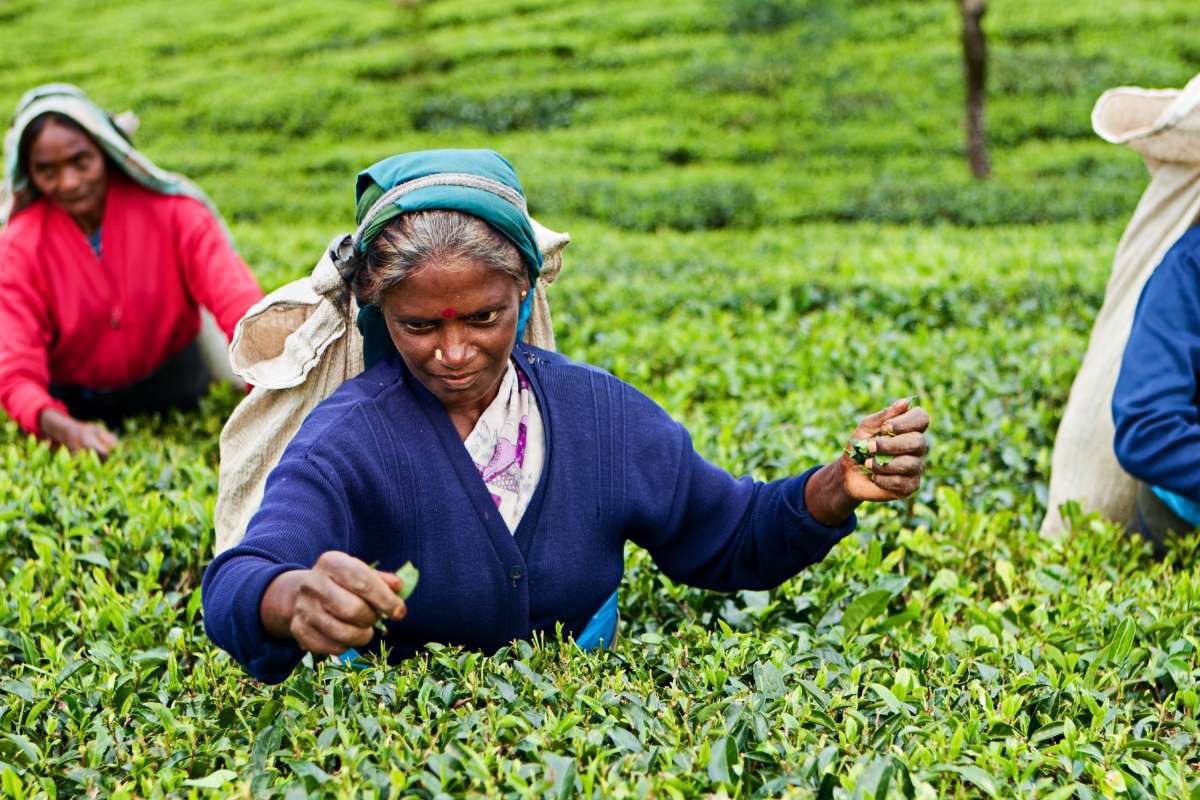
- Annual Production: 1,400,000 tons
Sri Lanka, known for Ceylon tea, grows most of its tea in Nuwara Eliya, Uva, Sabaragamuwa, and Kandy. Cool mountain weather and regular rain give Sri Lankan tea its crisp flavor and bright color. Ceylon tea contains antioxidants that may support digestion and overall heart wellness. The country uses organized estates and long-standing export channels to maintain high output. These estates run efficient processing centers that protect quality and freshness.
5. Turkey
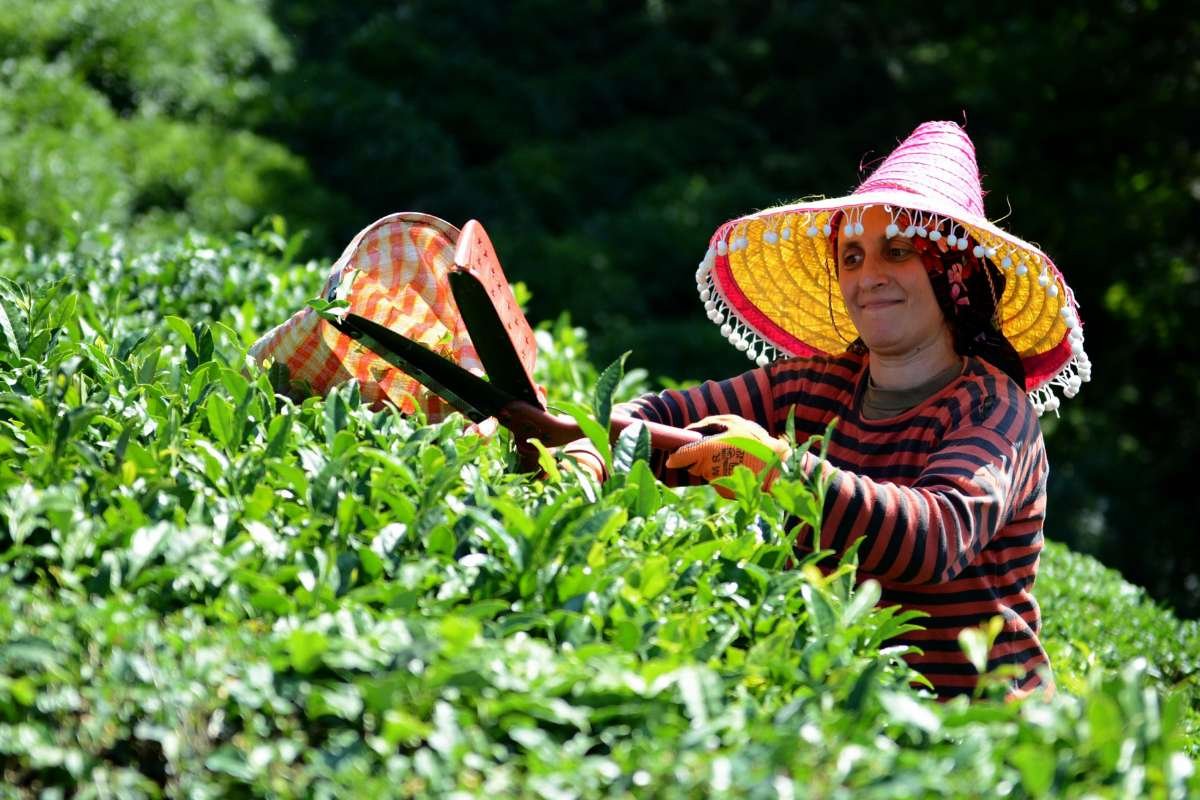
- Annual Production: 1,300,000 tons
Turkey grows almost all its tea along the Black Sea coast, especially in Rize and Trabzon. These areas provide heavy rainfall and mild temperatures that help farmers grow large amounts of tea each year. Most Turkish tea is black tea with a strong taste and a high amount of theaflavins, which support heart health. Turkey produces large volumes because tea is a daily drink for people across the country. This strong demand encourages farmers to plant more and improve processing lines.
6. Vietnam
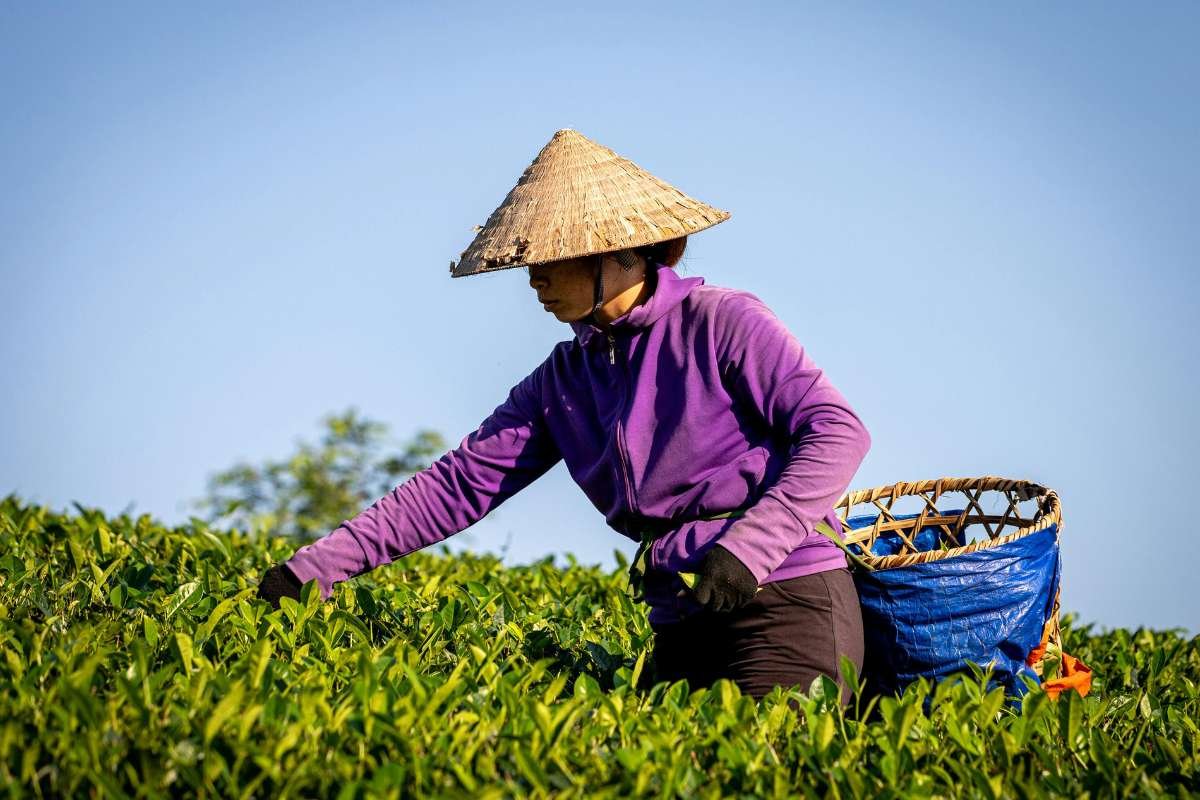
- Annual Production: 1,116,746 tons
Vietnam has become a fast-growing tea producer with farms in Thai Nguyen, Lam Dong, Moc Chau, and the Central Highlands. These regions offer fertile land and steady rainfall that help farmers grow green tea, black tea, jasmine tea, and several scented varieties.
Vietnamese green tea contains catechins that support metabolism and may improve immunity. Local factories adopt modern machines, helping the country improve its quality each year. Vietnam’s export demand also grows steadily, which pushes farms to increase production.
7. Indonesia
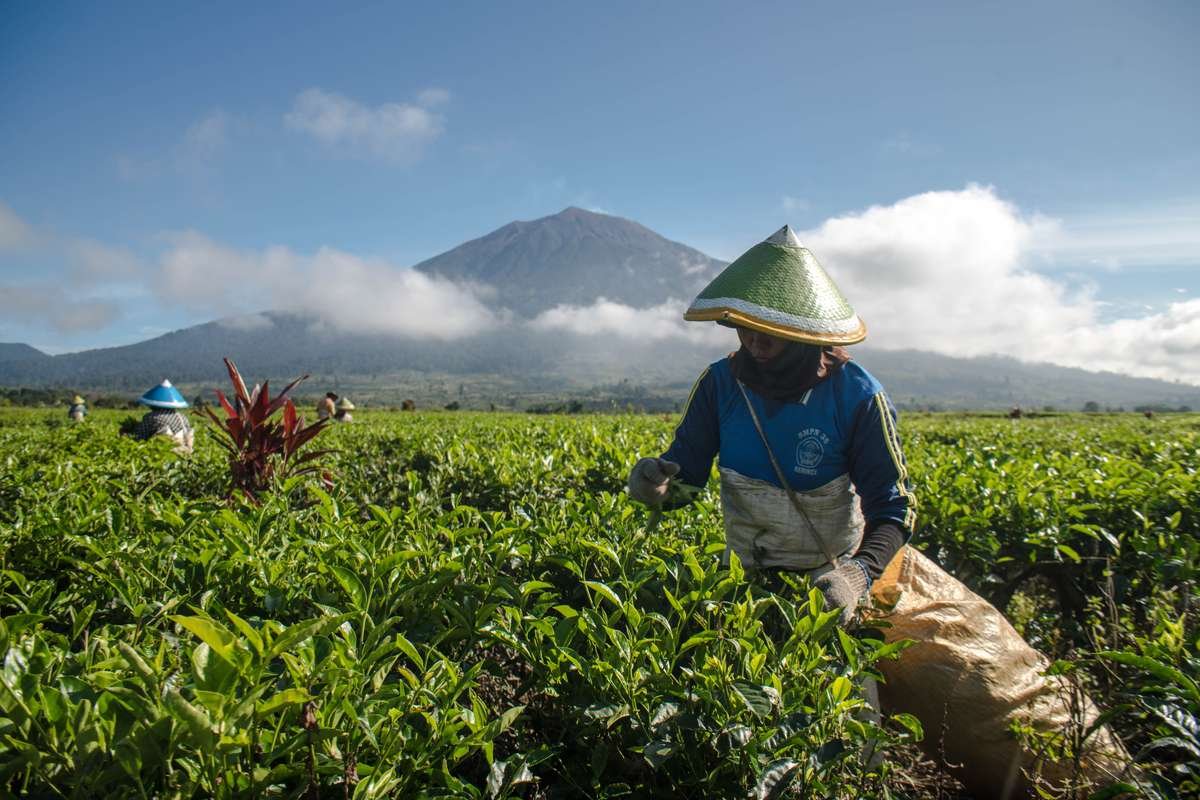
- Annual Production: 595,000 tons
Indonesia grows tea across Java, Sumatra, and parts of Sulawesi. The country produces black tea, green tea, and specialty teas with mild and earthy flavors. Tea regions enjoy volcanic soil, high altitude zones, and well-developed plantation systems. Indonesian teas offer antioxidants that may support digestion and reduce cell damage. Indonesia maintains its production levels through a mix of private estates and community growers who farm on slopes and highland fields.
8. Bangladesh
- Annual Production: 440,000 tons
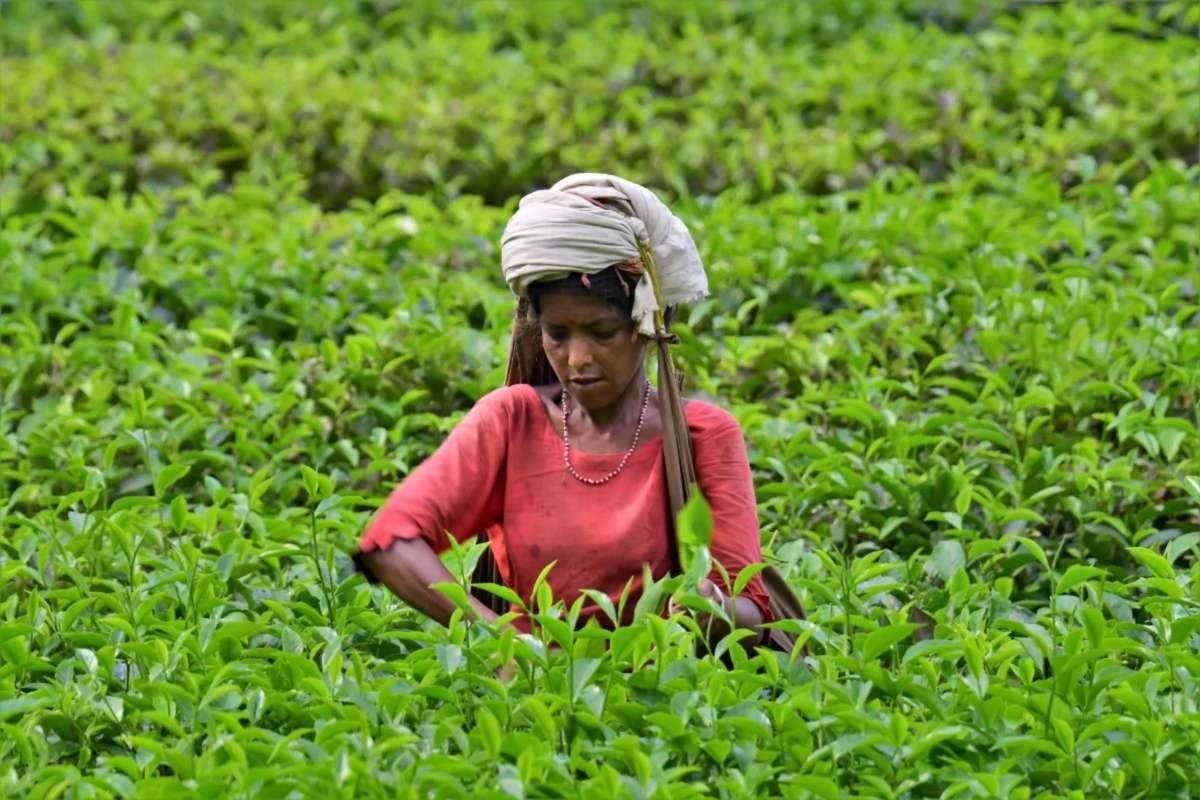
Bangladesh grows tea in Sylhet, Moulvibazar, Habiganj, and the Chittagong Hill Tracts. These regions stay warm and humid, which helps tea bushes grow thick and strong. Bangladesh produces black tea that contains antioxidants supporting energy and gut health. The country exports part of its tea but keeps a large share for local use. Growing investment and new processing units help improve tea quality and maintain high volumes.
9. Argentina

- Annual Production: 355,144 tons
Argentina leads tea production in South America and grows tea mainly in Misiones and Corrientes. These regions offer rich red soil and steady rain that help farms produce large amounts of black and green tea. Argentine tea often goes into iced tea blends and ready-to-drink products. These teas support hydration and may aid digestion due to their polyphenols. Argentina produces large volumes because farms operate at scale and work with big processing centers.
10. Uganda
- Annual Production: 326,000 tons
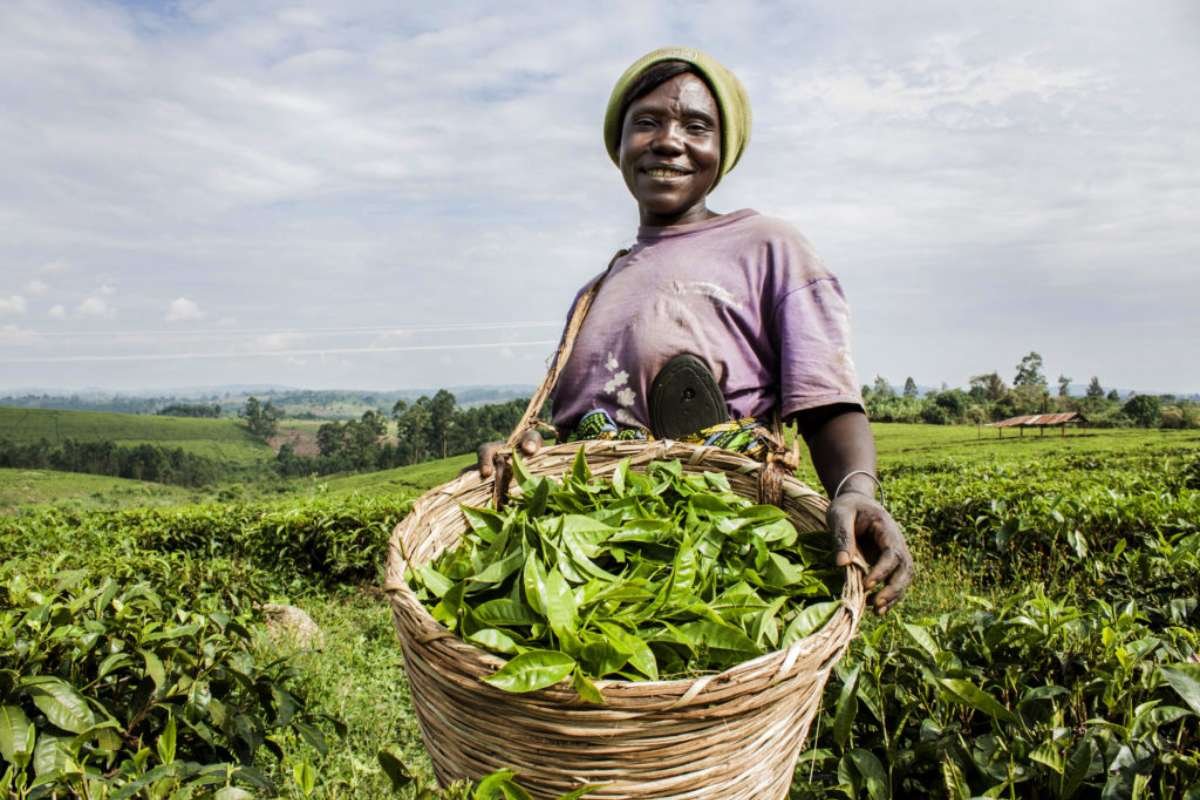
Uganda grows tea across Kyenjojo, Bushenyi, Fort Portal, and the western highlands. The country produces mainly black tea, known for its strong taste and high antioxidant levels. Uganda’s high altitude and cool air support year-round production. Farmers use community-based systems that help them share tools and knowledge. These systems, along with fertile land, make Uganda one of the largest tea-producing countries in the world.
Current Outlook of the Global Tea Market
The global tea market continues to grow because more people choose tea for its taste, low cost, and health benefits. Many countries in Asia, Africa, and South America increase their supply each year, but some regions face weather risks that affect production. According to research done by Grand Market Horizons, the global tea market is projected to reach USD 24,611.9 million by 2030
Demand also rises for green tea, herbal tea, and flavored blends with added wellness benefits. Many young consumers buy tea through online stores, which boosts global sales. Producers invest in better machines, stronger supply chains, and new packaging to match this demand. Markets in Asia lead in both consumption and production, while Africa grows faster due to strong export activity. These trends push several regions, especially the largest tea-producing countries in the world, to expand their planted areas.
Climate change remains a challenge. Heat waves, floods, and irregular rainfall reduce yields in some major producing countries. Tea prices may rise during years with severe weather, which makes supply less predictable. Companies respond by using drought-resistant plants and better irrigation systems. These changes help protect production volumes and steady the market.
Specialty tea becomes a major growth area. Consumers want teas like matcha, oolong, pu-erh, white tea, and premium black teas from single estates. Many buyers look for teas with clear origin information and sustainable farming practices. Producers also focus on functional blends with added herbs for stress relief, sleep support, and metabolism. This shift helps raise the overall value of the global tea market and increases competition among brands.
Trade patterns continue to shift as more countries export to new regions. Asia expands trade links to the Middle East, Europe, and North America. Africa increases exports to Asia and Russia. South America grows as a niche supplier. These moves help stabilize supply around the largest tea-producing countries in the world, even when one region faces shortages. Most experts expect stable long-term growth because tea remains one of the most consumed drinks worldwide.
Why is Tea Popular Across the World?
Tea stays popular because people enjoy its taste, simple preparation, and strong cultural value. Many families drink tea every day, and each region adds its own style. The largest tea-producing countries in the world help spread different flavors, which makes tea easy to enjoy in many forms. People also choose tea because it fits both calm moments and social settings.
Tea offers many health benefits, which increases its global demand. Green tea contains catechins that may support metabolism and protect cells from damage. Black tea has theaflavins that may support heart health and blood flow. Herbal teas like chamomile and peppermint may help with sleep, stress, and digestion. Oolong and white teas contain antioxidants that support immunity and steady energy levels. These benefits make tea a daily drink for people who want simple wellness support.
Tea stays affordable for most households. You can prepare it with hot water and a few leaves, which makes it a practical drink for all age groups. Many people also switch to tea as a lighter option compared to sugary drinks. This shift raises demand across markets, especially as the largest tea-producing countries in the world create new blends each year.
Conclusion:
Tea remains one of the most loved drinks across the world. Each country on this list brings its own soil, climate, and farming style to the global market. These differences create unique flavors and steady demand. Many regions are now improving their farming systems to match new trends and rising consumption. As long as people continue to enjoy tea daily, the largest tea-producing countries in the world will keep shaping global supply and taste.
Also Read : How Much Does The Most Expensive Tea in the World Cost? These 12 Will Surprise You
FAQs
1. How does tea production impact a country’s economy?
Tea contributes to exports, creates jobs, supports rural communities, and boosts tourism in regions known for their plantations.
2. Which country exports the most tea?
Kenya is one of the top tea exporters globally, despite not being the largest producer, because it exports most of its total output.
3. Are the largest tea-producing countries in the world also the largest tea consumers?
Not always. China and India consume a large portion of their own production, but other top producers export most of their tea to global markets.