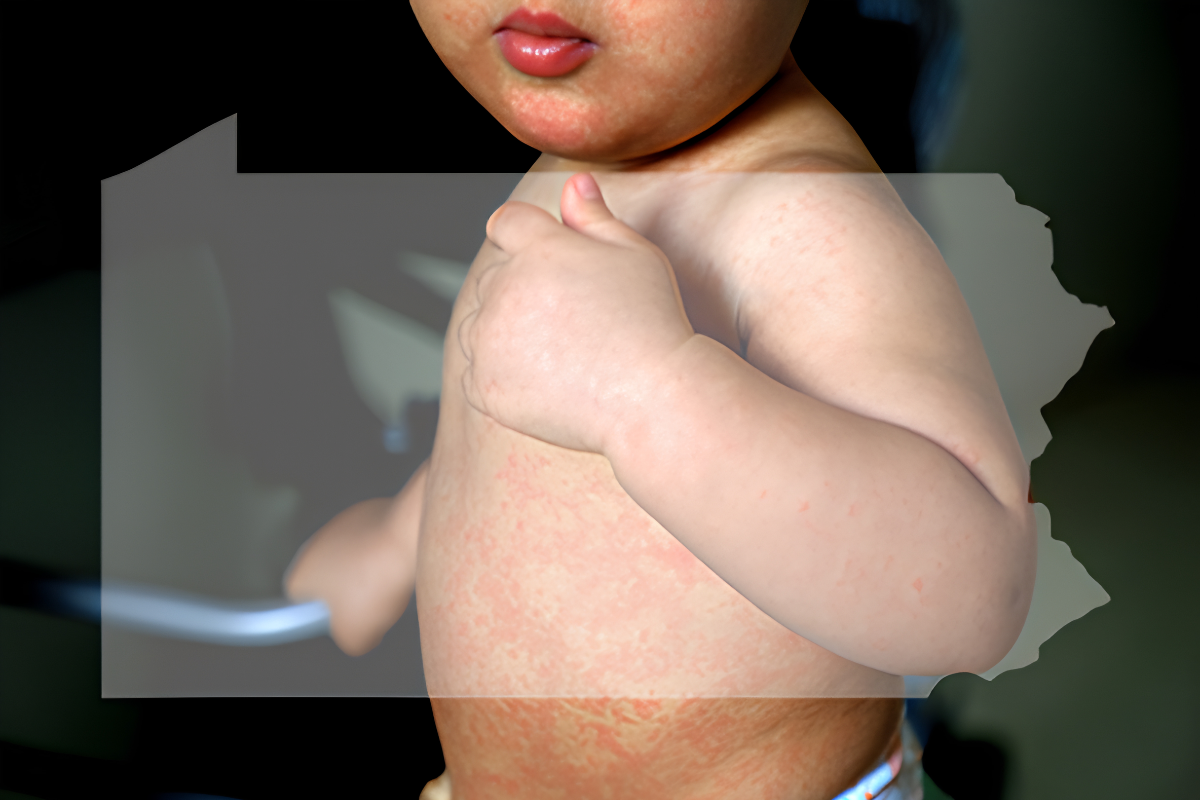
The Food and Drug Administration has begun a safety RSV drug review of two approved RSV drugs for infants as Health Secretary Robert F. Kennedy Jr. increases scrutiny of immunizations, though no safety issues have been reported, according to drugmakers.
FDA Launches Review Amid Rising Questions
The FDA is assessing available data on Beyfortus from Sanofi and AstraZeneca, and Enflonsia from Merck, after Reuters reported the RSV drug review. The agency has not indicated any change in labeling or availability.
Andrew Nixon, a spokesperson for the Department of Health and Human Services, said the FDA is “rigorously reviewing the available data, as it does for all products, to ensure decisions remain rooted in evidence-based science and in the best interest of patients.” He said the agency routinely evaluates emerging safety information and updates labels when necessary.
Both products are monoclonal antibodies used for passive immunization. They are recommended for infants under eight months entering their first RSV season, with Beyfortus also recommended for older high-risk infants.
Drugmakers Defend Safety Records
Sanofi said in an emailed statement that Beyfortus has been shown to be safe and effective in more than fifty clinical and real-world studies involving over four hundred thousand infants. The company said no safety signals have emerged from clinical trials or post-marketing experience involving more than six million babies.
A Merck spokesperson said the bar for demonstrating safety for vaccines and preventive therapies “is exceptionally, and appropriately, high.” The company met with FDA officials last week and said it welcomes continued scientific dialogue about Enflonsia and its safety profile.
It remains unclear whether the FDA will alter product labels or restrict their use. Both therapies are part of the Centers for Disease Control and Prevention’s childhood immunization schedule.
Experts Warn of Impact on Immunization Efforts
Dr. Sean O’Leary, a pediatric infectious disease specialist and spokesman for the American Academy of Pediatrics, said he believes the RSV drug review reflects an effort to “sow distrust” in immunizations. He warned that changes to RSV recommendations would reduce access to preventive care.
“I certainly hope nothing regulatory comes of this, because there’s no basis for it,” O’Leary said. “This systematic attempt to dismantle our immunization infrastructure is causing real harm in real time, in creating confusion among parents and even among clinicians.”
O’Leary said limiting access to RSV injections would lead to fewer protected infants and more hospitalizations. The CDC estimates that two to three of every 100 infants under six months are hospitalized with RSV each year. Although most infections cause mild symptoms, the virus can lead to pneumonia and bronchiolitis.
The CDC has reported rising RSV activity in parts of the United States as winter approaches. O’Leary said the drugs have already shown “profound impacts on hospitalizations for young children.”
The FDA has not offered a timeline for completing its RSV drug review.
Also Read :- Healthcare 360 Magazine