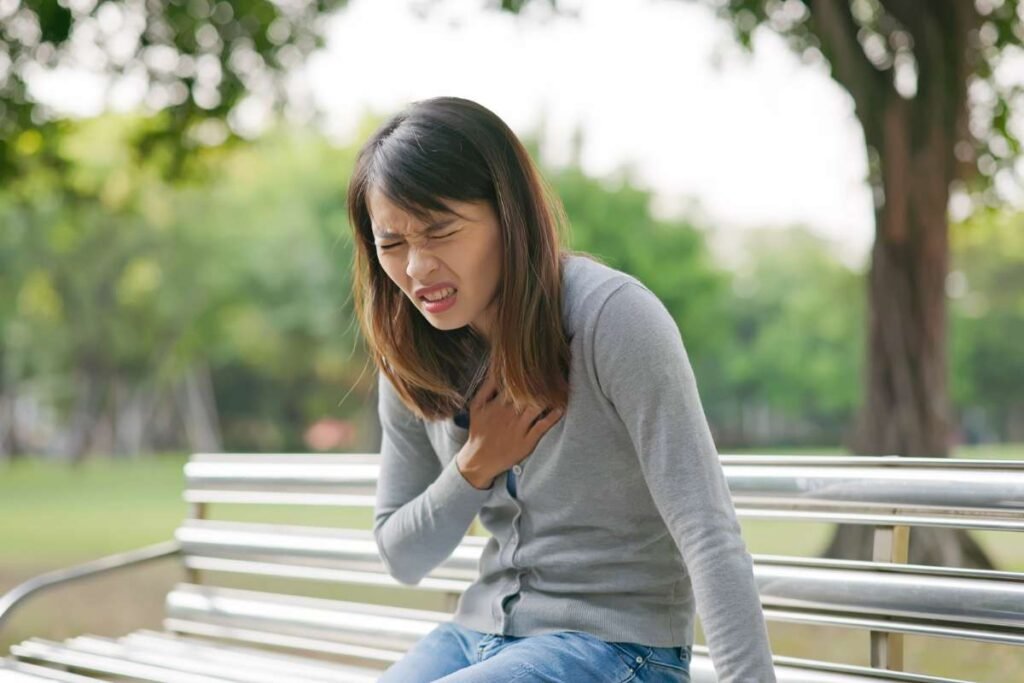
Heart disease doesn’t always announce itself loudly, especially in women. Yet it remains the leading cause of death among women worldwide, claiming more lives each year than all major cancers combined. What makes this even more concerning is that many women don’t realize they’re at risk, largely because heart attack symptoms in women often look nothing like the “classic” signs we’ve all been taught to expect.
This is where understanding the warning signs of a heart attack for women becomes so important. Instead of sudden, crushing chest pain, women may experience ongoing fatigue that feels unusual, shortness of breath during everyday activities, nausea, jaw or back discomfort, or a vague sense that something isn’t right. In many cases, these symptoms appear days or even weeks before a heart attack but are brushed off as stress, indigestion, or exhaustion.
The reality is simple: heart attacks in women are often quieter, but no less serious. Recognizing the warning signs of a heart attack for women can lead to faster treatment, better outcomes, and saved lives. Paying attention to subtle changes in your body isn’t overreacting; it’s being informed, prepared, and proactive about your health.
How Heart Attack Symptoms Differ in Women vs Men?
Heart attacks don’t always look the same in everyone. While men often experience the “classic” sudden, crushing chest pain, women’s symptoms can be more subtle and sometimes surprising. These differences explain why the warning signs of a heart attack for women are frequently misunderstood or missed altogether.
Women are more likely to experience heart attacks caused by small vessel disease or microvascular blockages, which can be harder to detect on standard tests like an ECG. Because of this, symptoms can be vague, leading many women to underestimate the seriousness of what’s happening.
Research also shows that women are more likely than men to delay seeking medical care during a heart attack. Some may attribute discomfort to stress, indigestion, or simple fatigue, while others may feel pressure to “push through” instead of asking for help.
Understanding these differences is crucial: knowing that a heart attack in women can present quietly and atypically is the first step toward early detection and lifesaving action.
10 Common Warning Signs of a Heart Attack for Women
Recognizing the warning signs of a heart attack for women can truly be life‑saving. Studies show that women often experience symptoms that are subtle, varied, or easily mistaken for minor ailments, and this lack of awareness can lead to dangerous delays in treatment. The study discovered that 45% of women were not aware that the leading cause of death for women in the United States is heart disease. Women from ethnic minorities and those with less education and wealth had lower awareness levels.
Here are the ten most common warning signs you should never ignore:
1. Chest Discomfort
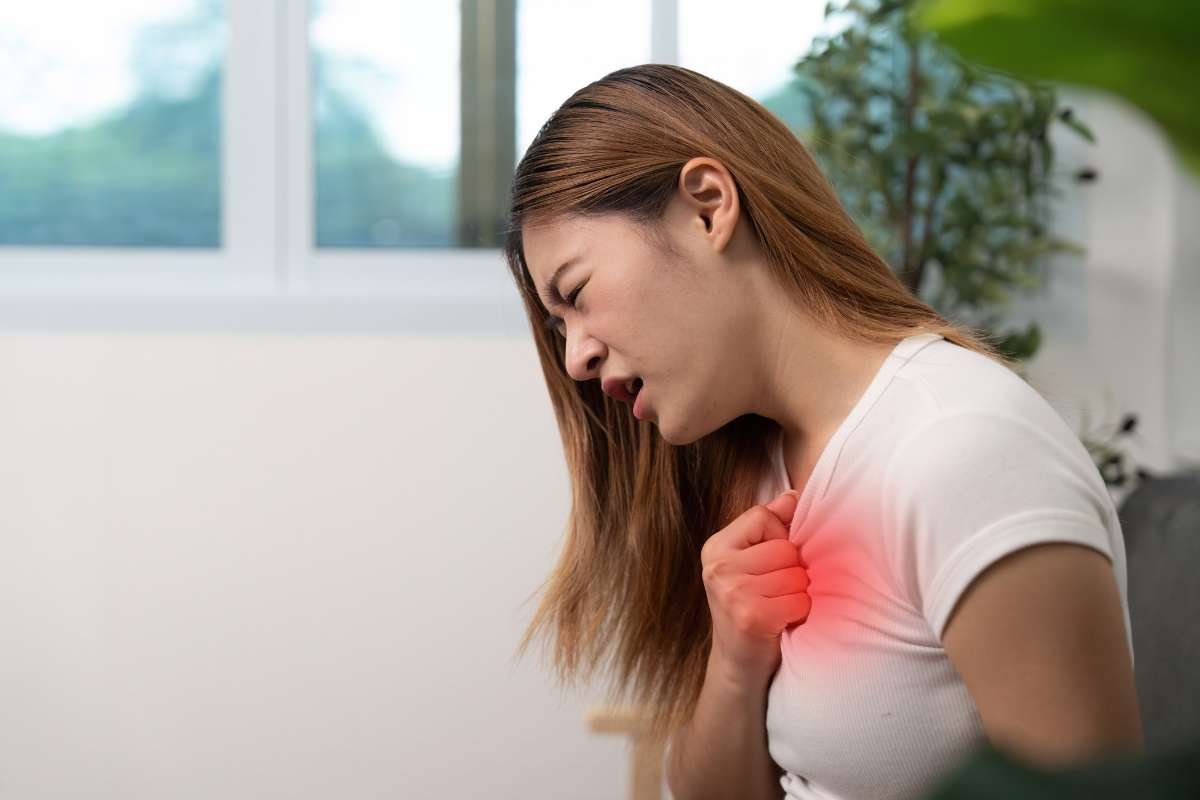
Chest discomfort remains one of the most common warning signs, but in women, it rarely presents as sharp or crushing pain. Instead of intense pain, it may feel like:
- A dull pressure or tight band around the chest
- A squeezing or heavy sensation
- Discomfort that comes and goes rather than staying constant
This type of discomfort often occurs because women may experience reduced blood flow in smaller coronary vessels, not just major arteries. The sensation may worsen with stress or exertion and ease with rest, making it easy to mistake for muscle strain or acidity. Because the pain is inconsistent or mild, many women delay seeking help, sometimes for hours or even days.
2. Shortness of Breath

Shortness of breath can appear suddenly or build gradually over time. Women often describe:
- Feeling winded after minimal activity
- Difficulty catching their breath while resting or lying down
- A sensation of chest tightness without noticeable pain
This happens when the heart cannot pump blood efficiently, leading to reduced oxygen delivery to the lungs. Shortness of breath may also appear during sleep or wake a woman suddenly at night. Because it can resemble anxiety or asthma, it’s often brushed off—especially when it occurs without chest discomfort.
3. Unusual or Extreme Fatigue

Unexplained fatigue is one of the most common early warning signs reported by women. This fatigue feels different from everyday tiredness and may include:
- A sudden, noticeable drop in energy
- Feeling drained after routine tasks
- Needing frequent rest throughout the day
This occurs because the heart is working harder to maintain circulation. Many women report this type of fatigue days or even weeks before a heart attack, but attribute it to lack of sleep, stress, or overwork. When fatigue is persistent and unusual, it should be treated as a warning sign—not ignored.
4. Pain in the Neck, Jaw, Shoulder, Back, or Arm

Heart-related pain in women often appears as referred pain, meaning discomfort is felt away from the chest. Women may experience:
- Jaw pain or pressure that feels like a dental issue
- A dull ache or burning sensation in the upper back
- Shoulder or arm pain that feels deep rather than muscular
This happens because pain signals from the heart travel along nerve pathways shared with other parts of the body. Because these sensations don’t feel heart-related, women frequently assume they are due to posture, tension, or physical strain.
5. Nausea, Vomiting, or Indigestion

Gastrointestinal symptoms are particularly common during heart attacks in women. These may include:
- Persistent nausea without an obvious cause
- Vomiting or retching
- Heartburn-like discomfort or pressure in the upper abdomen
The close connection between the heart and digestive system can trigger these sensations. Unfortunately, many women self-treat with antacids or home remedies, delaying emergency care. When digestive symptoms appear suddenly or alongside other warning signs, they should never be ignored.
6. Cold Sweats

Cold sweats during a heart attack feel very different from sweating due to heat or exercise. Women often notice:
- Sudden clamminess or damp skin
- A cold, pale appearance
- Sweating that starts without warning
This reaction occurs when the body enters a stress response due to reduced blood flow. Cold sweats are especially concerning when paired with nausea, dizziness, or chest discomfort and often indicate a medical emergency.
7. Lightheadedness or Dizziness

Dizziness may start subtly and intensify quickly. Women may experience:
- Feeling faint or unsteady
- Sudden balance issues
- A sense that they might pass out
This happens when the brain receives less oxygenated blood. Because dizziness is common with dehydration or low blood sugar, many women overlook it. However, dizziness combined with other symptoms can signal a serious cardiac problem.
8. Sleep Disturbances

Changes in sleep patterns can be an early and often overlooked warning sign. Women may notice:
- Difficulty falling or staying asleep
- Restless or fragmented sleep
- Waking up feeling short of breath or uncomfortable
These sleep disturbances may occur days before a heart attack and reflect increased cardiac stress. Poor sleep combined with fatigue and anxiety should be taken seriously.
9. Anxiety or Feeling of Doom

Some women report emotional or psychological symptoms before or during a heart attack, including:
- Sudden anxiety or panic
- A strong feeling that something is wrong
- Emotional distress without an obvious trigger
These feelings may be caused by hormonal and nervous system responses to reduced blood flow. Because the symptoms feel mental rather than physical, women may not associate them with heart trouble.
10. Unexplained Weakness

Sudden weakness can affect the entire body or specific limbs. Women may experience:
- Difficulty lifting or holding objects
- Heavy or weak arms and legs
- A general sense of physical instability
This weakness occurs when muscles don’t receive enough oxygen. Many women attribute it to fatigue or illness, but when weakness appears suddenly or alongside other symptoms, it should be treated as a warning sign.
These ten warning signs form a broader, more complex picture of how heart attacks can present in women and why understanding them matters. Early recognition means faster care, better outcomes, and, in many cases, lives saved.
Early Warning Signs Women Often Ignore
Many women dismiss early symptoms because they don’t resemble what a heart attack is “supposed” to feel like. Unfortunately, ignoring early warning signs of a heart attack for women leads to delayed treatment and poorer outcomes. Recent research indicates that nearly half of women experiencing heart attack symptoms delay seeking help because they assume the signs are related to stress, fatigue, or minor health issues.
Here are some of the Early Warning Signs that Women often Overlook:
- Mild or Intermittent Chest Discomfort: Unlike the sudden, severe chest pain often depicted in the media, women may feel mild pressure or tightness that comes and goes. Because it’s not intense, it’s frequently ignored, but even fleeting discomfort can signal blocked arteries or heart strain.
- Unusual Fatigue That Lingers: Persistent tiredness that doesn’t improve with rest is a major red flag. Women may feel exhausted even after a good night’s sleep or experience extreme fatigue after minor activities. Studies suggest that fatigue is one of the earliest signs of a heart attack in women, appearing days or even weeks in advance.
- Sleep Disturbances: Changes in sleep patterns, such as trouble falling asleep, waking up frequently, or feeling unrested, may indicate underlying heart stress. Women may ignore these signs, attributing them to aging, anxiety, or a busy lifestyle.
- Digestive or Stomach-Like Symptoms: Nausea, heartburn, or abdominal discomfort is often misattributed to diet or indigestion. However, up to 40% of women report these symptoms during a heart attack, sometimes without chest pain at all.
- Shortness of Breath During Routine Activity: Even light activities like walking up stairs or doing household chores can leave women breathless. This symptom is often overlooked, especially if it develops gradually over days or weeks.
- Pain in the Neck, Jaw, or Upper Back: Referred pain in these areas can be mistaken for muscle strain or stress. Women are twice as likely as men to report jaw or upper back pain during a heart attack, making it crucial to recognize this symptom early.
- Cold Sweats or Lightheadedness: Unexplained sweating or dizziness can signal reduced blood flow to the heart. Women sometimes dismiss these signs as dehydration or low blood sugar, delaying urgent care.
- Anxiety or a Sense of Doom: Some women experience sudden, intense anxiety or a feeling that something is seriously wrong. While these symptoms may feel emotional, they can actually be a response to cardiac distress.
Risk Factors That Increase Heart Attack Risk in Women
While symptoms matter, understanding risk factors helps identify who is most vulnerable to developing the warning signs of a heart attack for women.
1. Age and Menopause
Heart attack risk increases with age, especially after menopause. The decline in estrogen levels can affect blood vessels, increasing the likelihood of arterial plaque buildup. Studies show that women over 55 have a significantly higher risk of heart disease compared to younger women.
2. Diabetes and High Blood Pressure
Women with diabetes are at a four to six times higher risk of heart attack than women without diabetes. Similarly, high blood pressure (hypertension) puts extra strain on the heart and arteries, making heart attacks more likely.
3.High Cholesterol
Elevated levels of LDL (“bad”) cholesterol and low levels of HDL (“good”) cholesterol contribute to plaque formation in arteries. Women with high cholesterol are more likely to experience blocked arteries and cardiac events.
4. Smoking and Sedentary Lifestyle
Cigarette smoking damages blood vessels and accelerates plaque buildup. Combined with a sedentary lifestyle, it significantly raises the risk of heart attacks. Research indicates that women who smoke are 25% more likely to experience a heart attack than men who smoke, highlighting gender-specific vulnerability.
5. Stress and Mental Health
Chronic stress, anxiety, and depression have been linked to increased heart attack risk in women. Emotional stress can trigger inflammatory responses, raise blood pressure, and even contribute to sudden cardiac events.
6. Pregnancy-Related Conditions
Certain pregnancy complications increase long-term heart disease risk:
- Preeclampsia (high blood pressure during pregnancy)
- Gestational diabetes
- Preterm birth or low birth weight infants
Women who experience these conditions should monitor their heart health closely in the years following pregnancy.
7. Autoimmune Diseases
Autoimmune disorders like lupus or rheumatoid arthritis are more common in women and are associated with higher cardiovascular risk. Chronic inflammation from these conditions can accelerate plaque buildup in arteries.
What to Do If You Suspect a Heart Attack?
Recognizing the warning signs of a heart attack for women is crucial, but knowing how to respond can save lives. Quick, calm, and informed action is key.
Call Emergency Services Immediately: The first and most important step is to call emergency services (for example, 911 in the U.S.). Do not attempt to drive yourself to the hospital. Emergency responders can provide lifesaving care on the way and alert the hospital in advance.
Sit or Lie Down Safely: Rest in a comfortable position to reduce strain on your heart. Avoid physical activity or exertion until help arrives.
Take Medication If Prescribed: If you have nitroglycerin or other heart medications prescribed for chest discomfort, take them as directed. Do not self-medicate with unapproved drugs.
Stay Calm and Monitor Symptoms: Try to remain calm while waiting for help. Note your symptoms, when they started, and any triggers or patterns. This information is extremely helpful for medical professionals.
Advocate for Yourself: Women are sometimes underdiagnosed or dismissed when presenting with subtle heart attack symptoms. Clearly communicate your concerns and symptoms to healthcare providers, and insist on a thorough evaluation if something feels wrong.
Diagnosis Challenges in Women
Heart attacks in women are frequently underdiagnosed because symptoms don’t always align with textbook definitions. Many diagnostic tools may initially appear normal, especially in microvascular disease, even when the warning signs of a heart attack for women are present.
1. Atypical Symptoms
Women may present with:
- Fatigue or exhaustion
- Nausea or indigestion
- Jaw, neck, or back pain
- Shortness of breath
These symptoms can be mistaken for stress, gastrointestinal issues, or musculoskeletal pain, making an accurate diagnosis more challenging.
2. Standard Tests May Miss Early Signs
Common diagnostic tools like ECGs and blood tests may sometimes appear normal in women, particularly if the heart attack involves smaller arteries or microvascular disease. As a result, women may require:
- Advanced imaging tests
- Stress tests
- Cardiac CT scans or angiography
3. Importance of Advocacy
Because diagnosis can be tricky, women should feel empowered to:
- Ask questions about test results
- Request additional testing if symptoms persist
- Seek second opinions if something feels wrong
Research indicates that women who advocate for themselves are more likely to receive timely and accurate diagnoses, leading to better outcomes.
4. Why Awareness Matters
Understanding that heart attacks can present differently in women is critical not just for women themselves, but for families, caregivers, and healthcare providers. Recognizing subtle signs, knowing risk factors, and taking action quickly can dramatically improve survival rates.
Preventive Steps to Reduce Heart Attack Risk
Prevention is one of the most powerful tools women have when it comes to heart health. While understanding the warning signs of a heart attack for women is crucial, taking proactive steps can significantly reduce the risk of a cardiac event.
1. Follow a Heart-Healthy Diet
Eating well supports cardiovascular health. Focus on:
- Fresh fruits and vegetables
- Whole grains
- Lean proteins like fish and poultry
- Healthy fats from nuts, seeds, and olive oil
- Limiting processed foods, added sugar, and excessive salt.
Studies show that women who maintain a balanced diet are up to 30% less likely to develop heart disease.
2. Stay Physically Active
Regular exercise strengthens the heart and improves circulation. Aim for:
- At least 150 minutes of moderate activity per week, such as brisk walking, cycling, or swimming
- Strength training twice a week
Even small lifestyle changes, like taking the stairs or short walking breaks, can make a difference.
3. Manage Stress
Chronic stress contributes to heart disease risk by raising blood pressure and triggering inflammation. Strategies to manage stress include:
- Mindfulness or meditation
- Yoga or gentle stretching
- Talking with friends, family, or a therapist
Studies suggest that stress management can reduce heart attack risk by 20–30% in high-risk women.
4. Regular Health Screenings
Routine check-ups can catch risk factors early:
- Blood pressure monitoring
- Cholesterol and blood sugar tests
- Heart health assessments, especially after age 40 or menopause
Early detection of hypertension, diabetes, or high cholesterol allows for timely interventions.
5. Avoid Smoking and Limit Alcohol
Smoking damages blood vessels and accelerates plaque buildup, while excessive alcohol raises blood pressure. Quitting smoking and moderating alcohol intake are among the most effective preventive measures.
Conclusion:
Heart attacks in women often don’t look like what we expect. Symptoms can be subtle, unusual, or easily mistaken for stress, fatigue, or minor health issues. That’s why awareness is critical. Understanding the warning signs of a heart attack for women, recognizing personal risk factors, and taking preventive measures can literally save lives.
The most important message is simple: trust your instincts. If something feels off, whether it’s fatigue, shortness of breath, nausea, or unexplained discomfort, don’t dismiss it. Acting quickly by seeking medical help can prevent serious complications and improve survival rates.
Being proactive about heart health isn’t just about avoiding disease; it’s about empowering yourself with knowledge, listening to your body, and taking action when it matters most. Every small step counts, from eating well and staying active to paying attention to subtle warning signs. Your heart speaks, learn to hear it, and act before it’s too late.