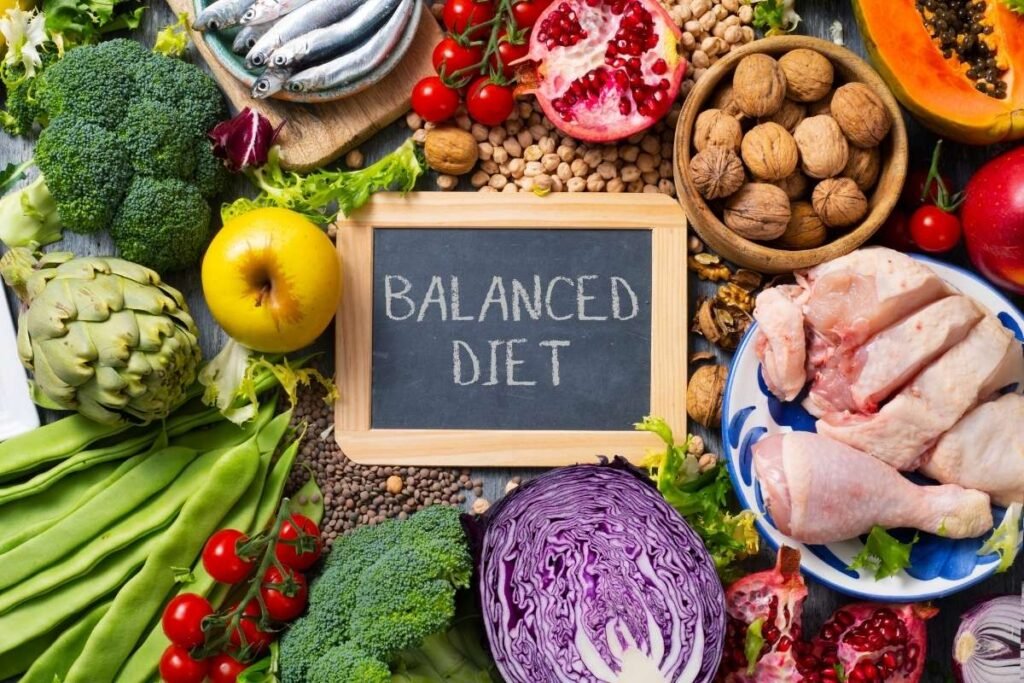
Eating well does not have to feel confusing or restrictive. The basics of a balanced diet focus on giving your body the nutrients it needs to function, stay energized, and remain healthy over time. When meals include the right mix of carbohydrates, proteins, fats, vitamins, and minerals, they support everything from brain function to immunity and digestion.
Understanding the basics of a balanced diet helps you make better food choices without following extreme rules or trends. It is about balance, portion awareness, and consistency rather than perfection. By learning these fundamentals, you can build eating habits that fit your lifestyle and support long-term well-being.
What is a Balanced Diet?
A balanced diet means eating the right types of foods in the right amounts. It gives your body the energy and nutrients it needs each day. These nutrients help you grow, repair tissues, and stay active. They also support your brain, muscles, and immune system.
A balanced diet includes foods from all major food groups. Each group provides a different benefit. No single food can give your body everything it needs. Variety matters more than strict rules.
Eating a balanced diet does not mean cutting out foods completely. It means choosing mostly nourishing foods while limiting excess sugar, salt, and processed items. Simple daily choices shape long-term health. A balanced diet also changes with age, activity level, and health needs. A child, an athlete, and an older adult need different portions. Still, the basic structure stays the same for everyone.
Understanding the Basics of a Balanced Diet and Its Importance
A balanced diet includes carbohydrates, proteins, fats, vitamins, minerals, fiber, and water. Each component supports a specific body function. Missing the basics of a balanced diet can affect how your body works. Eating them together helps your body absorb nutrients better.
1. Carbohydrates

Carbohydrates are the body’s main source of energy. They fuel your brain, muscles, and daily activities. When you eat carbs, your body turns them into glucose. This glucose keeps you alert and active. Choose complex carbohydrates more often. These include whole grains, oats, brown rice, fruits, and vegetables. They release energy slowly and keep you full longer. They also support stable blood sugar levels.
Limit refined carbohydrates like white bread, pastries, and sugary drinks. These cause quick energy spikes followed by crashes. Over time, they can affect weight and metabolic health.
Carbohydrates should make up a large part of your daily meals. Focus on quality rather than cutting them out. Your body needs steady energy to function well.
| Type | Sources |
| Whole grains | Brown rice, oats, whole wheat, millets |
| Fruits | Banana, apple, mango, berries |
| Vegetables | Potato, sweet potato, corn |
| Legumes | Lentils, chickpeas, beans |
2. Proteins
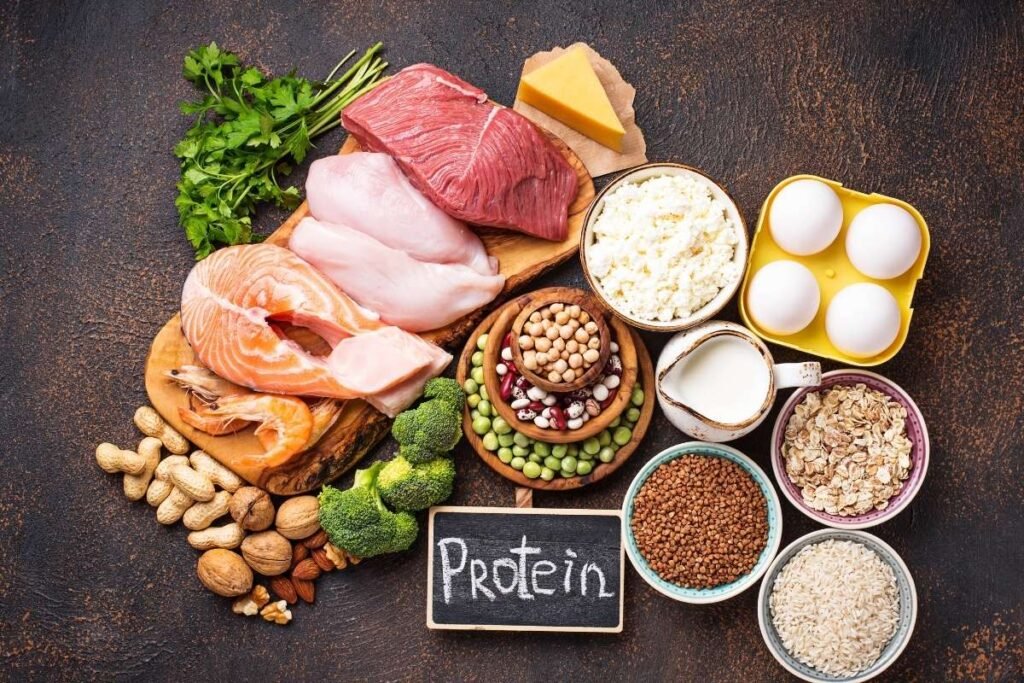
Proteins help build and repair body tissues. They support muscle growth, immune health, and hormone production. Your body also uses protein to make enzymes and antibodies.
Good protein sources include eggs, dairy, legumes, nuts, seeds, fish, and lean meats. Plant-based proteins also provide fiber and minerals. Mixing different sources improves nutrient intake. Protein helps you feel full for longer periods. This can reduce frequent snacking and overeating. Including protein in every meal supports better appetite control.
Children, pregnant women, and active adults often need more protein. Still, balance matters. Very high protein intake without other nutrients can strain the body.
| Type | Vegetarian Sources | Non-Vegetarian Sources |
| High-protein foods | Lentils, beans, tofu, paneer | Chicken, fish, eggs |
| Dairy-based | Milk, yogurt, cheese | Milk, yogurt |
| Nuts and seeds | Almonds, peanuts, chia seeds | Nuts with eggs or meat |
| Whole foods | Soy products, quinoa | Lean meats, seafood |
3. Fats
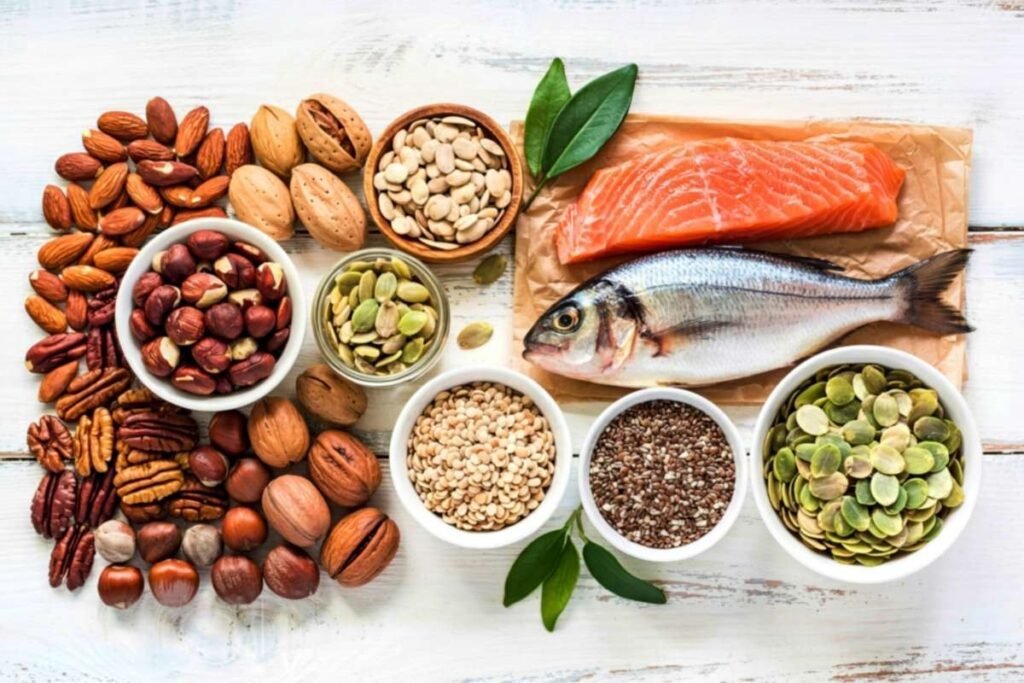
Fats provide concentrated energy and help absorb vitamins A, D, E, and K. They also protect organs and support brain health. Your body needs fat to function properly.
Healthy fats include nuts, seeds, avocados, olive oil, and fatty fish. These fats support heart health and reduce inflammation. They also improve cholesterol balance. Limit trans fats and excess saturated fats. These are common in fried foods, baked snacks, and processed items. High intake can affect heart health over time.
Fat should not be avoided. Instead, focus on portion control and quality. Small amounts of healthy fats improve meal satisfaction and nutrition.
4. Vitamins
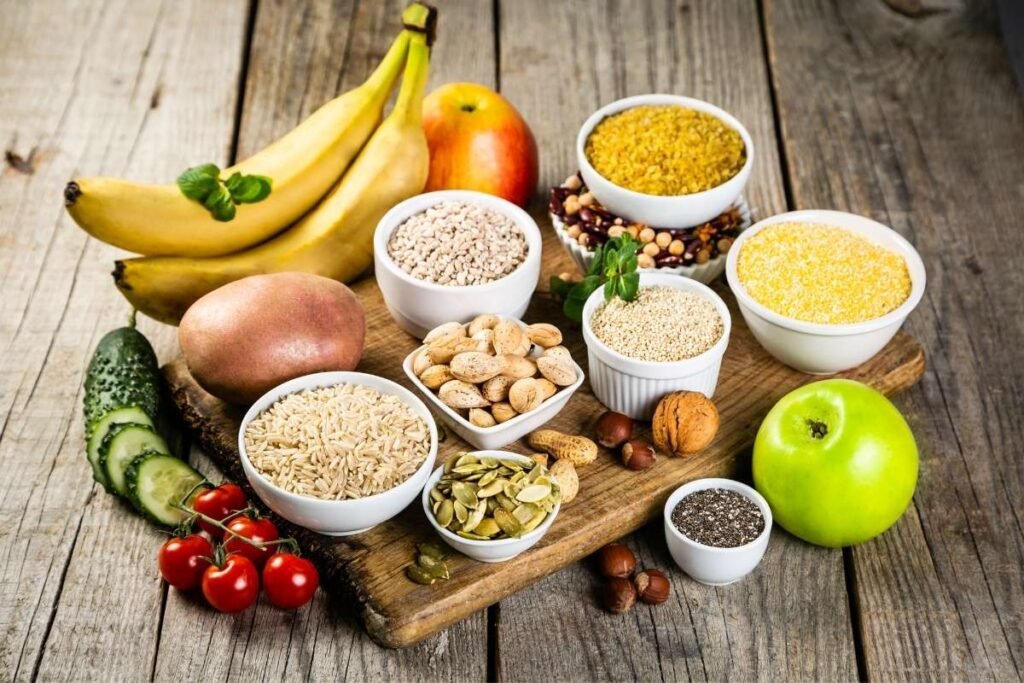
Vitamins support growth, immunity, vision, and energy use. Each vitamin has a specific role in the body. Some help heal wounds, while others protect cells from damage.
Fruits and vegetables are rich in vitamins. Different colors provide different vitamins. For example, citrus fruits provide vitamin C, while leafy greens provide vitamin K.
Fat-soluble vitamins need dietary fat for absorption. Water-soluble vitamins need regular intake since the body does not store them well. Covering the basics of a balanced diet helps with these needs. Vitamin deficiencies can cause fatigue, weak immunity, and poor skin health. Eating fresh, whole foods reduces this risk naturally.
| Type | Vegetarian Sources | Non-Vegetarian Sources |
| Vitamin A | Carrot, pumpkin, spinach | Liver, egg yolk |
| Vitamin B group | Whole grains, legumes | Meat, fish, eggs |
| Vitamin C | Citrus fruits, guava, capsicum | Fish with lemon |
| Vitamin D | Fortified milk, mushrooms | Fatty fish, egg yolk |
| Vitamin K | Leafy greens | Meat, dairy |
5. Minerals

Minerals support bone health, nerve function, and fluid balance. They also help muscles contract and relax properly. Some minerals regulate heartbeat and blood pressure.
Calcium, iron, potassium, magnesium, and zinc are key minerals. Dairy, leafy greens, whole grains, nuts, seeds, and legumes provide many of them. Animal foods often supply iron and zinc. Iron supports oxygen transport in the blood. Calcium strengthens bones and teeth. Potassium supports heart and muscle function. Each mineral has a clear role.
Mineral needs vary by age and gender. The basics of a balanced diet usually meet daily needs without supplements. Whole foods remain the best source.
6. Fiber

Fiber supports digestion and gut health. It helps prevent constipation and supports regular bowel movements. Fiber also feeds healthy gut bacteria.
Soluble fiber helps control blood sugar and cholesterol. Insoluble fiber adds bulk to stool. Both types matter for overall health. Good fiber sources include whole grains, fruits, vegetables, legumes, nuts, and seeds. Processed foods often lack fiber. Eating whole foods improves intake naturally.
High fiber meals help you feel full longer. This supports weight management and steady energy throughout the day.
7. Water

The basics of a balanced diet should also cover hydration and the amount of water you should drink. Water supports every system in the body. It helps regulate temperature, transport nutrients, and remove waste. Even mild dehydration affects focus and energy.
Daily water needs vary by activity level and climate. Most people benefit from drinking water throughout the day. According to the National Health Service (NHS), people should aim to drink at least 6-8 cups of fluid every day. Fruits and vegetables also provide water. Soups and herbal teas add to fluid intake. Sugary drinks do not replace water needs.
Clear or light-colored urine often signals good hydration. Drinking small amounts often works better than large amounts at once.
Tips to Plan a Balanced Diet
Understanding the basics of a balanced diet can help you choose and plan your meals that meet the fundamental requirements of your body.
- Build Meals Around Whole Foods: Base most meals on vegetables, fruits, whole grains, and protein-rich foods. These provide more nutrients and steady energy than packaged items.
- Eat Regular Meals: Eat meals at regular times to maintain energy and control hunger. Skipping meals often leads to overeating later.
- Watch Portion Sizes: Even healthy foods need proper portions to support digestion and energy balance. Use your plate as a simple guide for balance.
- Limit Added Sugar and Salt: Too much sugar and salt can affect energy and heart health. Cooking at home helps you control both easily.
- Plan Ahead: Simple meal planning reduces stress and unhealthy choices. Preparing basic ingredients saves time during busy days.
- Listen to Your Body: Pay attention to hunger, fullness, and energy levels. Adjust food choices based on how meals make you feel.
| Time of Day | Meal | Food Items | Nutritional Focus |
| Early Morning | Hydration + Fats | Warm water, soaked almonds or walnuts | Hydration, healthy fats |
| Breakfast | Balanced Meal | Vegetable omelet, whole grain toast, fresh fruit | Protein, fiber, vitamins |
| Mid-Morning Snack | Light Snack | Fruit with yogurt or roasted chana | Protein, fiber |
| Lunch | Main Meal | Brown rice or roti, lentils or chicken, vegetables, curd | Carbs, protein, fiber, probiotics |
| Evening Snack | Energy Boost | Nuts and seeds, herbal tea | Healthy fats, minerals |
| Dinner | Light Balanced Meal | Grilled fish or paneer, vegetables, quinoa, or millet | Protein, fiber |
| Before Bed (Optional) | Relaxation | Warm milk or herbal tea | Hydration, calm digestion |
Conclusion:
Healthy eating becomes simpler when you focus on balance instead of perfection. The basics of a balanced diet guide you toward meals that support steady energy, better digestion, and long-term health. Small choices, like adding more vegetables, choosing whole foods, and staying mindful of portions, build habits that last. When you eat with balance in mind, food stops feeling confusing and starts working for you.
FAQs
1. What are the basics of a balanced diet?
The basics include eating a mix of carbohydrates, proteins, healthy fats, vitamins, minerals, and enough water. Each nutrient supports a different body function.
2. Do I need to follow a strict meal plan to eat a balanced diet?
No. A balanced diet allows flexibility. You can enjoy a variety of foods while keeping portions and nutrients in mind.
3. Is a balanced diet the same for everyone?
The core principles are the same, but needs can vary based on age, activity level, and health goals.