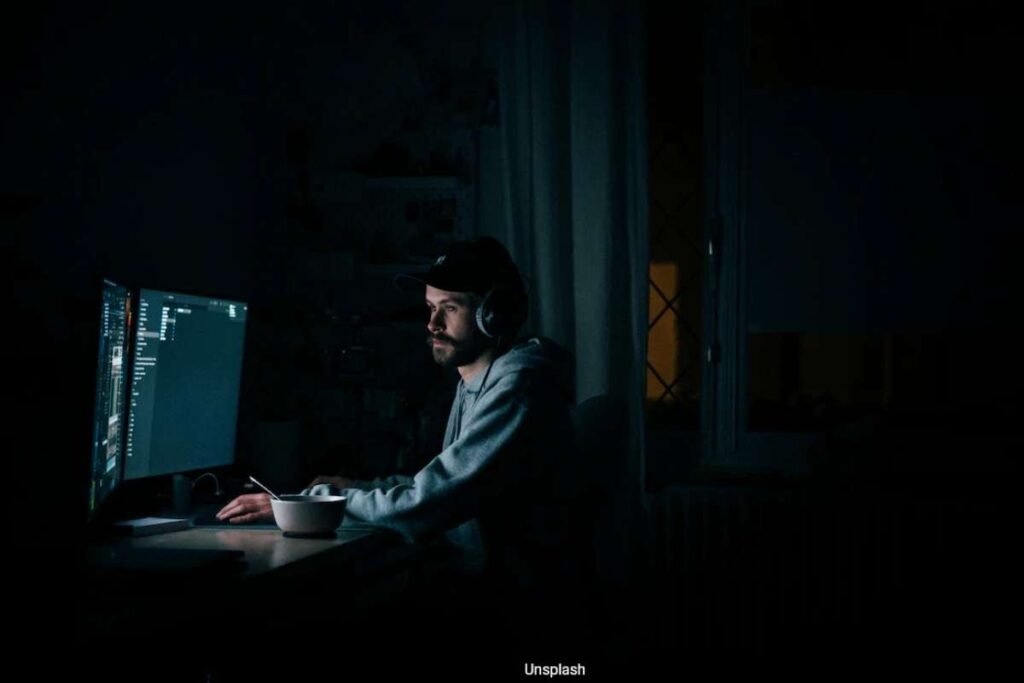
According to the Night owls heart study, people who naturally stay up late face a higher risk of poor heart health and cardiovascular events, particularly women, though lifestyle changes can significantly reduce those risks.
People who identify as night owls are more likely to have worse heart health than early risers, according to research published Wednesday in the Journal of the American Heart Association. The Night owls heart study findings were strongest among women, though researchers emphasize that the risks are largely preventable.
The study analyzed data from nearly 323,000 adults in the United Kingdom Biobank, a long-running health database that enrolled participants between 2006 and 2010. The average participant age was 57. Researchers followed participants for a median of 14 years.
Participants completed questionnaires identifying their chronotype, or natural sleep-wake preference. About 24% described themselves as morning people, 8% as evening people, and 67% as intermediate.
Study Links Late-Night Schedules to Poorer Heart Health
Researchers evaluated participants using the American Heart Association’s Life’s Essential 8 metrics, which include sleep quality, diet, physical activity, weight, blood pressure, blood sugar, cholesterol, and smoking status. Each participant received a heart health score from zero to 100.
The average score across the study was 67.4. Women scored higher overall than men, averaging 70 compared with 65.
Compared with intermediate sleepers, the Night owls heart study found that night owls had a 79% higher prevalence of poor heart health, defined as a score below 50, while early risers showed a 5% lower prevalence.
Over the follow-up period, night owls had a 16% higher risk of heart attack or stroke. Morning types did not show increased risk.
“Research is increasingly showing that when our internal body clock is out of sync with daily schedules, it can affect cardiometabolic health,” said lead author Sina Kianersi, a research fellow at Brigham and Women’s Hospital and Harvard Medical School.
Kianersi noted that the elevated cardiovascular risk among night owls, as reflected in the Night owls heart study findings, appears to be driven by overall poorer heart health profiles rather than chronotype alone.
Sleep Emerges as Critical Factor for the Heart
Heart disease remains the leading cause of death in the United States, killing one person every 34 seconds, according to the American Heart Association.
Although sleep has long been linked to cardiovascular risk, it was only added to the association’s core health metrics in 2022. Both insufficient and excessive sleep are associated with coronary heart disease.
“The purpose of sleep is not just rest,” said Dr. Maha Alattar, medical director of the VCU Health Center for Sleep Medicine in Richmond, Virginia, who was not involved in the study. “It’s when the body repairs itself and resets critical biological processes.”
The Night owls heart study found that night owls were more likely to score poorly in six of the eight heart health categories, with the strongest associations seen in sleep quality and nicotine exposure.
Dr. Shady Abohashem of Massachusetts General Hospital, who studies sleep and heart disease, said the findings should be viewed in context.
“The increased risk is modest, not dramatic,” he said. “Being a night owl is not going to doom your heart.”
Lifestyle Changes Can Reduce Risk for Night Owls
Experts emphasize that the behaviors contributing to poorer heart health among night owls, as shown in the Night owls heart study findings, are largely modifiable.
“Get seven to eight hours of sleep, stop smoking, and increase physical activity,” said Dr. Phyllis Zee of Northwestern University’s Feinberg School of Medicine. “Even for night owls, stop eating by 8 p.m., at least three hours before bedtime.”
Zee also emphasized proper light exposure, recommending bright light in the morning and dimmer lighting in the evening to support natural melatonin production.
Alattar added that morning sunlight helps trigger sleep later that night and advised stopping caffeine at least 12 hours before bedtime.
The study had limitations, including reliance on self-reported sleep preferences and a participant pool that was mostly white and middle-aged or older. Researchers also measured heart health at a single point in time.
Kianersi said further research is underway to examine genetic factors behind chronotypes and why the association appeared stronger in women.
“Evening types aren’t lazy,” Alattar said. “Their rhythm is different, and with the right strategies, they can still protect their heart health.”