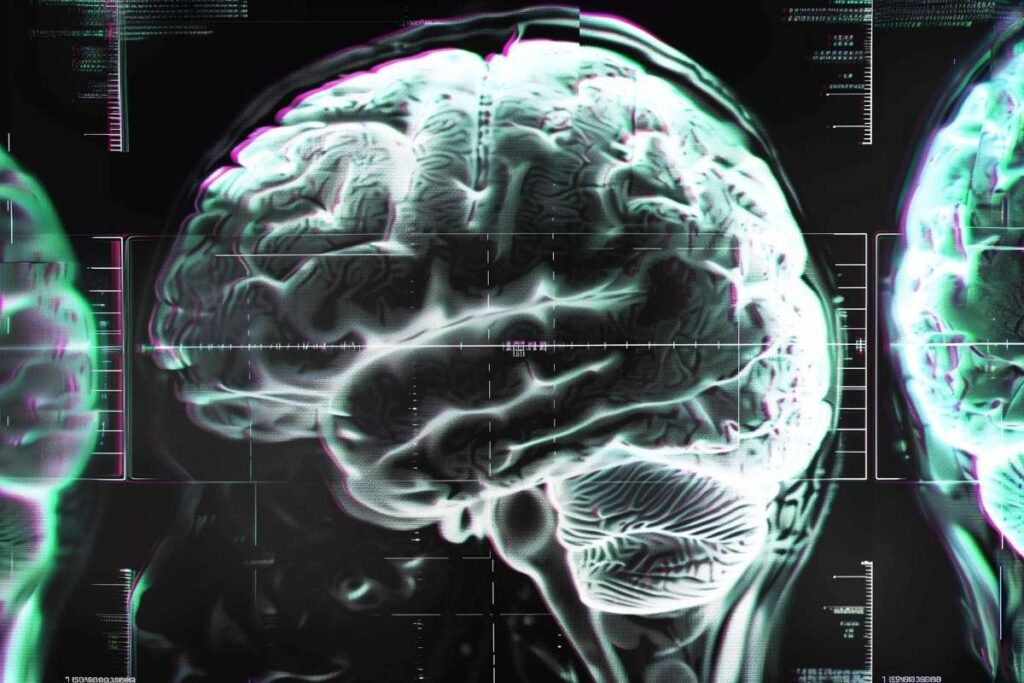
Prescription stimulant medications used to treat attention deficit hyperactivity disorder have long been thought to work by directly improving attention. New brain imaging research suggests a different explanation. The drugs appear to help mainly by increasing alertness and making tasks feel more rewarding, rather than by strengthening attention circuits themselves. This study offers important insight into ADHD medication brain activity and how these treatments influence the mind.
The study was conducted by researchers at Washington University School of Medicine in St. Louis and published on December 24 in the journal Cell. Using detailed brain scans, scientists found that stimulant medications such as Ritalin and Adderall affect systems linked to wakefulness and motivation. These changes can lead to better performance in school and daily tasks, especially for children with ADHD. he findings further clarify patterns of ADHD medication brain activity observed in young patients.
Brain scans highlight wakefulness and reward systems
Resting state fMRI measures brain activity while a person is not focused on a specific task. This allows scientists to see how different brain regions communicate at rest. The researchers compared scans from children who had taken stimulant medication on the day of the scan with those who had not, revealing key differences in ADHD medication brain activity.
Resting state fMRI measures brain activity while a person is not focused on a specific task. This allows scientists to see how different brain regions communicate at rest. The researchers compared scans from children who had taken stimulant medication on the day of the scan with those who had not.
The results showed stronger activity in brain regions involved in arousal and reward among children who took stimulants. These areas help the brain stay awake and predict how satisfying an activity might feel. In contrast, the scans did not show major changes in regions traditionally linked to attention control.
The researchers then tested the findings in a small group of healthy adults who did not have ADHD and did not normally take stimulant drugs. Each adult received brain scans before and after taking a stimulant. The same pattern appeared. The medication activated wakefulness and reward networks, not attention specific circuits.
These findings suggest that stimulants help people stay engaged by making tasks feel more interesting or worthwhile. This added motivation can make it easier to stick with schoolwork or other demanding activities.
Sleep patterns may shape ADHD symptoms
The study also revealed a strong connection between stimulant medications and sleep. Brain activity patterns seen after taking stimulants closely resembled those seen after a good night of sleep. This suggests the drugs may counteract some effects of sleep deprivation.
Children with ADHD who were taking stimulants showed better academic performance and higher scores on cognitive tests compared with children with ADHD who were not taking medication. The biggest gains were seen in children with more severe symptoms.
However, the benefits were not the same for every child. Among children who slept less than the recommended nine hours per night, those taking stimulants performed better than sleep deprived children who were not medicated. In contrast, children who were getting enough sleep and did not have ADHD did not show clear cognitive benefits from stimulants.
These results raise important health questions. Overtired children can show behaviors that look like ADHD, such as trouble focusing or declining grades. In such cases, stimulant medications may appear to help because they increase alertness, even though the underlying issue is lack of sleep.
Researchers caution that relying on medication to offset poor sleep may have long term health consequences. Sleep is essential for brain development, learning, and emotional regulation, especially in children. Masking sleep deprivation does not replace the benefits of proper rest.
The findings highlight the importance of considering sleep habits when evaluating children for ADHD. Improving sleep routines may reduce symptoms for some children and support overall brain health.
Scientists say more research is needed to understand how long term stimulant use affects the developing brain. Some evidence suggests these drugs might support normal brain processes during wakefulness. At the same time, there is concern about potential risks if medications are used to compensate for chronic sleep loss.
Overall, the study provides new insight into how ADHD medications work. Rather than directly sharpening attention, they appear to help the brain stay awake, motivated, and engaged. This shift in understanding could guide future research and support more holistic approaches to child health that include sleep, learning environments, and medical care. The study significantly deepens understanding of ADHD medication brain activity and its role in behavior and learning.