A Mayo Clinic nutrition expert says 15 common foods, including fatty fish, beans, and leafy greens, are considered some of the Best foods for heart health and can help prevent heart disease by lowering cholesterol, blood pressure, and inflammation through diet changes.
Heart disease remains the leading cause of death in the United States despite recent declines, according to the American Heart Association 2026 Heart Disease and Stroke Statistics Update. While deaths from heart disease and stroke have decreased, risk factors such as obesity, diabetes, kidney disease, and high blood pressure continue to rise.
“There are some things like your genes, your parents, your grandparents, that you cannot control,” said Tara Schmidt, a registered dietitian at Mayo Clinic. “But diet, exercise, stress management, and tobacco are really huge, modifiable risk factors.”
Schmidt outlined 15 foods she says support heart health and rank among the best foods for heart health when incorporated into a balanced diet.
Fatty Fish, Legumes, and Healthy Fats Reduce Cholesterol
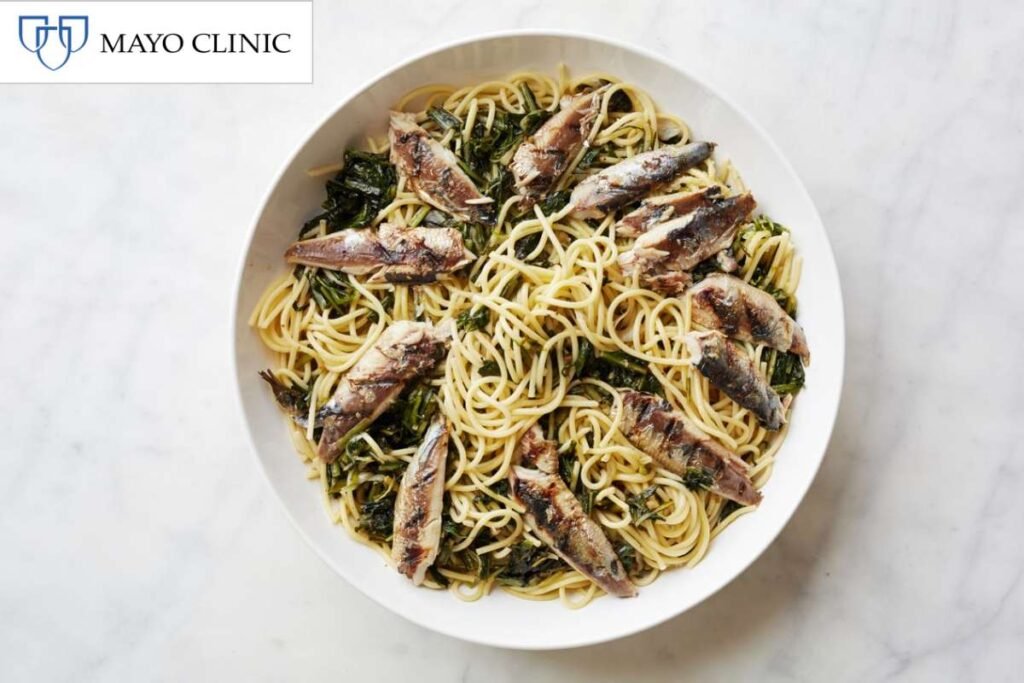
Cold-water fatty fish such as salmon, sardines, mackerel, trout, and albacore tuna rank among the top recommendations. Schmidt advises at least two servings per week.
Omega-3 fatty acids in these fish help lower blood pressure, reduce triglycerides, and decrease inflammation, she said.
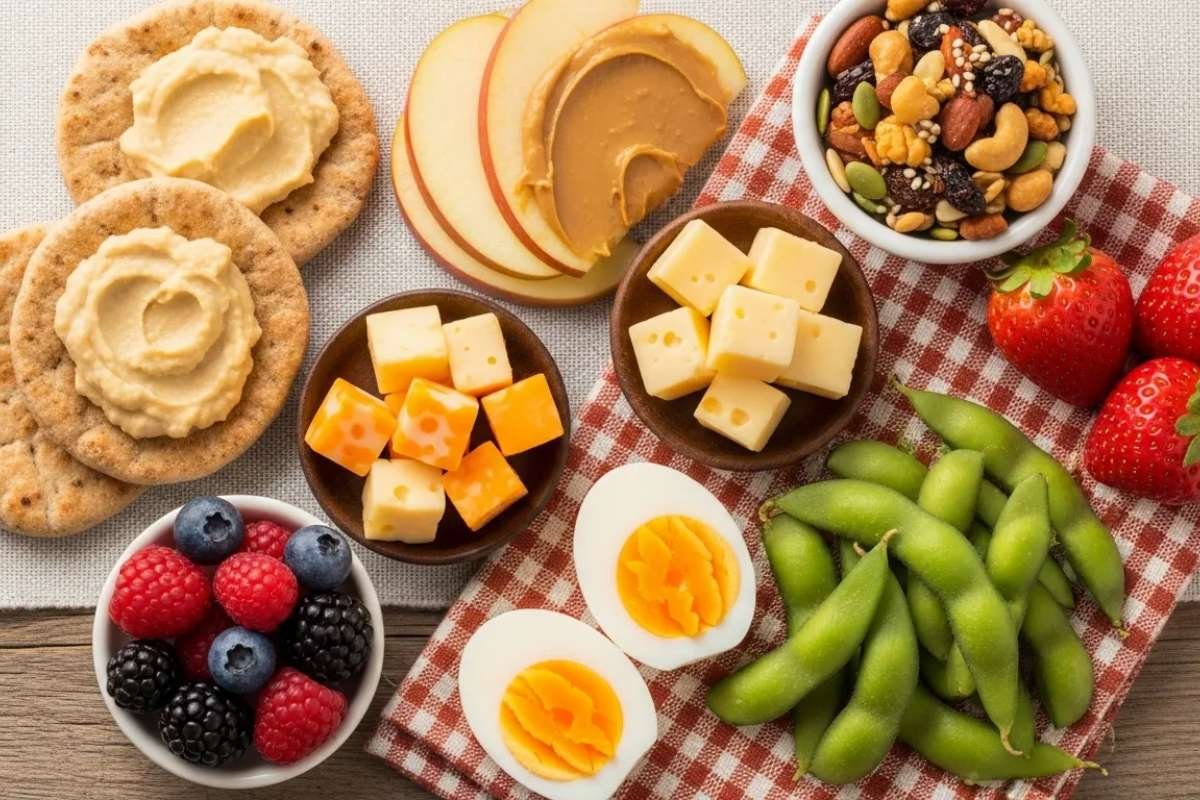
Legumes, including chickpeas, lentils, black beans, and black-eyed peas, also play a key role. “I absolutely endorse beans in whatever way and whatever type people prefer,” Schmidt said. She noted that beans are low-fat sources of protein and fiber that can help lower LDL, or “bad,” cholesterol and improve blood sugar control. Beans are also considered some of the Best foods for heart health.
Unsaturated fats found in nuts, seeds, olive oil, and avocados can further support heart health when they replace saturated fats. These fats help lower LDL cholesterol and triglycerides and may reduce plaque buildup in arteries.
“Nuts have healthy fats in them, fiber, vitamin E, and we think there are polyphenols in them,” Schmidt said. She added that seeds such as chia and flax provide plant-based omega-3 fatty acids.
Vegetables, Berries, and Whole Grains Offer Protective Compounds
Dark, leafy greens such as spinach, kale, and collard greens contain phytochemicals that protect against oxidative stress and may lower stroke risk. Schmidt encouraged people to eat a variety of vegetables.
“It doesn’t have to be kale; if we’re getting an American to eat a vegetable, we’re happy,” she said.
Berries and cherries provide anthocyanins, antioxidants responsible for their red and blue hues. “Anthocyanin specifically protects the body from heart disease,” Schmidt said.
Whole grains, including oats and whole-grain bread, also support cardiovascular health. Beta-glucan, a type of fiber in oats, helps lower cholesterol, she said. One study found that people who ate high amounts of whole grains were 13 percent less likely to die of cardiac arrest than those who consumed the least.
Plant Proteins, Fermented Dairy And Even Dark Chocolate Show Benefits
Schmidt recommends tofu and edamame as alternatives to processed meats, high in sodium and saturated fat. She cited a 2020 study showing people who ate at least one serving of tofu per week were 18 percent less likely to have a heart attack than those who ate it less than once a month.
Fermented dairy products such as yogurt and kefir contain beneficial microorganisms and provide protein and vitamin D. Studies show yogurt may be particularly helpful for adults with high blood pressure, she said.
Dark chocolate with at least 50 percent cocoa solids may also offer benefits when eaten in moderation. Flavonoids in dark chocolate can help lower blood pressure and reduce inflammation, allowing it to be included among the best foods for heart health. Schmidt cautioned that milk chocolate does not offer the same advantages.
Chile peppers, including jalapeño and habanero varieties, contain capsaicin, a compound under study for its potential to lower blood pressure and prevent plaque buildup in arteries.
Schmidt emphasized that limiting sodium remains critical, particularly for people with hypertension. Most excess sodium comes from packaged foods and restaurant meals, she said. She advises using herbs, spices, lemon juice, and vinegar to reduce salt intake.
“Small, consistent changes can make a big difference,” Schmidt said. “Diet is one of the most powerful tools we have to protect heart health.”