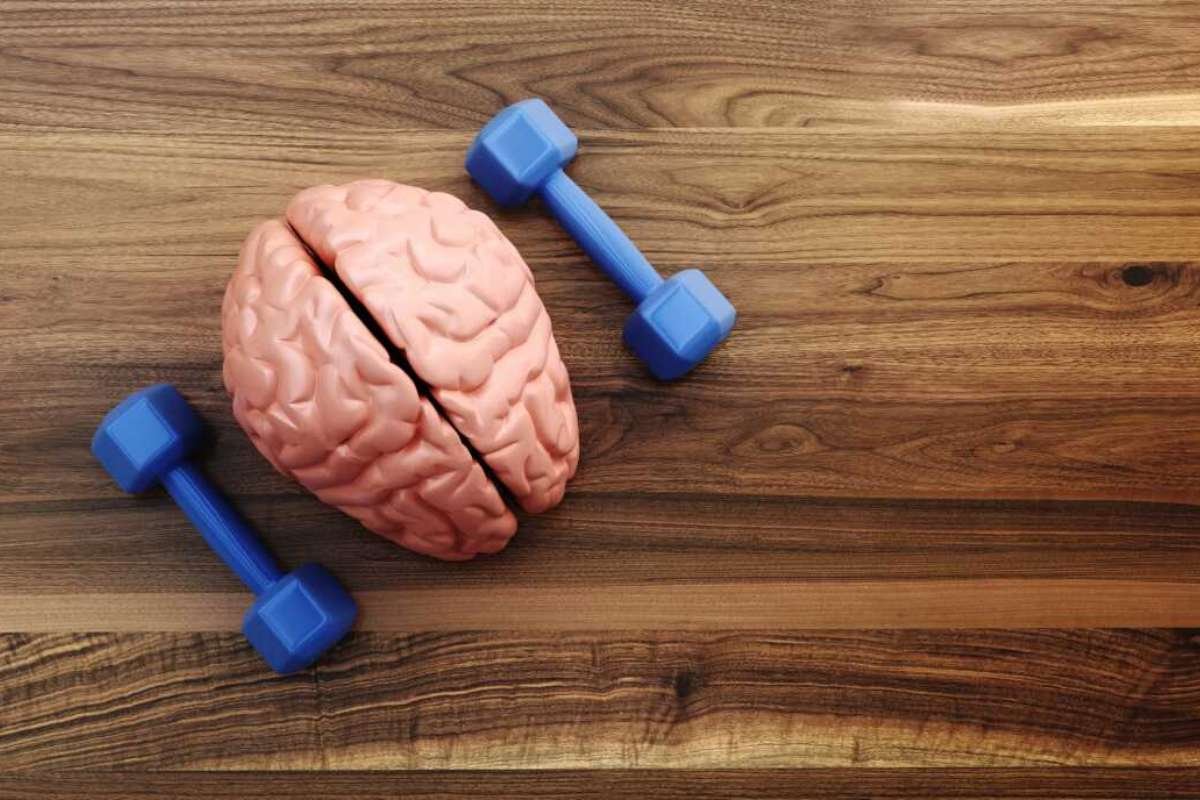
According to a large NIH-funded randomized trial published Monday, the Brain training dementia study found that older adults who completed speed-based training with booster sessions were about 25% less likely to develop dementia over two decades.
Study Finds Long-Term Dementia Protection
Researchers report that the Brain training dementia study shows a computerized program designed to improve visual processing speed may significantly reduce dementia risk, based on a 20-year follow-up of the Advanced Cognitive Training for Independent and Vital Elderly (ACTIVE) trial.
The study tracked more than 2,800 adults age 65 and older who initially showed no major cognitive impairment. Participants who completed five to six weeks of training and later booster sessions were less likely to receive a dementia diagnosis, including Alzheimer’s disease, decades later.
Investigators found that about 40% of participants in the speed-training group developed dementia compared with 49% in the control group, representing a 25% reduction in incidence.
Researchers called the trial the first randomized clinical study to examine links between cognitive training and dementia risk across a 20-year period.
“It’s very surprising,” said Marilyn Albert, director of the Johns Hopkins Alzheimer’s Disease Research Center, noting the results were stronger than expected.
Speed Training Outperforms Memory, Reasoning Programs
Participants were assigned to memory, reasoning, or speed-of-processing training, while a control group received none. Only the speed-training group showed a statistically significant reduction in dementia diagnoses.
The exercises required users to rapidly identify visual information on a computer screen, with adaptive difficulty that became more challenging as performance improved.
Researchers believe the method may strengthen brain plasticity and resilience by engaging multiple neural networks simultaneously.
Dr. Thomas Wisniewski, director of cognitive neurology at NYU Langone Health, described the findings as “astonishing” and said they provide the clearest evidence yet that some cognitive training can lower dementia risk.
Dr. Richard Isaacson, a preventive neurologist not involved in the study, added that even modest effort “can really pay dividends for decades to come.”
Experts Urge Broader Approach To Brain Health
Despite the promising results, specialists caution that brain-training games are not a cure and should complement other preventive strategies.
Experts emphasize that the Brain training dementia study highlights the importance of maintaining overall brain health through physical activity, social engagement, diet, and adequate sleep, while noting that enjoyable and sustainable mental activities may also help reduce dementia risk.
The training used in the study has since been adapted into a commercial exercise known as “Double Decision,” available through an online platform that adjusts challenges based on user performance.
With dementia affecting millions of Americans and rates projected to rise sharply in coming decades, researchers note that the Brain training dementia study suggests interventions that delay onset could have major public health implications.
Still, scientists say more work is needed to understand exactly why speed training works and whether starting earlier in life would provide similar protection.
Visit Healthcare 360 Magazine For The Most Recent Information.