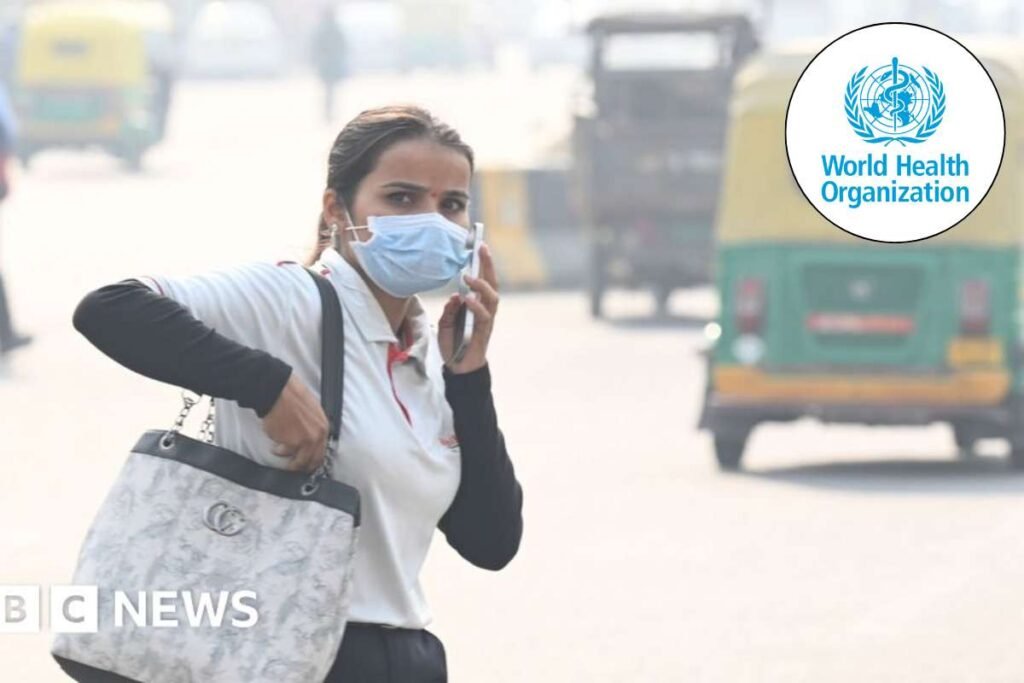
A global analysis by the World Health Organization estimates about 7.1 million cancer cases each year, roughly 37% worldwide. Many of these cancer cases preventable could be avoided by reducing infections, limiting tobacco use, cutting alcohol consumption, and addressing other modifiable risks.
Global Study Highlights Major Prevention Opportunity
A landmark study by the World Health Organization and its cancer research arm finds that nearly four in 10 cancer cases preventable could be avoided through effective strategies. The analysis links approximately 7.1 million cases in 2022 to preventable causes.
Released ahead of World Cancer Day, the report examined 30 risk factors across 185 countries and 36 cancer types, underscoring what researchers described as the “enormous potential” of prevention to reduce the global cancer burden.
“This is the first global analysis to show how much cancer risk comes from causes we can prevent,” said Dr. André Ilbawi, WHO team lead for cancer control and an author of the study.
The findings were published in the journal Nature Medicine and highlight the need for stronger tobacco control and broader public health measures worldwide.
Tobacco, Infections, And Alcohol Drive Millions Of Cases
Researchers identified tobacco as the leading preventable cause, accounting for about 15% of all new cancer cases globally. In the context of cancer cases preventable, infections contribute around 10% and alcohol consumption about 3%.
Other contributing risks include high body mass index, physical inactivity, ultraviolet radiation, and air pollution, all of which are known to increase cancer likelihood.
Nearly half of cancer cases preventable were linked to lung, stomach, or cervical cancers. Lung cancer is strongly associated with smoking and polluted air, stomach cancer with Helicobacter pylori infection, and cervical cancer predominantly with human papillomavirus (HPV).
Experts say vaccination and policy interventions already show promise. Countries that have introduced anti-smoking policies or HPV immunization programs demonstrate that targeted prevention can significantly lower cancer risk.
“This landmark study is a comprehensive assessment of preventable cancer worldwide,” said Isabelle Soerjomataram, deputy head of the IARC Cancer Surveillance Unit, adding that addressing these causes offers one of the most powerful ways to reduce cases.
Risks Differ By Sex And Region, Experts Say
The burden of preventable cancers is higher among men, accounting for about 45% of new cases compared with roughly 30% in women, largely due to higher smoking rates.
Regional patterns vary sharply. Infections remain the dominant preventable cause in some lower-income regions, while smoking and obesity are leading drivers in parts of Europe, emphasizing the need for tailored national strategies.
Health officials say the findings offer encouraging news because many risk factors are within human control.
“The percentage of cancer cases preventable can change over time, and our goal is to bring that number as close to zero as possible,” Ilbawi said.
Still, doctors caution that awareness and early detection remain major challenges worldwide, particularly in developing countries where healthcare access and education can lag.
Researchers stress that while some cancers are unavoidable due to aging or inherited genetic risks, broad public health campaigns could transform outcomes for millions of people.
Visit Healthcare 360 Magazine For The Most Recent Information.