Key Takeaway:
- Infections contribute to cancer: An estimated 12% of new cancer cases worldwide in 2024 were linked to infections.
- Prevention can reduce risk: HPV and hepatitis B vaccines help prevent infections associated with several cancers.
- Screening and treatment matter: Early detection and appropriate treatment of infections such as hepatitis and H. pylori can lower the risk of certain cancers.
A global study published in October 2026 finds that Cancer Caused by Infections accounted for about 12% of new cancer cases worldwide in 2024, highlighting opportunities to prevent disease through vaccination, testing, and treatment.
Researchers Identify Leading Cancer-Linked Infections
The study, published in The Lancet Oncology and conducted by researchers affiliated with the International Agency for Research on Cancer, estimates that infections contributed to approximately 2.3 million of the 20 million new cancer cases recorded worldwide in 2024.
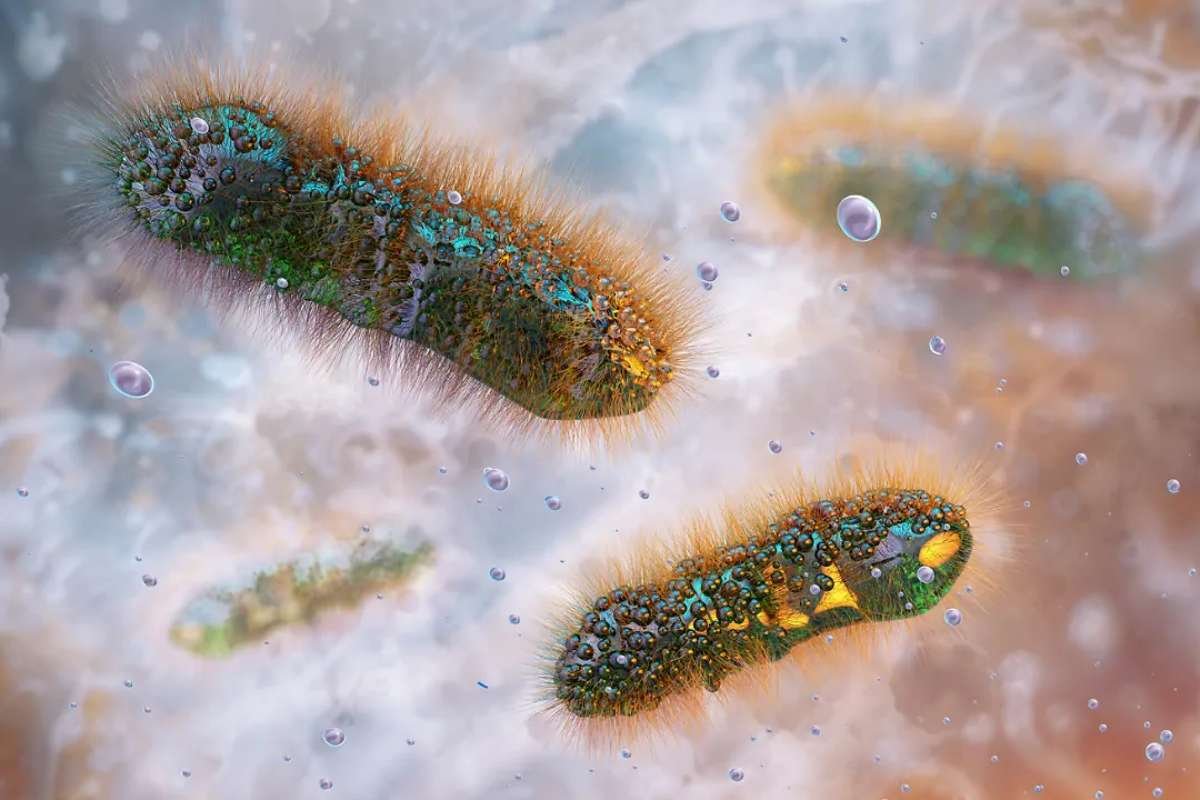
The leading contributors included Helicobacter pylori bacteria, human papillomavirus (HPV), hepatitis B virus, Epstein-Barr virus and hepatitis C virus. These pathogens are associated with cancers affecting the stomach, cervix, liver and other parts of the body.
Gary Clifford, a cancer epidemiologist and study co-author, said researchers already have effective ways to reduce the burden of infection-related cancers.
“We have very actionable targets,” Clifford said, emphasizing the availability of existing prevention tools.
The findings build on an earlier assessment covering 2018, which attributed approximately 13% of new cancer cases to infections. Researchers cautioned that the estimates cannot be directly compared because the newer study includes a broader range of cancers associated with infectious agents.
Lorelei Mucci, a professor of epidemiology at Harvard University who was not involved in the study, said the continued burden highlights shortcomings in prevention efforts.
“That’s really a failure of public health,” Mucci said, noting that preventing infections can stop many associated cancers before they develop.
Infections Increase Cancer Risk in Different Ways
Certain infections can contribute to cancer by damaging cells, triggering persistent inflammation, or weakening the immune system. However, having an infection linked to cancer does not mean a person will necessarily develop the disease.
HPV can cause cervical cancer and several other cancers, including those affecting the anus, penis, and throat. H. pylori, a bacterium associated with stomach infections, can contribute to stomach cancer, while chronic hepatitis B and C infections can increase the risk of liver cancer.
Epstein-Barr virus, which commonly spreads through saliva and other bodily fluids, is associated with several cancers, including nasopharyngeal cancer and certain lymphomas. HIV can also increase cancer risk by weakening the immune system and making some cancer-associated infections more dangerous.
Harriet Rumgay, an epidemiologist at the International Agency for Research on Cancer and a study co-author, cautioned against interpreting changes between the two assessments as a straightforward trend because the newer analysis covers additional cancer types.
The global burden of Cancer Caused by Infections also varies considerably by region, reflecting differences in infection prevalence, vaccination coverage, screening availability and access to treatment.
Vaccines and Screening Offer Ways to Reduce Risk
Researchers say established prevention measures could reduce many cases of Cancer Caused by Infections. HPV vaccination helps prevent infections that cause cervical and other cancers, while hepatitis B vaccination protects against a virus that can lead to liver cancer.
The American Academy of Pediatrics recommends beginning the HPV vaccine series between ages 9 and 12. Hepatitis B vaccination is recommended for infants, beginning with a dose within 24 hours of birth under established guidance.
Screening can also identify precancerous changes, particularly those associated with HPV, allowing treatment before cancer develops. Testing and appropriate treatment for hepatitis infections and H. pylori can further reduce certain cancer risks.
Clifford said wider access to these measures is essential, particularly in countries where vaccination and screening programs remain limited. He also noted that rising HPV vaccination coverage could reduce associated cancer rates in the future, although the effects may take years to become apparent.
The researchers emphasize that preventing Cancer Caused by Infections requires coordinated efforts to improve vaccination, diagnosis, treatment, and screening. Expanding access to these established tools could prevent substantial numbers of cancers worldwide.
Visit more of our news! Healthcare 360 Magazine