Key Takeaway:
- Supercentenarians show unusually high levels of cancer-fighting immune cells.
- These immune cells may help the body respond to cancer and infections in extreme old age.
- The small study suggests immune function may adapt with age, but it does not prove a link to longevity.
Researchers in Japan report that people aged 110 and older have unusually high levels of cancer-fighting immune cells, suggesting their immune systems adapt to threats of extreme aging.
Study Finds Rare Immune Cells Rise With Age
A study published Aug. 19 in Cell Reports examined immune cells from 28 people ages 70 to 110 and older. Researchers found that CD4 cytotoxic T lymphocytes, or CD4 CTLs, made up about 4% of T cells in younger participants, 10% in centenarians and 18% in supercentenarians.
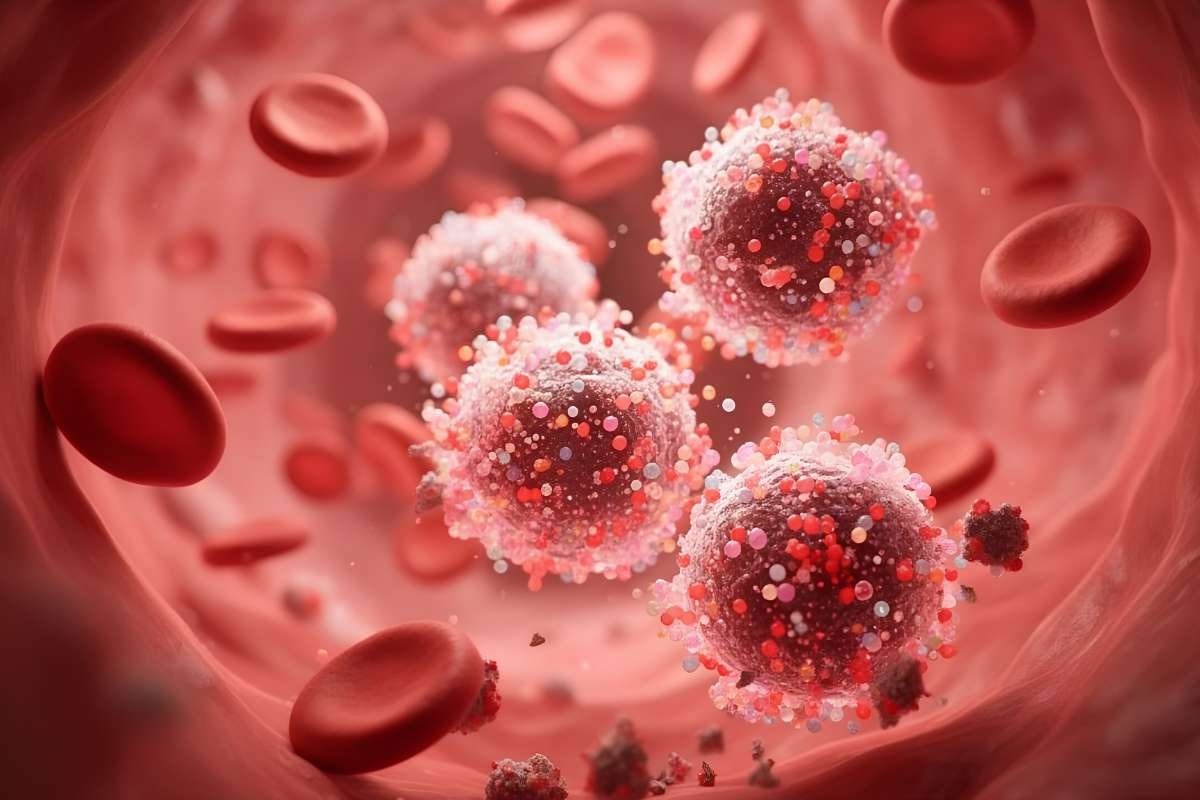
CD4 CTLs are a relatively rare type of T cell capable of killing other cells. Researchers say these cancer-fighting immune cells are associated with responses to viral infections and have the ability to attack cancer cells, although their exact role in extreme longevity remains uncertain.
The findings build on research published in 2019 that identified an unusually large population of cytotoxic CD4 T cells in seven supercentenarians. That study analyzed more than 61,000 immune cells and found evidence that these cancer-fighting immune cells had undergone substantial clonal expansion.
Immune System Appears To Adapt
Kosuke Hashimoto, a study co-author and researcher at the University of Osaka, said the findings challenge the idea that immune function simply deteriorates with age.
“Most of immune ageing research has focused on decline,” Hashimoto said. “Our study suggests that even at extreme old age, the immune system may still selectively adapt.”
The researchers found that CD4 CTLs became more common around age 100, suggesting the increase may develop as people enter very advanced age. They also found evidence that some of the cells expanded in response to particular immune targets.
The researchers compared receptors on the most common CD4 CTL populations with a database of immune receptors from people with cancer. About 30 sequences matched receptors found in cancer patients, with lung cancer producing the most frequent matches. None of the study participants had experienced cancer, according to the researchers.
Researchers Caution Against Longevity Claims
The findings do not prove that cancer-fighting immune cells prevent cancer or cause people to live longer. Researchers could identify the cells in blood samples but could not determine which tissues they entered or exactly what they did inside the body.
The study’s small sample also limits how broadly the results can be applied. Only 10 centenarians and 10 supercentenarians were included, alongside eight people aged 70 to 90.
Still, the research adds to the evidence that immune aging is not necessarily a steady decline. A 2026 review in Nature Reviews Immunology similarly reports that many centenarians, particularly those aged 105 and older, retain relatively preserved immune function and disease resistance.
The researchers say studying these cancer-fighting immune cells and other immune adaptations could eventually help scientists understand how some people remain healthy into extreme old age and identify ways to support healthier aging.
Visit Healthcare 360 Magazine For The Most Recent Information.