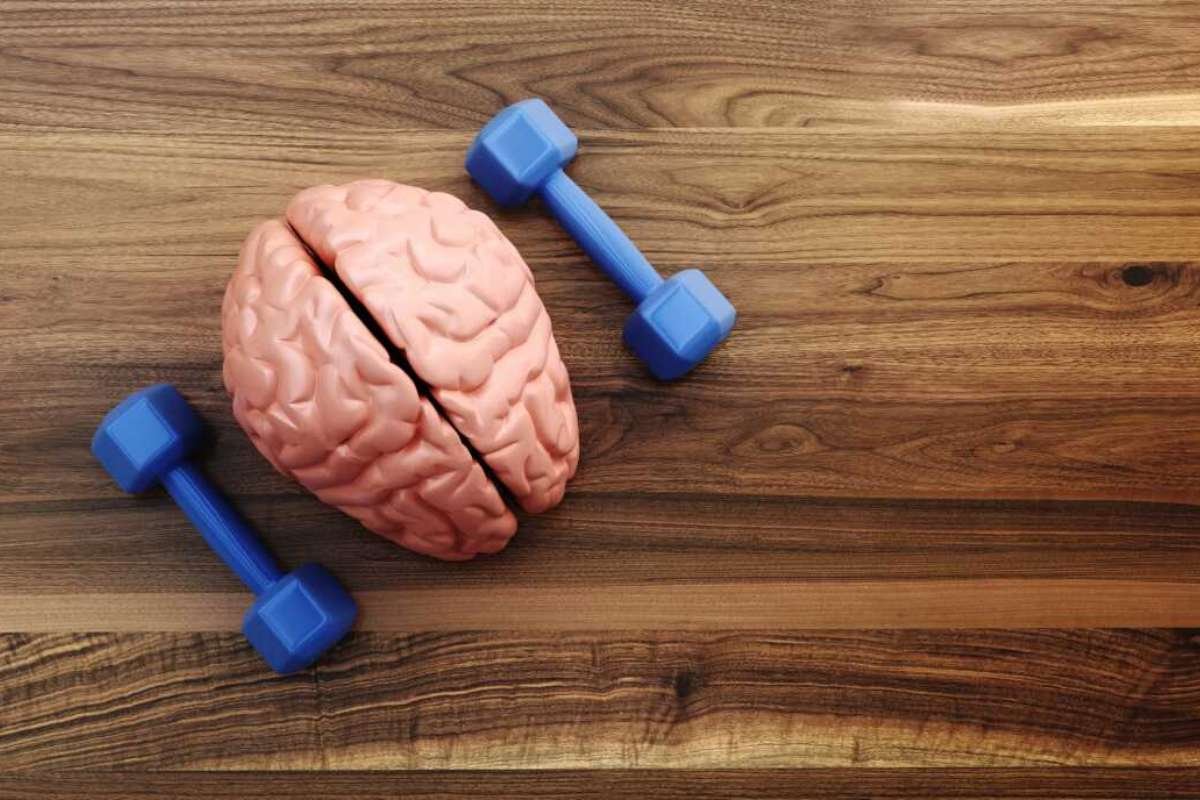
A major review of nearly 80,000 participants finds aerobic exercise can match or exceed medication and therapy for mild depression and anxiety, especially when performed in groups, prompting experts to urge structured activity as part of treatment.
Researchers Say Aerobic Workouts Deliver Strong Mental Health Gains
Recent research suggests aerobic exercise, including running, swimming, and dancing. It can serve as a frontline treatment for mild depression and anxiety, with group workouts producing the most significant improvements.
Scientists analyzed dozens of reviews involving nearly 80,000 people across varied populations, including young adults and new mothers, who face elevated mental health risks.
The findings indicate physical activity may be “as good as, or better than medication or therapies” in easing symptoms for some individuals.
“Aerobic group workouts yielded the most significant improvements,” researchers reported, noting resistance training and yoga also showed moderate benefits.
Experts say the social element likely enhances results by increasing motivation and accountability, factors often linked to sustained participation in exercise programs.
Experts Urge Caution, Stress Exercise Should Complement Care
Mental health specialists warn that while exercise shows promise, it should not replace established treatments for people with severe depression.
“Exercise may serve as a primary treatment for mild symptoms,” but many patients struggle with basic daily tasks, making consistent activity difficult, researchers noted.
Clinicians increasingly view physical activity as a complementary strategy that adds to traditional care rather than substitutes for medication or psychotherapy.
Depression remains a major global health challenge affecting more than 280 million people, underscoring the need for accessible and low-cost interventions.
Because exercise also improves physical health, healthcare professionals often consider it an appealing option for patients seeking alternatives or additional support.
Structured Programs May Shape Future Treatment Strategies
Researchers emphasize that structured, supervised programs appear more effective than unplanned activity, particularly when they incorporate social interaction.
Young adults and women, especially those navigating life transitions such as early adulthood or motherhood. They were among the groups highlighted as benefiting notably from targeted exercise approaches.
Still, experts say more research is needed to clarify how exercise works alongside existing therapies and to identify which patients benefit most.
For now, specialists recommend framing exercise as one component of a broader mental health plan, tailored to individual needs and clinical guidance.
The growing body of evidence positions physical activity as a practical tool in addressing rising rates of depression and anxiety worldwide, particularly where cost, stigma, or long wait times limit access to care.
Visit Healthcare 360 Magazine For The Most Recent Information.