Dietitian Agree Peanut Butter is the healthiest nut butter choice, offering protein, heart‑healthy fats, and antioxidants at a low cost when enjoyed in small portions and selected with minimal ingredients.
Nut butters made from peanuts, almonds, cashews, and seeds like sunflower or sesame are staples in kitchens nationwide, valued for convenience and nutrition. While most pure nut butters are healthy, experts say one option consistently stands out.
After consulting three registered dietitians, Dietitian Agree Peanut Butter emerged as the unanimous top pick thanks to its affordability, availability, and strong nutritional profile when eaten in moderation.
Dietitians Favor Simple Ingredients and Labels
Experts say the healthiest nut butters start with the shortest ingredient list possible.
“When looking for a healthy nut butter, look for ideally only one ingredient: nuts,” said Courtney Pelitera, a registered dietitian at Top Nutrition Coaching. She said added oils and fillers may extend shelf life, but can reduce nutritional value.
Dietitians also advise checking sodium and sugar levels. Lindsey Joe, a registered dietitian and employee wellness expert, said consumers should aim for products with little or no added sugar and minimal salt.
“These are two ingredients people already get too much of during the day,” Joe said. Excess sodium intake can raise blood pressure, while added sugar contributes to inflammation and increases the risk of heart disease and type two diabetes.
Some nut butters contain added palm or coconut oil, which increases saturated fat content. Pelitera said products with zero grams of added sugar, less than 200 milligrams of sodium, and under four grams of saturated fat per serving are good choices.
Peanut Butter Rises Above Other Options
Despite growing interest in almond, cashew, and specialty seed butters, Dietitian Agree Peanut Butter remains the most practical and nutritious option.
“In my opinion, nothing beats classic peanut butter,” said Maxine Yeung, a dietitian and founder of The Wellness Whisk. She said it works equally well in sweet and savory dishes, from fruit and oatmeal to toast and sauces.
Pelitera said peanut butter is also the most cost-effective option. Two tablespoons contain about eight grams of protein, one to two grams of saturated fat, and small amounts of fiber.
Joe added that peanuts contain more protein per serving than any other nut, making peanut butter especially appealing for people seeking plant-based protein.
Research has linked frequent peanut consumption to a lower risk of cardiovascular disease and type two diabetes, particularly among women, Yeung said. Dietitian Agree Peanut Butter also provides antioxidants, including vitamin E, which helps protect cells from damage and supports immune health.
Moderation and Portion Size Remain Key
Dietitians stress that even healthy nut butters should be eaten mindfully.
“Nut butters are not a low-calorie food,” Pelitera said. “The serving size is two tablespoons, and it’s very easy to go overboard.”
Yeung agreed, noting that the high fat content makes nut butters calorie-dense. She said portions can add up quickly, especially in sandwiches or when eaten by the spoonful.
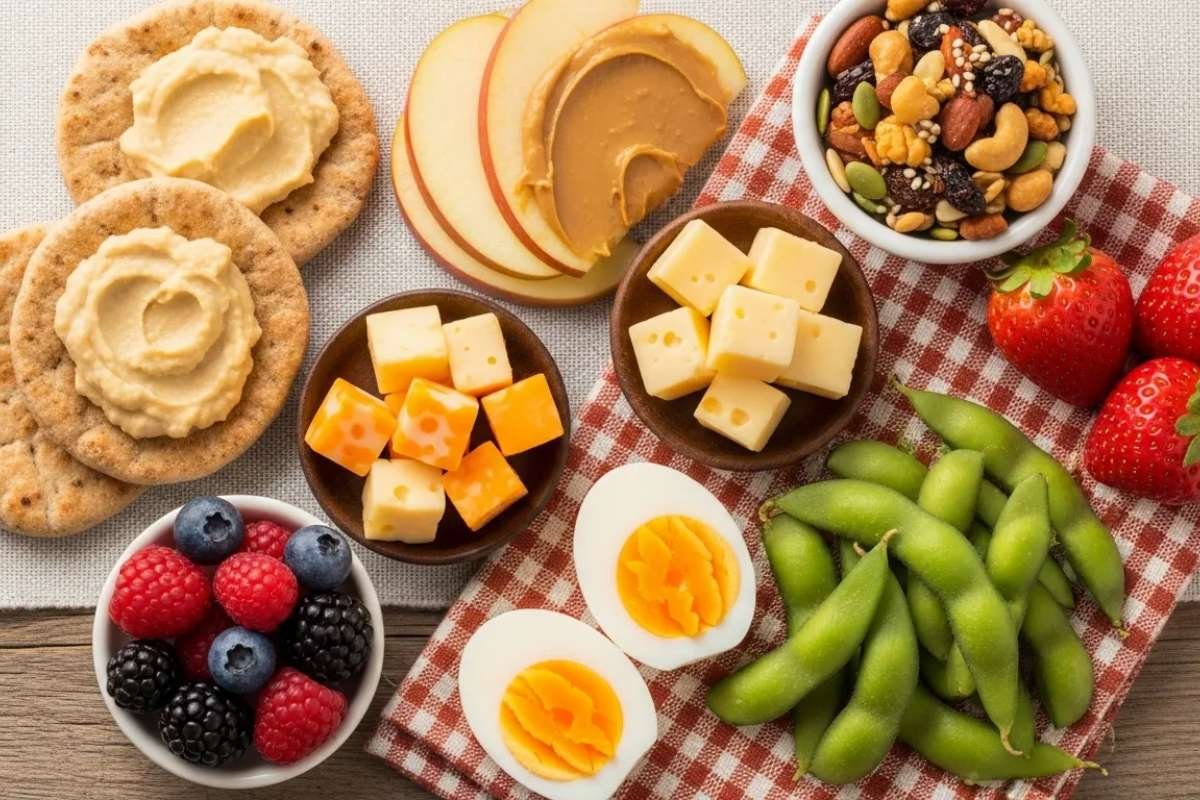
Joe said peanut butter is a household staple because it is versatile and makes meals more balanced. She uses it on toast, as a dip for fruits and vegetables, and in quick sauces for weeknight meals.
Experts say enjoying peanut butter as part of a balanced diet, paired with whole grains, fruits, or vegetables, offers the greatest benefit.
The takeaway is clear: Dietitian Agree Peanut Butter with minimal ingredients, mindful portion sizes, and regular but measured inclusion in daily meals.
Visit Healthcare 360 Magazine For The Most Recent Information.