A single dose of the psychedelic drug dimethyltryptamine, when combined with psychotherapy, has been shown to significantly reduce symptoms in patients with treatment-resistant depression. According to a small clinical trial published Tuesday, the benefits of DMT therapy for depression lasted up to six months.
People with major depressive disorder saw rapid and sustained improvement after receiving one dose of DMT alongside psychological support, researchers reported in the journal Nature Medicine.
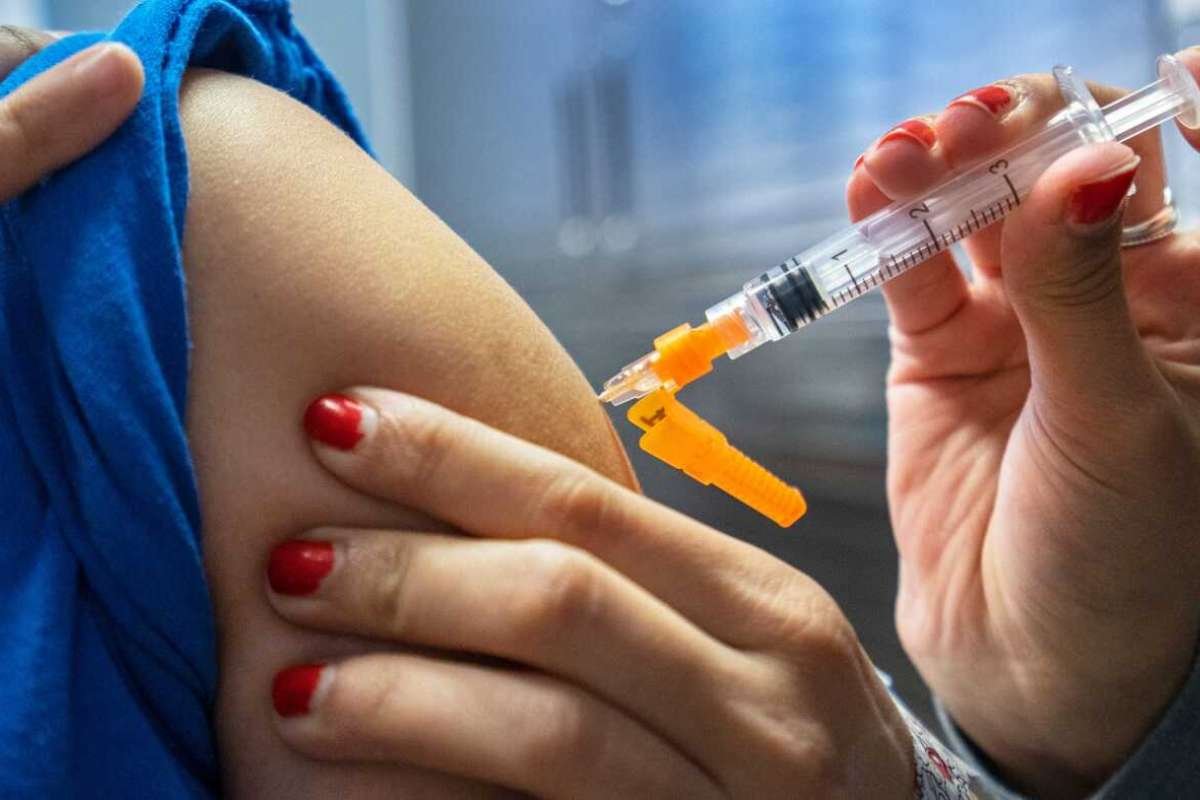
The trial involved 34 participants with moderate to severe treatment-resistant depression. Researchers randomly assigned half to receive a 21.5-milligram intravenous dose of DMT over 10 minutes, while the other half received a placebo infusion. All participants underwent psychotherapy and follow-up assessments.
Trial Shows Rapid And Sustained Improvement
Patients who received DMT showed a significant reduction in depressive symptoms compared with those given a placebo, based on scores from a standard depression questionnaire. The antidepressant effects lasted from three to six months for many participants.
“There is an immediate antidepressant effect that is significantly sustained over three months, and that’s exciting because this is one session with a drug, embedded in psychological support,” said Dr. David Erritzoe, a psychiatrist at Imperial College London and the trial’s lead investigator.
In the second stage of the study, all participants received DMT with therapy. Researchers observed that those who had already undergone DMT therapy for depression showed no additional benefit, suggesting that a single dose may be sufficient.
The study was designed, funded, and sponsored by Cybin UK, a neuropsychiatric company.
Researchers Cite Growing Evidence For Psychedelics
The findings add to growing evidence that DMT therapy for depression may benefit people who do not respond to conventional antidepressants. An estimated 100 million people worldwide live with treatment-resistant depression, defined as failing to respond to at least two antidepressant treatments, and about half struggle to manage daily activities.
DMT is a naturally occurring psychedelic compound and a key ingredient in ayahuasca, a brew used in shamanic rituals in South America. The drug produces intense, short-lived hallucinations that can alter a person’s sense of time and self.
At the doses used in the trial, the psychedelic experience lasted about 25 minutes. Researchers say that shorter duration could make DMT-assisted therapy more practical for clinics compared with psilocybin, whose effects can last several hours.
A recent trial of psilocybin, the active compound in so-called magic mushrooms, also reported positive results, raising hopes for regulatory approval in the United Kingdom later this year.
Psychedelics are believed to enhance psychotherapy by disrupting entrenched patterns of negative thinking. Erritzoe compared the effect to reshaping a landscape, making it easier for patients to form new mental pathways.
Regulatory And Access Questions Remain
Despite promising results, researchers caution that the study is small and preliminary. Larger trials are needed to confirm safety and effectiveness.
If approved in the United Kingdom, psychedelic therapies are expected to be available initially through private clinics, said Dr. James Rucker, a consultant psychiatrist at King’s College London who worked on the psilocybin research.
“Quite how these drugs will fit in this world of financial austerity, stigma, and opprobrium towards anything that has the word psychoactive in it, I don’t know,” Rucker said. “It’s interesting to be a part of, but I can’t call it.”
Last year, the Feilding Commission was established to guide the safe and ethical rollout of psychedelic-assisted therapies, amid concerns that commercial pressures could compromise patient safety.
Researchers note that further studies are needed to determine whether DMT therapy for depression could become part of mainstream treatment. For now, they describe the findings as encouraging, though still in the early stages.
Visit Healthcare 360 Magazine For The Most Recent Information.