
Did you know that over half of adults around the world may develop a chronic disease at some point in their lives? Many illnesses, like heart disease, diabetes, or cancer, start quietly showing small, easy-to-miss signs long before they become serious. Recognizing these early signs of common diseases can make a huge difference, helping you get treatment sooner and avoid serious complications.
For example, catching heart problems early can reduce the risk of death by up to 40%, and spotting diabetes in its early stages can prevent serious issues like kidney damage or vision loss. Even common conditions like high blood pressure or liver problems often show subtle symptoms before they become dangerous.
It’s easy to ignore fatigue, mild pain, or frequent headaches as just part of a busy life. But these little signals could be your body warning you that something’s wrong. This guide will walk you through the most common diseases and the warning signs to watch for, so you can take action early and stay healthy.
Early Signs of Common Diseases: Top 10 Warning Symptoms to Watch For
Most illnesses don’t begin with severe pain or sudden collapse. They develop gradually, giving the body time to signal that something isn’t right. These signals are often subtle, easy to overlook, and commonly mistaken for everyday stress or fatigue. Learning to recognize these early changes allows timely medical attention, often before lasting damage occurs.
1. Heart Disease

| Aspect | Details |
| Symptoms | Chest pressure or heaviness Shortness of breath on mild activity Pain in arms, jaw, or upper back Persistent or unusual fatigue |
| Diagnosis | ECG (Electrocardiogram)Stress test, Blood tests (cholesterol, enzymes), Echocardiogram, or angiography |
Heart disease develops over time as arteries narrow and blood flow to the heart becomes restricted. Long before a heart attack occurs, the body begins to show warning signs.
Early symptoms often include chest discomfort that feels like pressure or heaviness rather than sharp pain. Shortness of breath during simple activities, such as walking or climbing stairs, suggests the heart is working harder than it should. Pain may spread to the arms, jaw, or upper back, while persistent fatigue, especially unusual tiredness, can signal reduced oxygen supply to the body.
When identified early, heart disease can often be managed effectively with lifestyle changes and medical care.
2. Diabetes
| Aspect | Details |
| Symptoms | Increased thirst, Frequent urinationBlurred visionTingling or numbness in hands and feet, Constant hunger |
| Diagnosis | Fasting blood sugar test HbA1c test, Oral glucose tolerance test |
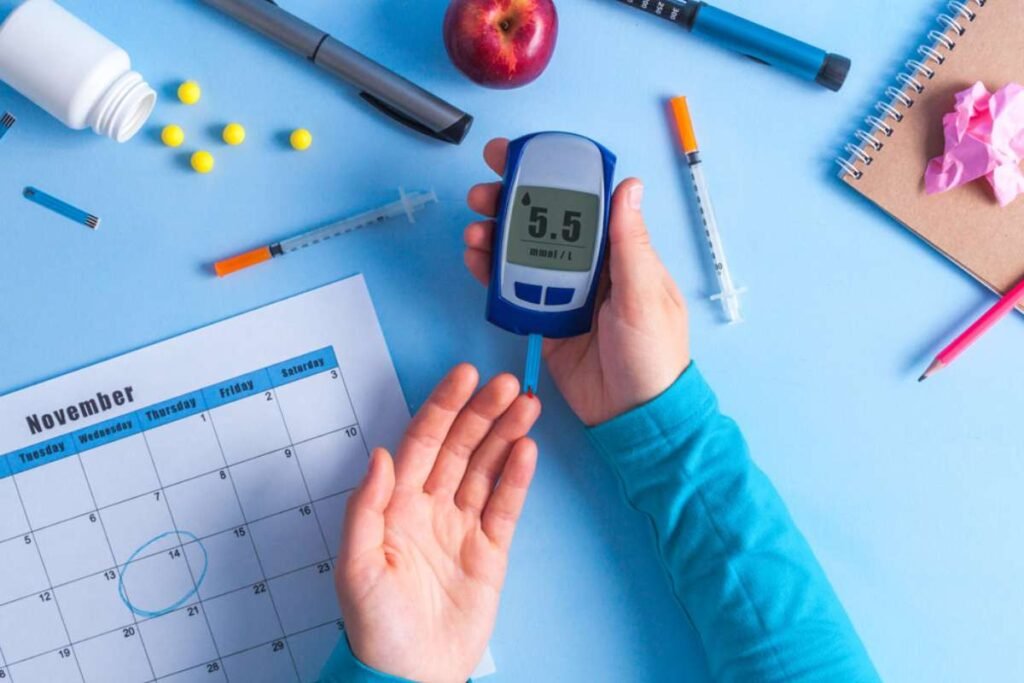
Diabetes usually progresses quietly, and many people live with it for years without a diagnosis. The early signs of common diseases such as diabetes often feel mild but reflect serious changes in how the body processes sugar.
Increased thirst and frequent urination occur as excess glucose builds up in the bloodstream. Blurred vision results from fluid shifts affecting the eyes, while tingling or numbness in the hands and feet points to early nerve involvement. Constant hunger, even after meals, suggests the body isn’t converting glucose into usable energy.
Recognizing these signs early helps prevent complications affecting the kidneys, eyes, and nerves.
3. Stroke
| Aspect | Details |
| Symptoms | Sudden weakness on one side of the body, slurred speech Confusion Vision problems Dizziness or loss of balance |
| Diagnosis | CT scan or MRI of the brain Blood tests Carotid ultrasound |
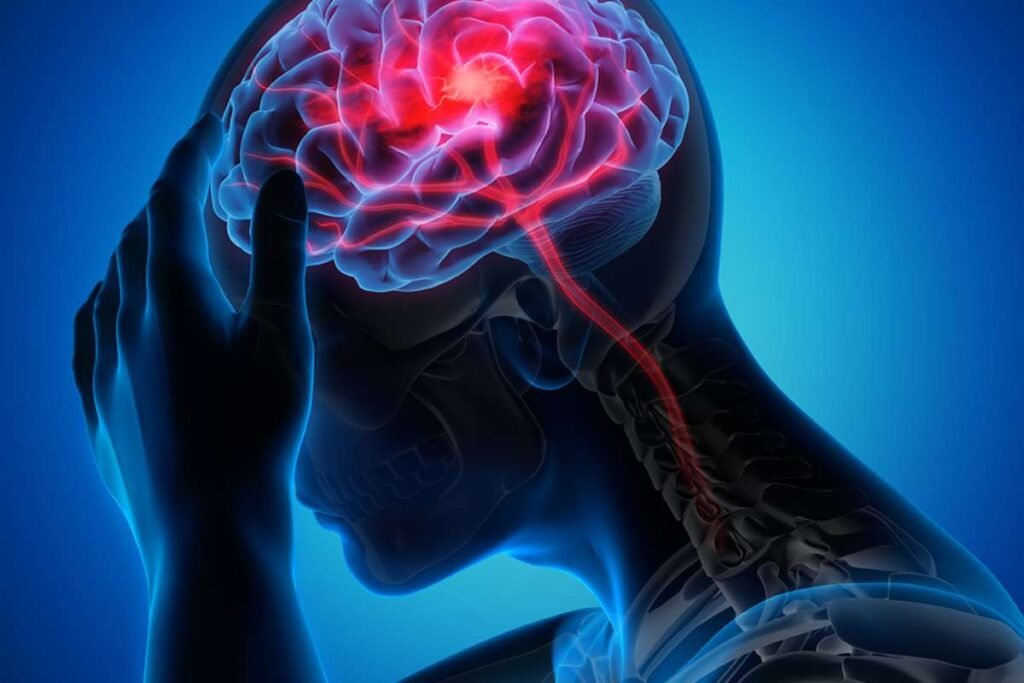
A stroke occurs when blood flow to part of the brain is blocked or reduced. While strokes are sudden events, Early Signs of Common Diseases often appear just before they happen.
Common early indicators include sudden weakness or numbness, especially on one side of the body. Speech may become slurred, or confusion may develop unexpectedly. Vision problems, dizziness, or loss of balance can appear within minutes, signaling the brain is not receiving enough oxygen.
Immediate medical attention during these early moments greatly improves recovery and reduces long-term disability.
4. Cancer

| Aspect | Details |
| Symptoms | Unexplained weight loss, persistent fatigue, Ongoing pain Skin changes or non-healing sores, Chronic cough or hoarseness |
| Diagnosis | Unexplained weight loss, persistent fatigue, Ongoing pain, Skin changes or non-healing sores, Chronic cough or hoarseness |
Cancer often begins silently, with early symptoms that are easy to dismiss. These signs usually persist and gradually worsen rather than appearing all at once.
Unexplained weight loss, ongoing fatigue, or pain that doesn’t improve with rest can be early clues. Changes in the skin, such as new growths, sores that don’t heal, or changes in existing moles, may indicate skin-related cancers. A persistent cough or hoarseness can point to underlying respiratory or throat issues.
Early detection significantly increases treatment success and survival rates.
5. Chronic Obstructive Pulmonary Disease (COPD)
| Aspect | Details |
| Symptoms | Chronic cough Shortness of breath during light activity Wheezing requent chest infections |
| Diagnosis | Spirometry (lung function test), Chest X-ray or CT scanOxygen level testing |
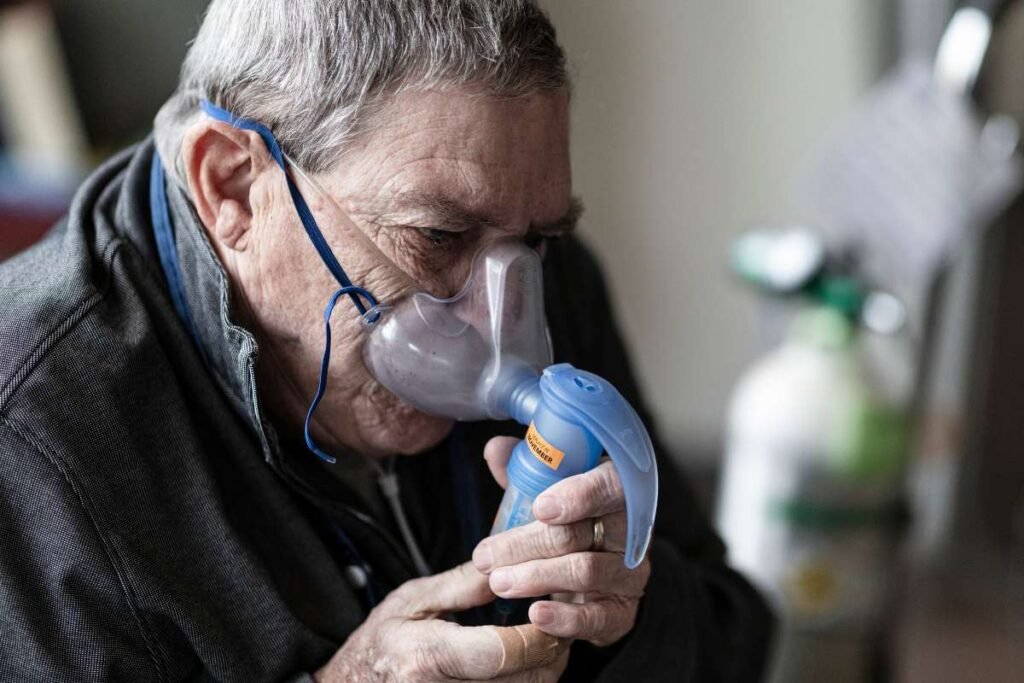
COPD develops quietly over the years, often triggered by smoking or long-term exposure to polluted air. Many overlook the subtle warnings, yet changes in lung function are some of the early signs of common diseases that shouldn’t be ignored.
A persistent cough that lingers for months is often the first clue. Shortness of breath during simple activities, wheezing, and repeated chest infections signal that the lungs are struggling.
Catching these signs early can make a huge difference in slowing disease progression and helping you breathe easier and live more comfortably.
6. Kidney Disease
| Aspect | Details |
| Symptoms (Snapshot) | Swelling in the feet, ankles, or face. Foamy or reduced urine output. Frequent nighttime urination. Fatigue and muscle cramps |
| Diagnosis | Blood tests (creatinine, urea, )Urine testsUltrasound or CT scan |
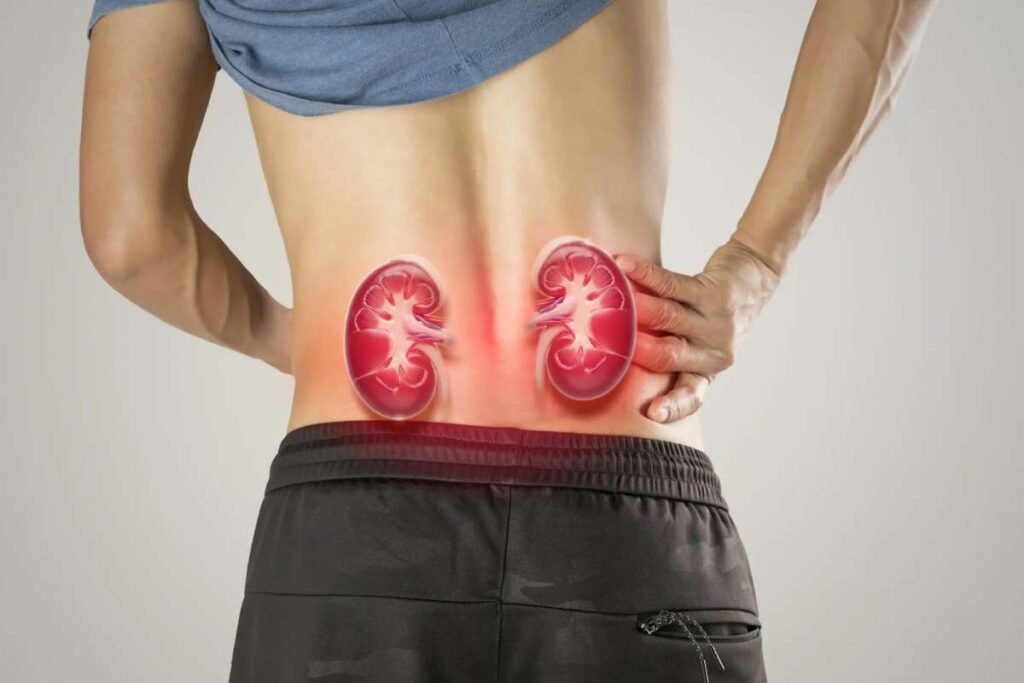
Kidney disease is often called a silent condition because symptoms may not be obvious until damage has progressed. However, early physical changes do occur.
Swelling in the feet, ankles, hands, or face happens when excess fluid builds up in the body. Changes in urination, such as foamy urine, reduced output, or increased nighttime urination, indicate impaired kidney filtration. Persistent fatigue and muscle cramps result from toxin accumulation in the blood.
Timely treatment can prevent further kidney damage and delay advanced complications.
7. Thyroid Disorders

| Aspect | Details |
| Symptoms | Sudden weight gain or loss, Mood swings or anxiety, Fatigue or low energy, Heat or cold sensitivity, Hair thinning or dry skin |
| Diagnosis | Thyroid blood tests (TSH, T3, T4)Thyroid ultrasoundRadioactive iodine uptake test |
The thyroid gland regulates metabolism, so imbalances affect multiple body systems. Early symptoms are often broad and mistaken for lifestyle issues.
Sudden weight gain or loss without dietary changes is a common sign. Mood swings, anxiety, or unexplained low energy reflect a hormonal imbalance. Sensitivity to heat or cold, along with hair thinning or dry skin, often develops gradually.
Early management helps restore hormone balance and prevents long-term metabolic issues.
8. Liver Disease

| Aspect | Details |
| Symptoms (Snapshot) | Liver function tests (LFTs), Ultrasound or CT scanL iver biopsy |
| Diagnosis | Liver function tests (LFTs)Ultrasound or CT scanL iver biopsy |
The liver works tirelessly to detoxify your body and support essential metabolism, yet liver disease can silently take hold. Often, the early signs of common diseases affecting the liver are so subtle that they’re mistaken for ordinary tiredness, making awareness crucial for early detection.
Yellowing of the skin or eyes indicates bile buildup in the bloodstream. Dark urine and pale stools reflect impaired bile processing. Ongoing fatigue and abdominal swelling suggest increasing liver strain.
When identified early, liver damage can often be slowed or even reversed with proper treatment and lifestyle changes.
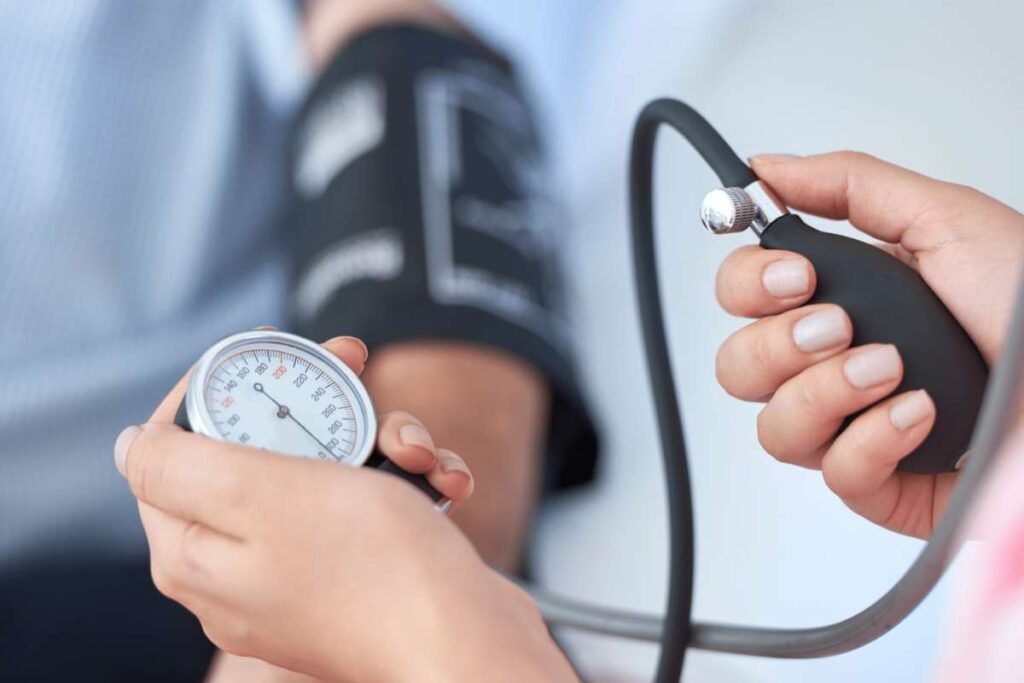
9. Hypertension (High Blood Pressure)
| Aspect | Details |
| Symptoms (Snapshot) | Frequent headaches Blurred vision Chest tightness Dizziness Occasional nosebleeds |
| Diagnosis | Repeated blood pressure readings, Ambulatory BP monitoring Blood and urine tests |
High blood pressure often develops without noticeable symptoms, which is why it is known as the “silent killer.” When signs do appear, they usually indicate rising risk.
Frequent headaches, blurred vision, or chest tightness may occur as pressure increases. Occasional nosebleeds or dizziness can also signal elevated blood pressure levels.
Regular monitoring is essential, as early control greatly reduces the risk of heart attack and stroke.
10. Depression & Anxiety Disorders

| Aspect | Details |
| Symptoms (Snapshot) | Persistent sadness, Loss of interest in activities,s Difficulty concentrating, Sleep disturbance,s Restlessness or fatigue |
| Diagnosis | Clinical psychological evaluation, Mental health questionnaires, Medical assessment to rule out physical causes |
Mental health conditions develop gradually and affect emotional, cognitive, and physical well-being. Early symptoms are often mistaken for temporary stress.
Persistent sadness, loss of interest in daily activities, and difficulty concentrating are common early signs. Changes in sleep patterns or appetite, along with constant restlessness or fatigue, indicate emotional imbalance.
Early recognition and support significantly improve recovery and long-term mental health outcomes.
Conclusion:
Most serious health conditions don’t appear without warning. They develop slowly, giving the body enough time to signal when something isn’t right. The challenge lies in recognizing these signals early before they turn into long-term complications. By understanding the early signs of common diseases, you allow yourself to act at the right time, when prevention and treatment are most effective.
Paying attention to subtle changes, scheduling regular health checkups, and seeking medical advice when symptoms persist can significantly reduce health risks. Small, proactive steps today, such as monitoring symptoms and adopting healthier habits, often make the biggest difference in long-term well-being.
Your body communicates constantly. Listening to it early is one of the most powerful choices you can make for a healthier future.
FAQs
1. What are the most common early signs of common diseases?
The most frequent early signs include fatigue, unexplained weight changes, frequent urination, shortness of breath, persistent cough, and mood changes. Recognizing these symptoms early can help prevent complications and improve treatment outcomes.
2. How can I differentiate minor issues from warning signs?
Minor discomforts are usually short-lived and linked to lifestyle or stress, while warning signs persist, worsen over time, or interfere with daily life. Tracking recurring symptoms and noting unusual changes helps identify potential problems early.
3. Why is it important to notice early signs of common diseases?
Noticing the early signs allows for timely medical intervention, reducing the risk of severe illness or irreversible damage. Early detection often makes treatment simpler, more effective, and improves long-term health.
4. Can lifestyle changes help if early signs appear?
Yes. Healthy habits such as balanced nutrition, regular exercise, stress management, and avoiding smoking can slow disease progression and improve overall well-being. Acting on early warning signs with lifestyle adjustments enhances prevention and recovery.
5. When should I consult a doctor regarding early signs?
You should see a doctor if symptoms persist for more than a couple of weeks, worsen over time, or involve sudden severe changes, such as chest pain, dizziness, or unexplained weight loss. Early consultation can prevent complications and support timely treatment.