According to research, nearly 1 in 5 people experience digestive discomfort like bloating, nausea, or an upset stomach at some point, and what you eat next can either ease the problem or worsen it. Easy to digest foods may be a gentler choice in these moments because their softer texture, moderate fat and fiber content, and simple preparation may make them easier to chew and tolerate.
In this guide, you’ll learn exactly which foods qualify, why each one is gentler on your stomach, and how to prepare them for maximum comfort. You’ll also discover why “easy to digest” doesn’t always mean “best for long-term gut health,” and how portion size, intolerances, and cooking methods change the equation.
Easy to Digest Foods: What Makes a Food Gentle on Your Stomach?

Foods may feel easier to tolerate when they have less rough fiber, lower fat, a softer texture, and gentle preparation. Fiber remains important for long-term digestive health. But during some digestive flare-ups, large amounts of rough, intact fiber, such as raw vegetables, seeds, or tough skins, may be uncomfortable. Lower-fiber choices can be gentler temporarily, depending on your symptoms.
Lower or gentler fiber
Choose peeled, cooked, or blended produce rather than large portions of raw, fibrous foods. Avoid reducing fiber long-term unless advised by a healthcare professional.
Lower fat
High-fat and fried foods can slow stomach emptying and may worsen discomfort or heartburn for some people. Baked, poached, or grilled foods are often gentler than greasy alternatives.
Soft texture
Cooked, mashed, peeled, or blended foods generally require less mechanical breakdown than hard, raw, or fibrous foods.
Preparation matters
| Instead of | Try |
| Raw vegetables | Well-cooked vegetables |
| Fried chicken | Baked or poached skinless chicken |
| Whole fruit with tough skin | Peeled or cooked fruit |
| Chunky nut butter | Smooth nut butter in a small portion |
The key to choosing foods easy to digest is not simply asking, “Is this food easy to digest?” Ask instead, “Is this portion, texture, and preparation easy for me to tolerate?” Tolerance varies, so introduce changes gradually and seek medical advice if symptoms persist or worsen.
Easy to Digest Foods to Try for a Sensitive Stomach
Foods that may be easier to digest are often soft, simply prepared, and moderate in fat and fiber. Tolerance varies, so start with a small portion and notice how your body responds. The National Cancer Institute includes foods such as white rice, eggs, skinless chicken, fish, bananas, applesauce, and peeled potatoes on its easy-to-digest food list for people experiencing certain treatment-related digestive symptoms.
Gentle carbohydrate choices
- White rice: Soft, low in fiber, and useful as a plain side or meal base.
- Plain oatmeal: Cooked oats have a soft texture; choose a small serving if fiber triggers symptoms.
- Peeled potatoes: Boiled, baked, or mashed potatoes without the skin are less rough.
- Plain toast: White toast is simple and often useful when appetite is low.
- Plain pasta or noodles: Soft, well-cooked noodles are usually easier than whole-wheat varieties.
- Poha: Soft, lightly cooked poha can be a mild option; limit chili, onion, and excess oil.
Softer fruits and vegetables
- Ripe bananas: Soft, low in rough fiber and easy to eat plain.
- Applesauce: Cooked and puréed, so it has less mechanical texture than a whole apple.
- Melon: Ripe melon is soft and water-rich; eat a modest portion.
- Cooked carrots: Steaming or boiling makes them softer and gentler.
- Cooked zucchini: Remove tough ends and cook until tender.
- Pumpkin or squash: Mash or blend it into a smooth soup or side dish.
Protein options
- Eggs: Scrambled, poached, or boiled eggs provide soft, simple protein.
- Skinless chicken: Bake or poach it, then serve it moist and tender.
- White fish: Steamed or baked fish provides a soft protein option without the added fat from frying.
- Tofu: Silken or softly cooked tofu may work well, depending on individual tolerance.
Simple mixed meals
- Plain khichdi: Soft rice and dal cooked with extra water can make a gentle meal; reduce spices if needed.
- Rice with lean protein: Combine white rice with poached chicken, fish, or egg.
- Oatmeal with banana: Cook oatmeal until soft and top it with mashed ripe banana.
How to Prepare Foods for Easier Digestion
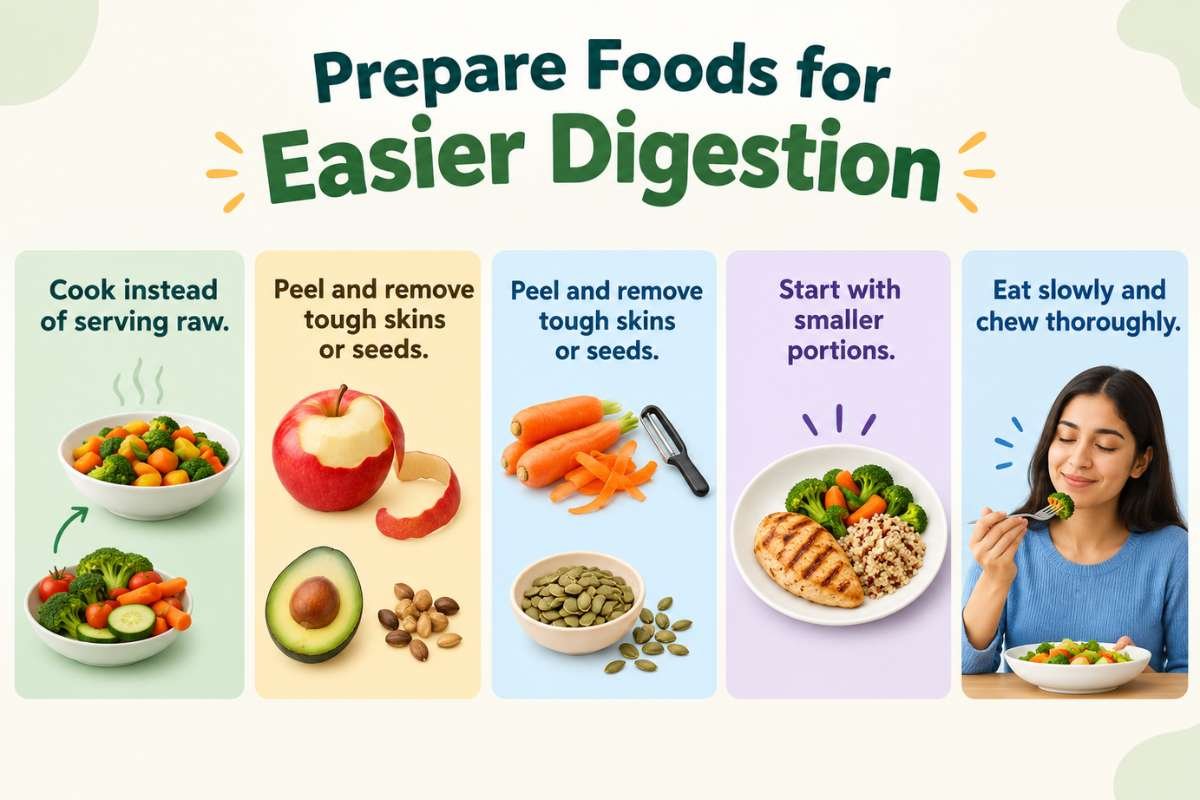
The same ingredient can feel different depending on how it is cooked, served, and eaten. For many people, these simple changes can make easy to digest foods more comfortable, especially during temporary digestive upset.
1. Cook instead of serving raw.
Cooking softens vegetables and changes their texture. This makes them easier to bite and chew. Try steamed carrots, boiled potatoes, or cooked zucchini instead of raw versions.
2. Peel and remove tough skins or seeds.
Peel fruits and vegetables when their skin is tough or fibrous. Remove seeds from produce if they cause discomfort. Applesauce, peeled peaches, and mashed pumpkin are softer alternatives.
3. Choose gentle cooking methods.
Use baking, boiling, steaming, or poaching. These methods usually add less fat than frying and help keep food tender. This isn’t just a texture preference; a controlled study using ultrasound measurement found that gastric emptying after a fried meal took about 317 minutes on average, compared to roughly 227 minutes for the same meal prepared without frying.
4. Start with smaller portions.
A food that feels comfortable in a small serving may cause bloating or discomfort when eaten in a large meal. Begin with a modest portion and increase it gradually if tolerated. Smaller meals may also be more comfortable than large ones.
5. Eat slowly and chew thoroughly.
Do not rush meals. Take smaller bites, chew each mouthful well, and pause between bites. Chewing begins the mechanical breakdown of food and helps mix it with saliva before it reaches the stomach.
The key takeaway: do not judge a food by its name alone. Its texture, cooking method, and portion size can make the same ingredient easier or harder to tolerate.
Foods to Limit When Your Stomach Feels Sensitive
When your stomach feels unsettled, some foods may be harder to tolerate. This does not mean they are universally “bad for digestion.” Sensitivity depends on the person, the portion, and the symptoms involved. The NHS also recommends noticing your individual food triggers rather than avoiding every potential trigger.
Consider limiting:
- Fried and greasy foods: Fried chicken, chips, rich sauces and pastries may worsen heaviness, indigestion or reflux.
- Very high-fiber foods: During acute diarrhea, bloating or stomach discomfort, large amounts of beans, bran, raw salads and whole grains may be difficult to tolerate temporarily.
- Raw, tough vegetables: Raw cabbage, broccoli, carrots and similar fibrous vegetables may feel harder to digest than cooked versions.
- Very spicy foods: Chili-heavy meals can aggravate burning, indigestion, or reflux in some people.
- Carbonated drinks: Fizzy drinks may increase bloating and can worsen reflux symptoms.
- Alcohol: Alcohol may irritate the stomach and aggravate indigestion or gastritis.
- Personal triggers: Keep a simple food-and-symptom diary to identify foods that repeatedly cause discomfort.
- Dairy when lactose intolerant: Milk, ice cream, and other lactose-containing foods may cause gas, bloating, diarrhea, or abdominal pain.
Rather than removing multiple food groups at once, try changing one food or preparation method at a time. If symptoms continue, become severe, or lead to weight loss, speak with a healthcare professional.
How to Build a Simple, Easy-to-Digest Meal
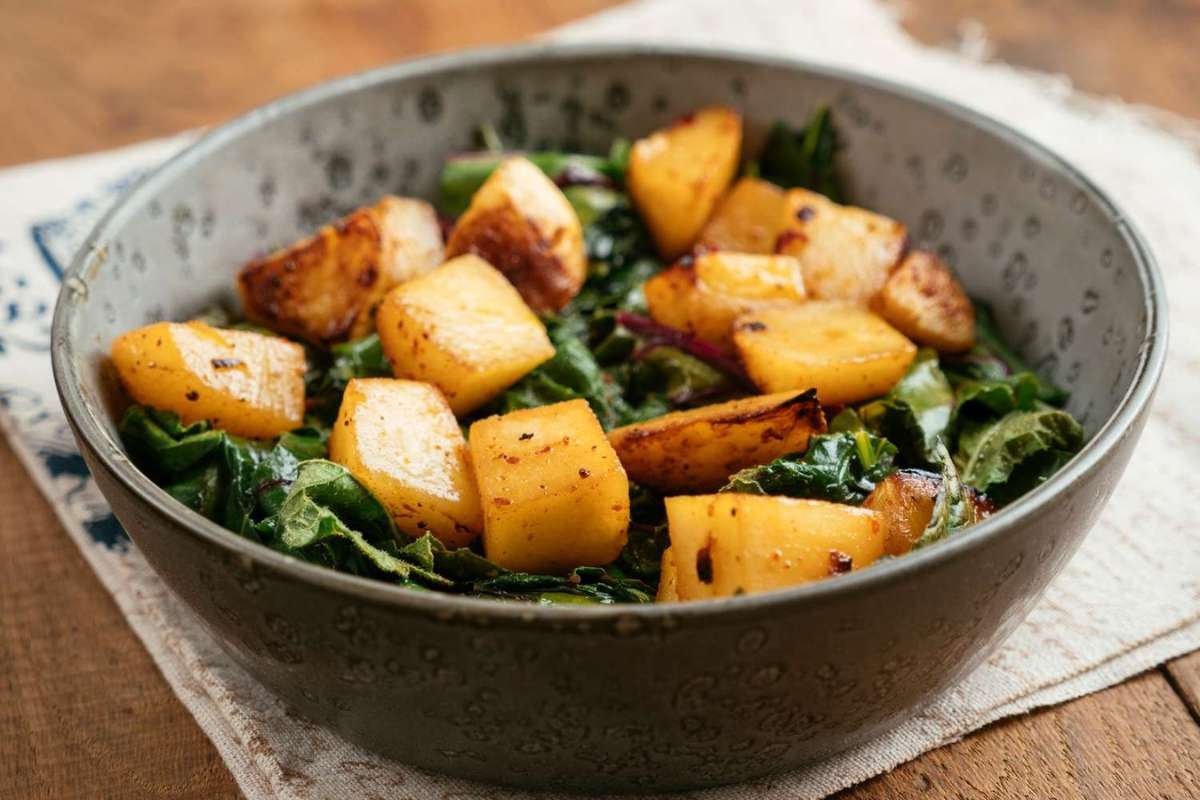
A practical meal formula is:
1 gentle carbohydrate + 1 tolerated protein + 1 well-cooked vegetable + fluid
This creates a balanced meal without relying on complicated recipes. Soft, well-cooked foods and smaller meals are often recommended when digestion is sensitive.
Easy combinations
- White rice + poached fish + cooked carrots: A soft, low-fat meal with mild flavors.
- Khichdi + plain curd, if tolerated: Cook the rice and dal until soft, and keep the spices light. Choose lactose-free curd if dairy causes symptoms.
- Oatmeal + ripe banana: Cook the oats until soft and add mashed banana for gentle sweetness.
- Mashed potato + scrambled egg: Use potatoes without the skin and prepare the egg with little oil.
- Plain poha + banana: Keep the poha soft and avoid excess chili, oil, or raw vegetables.
When choosing easy to digest foods, preparation and portion size matter as much as the ingredient itself. Start with a small serving, eat slowly, and sip water or another tolerated fluid. If a meal causes discomfort, simplify it. For example, try plain rice before adding protein or vegetables.
Individual tolerance varies. Foods that suit one person may trigger bloating, reflux, diarrhea, or pain in another. So use these combinations as starting points rather than strict rules. If symptoms persist or are severe, consult a healthcare professional.
When Digestive Symptoms Need Medical Attention
Occasional stomach discomfort may improve with simpler meals, but seek medical advice if symptoms are persistent, severe, or worsening. Get prompt medical help for:
- Severe or worsening abdominal pain.
- Repeated vomiting or inability to keep fluids down.
- Blood in vomit or stool, including black or tar-like stool.
- Significant unexplained weight loss.
- Persistent diarrhea or constipation.
- Symptoms that repeatedly interfere with eating or cause ongoing loss of appetite.
Although easy to digest foods may provide temporary comfort, they should not replace diagnosis or treatment. People with IBS, GERD, inflammatory bowel disease, celiac disease, gastroparesis, or known food intolerances may need individualized advice from a doctor or registered dietitian. The right diet depends on the condition, symptoms, medications, and nutritional needs. Avoid making major long-term restrictions without professional guidance.
Conclusion:
Easy to digest foods can make a real difference when your stomach needs a break. Soft textures, gentle cooking methods, and smaller portions all work together to ease discomfort. But remember, “easy to digest” is a short-term strategy, not a permanent diet. What works for one person may not work for another. So pay attention to your own triggers, introduce changes gradually, and don’t hesitate to reach out to a healthcare professional if symptoms persist or worsen.
The next time your stomach feels off, start simple: pick one gentle food, prepare it with care, and see how you feel. Small, mindful food choices may help you find what feels more comfortable while your stomach settles.
FAQ:
1. What are the easiest foods to digest when your stomach feels upset?
Soft, lower-fat foods such as white rice, bananas, oatmeal, potatoes, toast, eggs, and well-cooked vegetables may be easier to tolerate. Individual tolerance still varies.
2. What makes a food easy to digest?
Foods may be easier to digest when they are soft, relatively low in fat and fiber, and prepared by cooking, peeling, mashing, or blending. Portion size and personal tolerance also matter.
3. Which fruits are easiest to digest?
Ripe bananas, melons, applesauce, and peeled or cooked fruits may be easier to tolerate than fruits with tough skins, seeds, or large amounts of insoluble fiber.
4. Are vegetables easy to digest?
Cooked, peeled, and soft vegetables such as carrots, zucchini, pumpkin, and potatoes may be easier to tolerate than raw or very fibrous vegetables when your stomach is sensitive.
5. Can easy to digest foods help with bloating?
They may help some people feel more comfortable, particularly when bloating is triggered by large meals, high-fat foods, or certain high-fiber foods. Persistent or recurrent bloating should not automatically be managed through dietary restriction alone.
Visit more of our blogs! Healthcare 360 Magazine