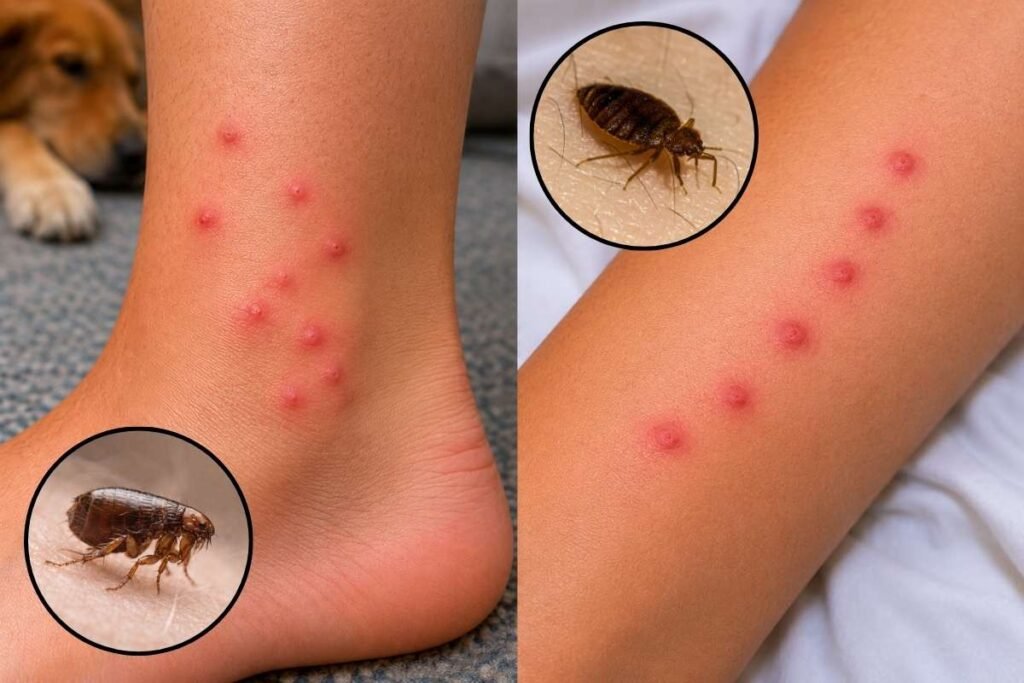
Flea bites usually occur on the lower body in random clusters, while bed bug bites typically appear on the upper body in linear, zigzag patterns. Both are generally treated with topical anti-itch creams, but identification is key to effective home pest management. Read on to learn how to spot the difference between a flea bite vs. bed bug bite and find simple steps to reclaim your home.
Waking up to itchy, red bumps is never fun. If you find strange marks on your skin, it is natural to feel a bit stressed. To get the relief you need, you first have to figure out who or what is biting you. Knowing how to tell the difference between a flea bite vs. bed bug bite is the way to solve the problem for good instead of just treating the itch.
Flea bites are usually found on the lower legs and ankles in messy, scattered groups. While bed bug bites often show up on your face, neck, and arms, in a straight line or a zigzag pattern.
Ready to get to the bottom of this? Let’s look at how your body reacts to these bites so you can identify exactly which pest is hiding in your home.
Flea Bite vs. Bed Bug Bite: Key Differences
Use this table to quickly compare the key differences between these two common household pests.
| Flea Bites | Feature | Bed Bug Bites |
| Lower legs, ankles, feet | Primary Location | Face, neck, arms, upper back |
| Random, scattered clusters | Typical Pattern | Linear, zigzag, or triangle |
| Immediate | Itch Timing | Delayed (hours to days) |
| Sharp, stinging/burning | Bite Sensation | Usually painless initially |
| White sock test, flea dirt | How to Identify | Mattress seams, fecal spots |
| Soap/water, pet flea control | General Treatment | Soap/water, pro exterminator |
Below, you will find a detailed breakdown of each feature and essential information to help you manage these pests and keep yourself safe. Read on to learn exactly what you are dealing with and how to restore your peace of mind.
How to Identify Flea Bites vs. Bed Bug Bites?
Your body’s reaction to these bites is your first big clue.
Flea bites usually cause a reaction right away. Because fleas feed fast and then jump off, you might feel a sharp sting or an itch almost instantly. This usually leaves a small red bump with a tiny red ring or halo around it.
Bed bug bites are sneakier. These bugs inject a numbing agent while they feed, so you rarely feel the bite when it happens. Because of this, your skin may not react for hours or even days. When the itchy, raised bumps finally show up, you might not even remember when or where you were bitten.
Why Do Flea Bite vs. Bed Bug Bite Locations Differ?
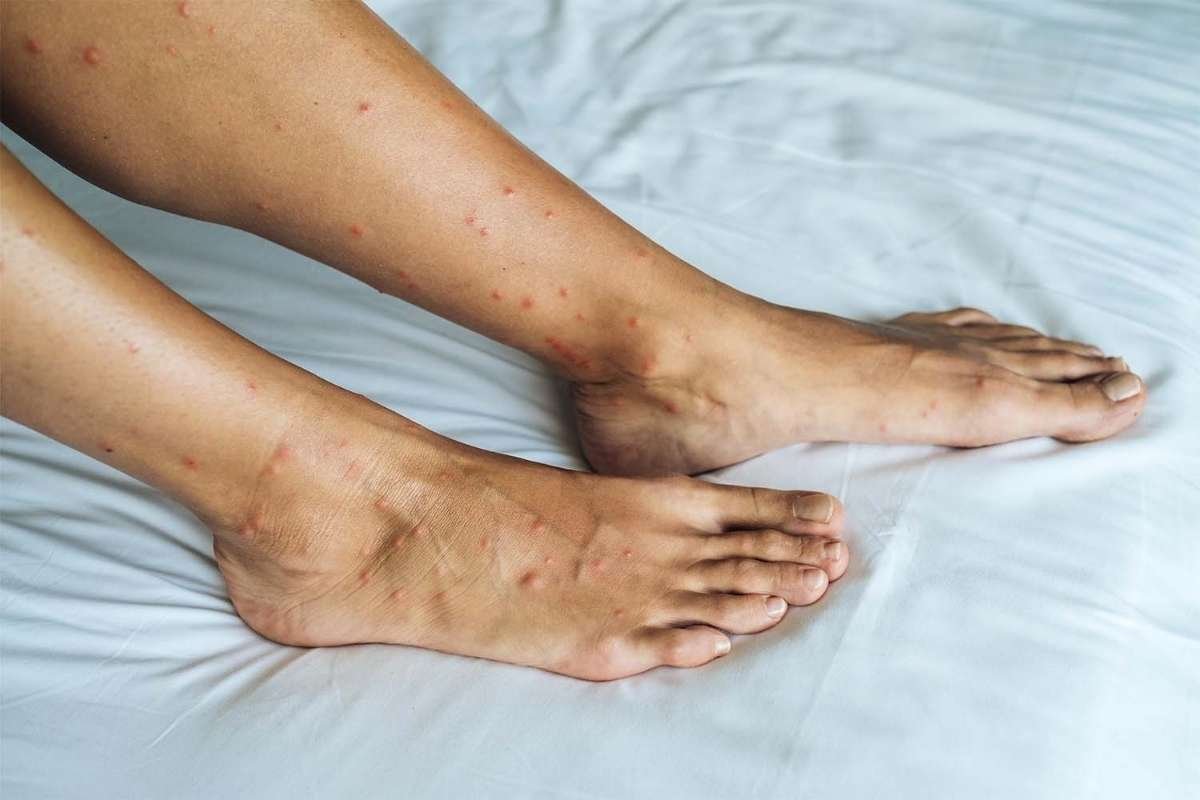
Bite locations are not random; they depend on how the insect lives.
Fleas stay low to the ground. They jump from carpets, pet beds, or grass onto your ankles and calves. If you see bites on your lower legs, you likely have fleas.
Bed bugs are great climbers and hitchhikers. They stay near where you sleep and crawl onto your skin while you rest. This is why they prefer your upper body. They are drawn to your body heat and the air you breathe out, which leads them straight to your neck, shoulders, and arms.
READ MORE:
- Bed Bug Bites Symptoms: Identification, Treatment, and Prevention
- Understanding Spider Bites: Symptoms, Treatment, and Prevention
How to Treat Flea Bites vs. Bed Bug Bites And When to Seek Help?
For most healthy adults, skin relief is the same for both flea and bed bug bites, making them easy to manage at home. The main goal is to stop skin infections that happen when you scratch too hard.
- Supportive Care: Keep the area clean by washing with soap and water to prevent bacteria from entering the puncture site.
- Itch Relief: You can buy hydrocortisone cream or oral antihistamines at the store to help with redness and itching.
- Use a Cold Pack: If the area is very swollen, put a cold pack on it for 10 minutes. This helps lower the heat and calms the swelling.
According to the American Academy of Dermatology (AAD), you should consult a dermatologist or primary care provider if you experience:
- Bites that show signs of infection, such as pus, extreme warmth, or spreading redness.
- An allergic reaction characterized by hives, difficulty breathing, or severe swelling.
- Systemic symptoms like fever or nausea, which could indicate a rarer flea-borne pathogen.
How to Find Hidden Signs of Pests in Your Home?
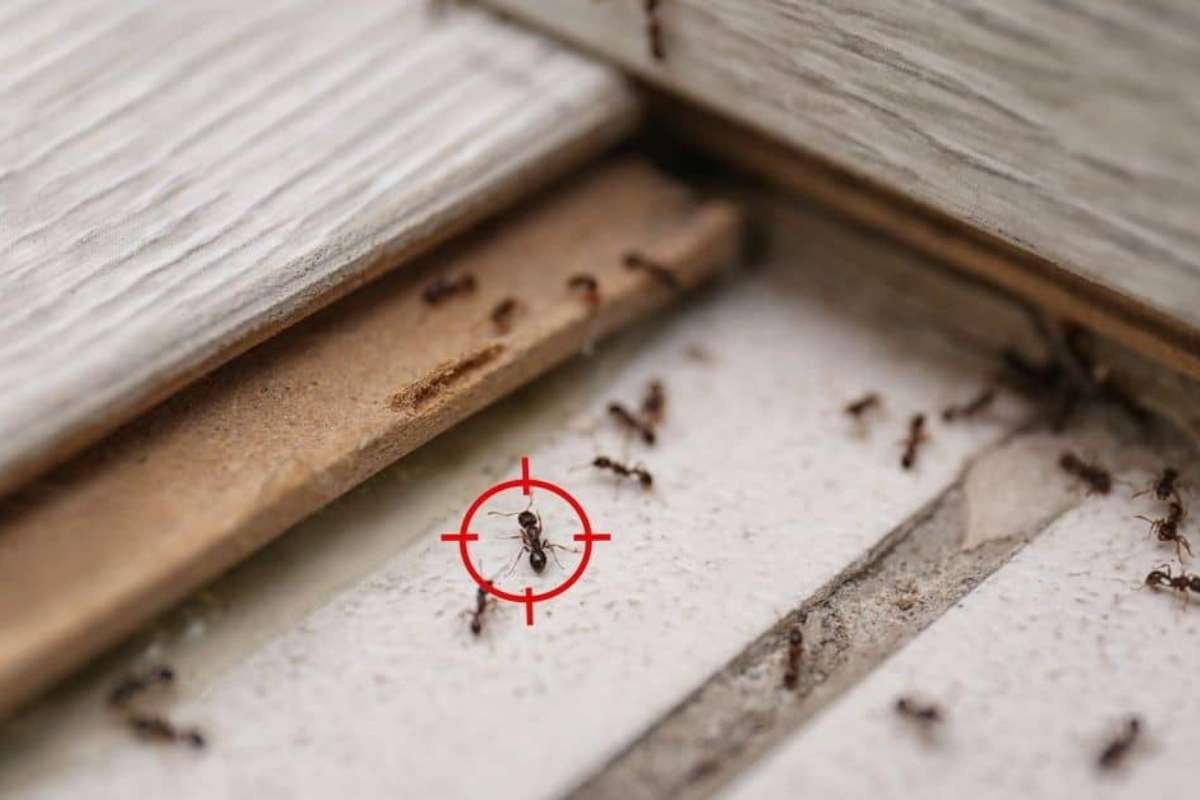
If the bite pattern is unclear, use your environment to find the culprit. Inspect these specific areas to confirm which pest is present.
Identifying Fleas:
Use these simple methods to confirm the presence of fleas.
- The White Sock Test: Wear long white socks and walk across carpeted rooms or pet areas. Fleas will jump onto the fabric, making them easy to spot against the white surface.
- Pet Inspection: Run a fine-tooth comb through your pet’s fur. Look for flea dirt, which resembles dark, coarse black pepper.
- The Paper Test: If you find dark specks, place them on a wet white paper towel. If the specks turn reddish-brown, it is flea waste containing digested blood.
Identifying Bed Bugs:
Expand your search for bed bugs to the areas where they hide during the day:
- Mattress Seams: Pull back the sheets and check the folds and seams of your mattress. Use a flashlight to look for tiny, rust-colored spots, which are fecal waste.
- Hidden Spots: Check your headboard, nightstand, and baseboards. Bed bugs hate light and hide in these tight cracks during the day.
- Signs of Molting: Look for tiny, pale skins. Bugs leave these behind as they grow. You can often find them near where the bugs hide.
How Can You Keep Your Home Safe and Pest-Free?
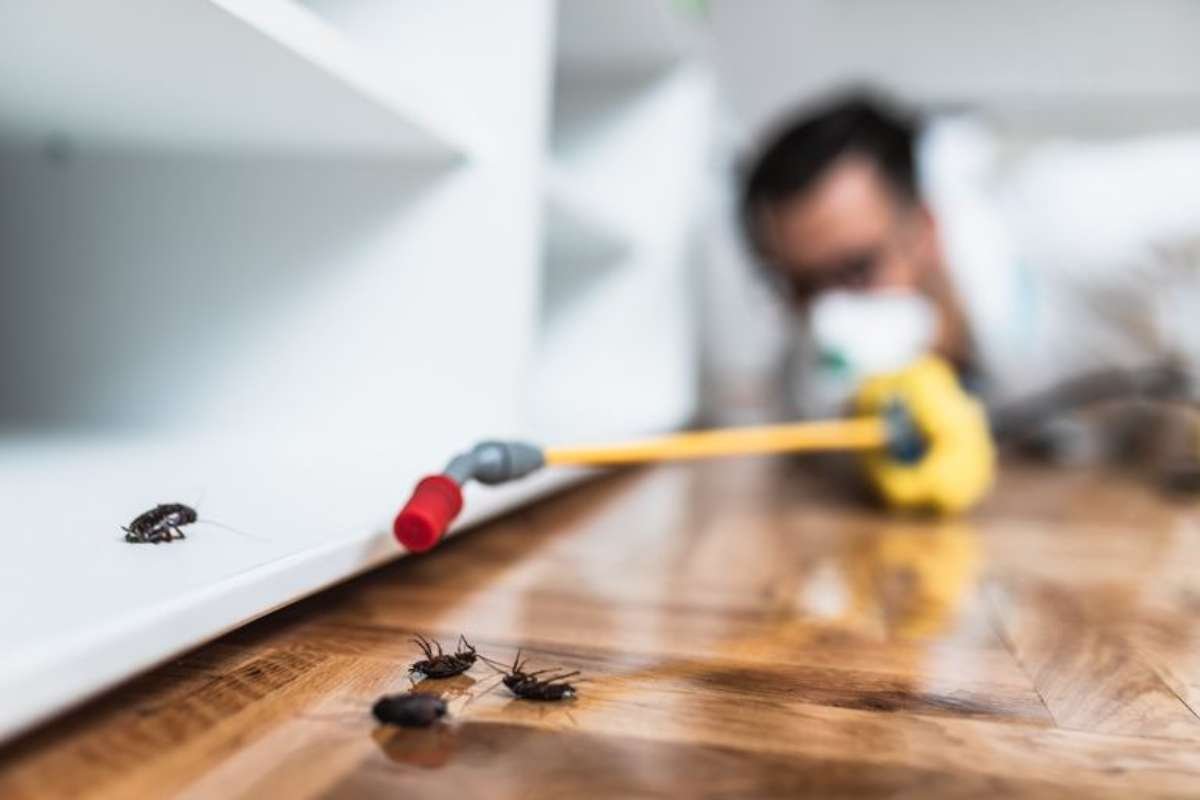
Knowing how to distinguish between a flea bite vs. bed bug bite is the first step toward reclaiming your space. Once you identify the culprit, taking quick action can stop a small issue from growing into a much larger one.
- Handle flea issues: If you have pets, talk to your vet about the best flea medicine. Also, vacuum your carpets and rugs every week to pick up any eggs or pests.
- Remove bed bugs: The Centers for Disease Control and Prevention suggests calling a professional pest control service for bed bugs. These bugs are very hard to get rid of on your own, and experts have the right tools to finish the job.
- Keep your home tidy: By cleaning your home regularly, you protect your health and stop the itchy cycle for good.
Conclusion:
You do not have to live with itchy skin. Now that you know the differences between a flea bite vs. bed bug bite, you can act fast. Start by checking your home for signs, and use the right cleaning tips to protect your space. By taking these simple steps today, you can reclaim your home and finally get a good night’s rest.
FAQs
1. Can bed bug bites cause a fever?
Rarely. Fevers are not typical. If you have a fever along with your bites, see a doctor to rule out other health issues.
2. Are flea bites bad for my health?
Most flea bites only cause itching. However, they can sometimes spread germs. If you feel sick, have muscle aches, or get a strange rash, call your doctor.
3. Why do my bites seem to get worse at night?
Both fleas and bed bugs are most active at night when you are resting. Also, your body temperature often rises while you sleep, which can make itchy areas feel much more intense.
4. Should I throw away my bedding or furniture if I find pests?
Not always. In many cases, professional pest control experts can treat your furniture so you do not have to replace it. Talk to a professional before you decide to get rid of any belongings.
Sources:
- Asthma and Allergy Foundation of America (AAFA). Biting Insect Allergy: Bed Bugs and Fleas.
- National Institutes of Health (NIH) / MedlinePlus. Insect Bites and Stings Overview.