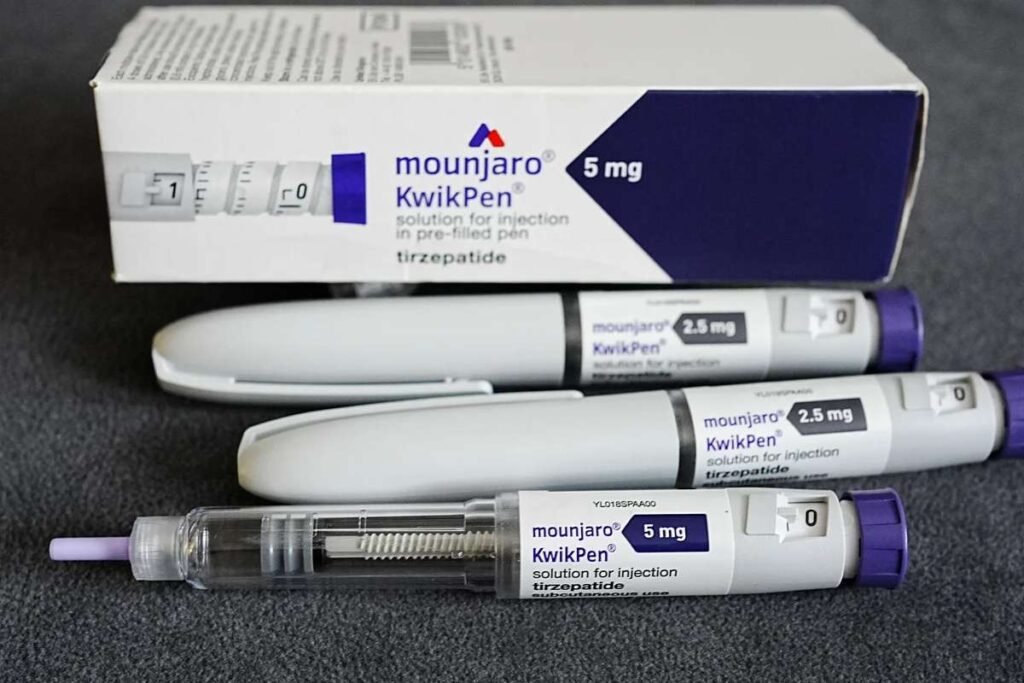
A large U.S. study finds that GLP-1 weight loss drugs such as Ozempic and Mounjaro may lower the risk of addiction and overdoses among people with diabetes by altering brain reward pathways linked to cravings.
Study Links GLP-1 Drugs To Lower Risk Of Substance Use
Research published in the British Medical Journal suggests medications commonly prescribed for type 2 diabetes and obesity may also reduce the likelihood of developing substance use disorders.
The U.S. study analyzed health data from 606,434 veterans diagnosed with type 2 diabetes and monitored them for up to three years. Researchers compared outcomes among patients taking GLP-1 receptor agonists with those taking sodium-glucose cotransporter-2 drugs, another common diabetes treatment.
Patients using GLP-1 drugs showed lower rates of several substance-related disorders. The study found an 18 percent lower risk of alcohol-related disorders and reduced likelihood of using cannabis (14 percent), cocaine (20 percent), nicotine (20 percent), and opioids (25 percent).
Scientists believe that GLP-1 weight loss drugs may influence the brain’s reward system, which is closely tied to cravings and addiction. These drugs mimic a hormone released after eating, helping users feel fuller while also affecting pathways linked to pleasure and motivation.
“This study adds to emerging research exploring whether GLP-1 medicines may influence brain pathways involved in reward and addiction,” said Claire Anderson, president of the Royal Pharmaceutical Society.
However, Anderson cautioned that the research does not prove the medications prevent or treat addiction.
“As this was an observational study, it is important to be clear that it does not show these medicines prevent or treat addiction,” she said. “Further research, including clinical trials, will be needed to understand whether GLP-1 medicines have a direct effect.”
Researchers Report Fewer Overdoses And Emergency Visits
The study also found promising outcomes among patients who were already using addictive substances.
Patients taking GLP-1 weight loss drugs were found to have a 39 percent lower risk of overdosing. They were also 31 percent less likely to require emergency medical treatment and 50 percent less likely to die from substance-related causes during the study period.
Experts say the findings highlight the potential broader health benefits of drugs originally developed to control blood sugar and promote weight loss.
“This is a significant study and shows that weight loss treatment may have the potential to give important additional therapeutic benefits,” said Gareth Jones of the National Pharmacy Association.
Jones said researchers continue to learn more about the long-term impact of GLP-1 medications. He added that treatments addressing obesity often influence multiple health outcomes beyond weight management.
At the same time, he noted that access to the medications remains limited in many health systems. “Weight loss treatment can have a positive effect on a range of health outcomes, for those patients who are eligible and really need it,” Jones said.
Separate Research Shows Weight Often Returns After Stopping Drugs
While GLP-1 drugs continue to gain popularity worldwide, other studies highlight challenges associated with long-term use.
A separate meta-analysis conducted by researchers at the University of Cambridge examined 48 earlier studies on the medications and found that many patients regain weight after discontinuing treatment.
The analysis, published in the journal eClinical Medicine, reported that individuals typically regain about 60 percent of lost weight within a year of stopping the drugs and as much as 75 percent over time. On average, only about 25 percent of the initial weight loss is maintained in the long term.
Researchers said that for someone who lost one-fifth of their body weight during treatment, the sustained reduction could equal about five percent.
The study also found that many patients discontinue treatment early. About half stop taking GLP-1 drugs within one year, while three-quarters discontinue them within two years. Side effects such as nausea and the high cost of the medications are cited as common reasons.
Public perception may also shape how these medications are used. A survey of more than 3,000 users conducted by Simple Online Pharmacy revealed that two-thirds of those taking GLP-1 weight loss drugs hide their use from friends or family because of fear of judgment.
Among respondents who reported criticism, nearly 79 percent said they were accused of taking “the easy way out,” while 68 percent were told to “just eat less and move more.”
Researchers say the growing evidence surrounding GLP-1 medications underscores the need for further clinical trials to understand their full medical potential, including possible roles in addiction treatment.
Visit Healthcare 360 Magazine For The Most Recent Information.