Key Takeaway:
- The gut brain connection may explain why gut changes, including constipation and REM sleep behavior disorder, can appear years before Parkinson’s movement symptoms.
- GLP-1 medications may offer gut-protective benefits, potentially lowering the risk of ulcers and some cancers beyond diabetes treatment.
- Most Americans fall short on fiber intake, despite its proven benefits for gut, heart, and brain health.
New research discussed by Harvard gastroenterologist Dr. Trisha Pasricha suggests some cases of Parkinson’s disease may begin in the gut years before movement symptoms appear, while evidence also links higher fiber intake and GLP-1 medications to improved digestive and overall health.
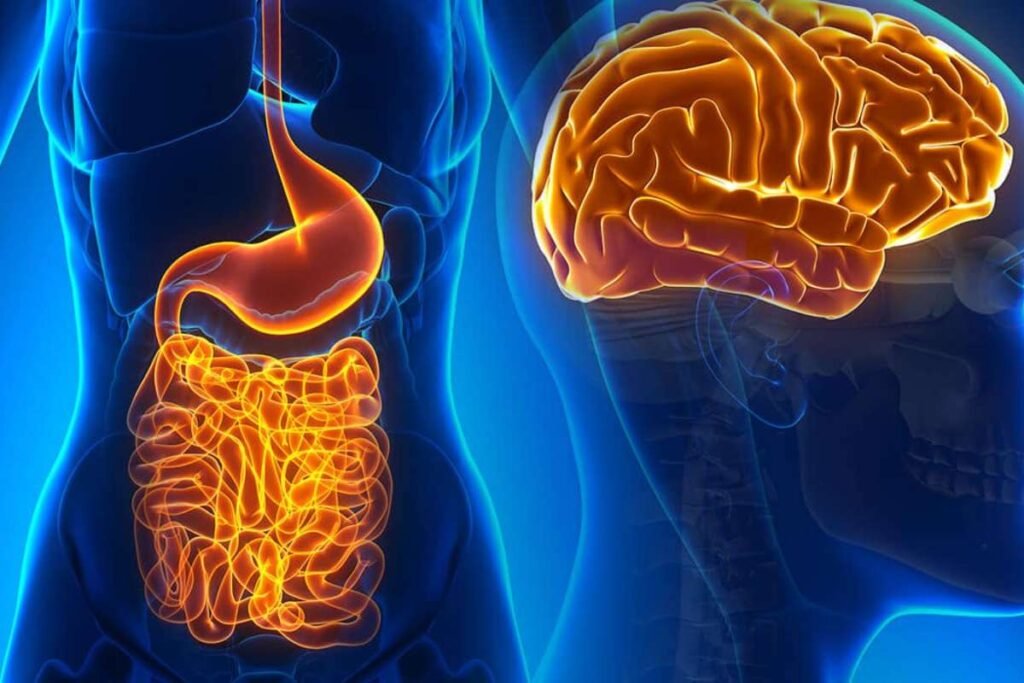
Scientists continue to uncover the gut brain connection, with emerging evidence suggesting nutrition plays a larger role in preventing and managing disease. During an episode of the “Healthful” podcast, Pasricha said experts increasingly view the gut as an organ that directly influences brain health.
“I think the reframe that really helps is if you stop thinking about your gut as plumbing, you think about it as a brain,” said Pasricha, a double board-certified internal medicine physician, gastroenterologist, head of the Gut-Brain Institute and assistant professor at Harvard Medical School.
Researchers Link Gut Changes to Parkinson’s Disease
Pasricha discussed what researchers call the “first-gut theory” of Parkinson’s disease. The theory supported by research into the gut brain connection, suggests that, in some patients, abnormal protein changes begin in the digestive system before spreading to the brain.
According to Pasricha, a hallmark of Parkinson’s disease is a misfolded protein that damages dopamine-producing neurons, eventually causing the tremors commonly associated with the condition. Research indicates that the protein may begin misfolding in the gut years before neurological symptoms develop.
She said many Parkinson’s patients experience gastrointestinal problems, including constipation and nausea, long before movement-related symptoms appear, further highlighting the importance of the gut brain connection in early disease detection.
Another possible early warning sign is REM sleep behavior disorder, a condition in which people physically act out vivid dreams while sleeping.
Pasricha said she hopes advances in research over the next 10 to 15 years will allow physicians to diagnose prodromal Parkinson’s disease through changes detected in the gut before traditional symptoms develop.
Research Points to Potential Benefits of GLP-1 Drugs
Although GLP-1 medications are commonly associated with side effects such as constipation, nausea and indigestion, Pasricha said research from her laboratory suggests they may also provide protective benefits for digestive health.
She said GLP-1 users appear less likely to develop ulcers, colorectal cancer and several other forms of cancer.
Researchers believe the medications may lower inflammation throughout the digestive tract and the rest of the body, which could strengthen the gut brain connection and contribute to the reduced disease risk, Pasricha said. She noted that research into these potential benefits is continuing.
Experts Encourage Higher Daily Fiber Intake
Pasricha also emphasized the importance of dietary fiber, noting that 95% of Americans do not meet recommended daily fiber intake goals.
She said fiber supports the gut brain connection, along with heart health, brain health, and helps reduce inflammation. Current recommendations call for women younger than 50 to consume 25 grams of fiber daily and women age 50 and older to consume 21 grams. Men younger than 50 should aim for 38 grams daily, while men age 50 and older should consume 30 grams.
Rather than eliminating foods, Pasricha recommends adding fiber-rich options such as berries, nuts, and other high-fiber foods to daily meals. She also advises travelers to pack fiber supplements to help maintain consistent intake.