
You have probably heard someone say, “You should be taking omega-3,” but rarely does anyone explain why it actually matters. Maybe you noticed it on supplement bottles, nutrition labels, or health articles discussing heart and brain health. The real question is simple: what does omega-3 actually do for your body?
The health benefits of omega-3 come from the way these essential fatty acids support everyday functions you often take for granted. Since your body cannot produce omega-3 on its own, getting enough through food or supplements becomes an important part of staying healthy and energized.
But what exactly is this famous omega-3?
What is Omega-3?
Omega-3 refers to a group of healthy fats that your body needs every day. These fats contribute to many health benefits of omega-3 and help cells work well. Your body cannot make enough omega-3 on its own. This means you must get it through food or supplements.
Omega-3 belongs to a type of fat called polyunsaturated fatty acids. These fats help build cell membranes and support brain, heart, and eye health. They also help control inflammation inside the body. Many experts link regular intake with long-term wellness.
There are three main types of omega-3 fatty acids. Each type works in a slightly different way.
I. ALA (Alpha Linolenic Acid)
ALA mainly comes from plant-based foods. The body uses ALA as an energy source. It can also convert small amounts into other omega-3 forms. However, this conversion process is limited. Only a small percentage turns into active fatty acids.
II. EPA (Eicosapentaenoic Acid)
EPA is mostly found in fatty fish and seafood. It supports heart health and helps manage inflammation levels. EPA also helps regulate immune responses. It can also support mood balance and mental well-being in some individuals. According to a study published in the American Heart Association, DHA consumption is associated with a lower risk of stroke.
III. DHA (Docosahexaenoic Acid)
DHA plays a major role in brain and eye development. It forms a key structural fat in the brain and retina. This makes it important during pregnancy, childhood, and aging. DHA also supports memory, learning ability, and visual health
Together, ALA, EPA, and DHA work to support overall health. A balanced diet that includes different omega-3 sources helps ensure proper intake.
The 20 Health Benefits of Omega-3 That Your Body Will Thank You For
Your body depends on healthy fats to function well each day. omega-3 supports the heart, brain, joints, and many vital systems at once. These benefits go beyond basic nutrition and affect overall health. The following advantages show how regular intake can support both daily comfort and future well-being.
1. Supports Heart Health

omega-3 helps the heart beat in a steady rhythm. It reduces inflammation inside blood vessels and improves blood flow. Smooth circulation allows the heart to work with less effort. This reduced strain represents one of the practical health benefits of omega-3 seen over time. It lowers the daily stress placed on the cardiovascular system.
omega-3 also helps lower triglyceride levels in the blood. High triglycerides can increase the risk of heart problems. EPA supports healthier arteries by limiting fat buildup along vessel walls. Populations that eat more fatty fish often show better heart health patterns.
2. Helps Reduce Blood Pressure

Blood pressure rises when arteries become stiff or narrow. Omega-3 helps blood vessels relax and stay flexible. Flexible arteries allow blood to move more easily through the body. This reduces pressure placed on vessel walls.
omega-3 also supports signals that control vessel tightening and relaxation. Balanced vessel movement improves overall circulation. Small improvements in blood pressure can reduce strain on the heart and kidneys. Daily food choices often influence these changes over time.
3. Lowers the Risk of Stroke

Stroke risk increases when blood flow to the brain becomes blocked. Omega-3 reduces platelet stickiness, which lowers clot formation. Smooth blood flow helps maintain oxygen supply to brain tissue. Healthy circulation protects important brain functions.
DHA also supports strong blood vessel walls connected to the brain. Stronger vessels remain less likely to block or rupture. omega-3 supports both vascular and brain health at the same time. This dual effect makes it valuable for extended protection.
4. Reduces Inflammation in the Body

Inflammation helps the body heal after injury or infection. Trouble starts when this response stays active for too long. Another one of the health benefits of omega-3 is that it helps the body switch off excess inflammation once healing begins. It produces compounds that signal immune cells to calm down.
Inflammation of the heart can affect joints, metabolism, and heart health. EPA reduces the release of inflammatory chemicals in the body. This helps tissues recover without ongoing irritation. Many people notice less joint stiffness and better recovery after regular intake.
5. Improves Brain Function

DHA forms an important part of brain cell structure. Healthy cell membranes help brain cells send signals quickly and clearly. This supports memory, focus, and learning ability. Efficient communication between neurons improves daily mental performance.
omega-3 also supports steady blood flow to the brain. Good circulation delivers oxygen and nutrients needed for thinking tasks. This helps maintain attention during long periods of work or study. Stable brain function depends on strong cell structure.
6. May Slow Cognitive Decline

Brain cells naturally change as people age. DHA helps maintain flexibility in neuron membranes, contributing to the health benefits of omega-3 for memory retention. Flexible cells communicate more easily with each other. This supports memory and reasoning abilities over time.
omega-3 also helps reduce inflammation inside brain tissue. Lower inflammation protects neurons from gradual damage. Healthy brain cells remain active for longer periods. Early dietary support often influences cognitive health later in life.
7. Supports Mental Health and Mood Balance

omega-3 helps the brain manage mood signals more effectively. DHA supports healthy brain cell structure and smooth communication between neurons. When brain cells communicate well, emotional responses stay more balanced. This may help reduce feelings of stress and low mood.
It can affect serotonin activity in the brain. Serotonin helps regulate mood, sleep, and emotional stability. Low omega-3 levels are often linked with mood imbalance in adults. Regular intake supports steady mental well-being during daily stress.
8. Promotes Healthy Vision

DHA forms an important part of the retina in the eye. The retina converts light into signals that the brain understands. Healthy DHA levels help maintain clear and stable vision. This supports focus during reading, screen use, and daily tasks. These visual advantages represent valuable health benefits of omega-3 for eye health.
Omega-3 also helps keep the eye surfaces hydrated. Proper tear production reduces dryness and irritation. People who spend long hours on digital screens may notice better eye comfort. Healthy fats support overall eye function.
READ MORE:
- The Amazing Health Benefits of Eating a Cucumber (and Why It Belongs in Your Daily Diet)
- Is Nectarine a Super fruit? Here are 8 Health Benefits of Nectarines that You Should Know
9. Helps Protect Against Age-Related Vision Loss

Vision often weakens as eye cells change with age. omega-3 helps protect retinal cells from inflammation and damage. Healthy cells respond better to light and visual signals. This helps maintain visual clarity over time.
It also supports blood flow to tissues behind the eye. Good circulation delivers oxygen needed for retinal health. Strong retinal support may slow the gradual vision decline. Eye health often depends on overall nutritional support.
10. Reduces Joint Pain and Stiffness

Joint pain often occurs due to inflammation around tissues. omega-3 helps lower this inflammation in the body. Reduced swelling allows joints to move more freely. Many people notice less stiffness during daily movement.
omega-3 also supports lubrication between joints. Better joint movement improves comfort during walking or exercise. Active individuals and older adults often benefit from this effect. Flexible joints support easier mobility.
11. Supports Healthy Pregnancy

omega-3 supports important changes during pregnancy. DHA helps maintain healthy cell growth in both mother and baby. This makes it one of the most important health benefits of omega-3. Proper fat intake also supports the placenta’s function. This helps deliver nutrients to the developing fetus.
omega-3 may also support a healthy pregnancy duration. Balanced nutrition helps lower certain pregnancy-related risks. Many prenatal diets include DHA for this reason. Nutritional support becomes important during this stage.
12. Aids Fetal Brain Development

DHA plays a key role in fetal brain growth. The developing brain needs healthy fats to build cell structures. Strong neuron formation supports learning and memory later in life. Brain growth remains rapid during pregnancy.
omega-3 also supports early eye and nervous system development. These systems begin forming before birth. Adequate DHA helps support normal developmental stages.
13. Helps Regulate Blood Sugar Levels

Blood sugar rises when the body struggles to use insulin well. omega-3 helps improve how cells respond to insulin signals. A better response allows glucose to move into cells for energy. This helps prevent sudden spikes in blood sugar.
Omega-3 also reduces inflammation linked with metabolic stress. Lower inflammation supports healthier glucose control over time. Stable blood sugar helps maintain steady energy levels. Balanced metabolism supports daily body function.
14. May Reduce Migraine Frequency

Migraines are often linked with inflammation and changes in blood flow. omega-3 helps reduce inflammatory compounds in the body. Lower inflammation may reduce how often migraines occur. Some people also report reduced headache intensity.
omega-3 supports stable blood vessel function in the brain. Sudden vessel changes can trigger migraine pain. Balanced vascular response may help prevent these episodes. Nutritional support works best with healthy lifestyle habits.
15. Supports Respiratory Health

Inflammation can narrow airways and affect breathing comfort. omega-3 helps reduce inflammation in lung tissues. Relaxed airways allow smoother airflow during breathing. This supports overall respiratory function.
omega-3 also supports immune balance in the lungs. A healthy immune response helps protect airway tissues. People with breathing sensitivity may notice improved comfort. Lung health depends on controlled inflammation.
16. Strengthens Immune System Function

The immune system protects the body from infections. Omega-3 helps immune cells respond in a balanced way. It supports defense without causing excess inflammation. This helps the body recover more efficiently.
omega-3 also helps regulate immune signals between cells. Controlled responses prevent unnecessary tissue damage. A stable immune system reacts faster to threats. Daily nutrition strongly affects immune strength.
17. Maintains Healthy Cell Structure

Every cell in the body has a protective outer membrane. Omega-3 forms an important part of this structure. Hence, supporting the foundational health benefits of omega-3 at the cellular level. Strong membranes help cells stay flexible and stable. This allows nutrients to enter and waste to leave easily.
Healthy cell walls also improve communication between cells. Signals move faster when membranes remain fluid. This supports normal function across organs and tissues. Cell health affects overall body performance.
18. Helps Prevent Plaque Build-up in Arteries
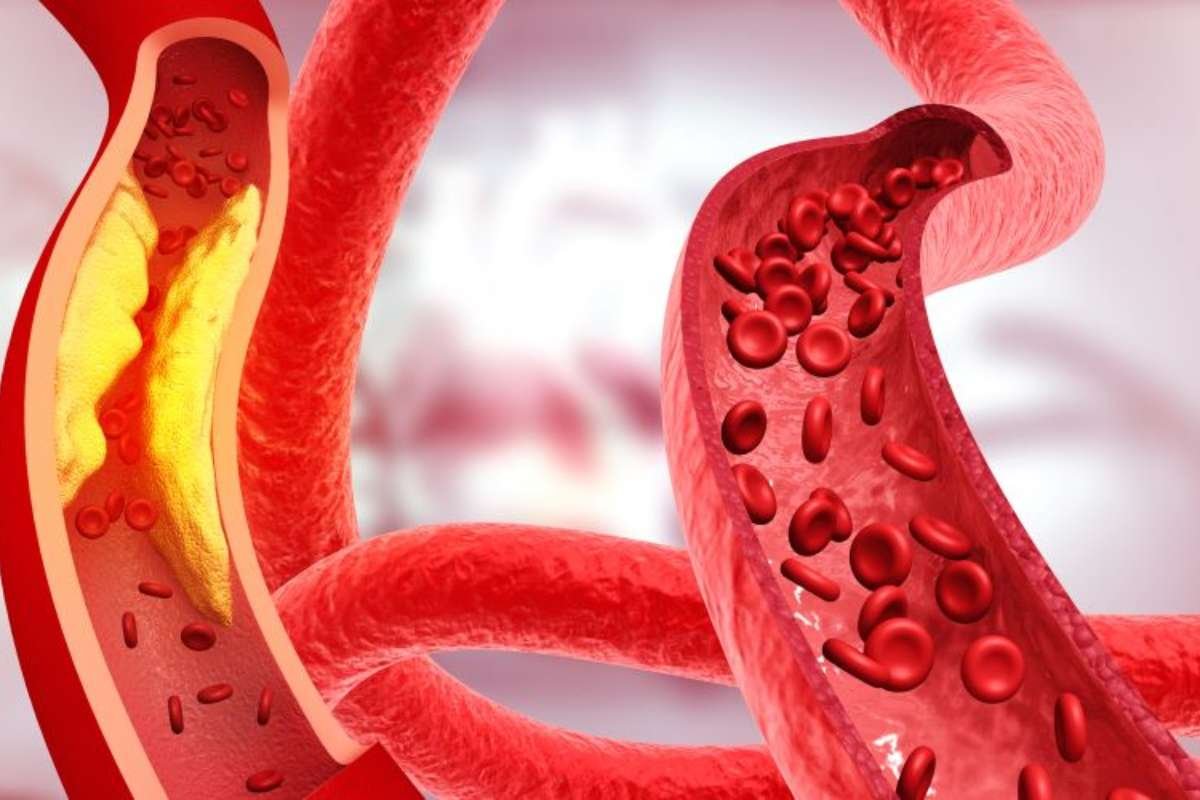
Plaque forms when fats and cholesterol collect inside arteries. omega-3 helps reduce inflammation along artery walls. Healthier vessel lining makes plaque build-up less likely. Smooth arteries support steady blood flow.
omega-3 also helps manage triglyceride levels in the blood. Lower fat levels reduce stress on blood vessels. Flexible arteries allow better circulation throughout the body. Clean blood flow supports heart health over time.
19. Improves Cholesterol Balance

Cholesterol travels through the blood in different forms. omega-3 helps lower triglycerides, showcasing the health benefits of omega-3. HDL helps carry excess cholesterol away from arteries. This keeps blood vessels clearer over time.
omega-3 also improves how the body handles fats in the bloodstream. Better fat balance reduces pressure on the heart and vessels. Stable cholesterol levels support smoother circulation. Heart health depends on this balance.
20. May Lower the Risk of Chronic Diseases

Last on this list of health benefits of omega-3 is the reduction of chronic diseases. Many chronic diseases are linked to long-term inflammation. omega-3 helps control inflammatory activity in the body. Lower inflammation supports healthier tissues and organs. This may reduce the risk of conditions such as heart disease and metabolic disorders.
omega-3 also supports cell health and immune balance. Healthy cells handle stress and damage more effectively. Small nutrition changes can create lasting health effects.
Which Foods Contain Omega-3 Acids?
Omega-3 fatty acids come from both animal and plant-based foods. Adding these foods to your daily meals helps support heart, brain, and overall health. While fatty fish provide the most active forms of omega-3, several seeds, nuts, and fortified foods also offer strong nutritional value.
The table below highlights some of the best dietary sources of omega-3 and their typical content per serving, helping explain how everyday foods deliver the health benefits of omega-3.
| Food Source | Type of Omega-3 | Approximate Content per Serving |
| Mackerel | EPA and DHA | 4.5 to 5.0 g per 100 g |
| Salmon | EPA and DHA | 1.8 to 2.2 g per 100 g |
| Sardines | EPA and DHA | 1.4 to 1.8 g per 100 g |
| Herring | EPA and DHA | 1.5 to 2.3 g per 100 g |
| Chia Seeds | ALA | 5.0 g per tablespoon |
| Flaxseed Oil | ALA | 7.2 g per tablespoon |
| Flaxseeds | ALA | 2.3 g per tablespoon |
| Walnuts | ALA | 2.5 g per 28 g |
| Tuna | EPA and DHA | 0.2 to 1.3 g per 100 g |
| Eggs with omega-3 | EPA and DHA | 0.1 to 0.2 g per egg |
Fatty fish such as salmon, mackerel, and sardines contain EPA and DHA. These are active forms that the body can use directly for heart, brain, and eye health.
Plant sources like chia seeds, flaxseeds, and walnuts provide ALA, another type of omega-3. The body converts ALA into EPA and DHA, though only in small amounts. Even so, regular intake of these foods still supports overall nutrition and helps maintain healthy fat balance.
Fortified foods such as omega-3-enriched eggs are produced by feeding animals omega-3-rich diets. This increases the fatty acid content naturally in the final food product. Including a mix of marine and plant sources helps ensure a steady intake of essential omega-3 fatty acids through everyday meals.
Conclusion:
Adding omega-3 to your daily routine can support your health in simple yet meaningful ways. Whether it comes through fatty fish, nuts, seeds, or supplements, consistent intake helps your body function more efficiently. Small dietary choices often create lasting benefits when practiced regularly.
When you understand the health benefits of omega-3, it becomes easier to make informed nutrition decisions. Supporting heart health, brain function, and overall wellness starts with habits you can maintain every day. A balanced diet that includes omega-3 helps you invest in long-term health and vitality.
FAQs
1. Are there side effects of consuming omega-3?
Omega-3 is generally safe when consumed in recommended amounts, though excessive intake may cause mild digestive discomfort in some individuals.
2. Which foods are rich in omega-3?
Fatty fish such as salmon, mackerel, and sardines, along with walnuts, chia seeds, and flaxseeds, are good sources.
3. Do the health benefits of omega-3 affect the heart and brain?
Yes. Omega-3 fatty acids support cognitive function, memory, and overall brain performance. It also helps manage cholesterol levels and supports healthy blood circulation.