If your idea of healthy drinks is anything green in a glass, we need to talk. A lot of drinks look the part. Bright colors, fancy labels, maybe even the word “detox” thrown in for good measure.
But flip the bottle and you often find added sugar, very little fiber, and not much else doing real work for your body. Some of these drinks are closer to dessert than something you should sip all day.
At the same time, a few simple options quietly do their job better than anything trendy. Plain water still handles hydration more effectively than most alternatives. Drinks like buttermilk or green tea offer specific benefits without turning into a sugar bomb.
Even something as basic as lemon water can make it easier to stay hydrated, which matters more than people think.
This guide keeps things practical. You will not find miracle claims or complicated routines. Instead, we will break down what actually helps, what is overhyped, and how to choose the right drink based on what your body needs.
What Makes a Drink “Healthy”?
Not all healthy drinks are created equal. The basics are simple, and you do not need a nutrition degree to figure it out.
- Hydration comes first: Drinks with high water content or natural electrolytes help your body stay balanced. Plain water still does this best and supports every basic function in your body.
- Nutrients help, but are a bonus: Some drinks add vitamins, minerals, or antioxidants. Useful, but not a replacement for real food.
- Low added sugar matters: Too much sugar turns a good drink into something your body has to deal with, not benefit from.
- Function over hype: Some drinks support energy, digestion, or recovery. The best ones do one job well instead of trying to fix everything at once.
Simple rule. If it hydrates you and does not overload you with sugar, you are already on the right track.
Top 10 Healthy Drinks That Actually Help Your Body
Before we get into the details, here’s a quick side-by-side look so you can spot what each drink actually does at a glance.
These drinks are not ranked from best to worst. Instead, they are organized based on common daily needs like hydration, energy, digestion, and overall nutrition, so you can choose what fits your routine.
| Sr. No. | Drink Type | Best For | Watch Out For | Easy to Make |
| 1 | Water | Daily hydration | Nothing | Yes |
| 2 | Coconut water | Post-workout | Added sugar | Yes |
| 3 | Green tea | Antioxidants | Caffeine | Yes |
| 4 | Buttermilk | Gut health | Salt content | Yes |
| 5 | Smoothies | Nutrition boost | Calorie overload | Yes |
| 6 | Lemon water | Hydration + vitamin C | Tooth enamel wear | Yes |
| 7 | Herbal tea | Relaxation | None | Yes |
| 8 | Vegetable juice | Vitamins | Low fiber | Yes |
| 9 | Milk/plant milk | Protein + calcium | Added sugar (flavored) | Yes |
| 10 | Infused water | Better hydration habit | Minimal nutrients | Yes |
Now that you know what each one brings to the table, let’s look at them one by one and see which ones are actually worth drinking regularly.
1. Water
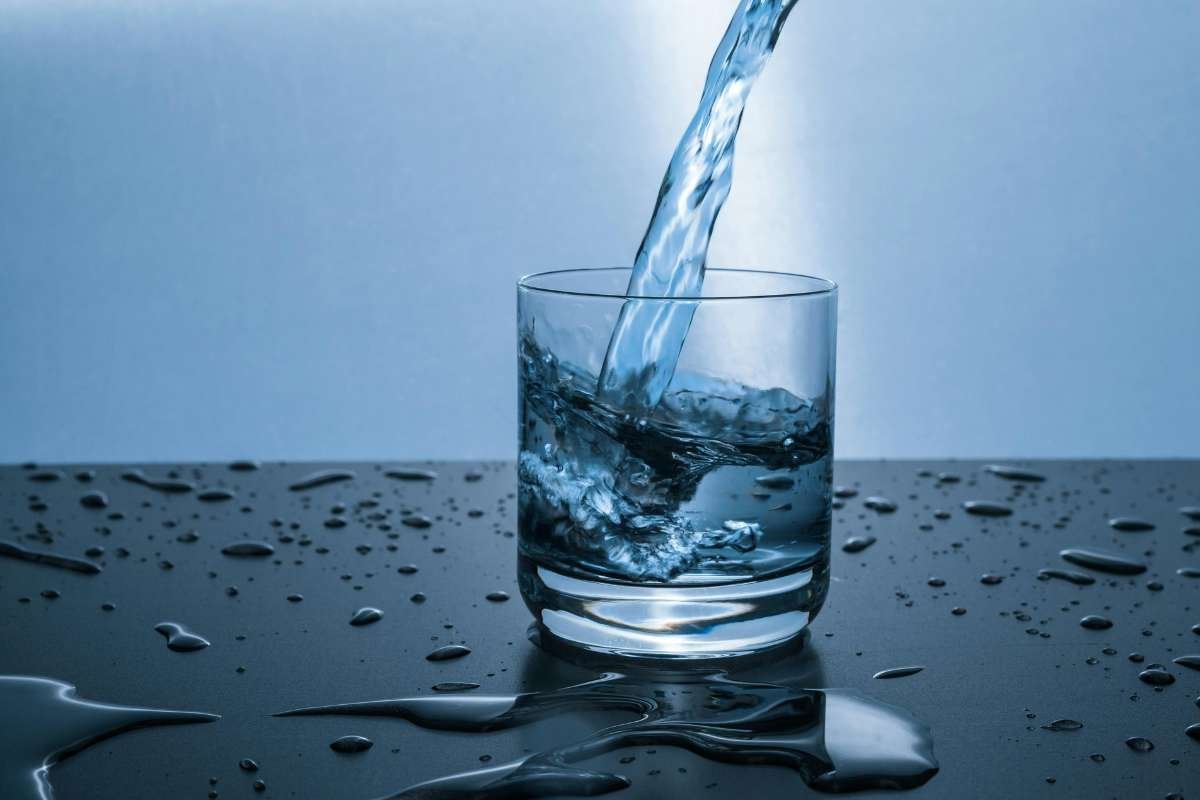
Water does most of the heavy lifting when it comes to keeping your body running smoothly. It supports temperature control, digestion, and basic cellular function without adding anything unnecessary. You do not need a special version or upgrade here. If you drink enough water daily, you are already doing more for your health than most fancy beverages promise.
- Keeps you hydrated and supports all vital functions.
- Zero calories, zero confusion, always available.
2. Coconut Water
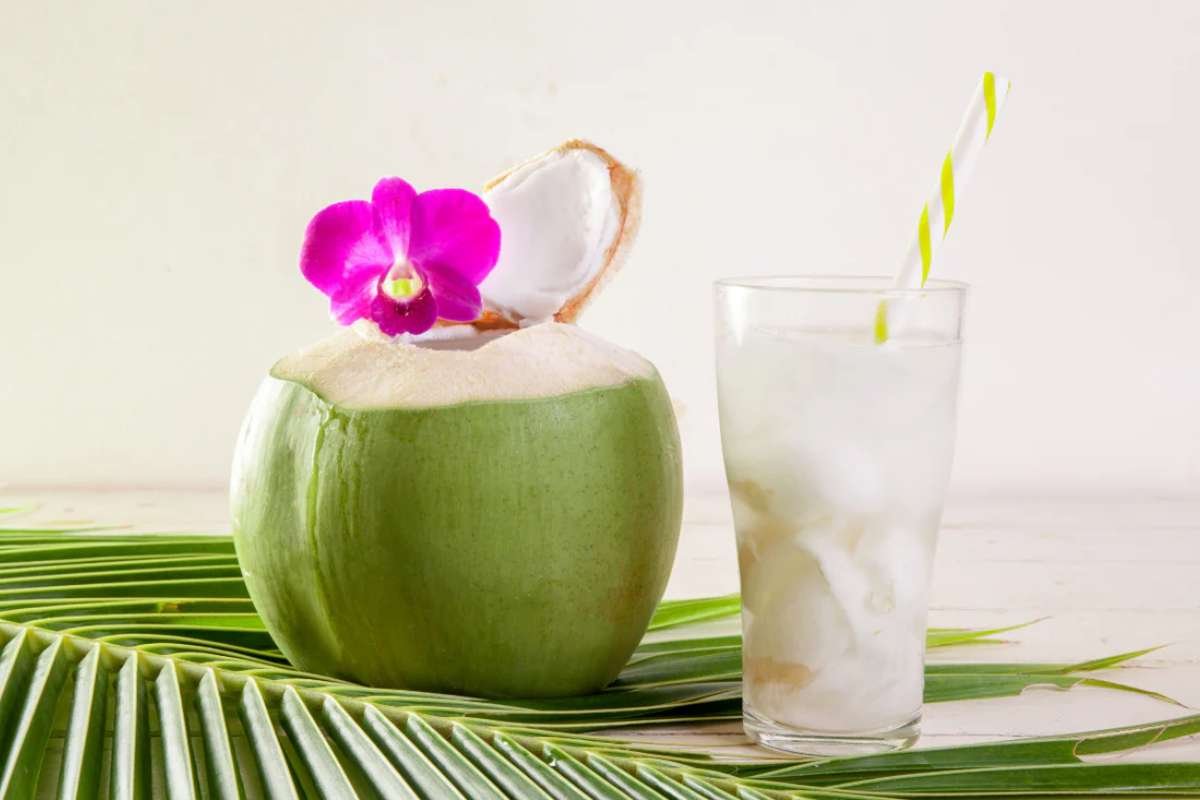
Coconut water is often grouped with Healthy Drinks, and in this case, it earns the spot. It naturally contains electrolytes like potassium, which help your body recover after sweating. It is lighter than most sports drinks and does not feel heavy. Just make sure you are choosing versions without added sugar, or you lose most of the benefit quickly.
- Helps replenish electrolytes after workouts or heat.
- Choose unsweetened versions to avoid excess sugar.
3. Green Tea
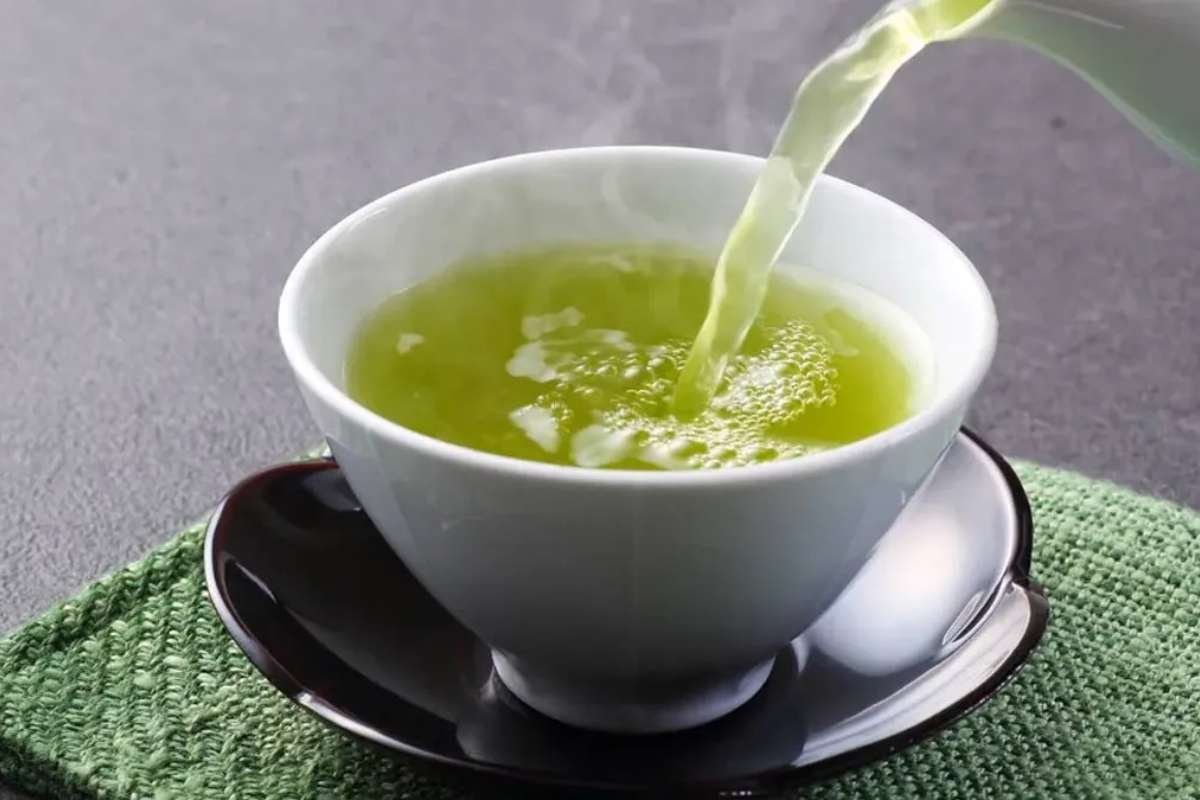
Green tea has been around long before it became a trend, and for good reason. It contains antioxidants that support overall health and may help with heart function. The caffeine content is lower than that of coffee, so it gives a mild boost without making you jittery. It is simple, effective, and does not try too hard to impress.
- Provides antioxidants that support long-term health.
- Offers gentle energy without a strong caffeine spike.
4. Buttermilk
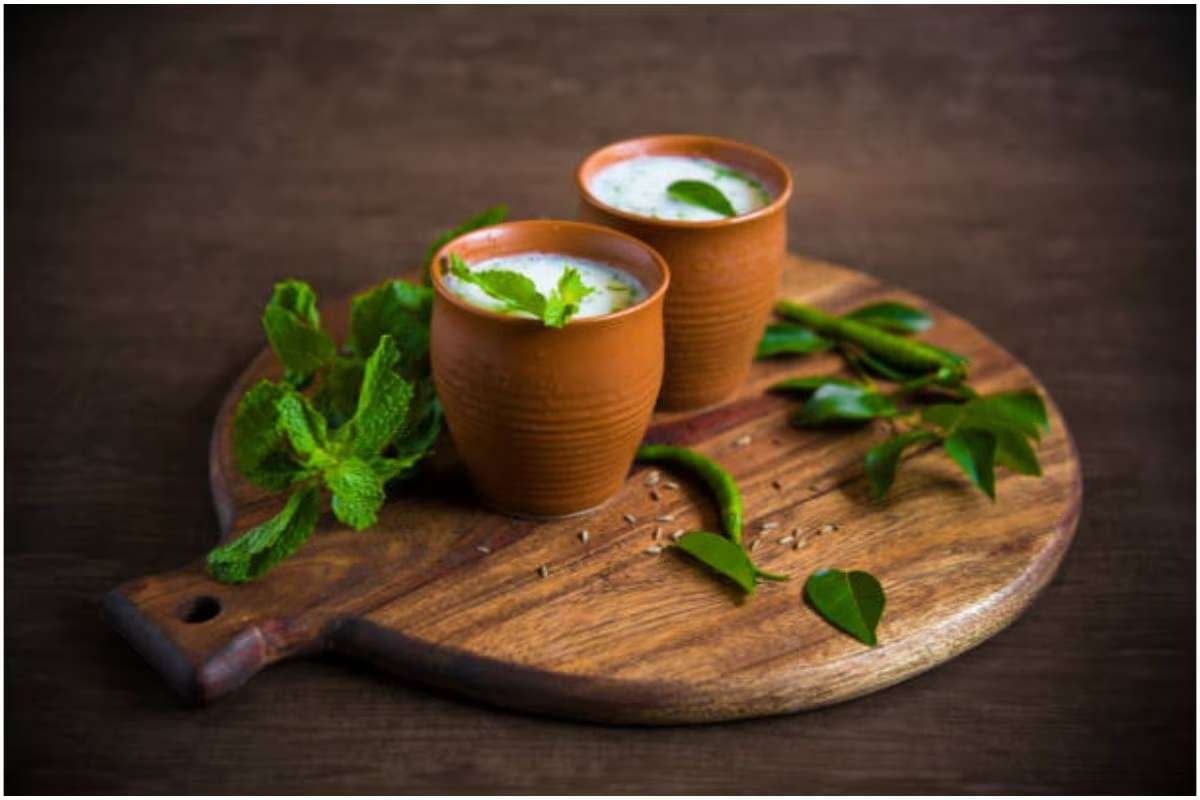
Buttermilk is one of those drinks that quietly does its job without any marketing hype. It contains probiotics that support gut health and digestion, especially after heavy meals. It also helps cool the body, which makes it perfect for hot weather. A simple glass can feel more refreshing than most packaged drinks trying to do the same thing.
- Supports digestion with natural probiotics.
- Cooling and hydrating, especially in warm climates.
5. Smoothies
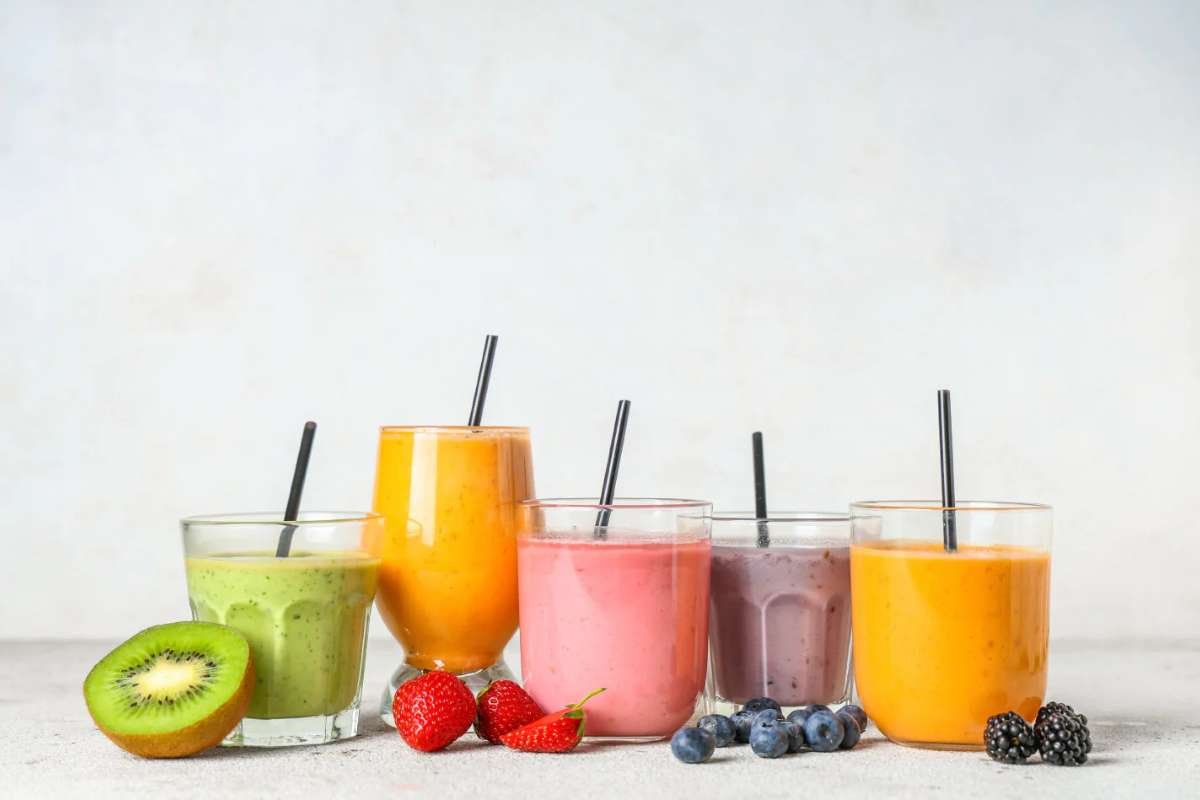
Smoothies often get labeled as Healthy Drinks, but they can go either way. When made with whole fruits, vegetables, and a protein source, they can be filling and nutritious. The problem starts when they turn into sugar-heavy blends. Portion size and ingredients matter more than the idea of a smoothie itself.
- Can provide balanced nutrition when made properly.
- Easy to overdo calories if ingredients are not controlled.
6. Lemon Water
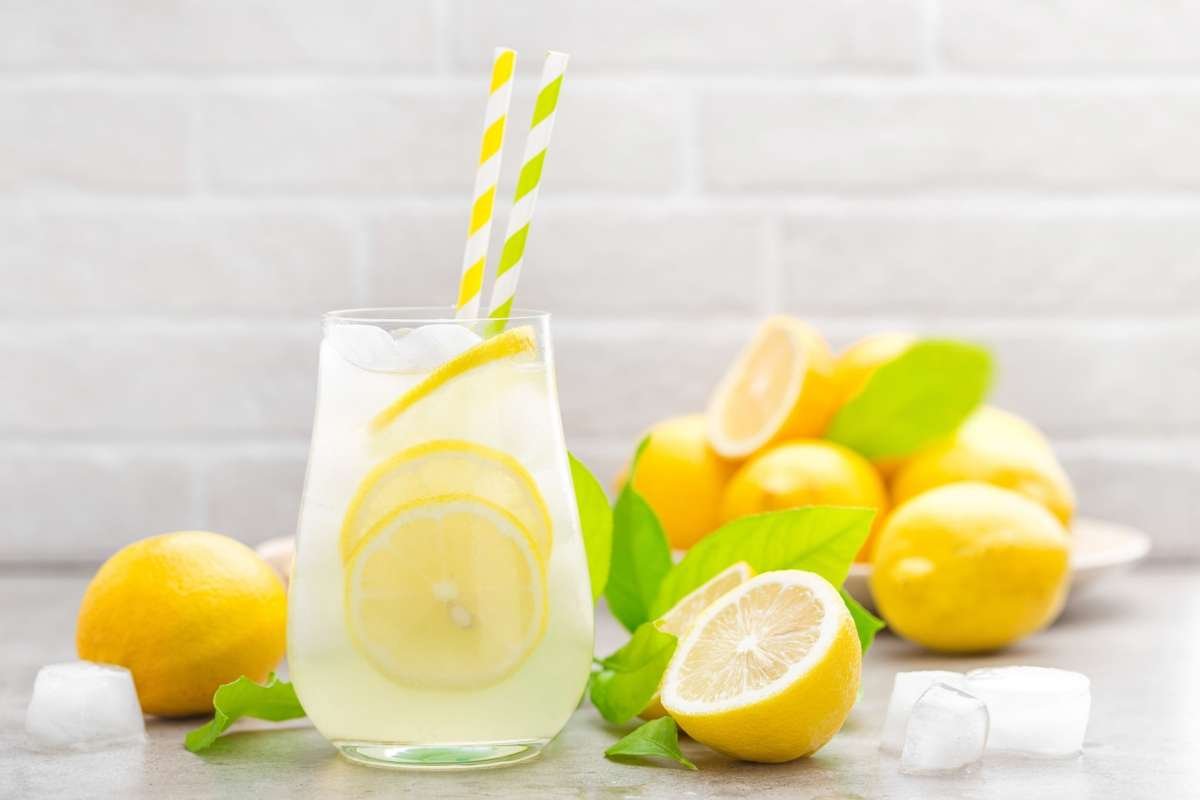
Lemon water is simple, refreshing, and slightly more interesting than plain water. It adds a small amount of vitamin C and can make it easier to stay hydrated throughout the day. It is not a miracle drink, but it does its job well. Just be mindful of frequent exposure to acidity, especially if you sip it all day.
- Encourages better hydration by improving taste.
- Too much can affect tooth enamel over time.
7. Herbal Tea

Herbal tea is a calm, no-pressure option that works well any time of day. Since it is naturally caffeine-free, it helps with hydration without affecting sleep. Different herbs offer different benefits, but most versions are light and easy on the body. It is one of the healthy drinks that feels relaxing and still does something useful.
- Supports hydration without adding caffeine.
- Some varieties may aid relaxation and digestion.
READ MORE:
- 7 Delicious Drinks for Immune Health to Keep You Strong All Year Round
- Benefits of Drinking Clove Water: The 12 Ways It Can Change How You Feel
8. Vegetable Juice
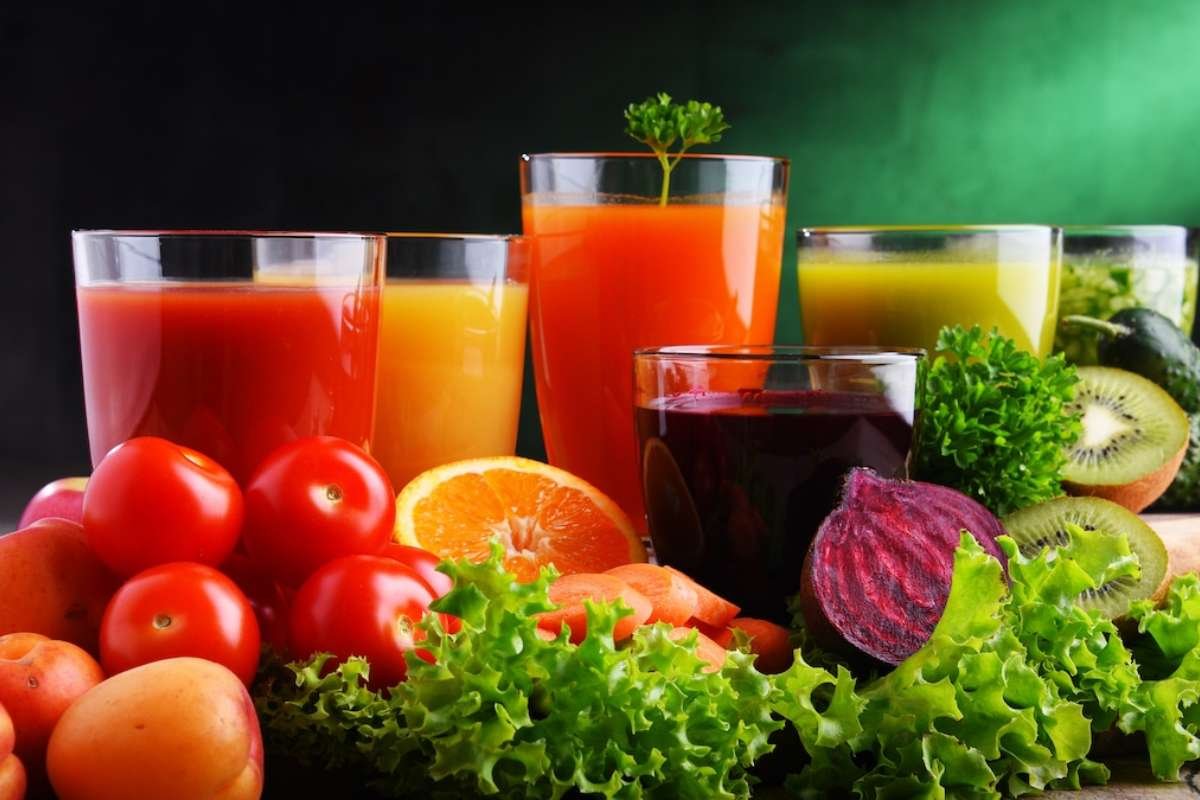
Vegetable juice gives you a concentrated dose of vitamins and minerals in a small serving. It can be useful if you struggle to eat enough vegetables, but it is not a perfect replacement. Juicing removes most of the fiber, which is an important part of digestion. It works best as a supplement, not your main source of nutrients.
- Provides vitamins and minerals in a quick form.
- Lacks fiber compared to whole vegetables.
9. Milk (or Plant-Based Alternatives)
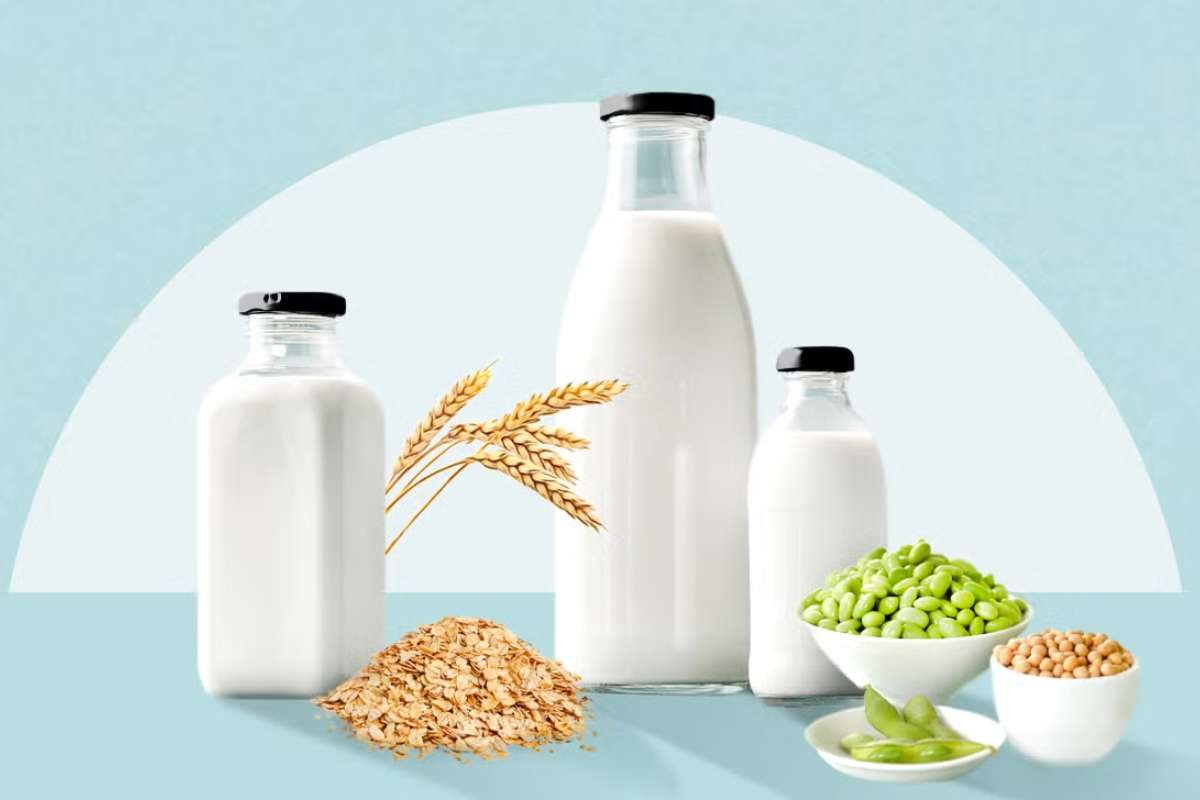
Milk and plant-based alternatives offer more than just hydration. They provide protein, calcium, and other nutrients that support bone health and muscle function. These healthy drinks are more filling than most drinks, which can help manage hunger. The only catch is to watch for added sugars in flavored or packaged versions, especially in plant-based options.
- Supplies protein and calcium for daily needs.
- Flavored versions may contain added sugar.
10. Infused Water

Infused water is what happens when plain water gets a small upgrade without turning into something complicated. Adding fruits, herbs, or vegetables can improve taste and make it easier to drink more fluids. It does not add significant nutrients, but it helps build better hydration habits, which is what matters most in the long run.
- Makes hydration easier and more enjoyable.
- Adds minimal nutrients but improves consistency.
Drinks That Pretend to Be Healthy (But Aren’t)
This is where things get a little uncomfortable. A lot of drinks wear a “healthy drinks” label but fall apart the moment you check what is actually inside. Bright packaging and buzzwords do a great job of selling the idea, but your body only responds to what it gets, not what it is promised.
- Packaged fruit juices: These may sound like a shortcut to fruit intake, but most are low in fiber and high in added sugar. Without fiber, the sugar hits your system faster, which is not ideal if you are drinking it regularly.
- Energy drinks: Built for quick stimulation, not long-term health. They often combine high caffeine with sugar or artificial ingredients, which can leave you feeling drained once the effect wears off.
- Flavored coffees: What starts as coffee quickly turns into something closer to dessert. Added syrups, cream, and toppings can push calories and sugar much higher than expected.
- Sports drinks: Designed for endurance athletes who lose electrolytes through heavy sweating. For everyday use, they add unnecessary sugar and calories.
Just because it says “vitamin” on the label doesn’t mean your body agrees.
How to Choose the Right Drink for Your Goal
| Goal | Best Options | Why It Works |
| Hydration | Water, Coconut water | Replenishes fluids; coconut water adds electrolytes after sweating |
| Energy | Green tea, Coffee | Provides a boost; green tea is milder, coffee is stronger in moderation |
| Digestion | Buttermilk, Herbal tea | Gentle on the stomach and supports gut comfort after meals |
| Nutrition | Smoothies, Vegetable juices | Helps fill nutrient gaps when whole meals are not enough |
Not every drink fits every situation, so it helps to match what you drink with what your body actually needs.
Can Healthy Drinks Help with Weight Loss?
Short answer, yes, but only to a point. Some drinks can support weight loss, but none of them do the job on their own. If a drink claims to burn fat while you sit still, it is selling you a story.
What actually helps is simple. Low-calorie drinks can replace high-calorie ones, which reduces your overall intake. Drinks like water, green tea, or buttermilk can also help you feel a bit full, making it easier to avoid overeating. In some cases, protein-rich options like milk or balanced smoothies can keep hunger in check for longer.
- Replacing sugary drinks can reduce daily calorie intake.
- Some options help with fullness and appetite control.
That said, no drink can override a poor diet or lack of movement. Weight loss still comes down to consistent habits over time. Think of these drinks as support tools, not shortcuts.
Simple Daily Routine Using Healthy Drinks
You do not need a complicated plan or a shelf full of ingredients to get this right. A few simple swaps across the day can cover most of your needs without overthinking it.
- Morning
- Warm water or lemon water: Helps you start the day hydrated and wakes your system up gently.
- Mid-morning
- Green tea: Gives a light energy boost without feeling too heavy.
- Afternoon
- Buttermilk Cooling, easy to digest, and works well after lunch.
- Post-workout
- Coconut water: Replenishes fluids and electrolytes after sweating.
- Evening
- Herbal tea: Keeps you hydrated without affecting sleep.
No complicated detox plan. Just better swaps that you can actually stick to every day.
Final Thoughts
You do not need fancy powders, imported ingredients, or expensive bottles to drink better. Most of the healthy drinks that actually help your body are simple, affordable, and already part of everyday life. Water, buttermilk, green tea, even a basic homemade smoothie can do more than many packaged drinks that promise too much.
What matters most is consistency. Drinking one good option regularly will always beat switching between ten “perfect” ones that you cannot stick with. Small, repeatable choices add up over time and make a real difference.
It also helps to keep things realistic. You are not trying to build a perfect routine, just a better one that fits your day.
Your body doesn’t care about trends. It cares about what you actually drink every day.
FAQs
1. What is the healthiest drink after water?
After water, options like green tea, coconut water, and buttermilk are among the healthiest. These healthy drinks provide hydration along with added benefits like antioxidants or electrolytes, without high sugar content.
2. Which drinks are healthy but low in sugar?
Low-sugar options include water, infused water, green tea, herbal tea, and unsweetened buttermilk. These hydrate your body without causing spikes in blood sugar, making them better for daily use.
3. Are smoothies actually healthy or just high in calories?
Smoothies can be healthy if made with whole ingredients like fruits, vegetables, and protein. However, adding too many sweet ingredients or large portions can turn them into high-calorie drinks.
4. What should you drink instead of sugary drinks?
Better alternatives include water, coconut water, herbal tea, and homemade lemon water. These options reduce sugar intake while still keeping you hydrated and refreshed.
5. How many healthy drinks should you have in a day?
There is no fixed number. Most of your intake should come from water, with 1 to 3 other drinks depending on your needs, such as energy, digestion, or recovery.