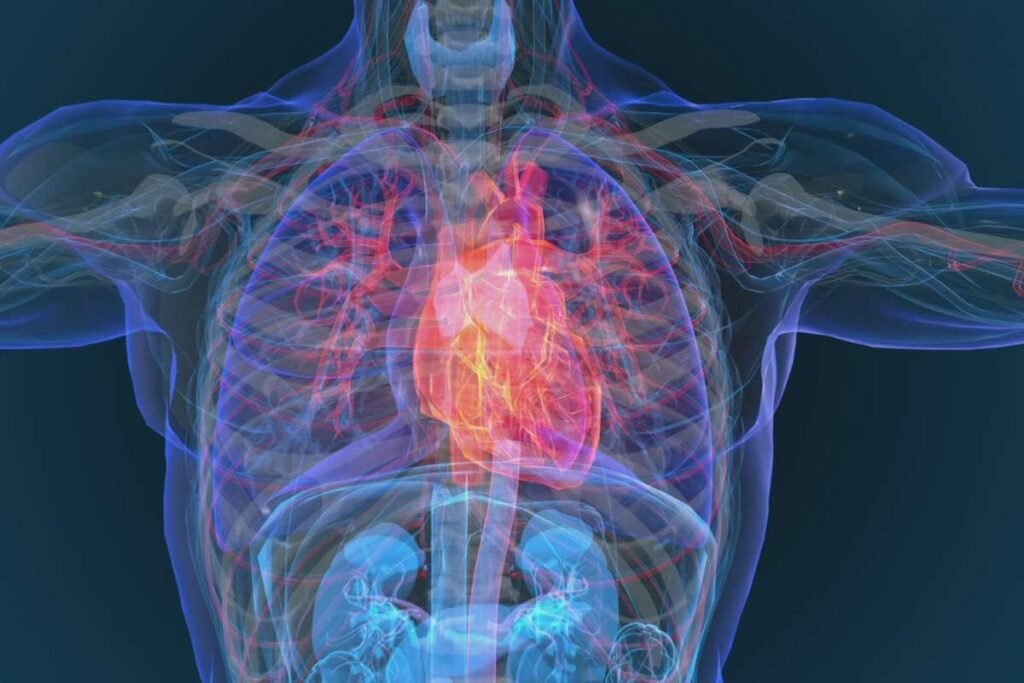
A new medical study finds that nearly all heart attack and stroke survivors share at least one of four major risk factors, underscoring how preventable cardiovascular disease remains through early detection and lifestyle changes.
A study published this month in the American Journal of Cardiology reports that ninety-nine percent of people who survive a heart attack or stroke have at least one of four conditions: high blood pressure, high cholesterol, high blood sugar, or a history of smoking.
Researchers say the findings reinforce decades of evidence that cardiovascular disease is largely driven by modifiable risk factors and that earlier intervention could significantly reduce deaths and disability.
High Blood Pressure Emerges as Leading Threat
High blood pressure remains the most common and dangerous contributor, according to cardiologists involved in the study and its review.
“High blood pressure is probably the number one cause,” said Dr. Sateesh Kesari, a specialist at TriHealth Advanced Heart Failure in Cincinnati. He said uncontrolled blood pressure places constant strain on the heart and blood vessels, increasing the likelihood of heart attack, stroke, and heart failure.
Many patients are unaware they have hypertension until a major cardiac event occurs, Kesari said. He urged routine screening and adherence to prescribed medications, noting that blood pressure can often be controlled with a combination of treatment and lifestyle changes.
For some patients, delayed care leads to severe outcomes. Ladonis Patton, a Cincinnati-area resident living with a left ventricular assist device, or LVAD, said he faced a life-altering decision after his heart failed.
“We came to the hospital, we had twenty minutes to decide between hospice and the LVAD, and we said we are going to do that,” Patton said. He now relies on the mechanical pump to help his heart circulate blood.
Cholesterol and Blood Sugar Raise Heart Attack and Stroke Risk
High cholesterol was identified as another major risk factor, particularly for stroke, as it contributes to plaque buildup in arteries over time.
“Over time, high cholesterol causes plaque buildup and plaque burden in all the arteries,” said Dr. Jonathan Rapp, an interventional cardiologist at TriHealth. He said narrowed or blocked arteries can restrict blood flow to the brain, sharply increasing Heart Attack and Stroke risk.
Rapp said cholesterol management, including diet, exercise, and medication when needed, plays a critical role in preventing first and repeat cardiovascular events.
Elevated blood sugar, often linked to diabetes, also significantly increases risk. Poor glucose control can affect the heart’s electrical system and lead to irregular rhythms.
“Diabetes and diabetes care certainly play a role in AFib a lot,” said Dr. Hemal Shah, an electrophysiological heart specialist at TriHealth. “When we treat it better, patients do better.”
Shah said coordinated care between cardiologists and primary care physicians is essential for patients with diabetes and heart disease.
Smoking, Including Cannabis, Remains Dangerous
Smoking remains a powerful and preventable risk factor, researchers said, and includes not only tobacco but also cannabis use.
“Smoking cannabis can have just as deleterious an effect on the vascular system as well,” said Dr. Joseph Choo, an interventional cardiologist. He said smoking damages blood vessels, promotes inflammation, and accelerates plaque formation.
Doctors involved in the study emphasized that quitting smoking, managing chronic conditions, and regular medical checkups can dramatically reduce cardiovascular risk.
The study’s authors said the findings should serve as a wake-up call for both patients and health systems to focus on prevention before life-threatening events occur.