Key Takeaway:
- Advanced cardiovascular-kidney-metabolic (CKM) disease stages are linked to significantly higher cancer risk.
- Cancer risk rises as CKM severity increases, reaching up to 30% higher risk in advanced stages.
- Experts say CKM staging may help doctors identify high-risk patients for earlier cancer screening and prevention.
A large nationwide study finds people with advanced cardiovascular-kidney-metabolic syndrome face significantly higher cancer risk, suggesting doctors should evaluate cancer screening alongside heart and metabolic disease management.
A new study published in the American Heart Association journal Circulation: Population Health and Outcomes reports that individuals with severe cardiovascular, kidney, and metabolic disease stages are more likely to develop cancer than those with fewer health risks.
Researchers say the findings highlight an emerging connection between chronic disease systems that were previously examined mostly in isolation.
Study Finds Cancer Risk Rises With Disease Severity
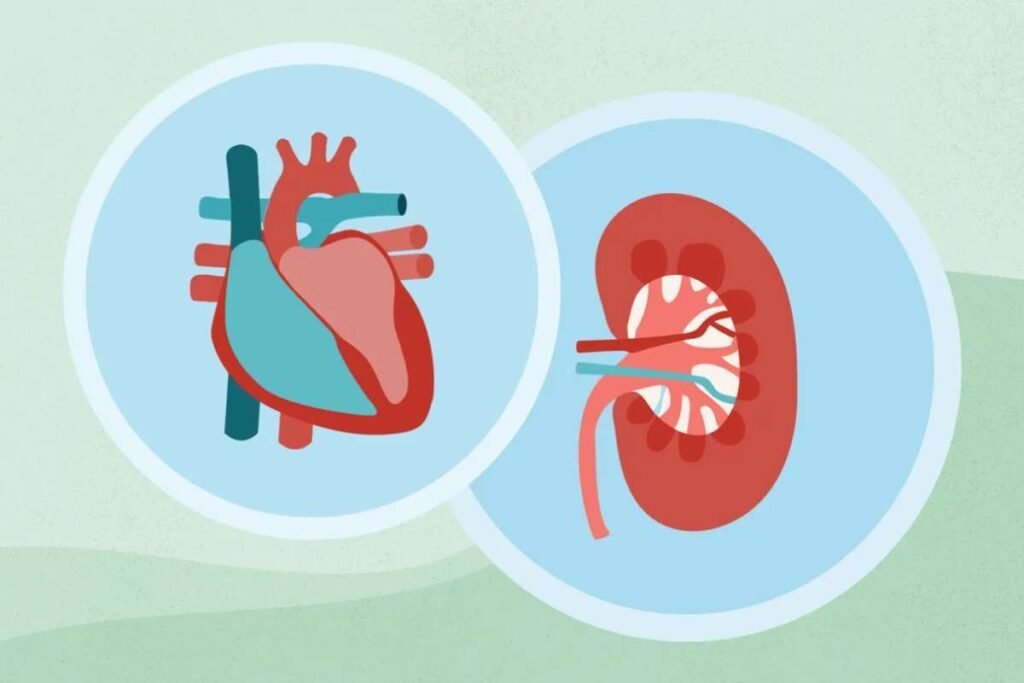
Cardiovascular-kidney-metabolic, or CKM, syndrome describes interconnected conditions affecting the heart, kidneys, and metabolic health, including high blood pressure, obesity, chronic kidney disease, and high blood sugar.
Hidehiro Kaneko, an associate professor of cardiovascular medicine at the University of Tokyo and the study’s lead author, said the research aimed to examine whether advancing CKM stages influences cancer development.
Kaneko explained that the study findings suggest it is important to consider not only cardiovascular disease risk, but also Higher Cancer Risk in people with CKM syndrome.
Researchers analyzed national insurance claims data from nearly 1.4 million participants. Using the American Heart Association’s CKM framework, investigators classified individuals from stage zero, indicating no risk factors, to stage four, representing advanced cardiovascular disease risks such as heart attack, stroke, or heart failure.
Participants were followed for a median of 3.4 years to track new cancer diagnoses.
The analysis found cancer risk increased as CKM severity progressed. People at stage one showed a three percent higher cancer risk, while those at stage two showed a two percent increase. Risk rose sharply at later stages, reaching 25 percent at stage three and 30 percent at stage four.
Kaneko said dysfunction across cardiovascular, kidney, and metabolic systems may compound shared risk factors linked to cancer development.
Experts Emphasize Shared Risk Between Cancer And Heart Disease
Medical experts not involved in the research say the findings reinforce growing evidence connecting chronic disease pathways.
Tochukwu Okwuosa, director of cardio-oncology services at Rush University Medical Center in Chicago and an American Heart Association volunteer, said the results illustrate a “bidirectional relationship” between cancer and cardiovascular disease.
“We already know that cancer and its therapies can lead to cardiotoxicities and cardiovascular disease,” Okwuosa said. “This study highlights that cardiovascular disease and its risk factors may also increase cancer risk.”
She added that lifestyle interventions such as improving diet, increasing physical activity, and managing blood pressure could reduce risks associated with both conditions, which remain the leading causes of death worldwide.
Okwuosa said the CKM staging framework may help clinicians identify patients who could benefit from earlier cancer screening or closer monitoring.
Researchers Note Study Limitations And Need For Global Data
The authors caution that the study has several limitations. Because the research relied on a nationwide Japanese cohort, findings may not fully apply to populations with different demographics or health care systems.
Because the study was observational, it cannot prove that CKM syndrome directly leads to Higher Cancer Risk. Researchers also highlighted the possibility of diagnostic bias, since individuals with advanced disease often undergo more frequent medical evaluations, which may increase the likelihood of cancer detection.
Additionally, the median follow-up period of just over three years may not capture long-term cancer risks, particularly for cancers that develop slowly.
Despite these limitations, researchers say the results support broader health strategies that consider cardiovascular, kidney, and metabolic conditions collectively rather than separately.
The study adds to a growing body of evidence suggesting integrated prevention approaches could improve outcomes across multiple chronic diseases.
Visit Healthcare 360 Magazine For The Most Recent Information.