Some names in healthcare feel larger than life, and that’s because they shape the medicines the world depends on. The largest pharmaceutical companies in the world stand at the center of this impact, driving research, developing life-saving treatments, and reaching millions across countries and cultures. Their work influences everything from everyday prescriptions to advanced therapies that advance medical science.
When you understand who these companies are and how they operate, you get a clearer picture of the forces guiding global healthcare. In this article, we will look at the largest pharmaceutical companies and what sets them apart from the rest.
The 24 Largest Pharmaceutical Companies in the World that Transformed Healthcare
Every company here has shaped the industry through bold research and major milestones. Their work reaches millions of patients each year. Take a close look at the organizations leading today’s pharmaceutical sector. We have arranged the list from highest to lowest market cap.
| No. | Company | Market Cap | Earnings | Employees |
| 1 | Eli Lilly | $989.99 B | $22.50 B | 47,000 |
| 2 | Johnson & Johnson | $500.07 B | $32.39 B | 138,100 |
| 3 | AbbVie | $402.36 B | $1.66 B | 55,000 |
| 4 | Roche | $312.55 B | $13.05 B | 103,249 |
| 5 | AstraZeneca | $289.34 B | $13.09 B | 94,300 |
| 6 | Merck | $261.34 B | $23.09 B | 73,000 |
| 7 | Novartis | $250.28 B | $16.41 B | 75,883 |
| 8 | Novo Nordisk | $216.44 B | $20.84 B | 78,387 |
| 9 | Amgen | $185.54 B | $8.24 B | 28,000 |
| 10 | Gilead Sciences | $158.21 B | $9.88 B | 17,600 |
| 11 | Pfizer | $146.17 B | $11.85 B | 81,000 |
| 12 | Sanofi | $122.11 B | $9.10 B | 82,878 |
| 13 | Vertex Pharmaceuticals | $110.80 B | $4.46 B | 6,100 |
| 14 | CVS Health | $101.37 B | $5.99 B | 219,000 |
| 15 | Bristol-Myers Squibb | $100.26 B | $8.03 B | 34,100 |
| 16 | GlaxoSmithKline | $96.95 B | $9.32 B | 68,629 |
| 17 | Chugai Pharmaceutical | $88.89 B | $3.23 B | 5,026 |
| 18 | Regeneron Pharmaceuticals | $83.15 B | $5.14 B | 15,182 |
| 19 | CSL | $58.99 B | $3.37 B | 32,698 |
| 20 | Alnylam Pharmaceuticals | $58.80 B | $0.13 B | 2,230 |
| 21 | Jiangsu Hengrui Medicine | $58.42 B | $1.17 B | 20,238 |
| 22 | Merck KGaA | $58.42 B | $4.01 B | 62,345 |
| 23 | Argenx | $57.14 B | $0.96 B | 1,599 |
| 24 | Zoetis | $56.59 B | $3.33 B | 13,800 |
1. Eli Lilly
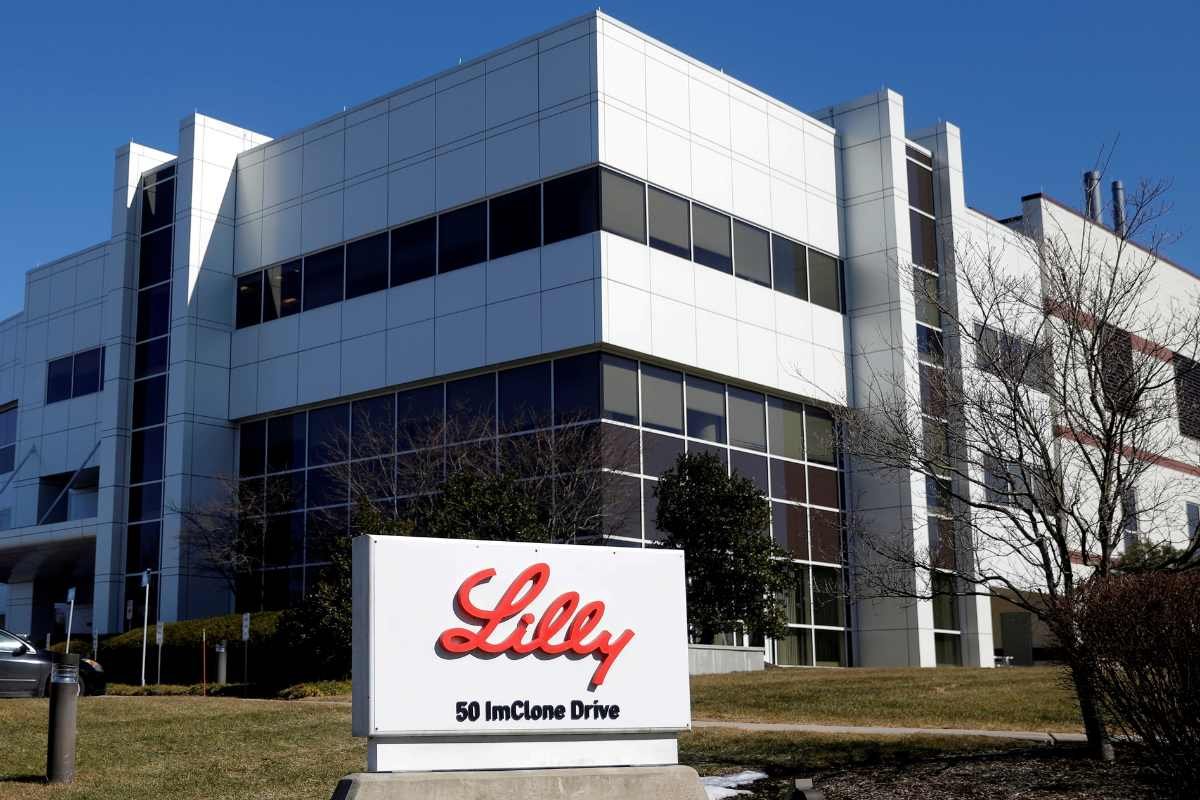
Market Cap: $989.99 B | Earnings: $22.50 B | Employees: 47,000
Eli Lilly is known for major therapies in diabetes and cancer, and many people recognize the company for its strong research history. It began in 1876 when Colonel Eli Lilly opened a small lab in Indianapolis.
Today, it operates from its headquarters in the same city and manages a global network of research centers. The company has pushed new ideas in insulin delivery and neuroscience. Its steady growth is the reason for it having the biggest market cap.
2. Johnson & Johnson
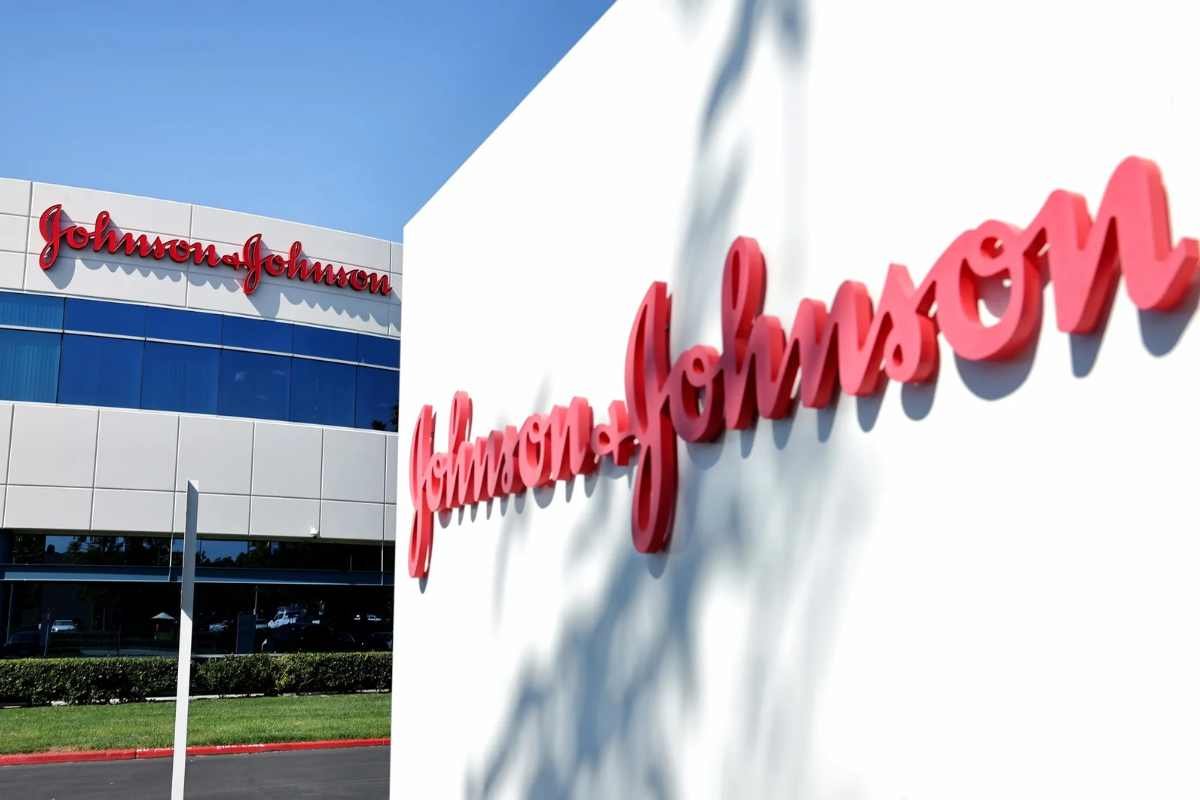
Market Cap: $500.07 B | Earnings: $32.39 B | Employees: 138,100
Johnson & Johnson runs its operations from New Brunswick, New Jersey, where it manages healthcare, medical devices, and consumer products. The company began in 1886 when the Johnson brothers created ready-to-use surgical dressings.
It later shaped modern medicine with products like Band-Aid and Tylenol. Its work in vaccines and biotech keeps its name strong across global markets.
3. AbbVie
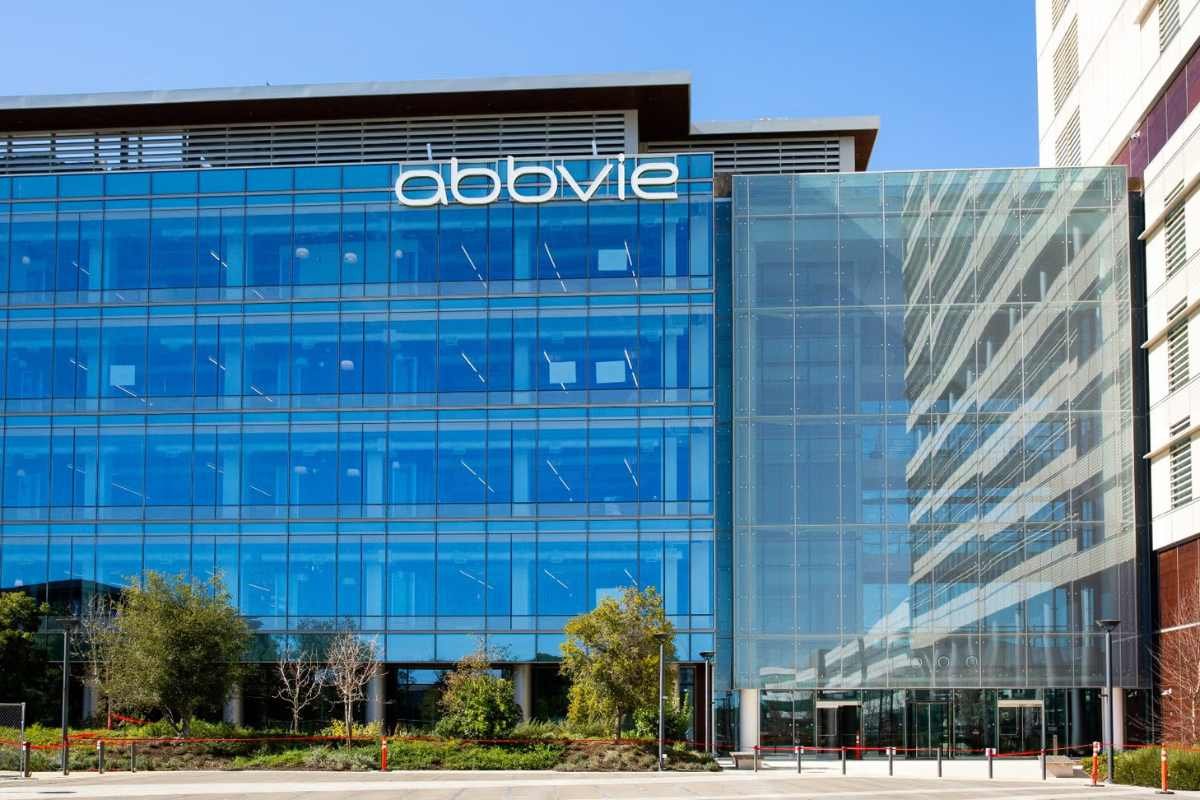
Market Cap: $402.36 B | Earnings: $1.66 B | Employees: 55,000
AbbVie is widely known for Humira, one of the best-selling therapies for autoimmune diseases. The company was created in 2013 when Abbott Laboratories split into two separate businesses. Its headquarters are in North Chicago, where it focuses on immunology, oncology, and neuroscience. AbbVie also works on advanced biologics and cell-based treatments. These therapies focus on targeted action, aiming to treat conditions at their source rather than only managing symptoms.
4. Roche
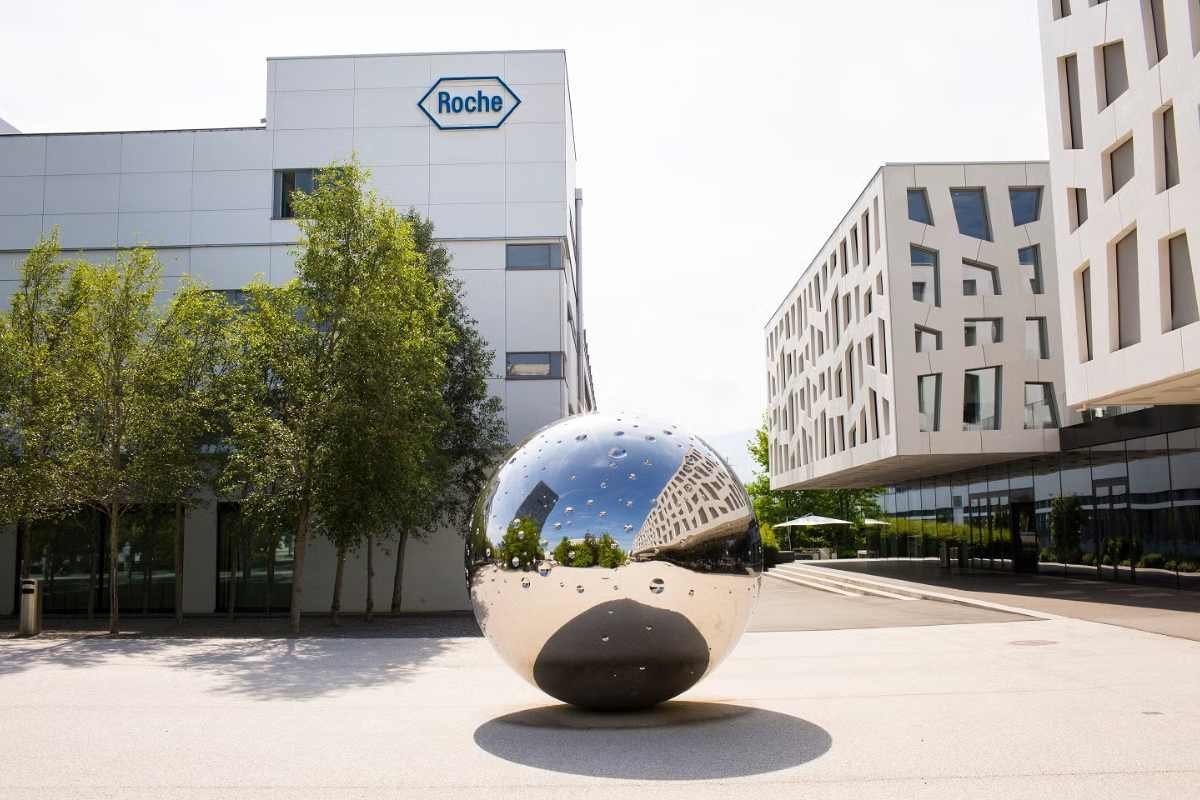
Market Cap: $312.55 B | Earnings: $13.05 B | Employees: 103,249
Roche leads global diagnostics, and many hospitals depend on its testing tools. It began in 1896 in Basel, Switzerland, where the headquarters still operate. The company brought important changes to cancer treatment with targeted medicines like Herceptin and Avastin.
It also advanced PCR technology, which shaped modern lab testing. These achievements make Roche a powerhouse in the pharmaceutical world.
5. AstraZeneca
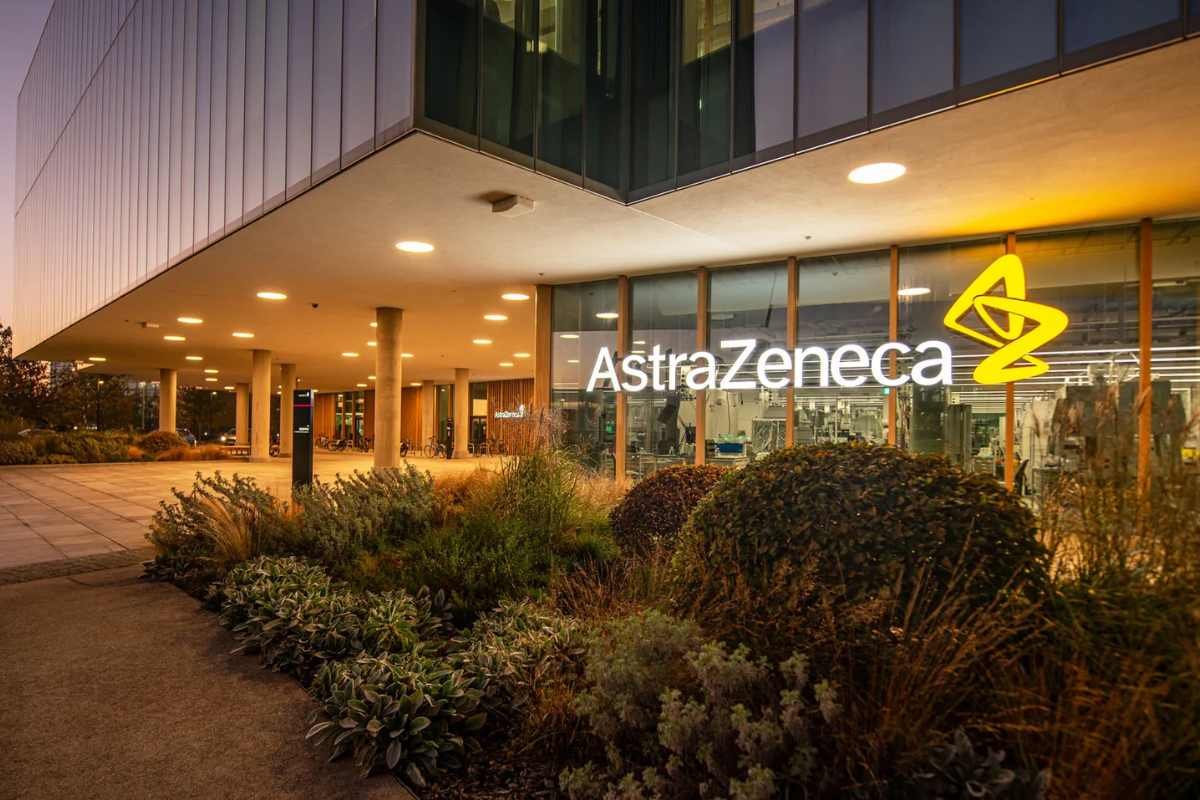
Market Cap: $289.34 B | Earnings: $13.09 B | Employees: 94,300
AstraZeneca’s global reach makes it stand out among the largest pharmaceutical companies in the world. Its work in respiratory and cancer care is well known across healthcare systems. The company was formed in 1999 after Astra AB and Zeneca Group merged. It now operates from Cambridge, United Kingdom, where its research community continues to grow.
AstraZeneca introduced well-known medicines like Tagrisso and Symbicort, and it played a major role in expanding vaccine access.
6. Merck & Co.
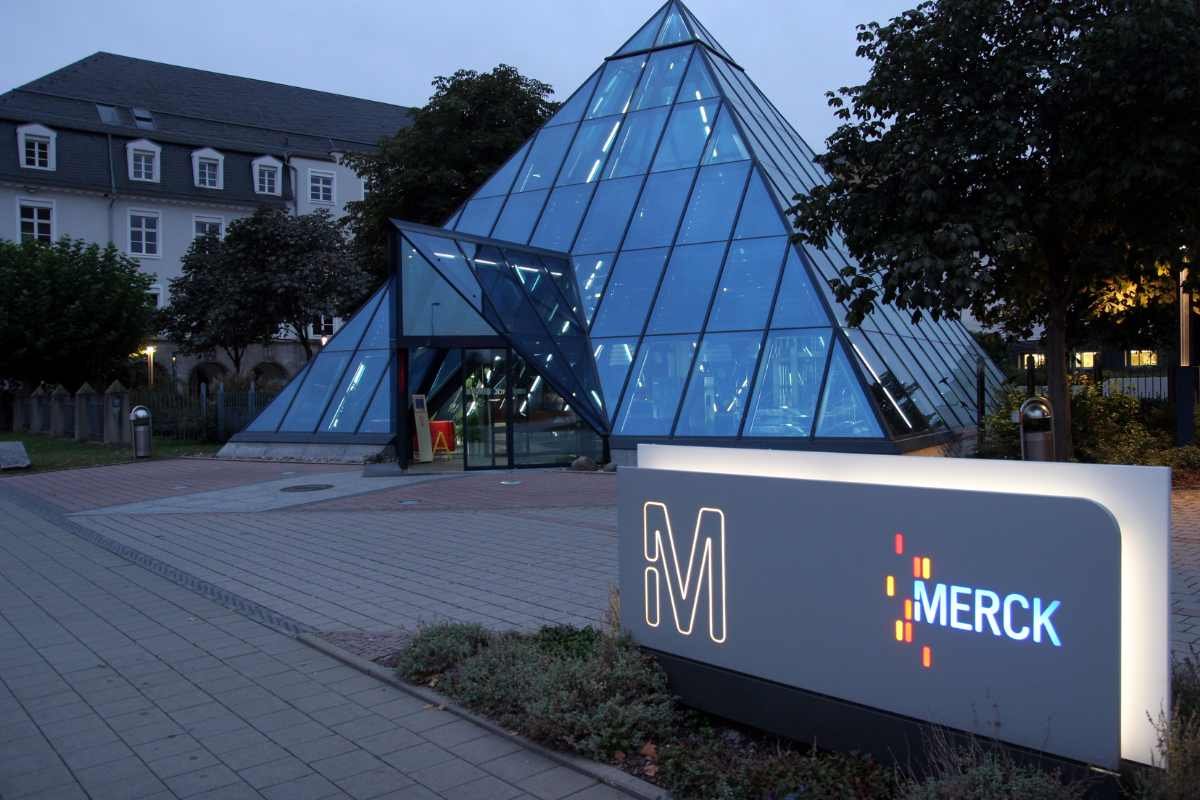
Market Cap: $261.34 B | Earnings: $23.09 B | Employees: 73,000
Merck focuses heavily on oncology, and its drug Keytruda changed cancer treatment. Its story began in the late 1800s after the U.S. branch separated from the original German company. The headquarters in Rahway, New Jersey, guides its work in vaccines, infection control, and chronic illnesses.
Merck continues to expand through partnerships and research programs. This strong foundation makes it worthy of being on this list.
7. Novartis
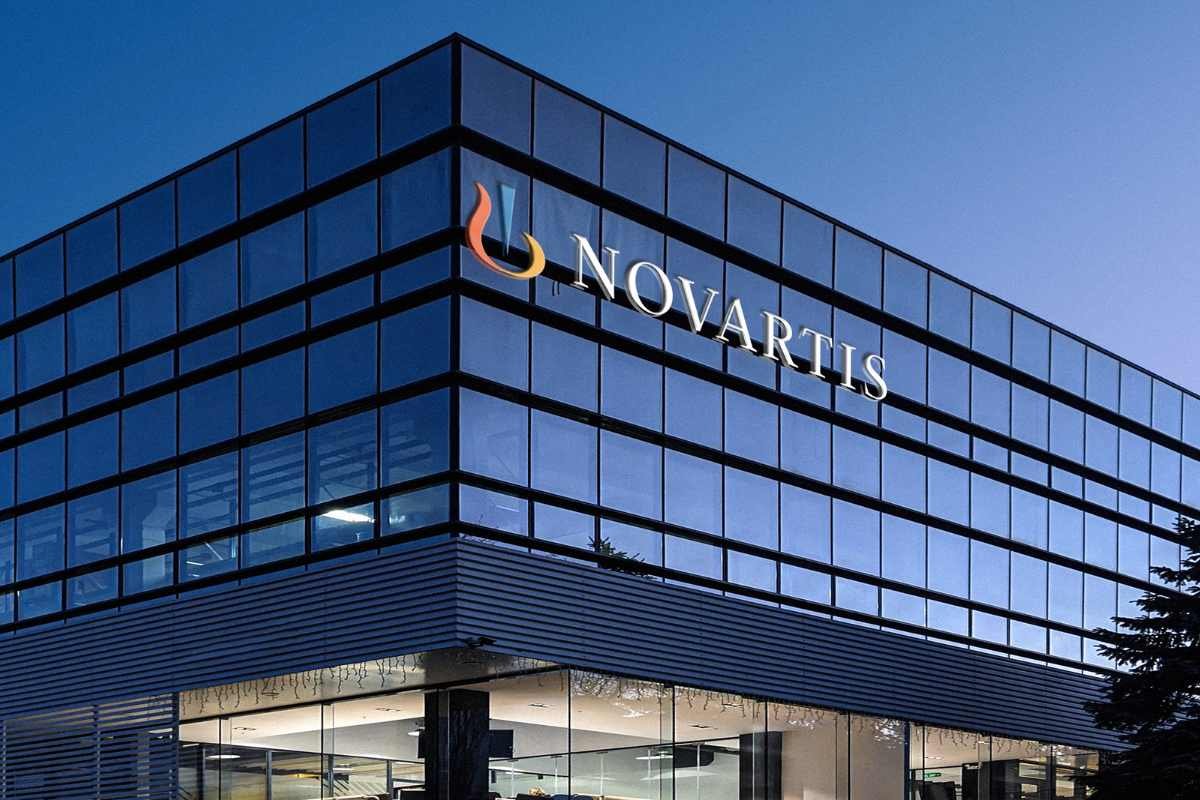
Market Cap: $250.28 B | Earnings: $16.41 B | Employees: 75,883
Novartis is known for treatments like Gleevec and Cosentyx, which changed approaches to cancer and autoimmune care. The company was formed in 1996 when Sandoz and Ciba-Geigy merged. It runs its global operations from Basel, Switzerland.
Novartis also invests in gene therapy, including Zolgensma, a well-known SMA treatment. Its innovative style helps it remain an impactful company in the pharmaceutical industry
8. Novo Nordisk
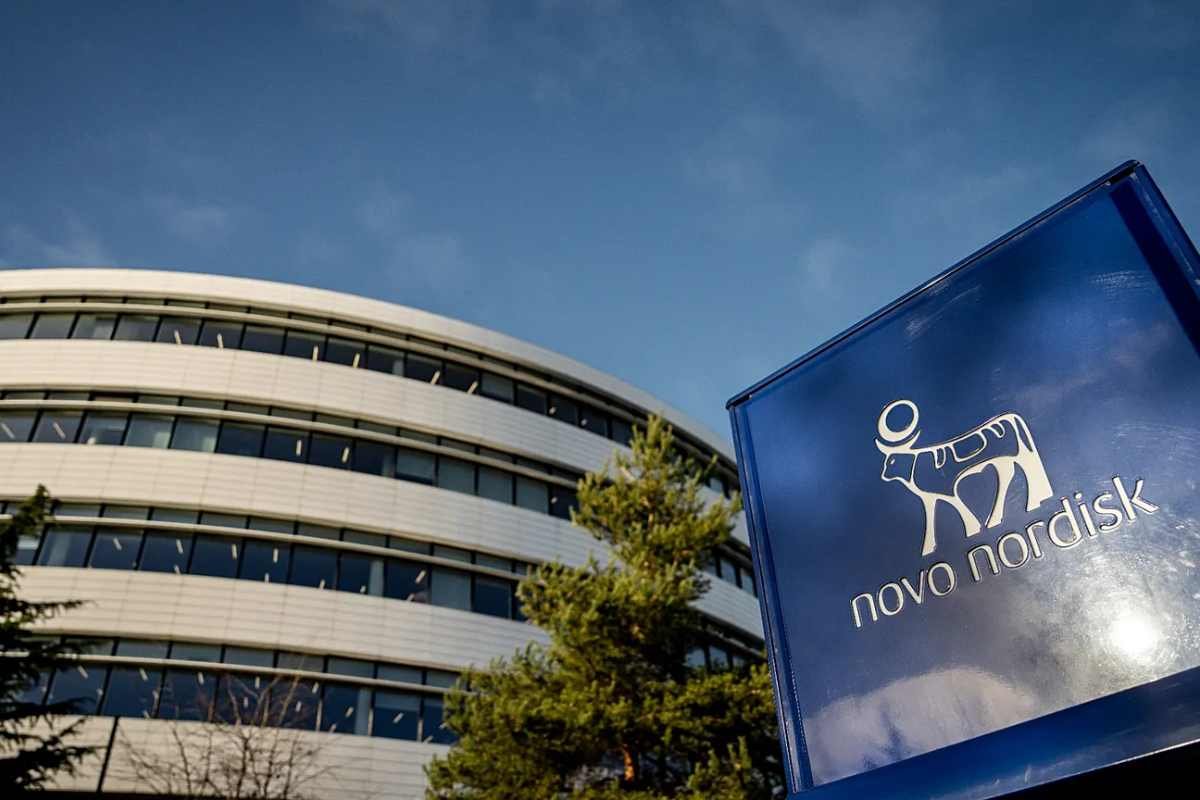
Market Cap: $216.44 B | Earnings: $20.84 B | Employees: 78,387
Novo Nordisk leads the world in diabetes and obesity care with treatments like Ozempic and Wegovy. It is one of the reasons why many analysts rank it as one of the Largest Pharmaceutical Companies in the world.
The company began in 1923 in Denmark after researchers improved early insulin production. Its headquarters are in Bagsværd, where teams continue to focus on chronic disease care. Novo Nordisk also works on rare blood disorders and hormone treatments.
9. Amgen
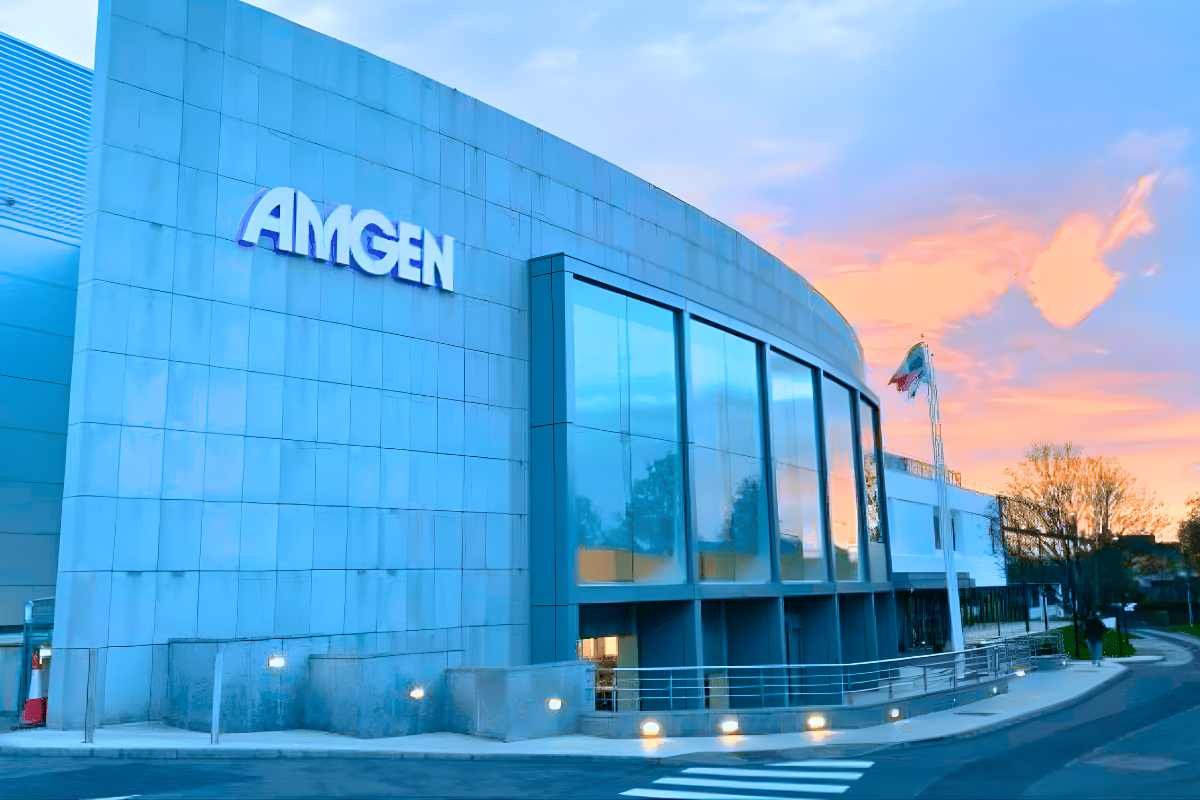
Market Cap: $185.54 B | Earnings: $8.24 B | Employees: 28,000
Amgen built its name through biologic medicines made using advanced cell technology. It was founded in 1980 in California and now manages operations from Thousand Oaks. The company’s well-known products include Enbrel and Otezla, which support patients with immune conditions.
Amgen also develops new genetic tools for targeted therapies. Its work makes it a powerhouse that influences modern healthcare
10. Gilead Sciences
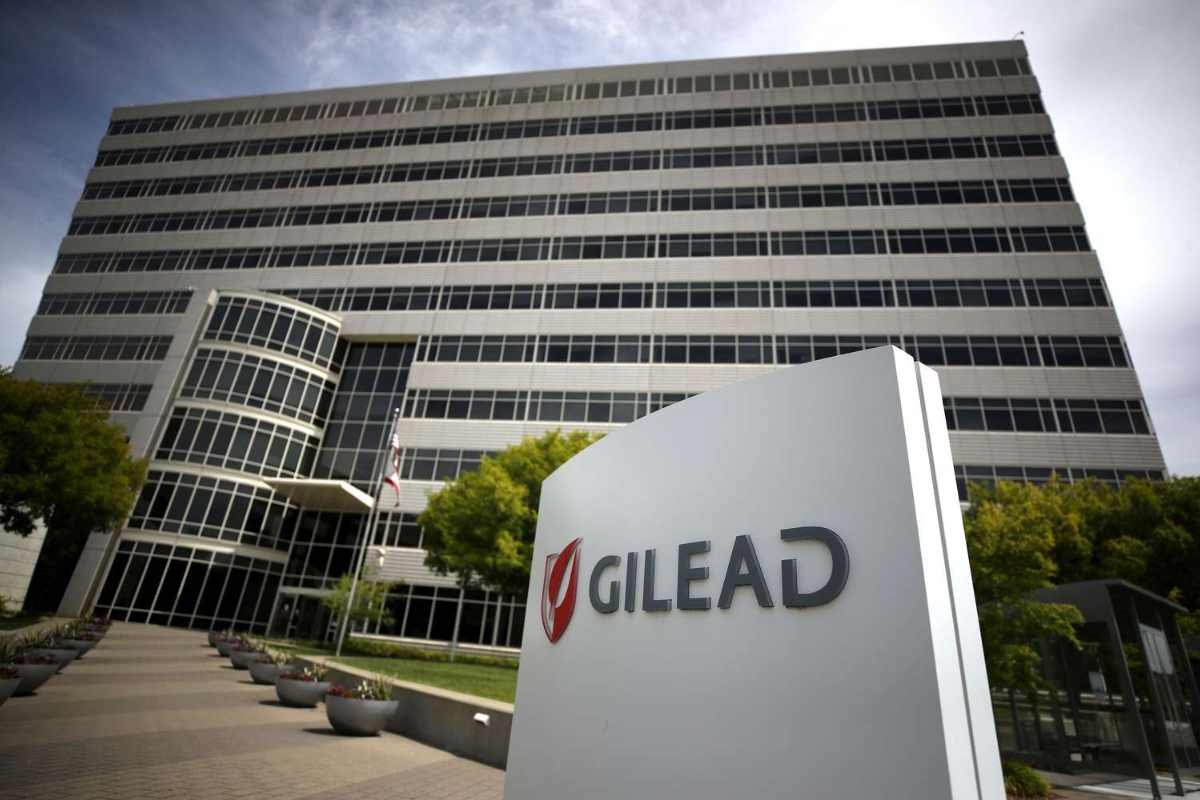
Market Cap: $158.21 B | Earnings: $9.88 B | Employees: 17,600
Another one of the Largest Pharmaceutical Companies in the world is Gilead. It became known for antiviral breakthroughs, including treatments for HIV and hepatitis C. It started in 1987 in California and runs from its headquarters in Foster City.
The company introduced therapies like Truvada and Harvoni, which changed long-term care for millions. It also invests in cell therapy for cancer.
11. Pfizer
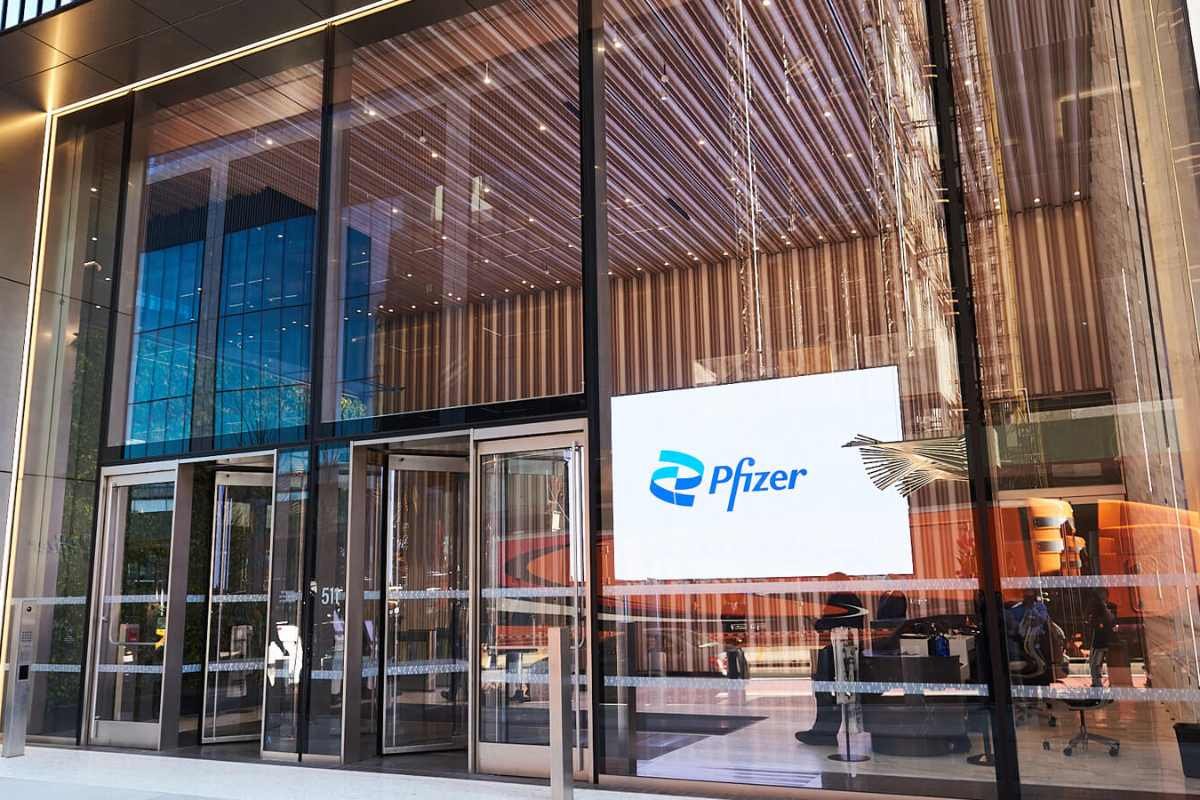
Market Cap: $146.17 B | Earnings: $11.85 B | Employees: 81,000
Pfizer brought many landmark therapies to the world, and its vaccine work is widely recognized. It began in 1849 in New York and now operates from its headquarters in Manhattan. The company introduced well-known products like Lipitor and Prevnar.
It also expanded RNA technology through partnerships with BioNTech. Pfizer remains one of the most familiar names in healthcare.
12. Sanofi
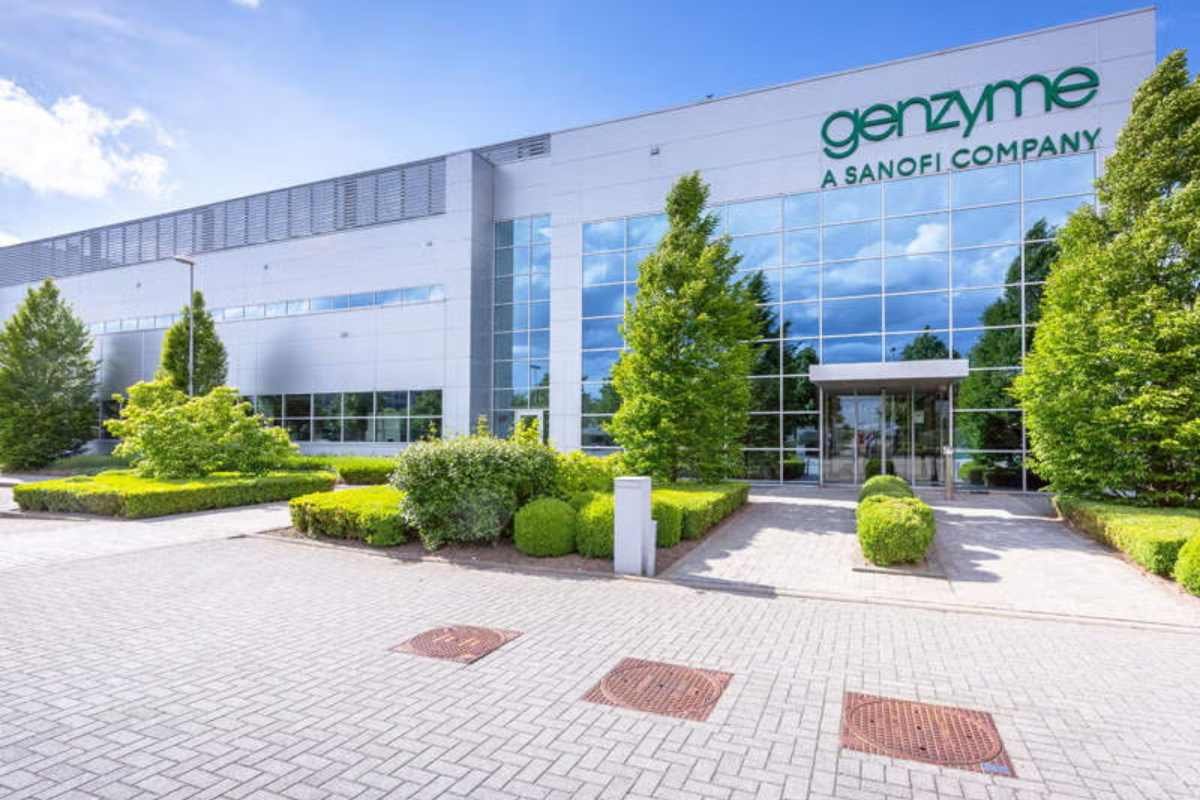
Market Cap: $122.11 B | Earnings: $9.10 B | Employees: 82,878
Sanofi leads global vaccine and rare disease research. The company was formed after a series of mergers in France during the 1970s and 1990s. Its headquarters in Paris guide its work on diabetes, immunology, and pediatric vaccines.
Sanofi also created Dupixent, which changed treatment for eczema and asthma. Its reach keeps it near the Largest Pharmaceutical Companies in the world.
13. Vertex Pharmaceuticals
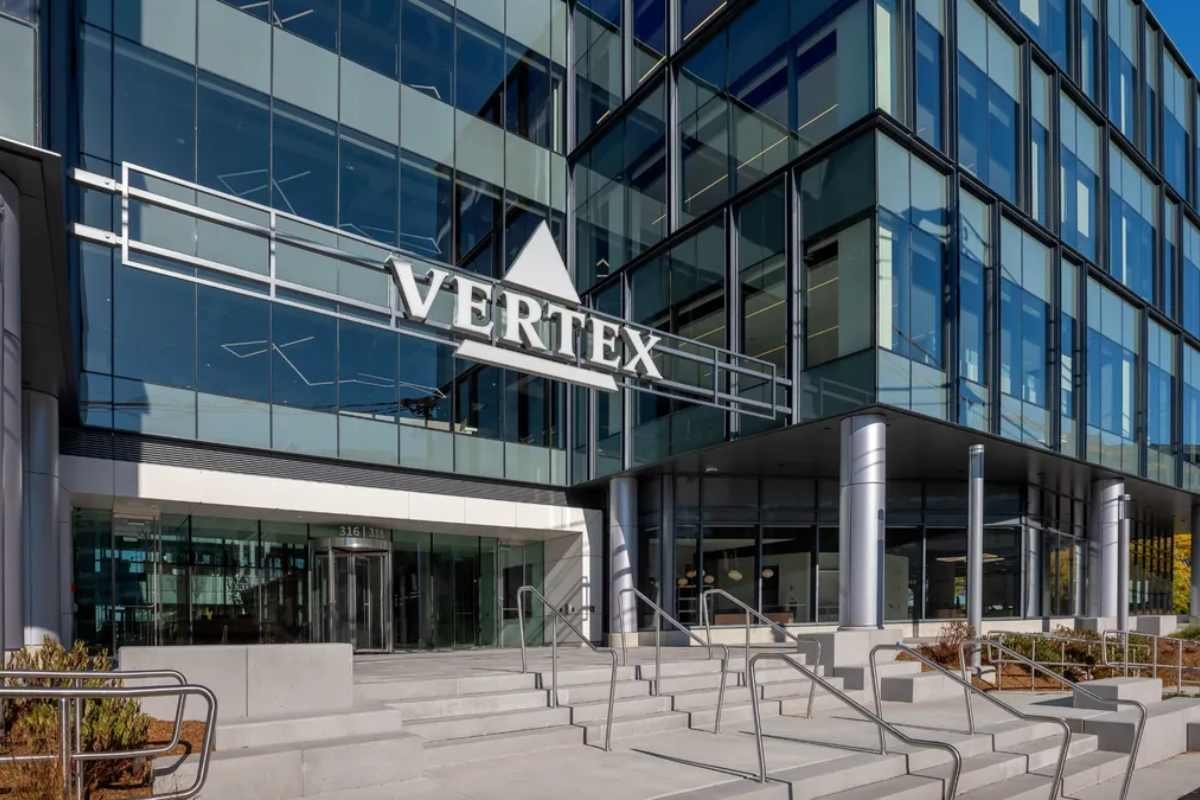
Market Cap: $110.80 B | Earnings: $4.46 B | Employees: 6,100
Vertex changed cystic fibrosis care with therapies like Trikafta, a major step in personalized medicine. It started in 1989 in Boston and now works from its headquarters in the same area.
The company focuses on tough genetic conditions and invests in CRISPR-based tools. It also explores treatments for pain and kidney disease. Vertex is respected for its focused research style.
14. CVS Health

Market Cap: $101.37 B | Earnings: $5.99 B | Employees: 219,000
CVS Health controls one of the largest healthcare networks in the U.S. Its fast rise has made it one of the Largest Pharmaceutical Companies in the world. Its pharmacy business started in 1963, and today, the headquarters in Rhode Island oversees retail care, insurance, and clinical programs.
The company runs MinuteClinic and manages large prescription services through Caremark. These combined arms make CVS a major force in modern healthcare systems.
15. Bristol-Myers Squibb
Market Cap: $100.26 B | Earnings: $8.03 B | Employees: 34,100
Bristol-Myers Squibb is known for Opdivo and Eliquis, the drugs that helped in the advancement of cancer and heart care and treatment. The company was formed through mergers that date back to the 1800s. Its headquarters in New York City guide research in oncology, cardiovascular disease, and immunology.
BMS also expanded biotech programs through strategic acquisitions. Its strong research culture places it among global leaders.
16. GlaxoSmithKline (GSK)
Market Cap: $96.95 B | Earnings: $9.32 B | Employees: 68,629
GSK built its name with vaccines and respiratory medicines like Advair. Its roots stretch back to the 1700s after several drug and food companies merged over time, and its impact makes it stand alongside the Largest Pharmaceutical Companies in the world.
Its headquarters in London oversees major programs in infectious disease and immunology. GSK also developed new vaccine technology with a strong global reach.
17. Chugai Pharmaceutical
Market Cap: $88.89 B | Earnings: $3.23 B | Employees: 5,026
Chugai is known for biologic cancer and hematology treatments. It began in 1925 in Tokyo and now operates from its headquarters in the same city. Its partnership with Roche helped expand new antibody-based medicines. they advanced research in oncology and immunology, focusing on therapies that target disease pathways with greater accuracy.
Chugai’s innovations include Hemlibra, used for hemophilia care. These advances made it an important name in Asia’s growing research community.
18. Regeneron Pharmaceuticals
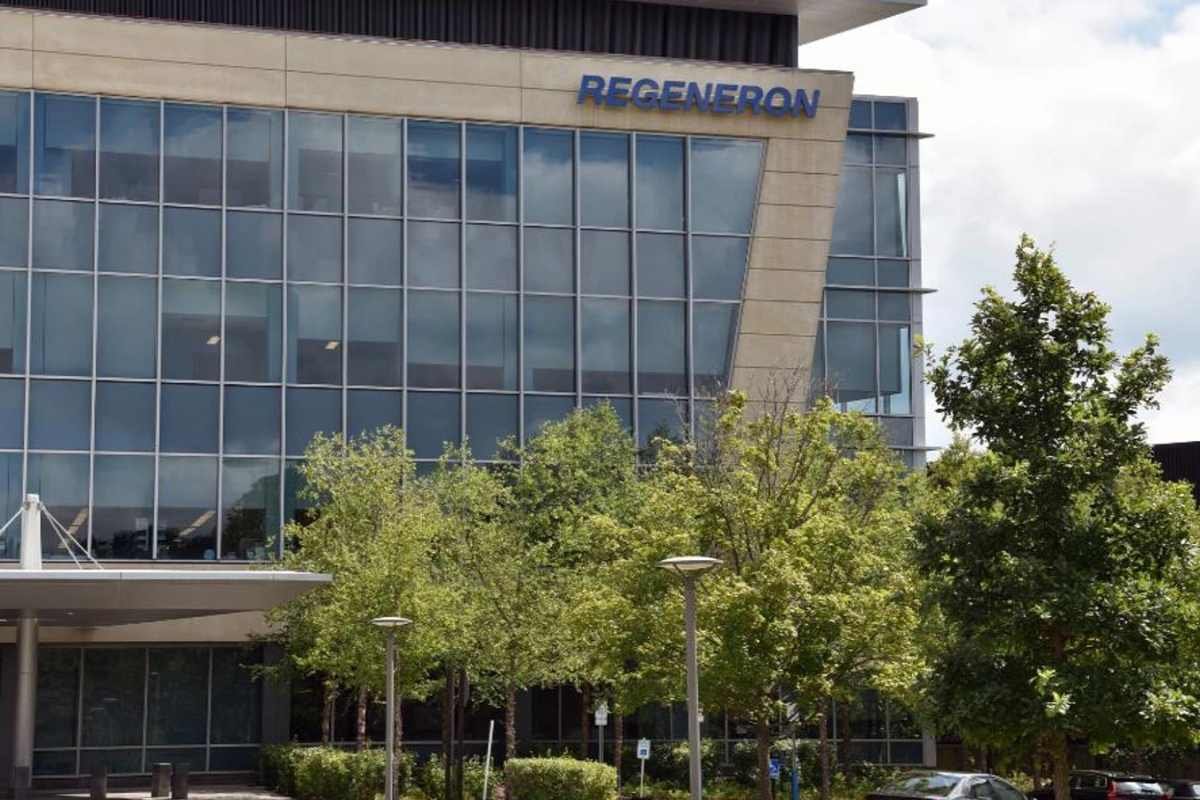
Market Cap: $83.15 B | Earnings: $5.14 B | Employees: 15,182
Regeneron built strong research programs around genetics and antibody development. It started in 1988 in New York and works from its headquarters in Tarrytown. Medicines like Eylea and Dupixent helped millions with eye and immune conditions.
The company also used its technology to support global antibody research. Regeneron’s growth places it among major biotech leaders.
19. CSL
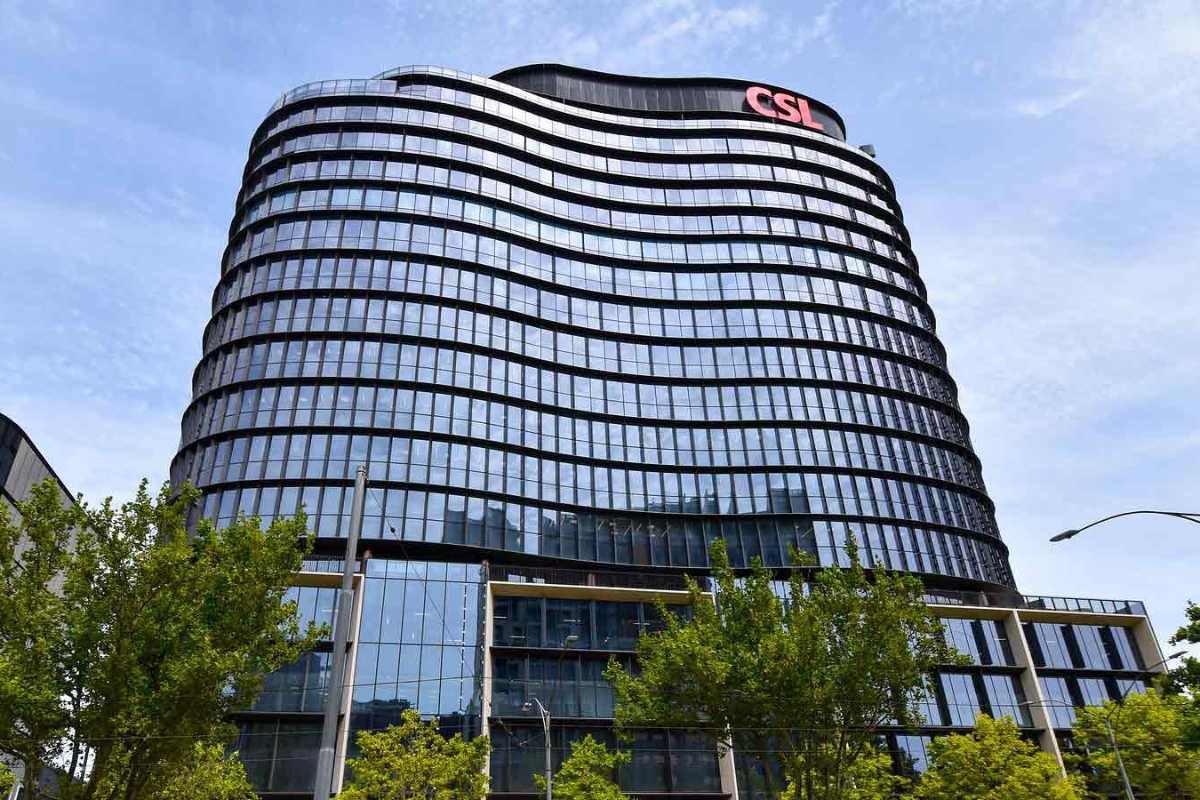
Market Cap: $58.99 B | Earnings: $3.37 B | Employees: 32,698
CSL began as a public health lab in Australia in 1916. Today, its headquarters in Melbourne oversee major programs in vaccines and plasma-based treatments. The company produces therapies for bleeding disorders and immune conditions.
This is why a list of the largest pharmaceutical companies in the world is incomplete without CSL. It also expanded after acquiring several plasma networks. CSL’s long history makes it a trusted name worldwide.
20. Alnylam Pharmaceuticals
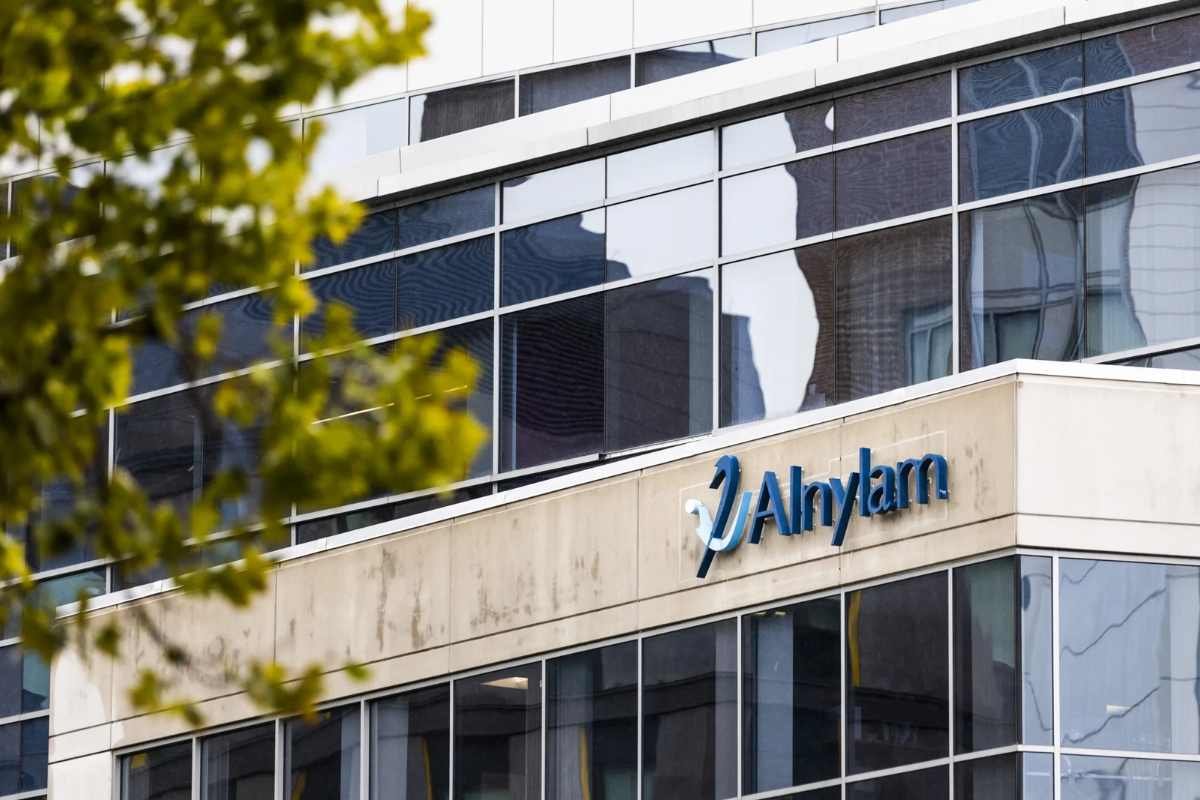
Market Cap: $58.80 B | Earnings: $0.13 B | Employees: 2,230
Alnylam is known for RNA interference treatments, a field that reshaped genetic medicine. The company began in 2002 in Massachusetts and now runs its operations from Cambridge. Its approved therapies include Onpattro and Givlaari. Alnylam works on rare metabolic and genetic conditions. Its unique focus gives it a strong identity in global biotech. By pushing RNA-based science forward, Alnylam continues to strengthen its reputation as a leader in advanced genetic medicine.
21. Jiangsu Hengrui Medicine
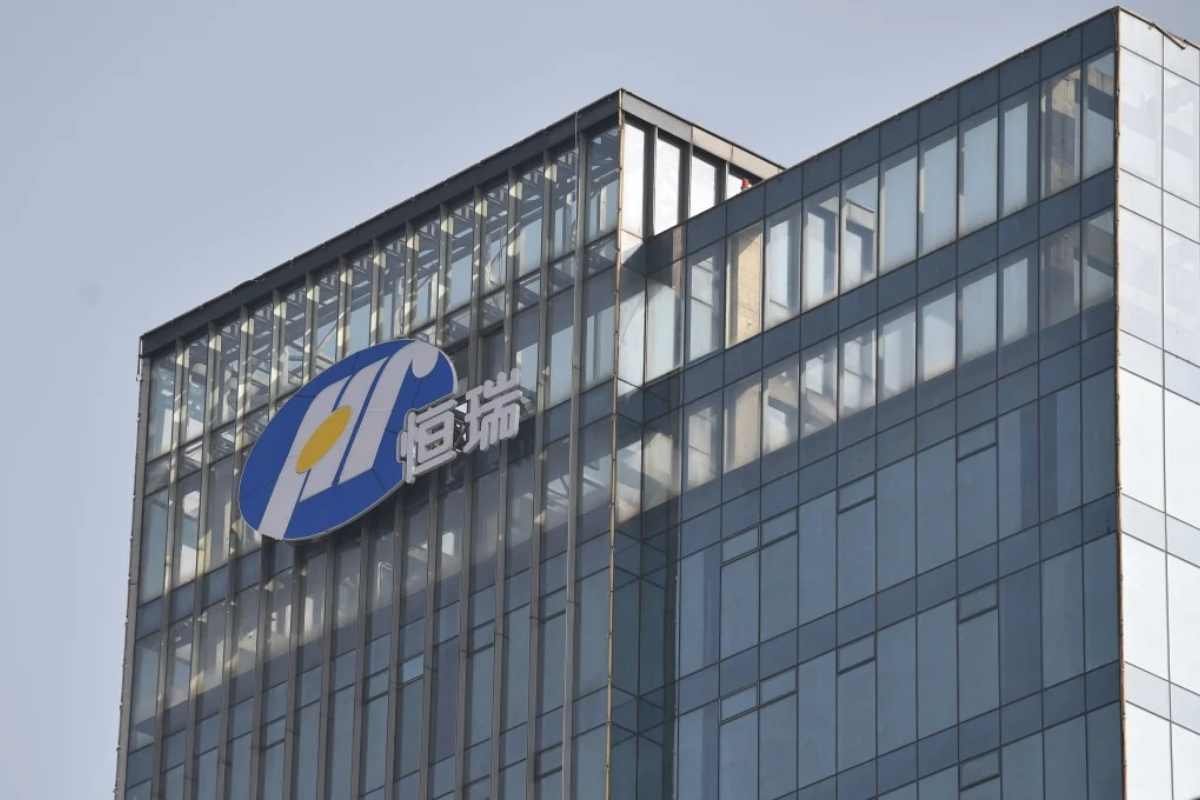
Market Cap: $58.42 B | Earnings: $1.17 B | Employees: 20,238
Jiangsu Hengrui is one of China’s leading research-driven drug makers. The company started in 1970 and now works from its headquarters in Lianyungang. It focuses on oncology, anesthesia, and imaging drugs.
Hengrui also invests in global clinical trials and modern biologic platforms. Its expansion helped it join the group of major global players. The company remains a major force in the global healthcare sector, making it one of the largest pharmaceutical companies in the world.
22. Merck KGaA
Market Cap: $58.42 B | Earnings: $4.01 B | Employees: 62,345
Merck KGaA began in 1668 in Germany, making it one of the world’s oldest science companies. Its headquarters in Darmstadt directs programs in pharmaceuticals, life sciences, and specialty chemicals.
The company produces cancer therapies like Bavencio and tools used in lab research. Merck KGaA’s long legacy keeps it connected to both history and modern science. Its roots date back to the 17th century, giving the company one of the oldest foundations in the pharmaceutical world. Today, it blends that heritage with cutting-edge research in oncology, immunology, and high-precision life-science tools.
23. Argenx
Market Cap: $57.14 B | Earnings: $0.96 B | Employees: 1,599
Argenx developed antibody-based treatments for rare autoimmune diseases. It started in 2008 in the Netherlands and operates from its headquarters in Amsterdam. Vyvgart, its leading therapy, changed care for generalized myasthenia gravis.
The company grows through partnerships and steady clinical research. Argenx remains a rising name in global biotech. Its flagship treatment, efgartigimod, has positioned Argenx as a leader in Fc-Rn–targeting drugs.
24. Zoetis
Market Cap: $56.59 B | Earnings: $3.33 B | Employees: 13,800
Zoetis leads global animal health and produces vaccines and medicines for pets and livestock. The company spun off from Pfizer in 2013 and now manages operations from Parsippany, New Jersey. Its well-known products include Apoquel and Simparica Trio.
Zoetis mixes research and field programs to support food safety and pet care. Its scale keeps it close to the Largest Pharmaceutical Companies in the world.
Global Pharmaceutical Market Size and Growth Outlook in 2026
The global pharmaceutical industry keeps growing as more people need treatment for chronic and age-related diseases. Research published by the Grand View Horizons forecasts a steady growth toward USD 2.3 trillion by 2030. New technologies such as biologics, gene therapies, and personalized medicine also push the market forward. North America remains the largest region, while Asia-Pacific grows quickly as healthcare access expands.
Innovation stays at the center of this industry, but the largest pharmaceutical companies in the world still face pressure from high development costs, strict regulations, and the rise of generics and biosimilars. Even with these challenges, demand continues to rise worldwide. More people seek long-term care, and health systems expand in emerging markets. As a result, experts expect strong growth over the next decade, driven by advanced therapies and rising global healthcare spending.
Conclusion:
Understanding the largest pharmaceutical companies in the world gives you a clearer sense of how modern medicine grows, adapts, and reaches people around the world. These organizations shape research, influence treatment availability, and help move new breakthroughs from labs to hospitals. The scale may be massive, but the impact reaches individuals in simple, everyday ways. As you explore the work of these companies, you see how global healthcare relies on steady innovation and long-term commitment.
FAQs
1. Do the largest pharmaceutical companies in the world focus only on one type of medicine?
No. Most work across several areas such as vaccines, oncology, cardiology, immunology, and rare diseases.
2. Why are these companies important to global healthcare?
They develop medications, fund major research, support public health efforts, and make treatments accessible to large populations.
3. How do these companies bring new medicines to the market?
They follow a long process that includes research, clinical trials, regulatory approvals, and large-scale production.