“Not all that is sweet is healthy, and not all that is natural is harmless.”
We all know fruits are packed with nutrients, but did you know some fruits can be surprisingly “unhealthy” when it comes to sugar and calories? For instance, a single mango can contain 45g of sugar, almost as much as a candy bar, and just 5 dates pack over 80 calories and 80% of your daily sugar limit in a few bites. From dried fruits to fruit juices and tropical delights, these calorie- and sugar-dense options can spike blood sugar and add hidden calories if overconsumed. This guide uncovers the least healthy fruits, giving you the data to enjoy them smartly without sacrificing health.
Top 12 Least Healthy Fruits You Should Watch Out For
While fruits are generally healthy, some are surprisingly high in sugar, calories, or acidity, which can impact blood sugar, weight management, or digestive comfort. The following fruits are delicious but should be consumed in moderation. Each entry includes sugar content, calories, and tips for smarter portion control so you can enjoy them without overdoing it.
1. Dates

| Sugar | ~16g per date |
| Calories | 20–23 kcal per date |
| Why It’s Less Healthy | Extremely high in sugar and calories; can spike blood sugar if overconsumed |
| Serving Tips | Eat in small portions; pair with nuts for balance |
Dates are naturally very sweet and calorie-dense, making them one of the least healthy fruits when eaten in excess. Just a few dates can contain as much sugar as a small candy bar, which can spike blood sugar levels quickly. They are rich in fiber, potassium, and antioxidants, offering some nutritional benefits. However, their concentrated sugar content means moderation is crucial, especially for people managing weight or diabetes. Pairing dates with nuts or yogurt can help balance their sweetness and reduce blood sugar impact.
2. Dried Fruit (Raisins, Figs, Apricots)

| Sugar | 20–30g per ¼ cup |
| Calories | 100–120 kcal per ¼ cup |
| Why It’s Less Healthy | Sugar and calories are concentrated; easy to overeat |
| Serving Tips | Choose unsweetened; limit to a small handful |
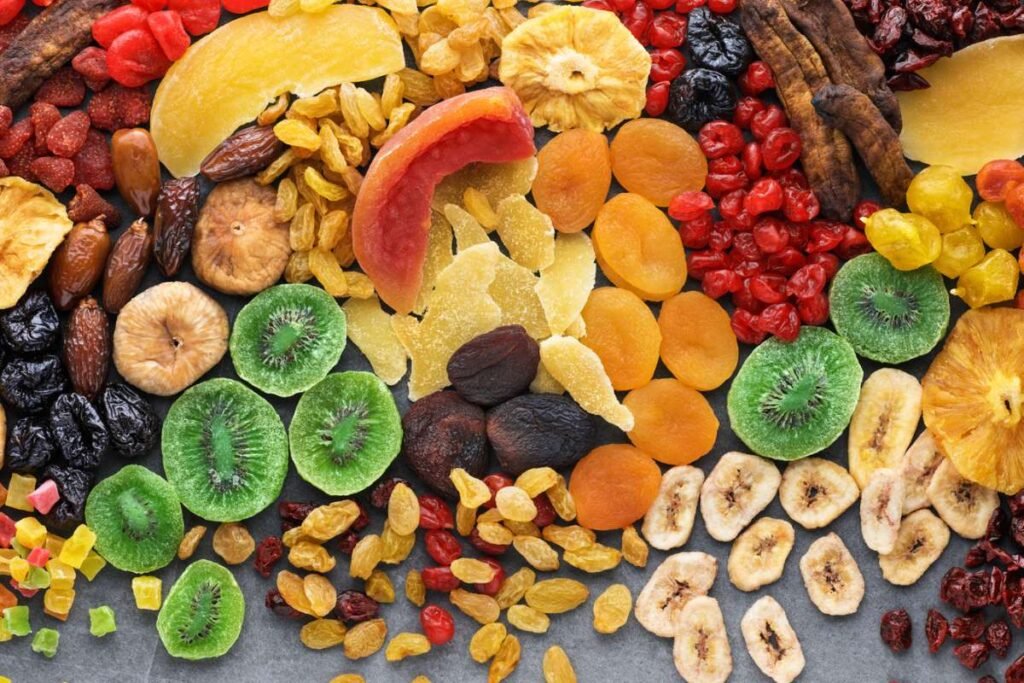
Dried fruits are a popular snack, but the drying process concentrates their natural sugar and calories. A small handful of raisins or figs can have the same sugar content as a whole cup of fresh fruit. They still contain fiber, vitamins, and antioxidants, but overconsumption can easily lead to extra calories. Some brands even add sugar during processing, making them even less ideal for regular snacking. Stick to small portions or choose unsweetened varieties to enjoy them without overloading on sugar.
3. Prunes (Dried Plums)

| Sugar | ~18g per 5 prunes |
| Calories | 115 kcal per 5 prunes |
| Why It’s Less Healthy | Concentrated sugar and calories may affect blood sugar |
| Serving Tips | Pair with protein or fiber; consume in small portions |
Prunes are famous for promoting digestion, but they are also sugar- and calorie-dense due to the drying process. Just a few prunes can add a significant sugar load to your diet, which is why they’re considered one of the least healthy fruits when eaten in excess. They are high in fiber, potassium, and antioxidants, providing digestive and heart benefits. Portion control is key to enjoying their benefits without spiking blood sugar. Pairing prunes with nuts, yogurt, or fiber-rich foods can make them a healthier snack option.
4. Fruit Juice

| Sugar | 20–30g per 8 oz |
| Calories | 100–120 kcal per 8 oz |
| Why It’s Less Healthy | Stripped of fiber, concentrated sugar can spike blood sugar |
| Serving Tips | Prefer whole fruit over juice whenever possible |
Fruit juice may seem like a healthy option, but it is stripped of fiber and packed with concentrated sugar. Drinking juice can spike blood sugar much faster than eating whole fruits. While juices provide some vitamins and hydration, the high sugar content makes them less ideal for daily consumption. Even 100% natural fruit juice can be equivalent to a sugary soft drink in sugar content. Choosing whole fruits instead ensures you get fiber and nutrients without excessive sugar.
READ MORE:
- Healthiest Fruits from A–Z: Unlock the Nutritional Power of These 26 Fruits
- Is Your Diet Linked To Your Brain? Try These Brain Boosting Foods For A Healthy Brain
5. Avocado
| Sugar | ~0.2g per fruit |
| Calories | 240 kcal per fruit |
| Why It’s Less Healthy | High calorie density due to healthy fats |
| Serving Tips | Use sparingly; perfect in salads or on toast |
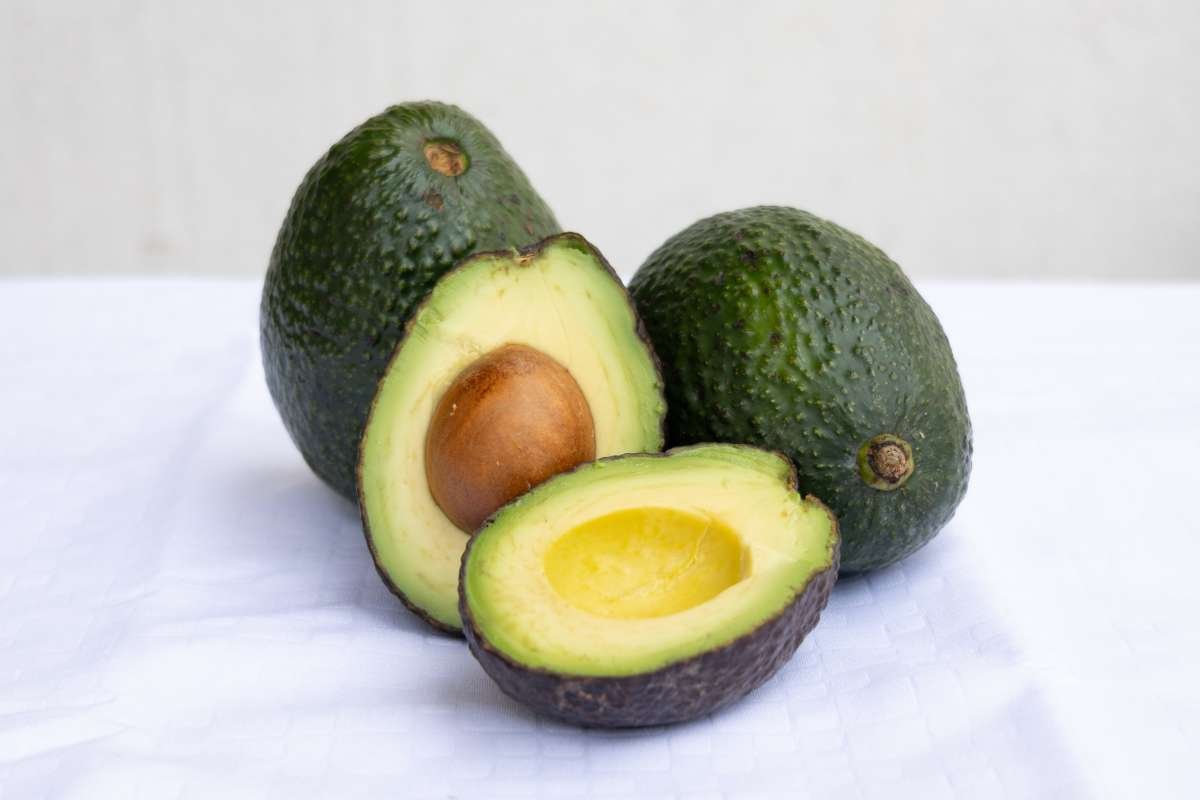
Avocados are known for their creamy texture and heart-healthy fats, but they are surprisingly high in calories. This calorie density makes them one of the least healthy fruits for people watching their caloric intake. Despite this, avocados are packed with monounsaturated fats, fiber, potassium, and vitamins, making them extremely nutritious. They are not “unhealthy,” but eating too much at once can contribute to excess calorie consumption. Enjoy avocados in moderation, adding them to salads, toast, or smoothies for a nutrient-rich boost.
6. Lychee

| Sugar | ~29g per cup |
| Calories | 125 kcal per cup |
| Why It’s Less Healthy | High sugar content; may spike blood sugar |
| Serving Tips | Eat a few at a time; avoid large bowls |
Lychees are tropical, juicy, and irresistibly sweet, but they are naturally high in sugar. Eating a large bowl can quickly spike blood glucose levels, making it less ideal for diabetics or those watching sugar intake. Despite this, lychees are rich in vitamin C and antioxidants, which support immunity and skin health. They are low in calories but very sugary per serving, which is why moderation is key. Enjoy a few lychees at a time to savor their flavor without overdoing the sugar.
7. Mango
| Sugar | ~45g per fruit |
| Calories | 200 kcal per fruit |
| Why It’s Less Healthy | Very high in natural sugar; can impact blood sugar levels |
| Serving Tips | Enjoy in moderation; pair with protein for balance |
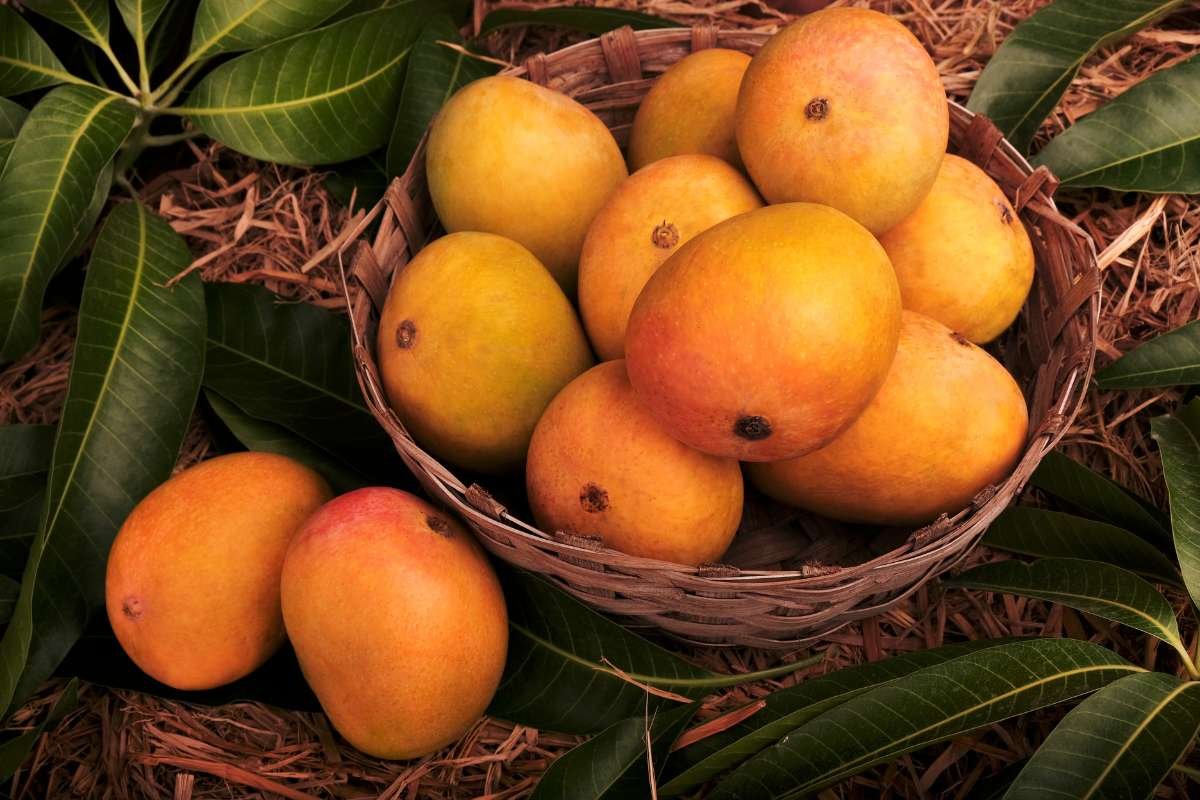
Mangoes are often called the “king of fruits” thanks to their rich flavor and vibrant color, but they are also loaded with natural sugar. A single mango can contain as much sugar as a dessert, which can impact blood sugar if eaten in large amounts. While they are high in vitamin C, vitamin A, and fiber, making them nutritious, their sugar content means they are often considered among the least healthy fruits if consumed excessively. Portion control and pairing mango with protein or eating it in season can help you enjoy it more healthily.
8. Dried Coconut

| Sugar | ~5g per ¼ cup |
| Calories | 185 kcal per ¼ cup |
| Why It’s Less Healthy | High in fat and calories; easy to overconsume in recipes |
| Serving Tips | Sprinkle lightly to add flavor without excess calories |
Shredded or desiccated coconut is often used in baking or granola, but it is high in fat and calories. This makes it calorie-dense compared with fresh coconut or other fruits. While it provides fiber, healthy fats, and essential minerals, overconsumption can add unnecessary calories to your diet. Using dried coconut sparingly ensures you get flavor without overloading on fats. Fresh coconut or coconut water can be a lighter alternative with similar nutrients.
9. Oranges
| Sugar | ~12g per orange |
| Calories | 60 kcal per orange |
| Why It’s Less Healthy | Acidic; may trigger reflux in sensitive individuals |
| Serving Tips | Eat with meals if prone to heartburn; moderate portions |
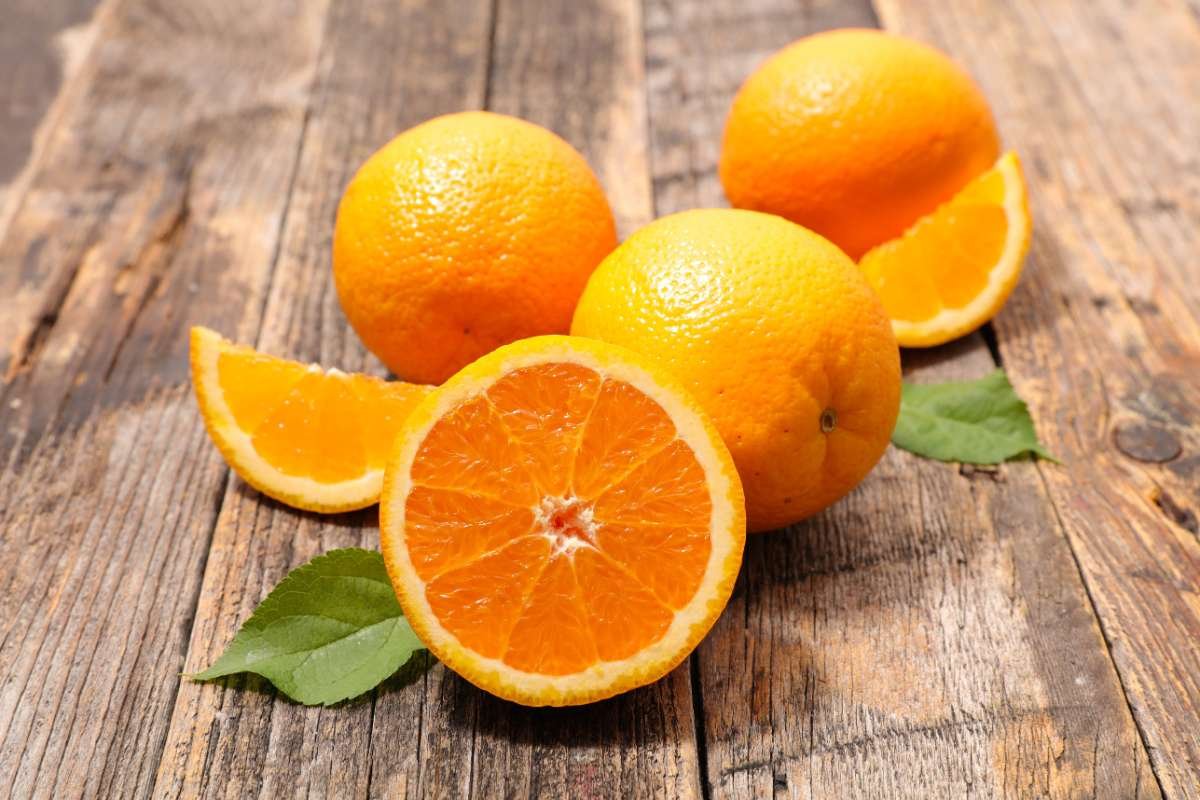
Oranges are packed with vitamin C and antioxidants, but their acidity can trigger heartburn or reflux in some people. They are low in calories and sugar compared to other fruits, but may still cause digestive discomfort for sensitive individuals. Eating oranges with meals can reduce potential irritation. Despite this, they remain highly nutritious and hydrating. Moderation is key for those with acid sensitivity.
10. Canned Fruit in Heavy Syrup

| Sugar | 15–25g per ½ cup |
| Calories | 80–100 kcal per ½ cup |
| Why It’s Less Healthy | Added sugar increases calorie load; reduces nutritional value |
| Serving Tips | Choose fruit canned in water or natural juice; avoid syrup |
Canned fruits in syrup are convenient, but the added sugar makes them one of the least healthy fruit options. The syrup significantly increases calories and reduces the fruit’s natural nutritional value. Even a small serving can be as sweet as a dessert. Choosing fruit canned in water or natural juice is a healthier alternative. Enjoy these only occasionally, as a treat rather than a regular snack.
11. Tomatoes
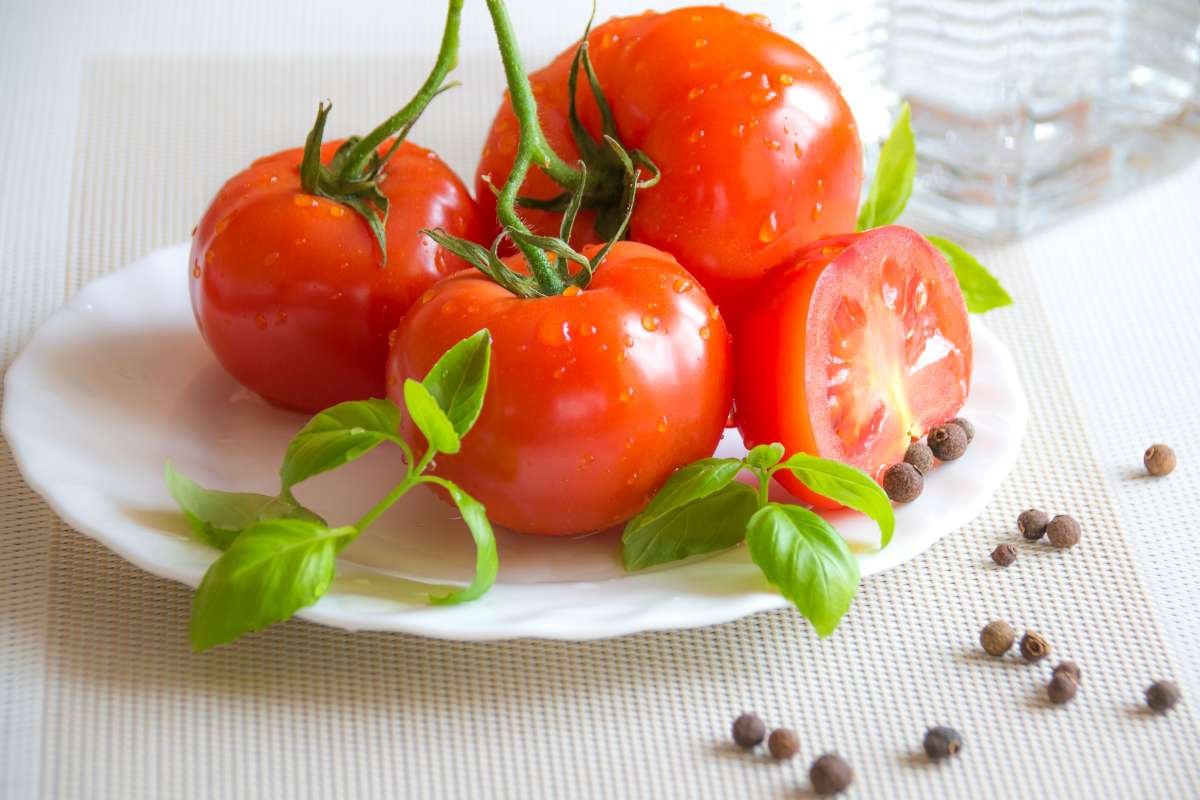
| Sugar | ~3g per medium tomato |
| Calories | 22 kcal per medium tomato |
| Why It’s Less Healthy | Acidic; can cause heartburn in sensitive stomachs |
| Serving Tips | Cooking reduces acidity; enjoy in sauces or soups |
Although commonly used as a vegetable, tomatoes are technically a fruit. They are acidic, which can cause heartburn or discomfort for people with sensitive stomachs. Tomatoes are rich in vitamins, minerals, and antioxidants like lycopene, which support heart and skin health. Cooking tomatoes can reduce acidity and make them easier to digest. Enjoy tomatoes in sauces, soups, or salads while watching portion sizes if you’re prone to reflux.
12. Grapefruit
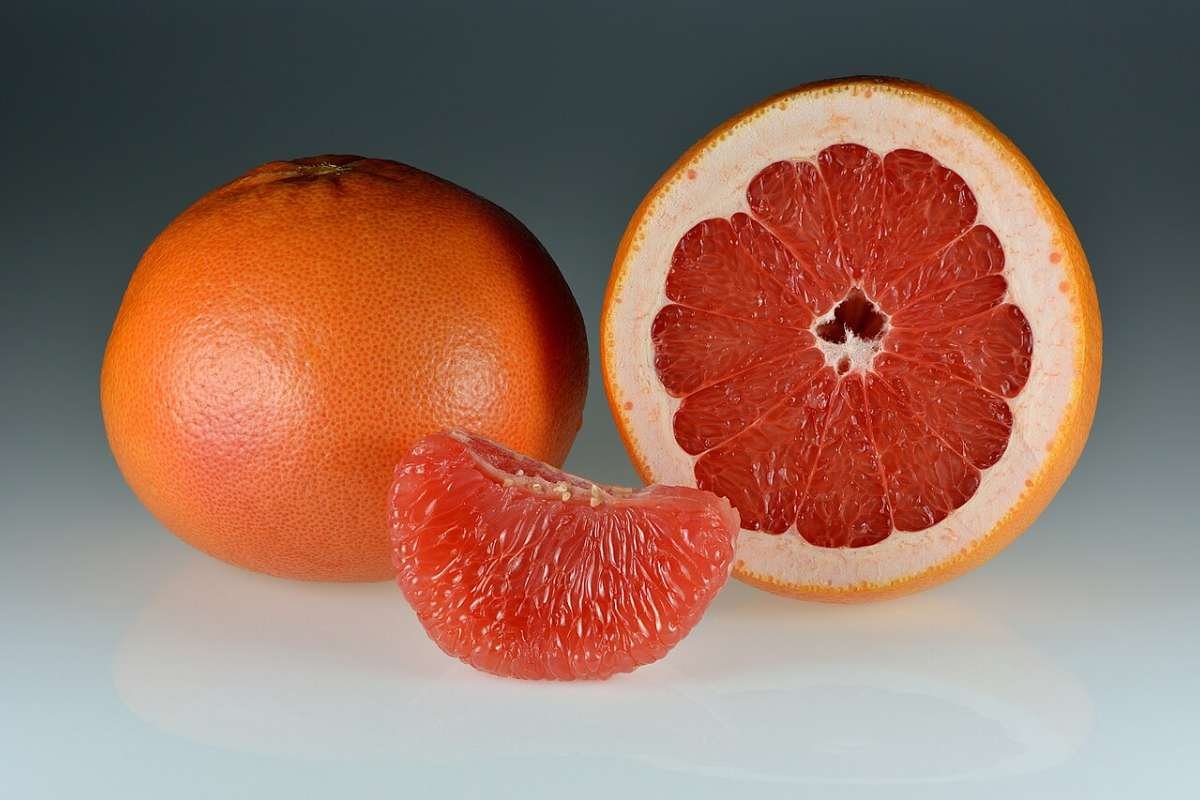
| Sugar | ~19g per half grapefruit |
| Calories | 52 kcal per half grapefruit |
| Why It’s Less Healthy | Acidic; may interact with certain medications |
| Serving Tips | Pair with protein; moderate portions for sensitive stomachs |
Grapefruit is tangy, low in calories, and packed with vitamin C, but it is highly acidic and can interact with certain medications. This makes it one of the least healthy fruits for those on specific prescriptions or with sensitive stomachs. It is still nutritious and can be a low-sugar alternative to sweeter fruits. Eating grapefruit in moderation and pairing it with protein can reduce digestive or blood sugar impact. Always check for medication interactions before making it a regular part of your diet.
Conclusion:
Not all fruits are created equal. While they offer vitamins, fiber, and antioxidants, some are surprisingly high in sugar, calories, or acidity. From dried fruits and tropical delights to fruit juices and calorie-dense options like avocado, moderation is key. By being aware of their sugar and calorie content, you can still enjoy these fruits without spiking blood sugar or adding hidden calories. Remember: portion control, pairing with protein or fiber, and choosing fresh over processed are simple strategies to enjoy the taste and benefits of fruit safely.
FAQs:
1. Are these fruits unhealthy for everyone?
No. These fruits are not “unhealthy” per se, but their high sugar, calorie, or acidity levels mean they should be eaten in moderation, especially by people managing weight, blood sugar, or digestive sensitivity.
2. Can I still include them in my diet?
Yes! You can enjoy them in small portions or paired with protein, nuts, or fiber-rich foods to balance sugar absorption and calories.
3. Are dried fruits worse than fresh fruits?
Dried fruits have concentrated sugar and calories because the water is removed. While they are nutrient-dense, portion control is essential.
4. Is fruit juice bad for health?
Juice is stripped of fiber and often has concentrated sugar, which can spike blood sugar faster than whole fruit. Whole fruit is generally the healthier option.
5. How can I enjoy high-calorie fruits like avocado or dates without overdoing it?
Use them in moderation, add avocado to salads or toast in controlled portions, and pair dates with nuts to slow sugar absorption and reduce blood sugar spikes.