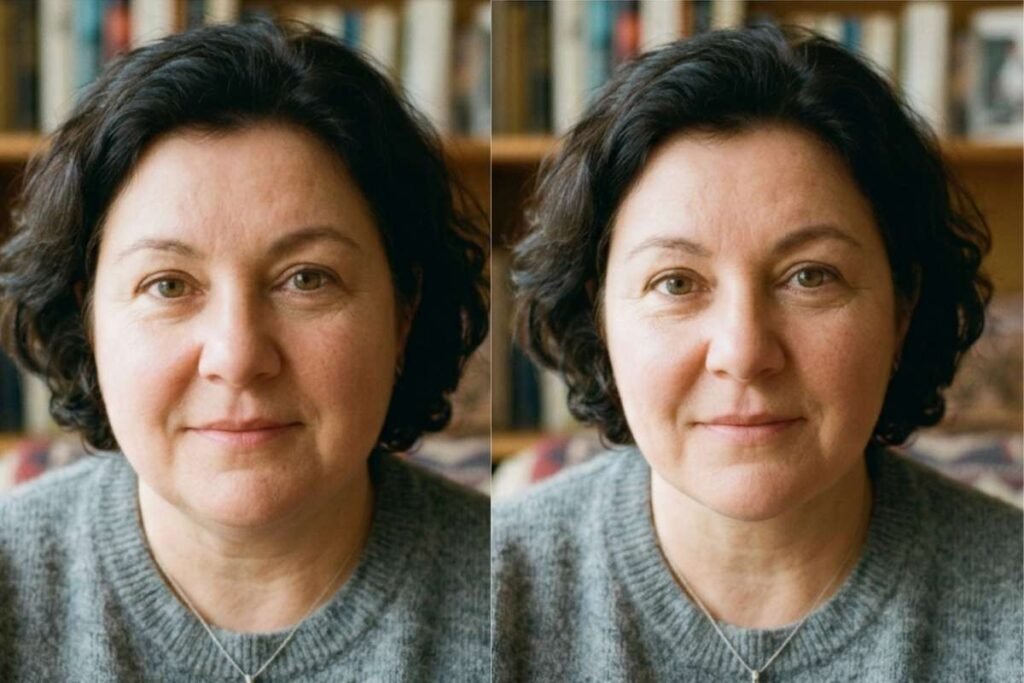
Many people notice weight gain in their face before they see it anywhere else. A few extra pounds can make the cheeks look fuller or the jawline less defined. For some people, this change feels frustrating because the face is the first thing others see.
Puffy cheeks or a round face can affect how confident someone feels in photos or in daily life. The good news is that small lifestyle changes can help you lose fat in face areas over time. With the right habits, your face can slowly start to look slimmer and more defined.
The process does not happen overnight, but steady changes can make a noticeable difference. This guide explains how facial fat can be dealt with, what works, and simple habits that help you lose fat in your face and cheeks over time.
Why Fat Builds Up in the Face and Cheeks
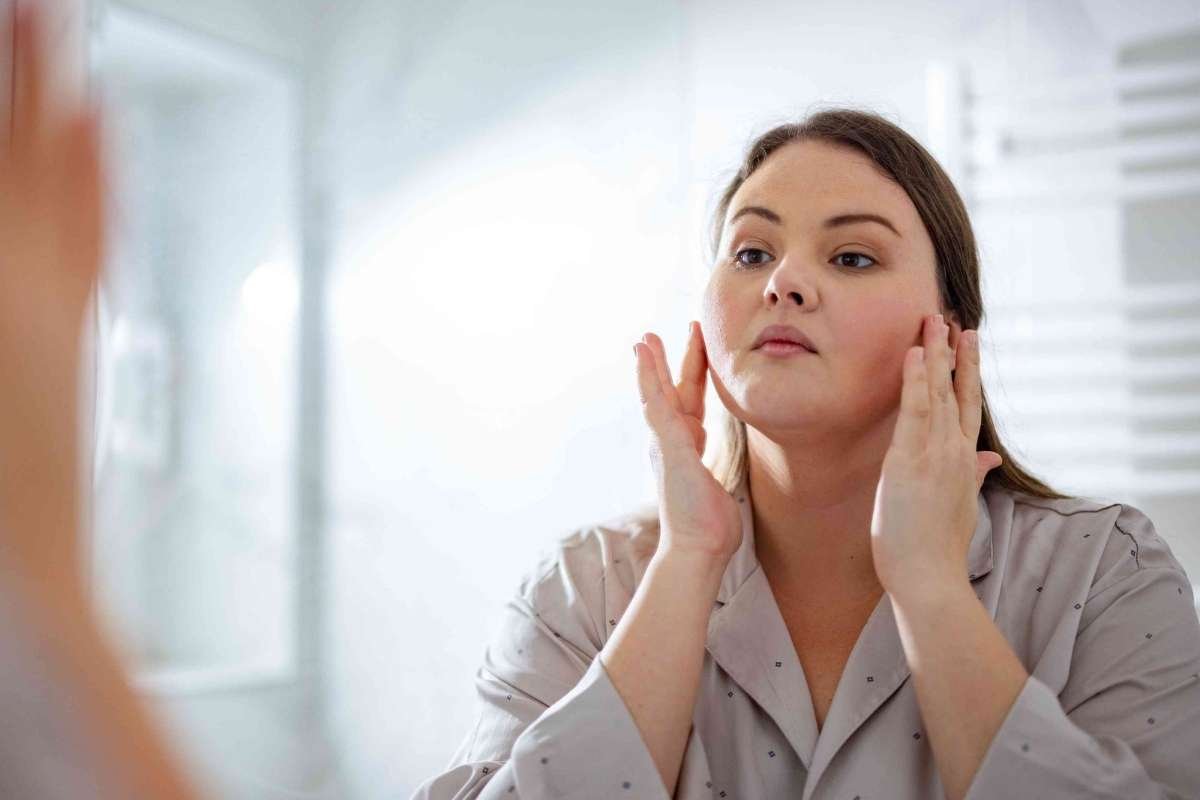
Face fat can happen for several reasons. For many people, it is a mix of genetics, lifestyle habits, and overall body fat.
- Genetics: Some people are more likely to store fat in their cheeks. If round cheeks run in your family, you may notice that your face holds fat more easily than other areas of your body.
- Body Fat Percentage: When body fat increases, the face often shows it quickly. The cheeks, chin, and jawline may look fuller. As body fat goes down, the face usually becomes slimmer as well.
- Water Retention: Sometimes the face looks puffy because of water retention rather than fat. Eating a lot of salty foods, drinking alcohol, or not drinking enough water can cause the body to hold extra fluid. This can make the cheeks look swollen or bloated.
- The Natural Fat in Your Cheeks: Your cheeks also contain a natural fat pocket called the buccal fat pad. This fat helps give the face shape and softness. Because of this structure, the cheeks often appear fuller than other parts of the face. Over time, healthy habits can help you lose fat in the face and reduce fullness in the cheeks.
Can You Target Fat Loss in the Face? Myth vs Reality
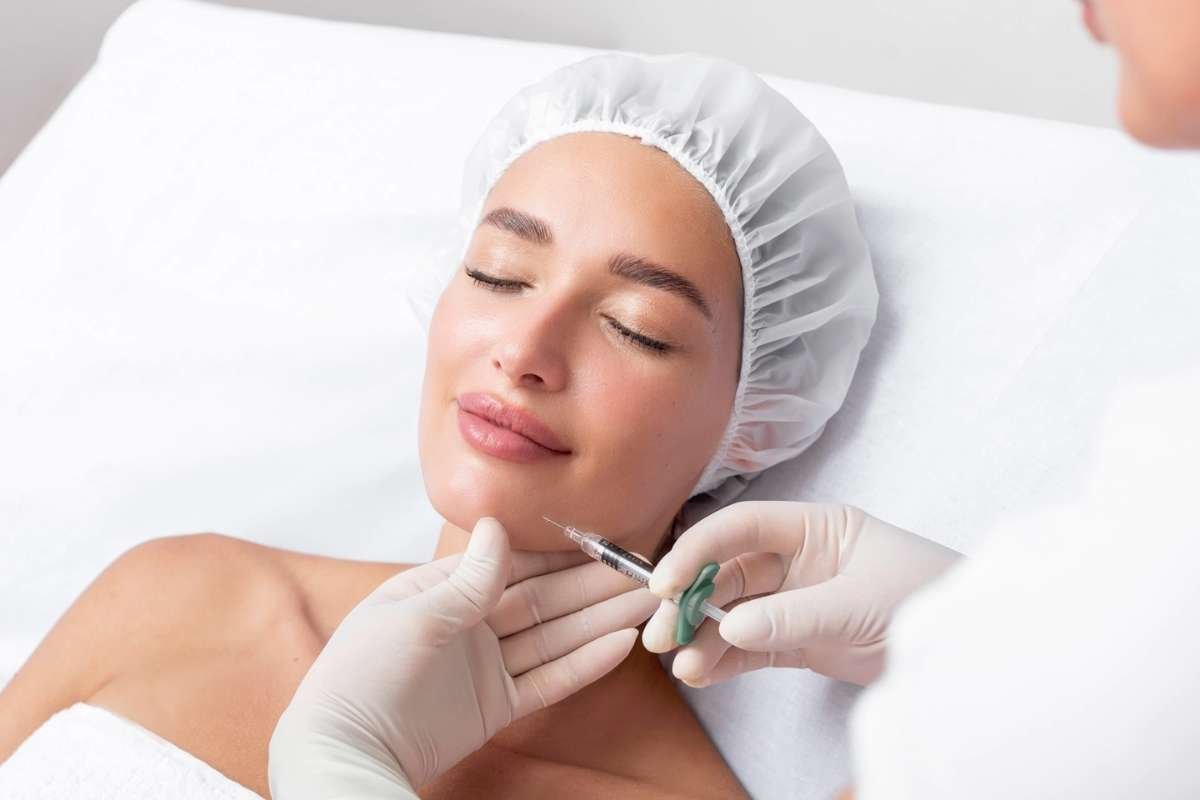
Many people search for ways to slim their cheeks quickly. It is a common belief that you can burn fat in just one area of the body by exercising that spot. This idea is called spot reduction.
In reality, the body does not lose fat this way. When you lose weight, fat usually decreases across the whole body, not only in one place. This is why changes in the face often happen as part of overall fat loss.
However, some habits can still make a noticeable difference in how your face looks. Drinking enough water can reduce puffiness. Eating balanced meals and staying active can support healthy fat loss. Facial exercises may also help tone the muscles around the cheeks and jaw.
These changes may seem small, but together they can improve how the face looks over time.
These strategies help one lose fat in face cheeks over time.
12 Simple Changes That Can Slim Your Face Over Time
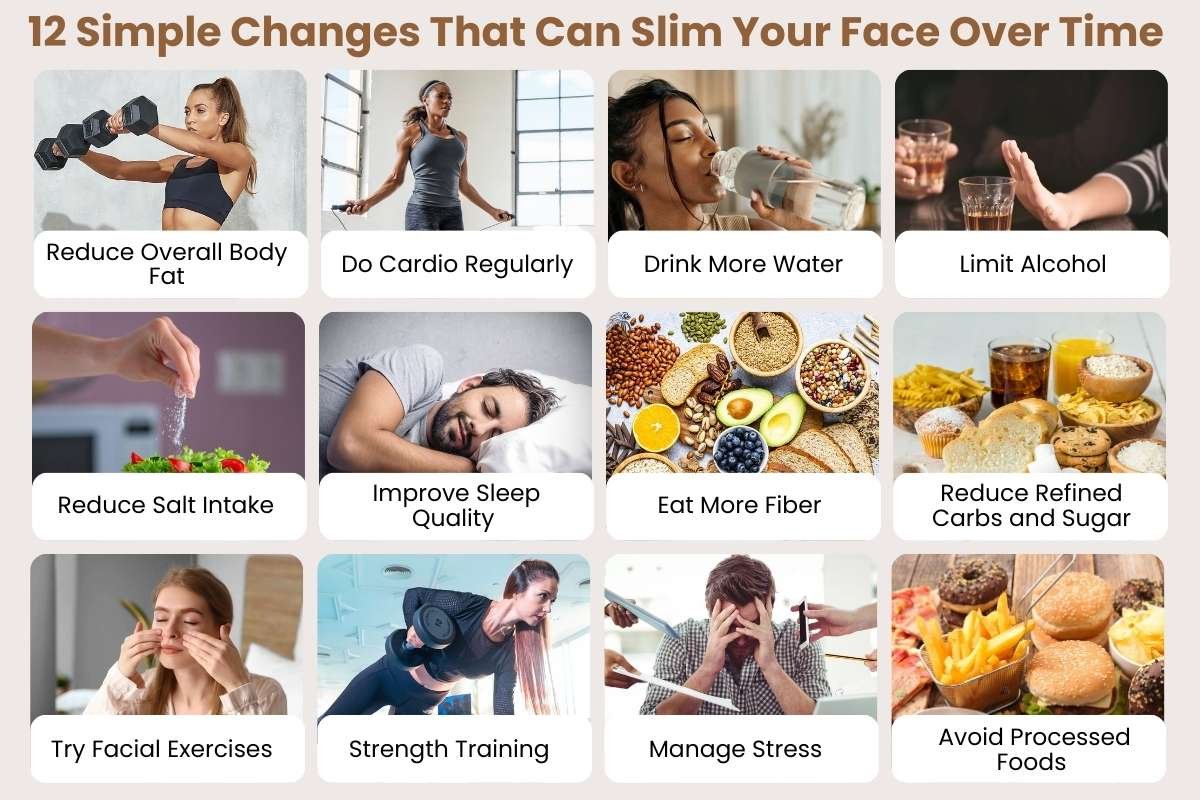
1. Reduce Overall Body Fat
The best way to lose fat in the face is to lower overall body fat. Fat is stored across the whole body, including the cheeks and jaw. When body fat goes down, the face often becomes slimmer too. Healthy eating and steady activity help the body burn stored fat. Small changes done every day can lead to real results over time.
- Eat balanced meals with vegetables, fruit, lean protein, and whole grains.
- Try to eat slightly fewer calories than your body burns each day.
2. Do Cardio Regularly
Cardio exercise helps the body burn calories. When the body burns more calories, it can start using stored fat for energy. Over time, this can help you lose fat in face areas. Cardio also improves heart health and blood flow. Even simple activities can make a difference.
- Try walking, cycling, running, or swimming.
- Aim for about 30 minutes of cardio most days of the week.
3. Drink More Water
Water helps the body stay balanced and healthy. When you do not drink enough water, the body may hold extra fluid. This can make the face look swollen or puffy. Drinking enough water can help reduce this effect. It also supports digestion and overall health.
- Drink water regularly throughout the day.
- Choose water instead of sugary drinks.
4. Limit Alcohol
Alcohol adds extra calories to the diet. These calories can make it harder to control body weight. Alcohol can also cause dehydration. When the body is dehydrated, it may hold water and cause puffiness in the face. Reducing alcohol can help support efforts to lose fat in face areas.
- Try to drink alcohol only in small amounts.
- Drink water along with or between alcoholic drinks.
5. Reduce Salt Intake
Salt contains sodium, which affects fluid balance in the body. Eating too much sodium can cause the body to hold water. This extra fluid can make the face look swollen. Many packaged foods contain large amounts of salt. Reducing sodium can help the face look less puffy.
- Check food labels to see how much sodium a food contains.
- Cook more meals at home to control salt levels.
6. Improve Sleep Quality
Sleep helps the body control hunger and energy levels. When people sleep too little, they may feel hungrier during the day. This can lead to eating more calories than needed. Over time, this may lead to weight gain and a fuller face. Good sleep habits support healthy weight control.
- Try to sleep about 7 to 9 hours each night.
- Go to bed and wake up at the same time every day.
7. Eat More Fiber
Fiber is found in many plant foods. It helps people feel full after eating. When people feel full, they are less likely to overeat. This can help with weight control over time. Healthy eating habits can support efforts to lose fat in face areas.
- Eat foods like oats, beans, fruits, and vegetables.
- Choose whole grains instead of refined grains.
8. Reduce Refined Carbs and Sugar
Refined carbs and sugary foods add many calories to the diet. They can also cause quick changes in blood sugar levels. These changes may increase hunger later. Eating too much sugar may lead to weight gain over time. Choosing healthier foods can support fat loss.
- Limit foods like candy, pastries, and sugary drinks.
- Choose whole grains, fruit, and vegetables instead.
9. Try Facial Exercises
Facial exercises work the muscles in the face. They do not burn fat directly, but they may help tone the muscles. Toned muscles can make the face look firmer. These exercises are easy to practice at home. They can support other habits that help you lose fat in face areas.
- Try exercises like the cheek puff, fish face, or smile hold.
- Practice these movements for a few minutes each day.
READ MORE:
- Top Recommended Nutritious Stomach Fat-Burning Foods
- Which is the Best Bread for Weight Loss? Here is How The Right Bread Can Help You Lose Weight
10. Strength Training
Strength training builds muscle in the body. Muscle helps the body burn more calories, even at rest. This can support long-term fat loss. As body fat goes down, the face may appear slimmer. Strength training also improves strength and balance.
- Try exercises like squats, push-ups, or resistance bands.
- Aim for strength training two or three times each week.
11. Manage Stress
Stress affects hormones in the body. High stress can increase the hormone cortisol. This hormone may increase hunger and food cravings. Over time, this can lead to weight gain. Managing stress can help support healthy habits and fat loss.
- Try relaxation methods such as deep breathing.
- Walking, exercise, and outdoor time can help reduce stress.
12. Avoid Processed Foods
Processed foods often contain extra sugar, salt, and unhealthy fats. These foods can add many calories to the diet. They may also cause water retention and puffiness. Eating more whole foods supports better health. Over time, these choices can help you lose fat in face areas.
- Choose fresh foods like vegetables, fruits, and lean protein.
- Limit packaged snacks, fast food, and processed meals.
Exercises That May Help Slim the Face

Some simple face movements can help strengthen the muscles in the cheeks, jaw, and neck. These exercises do not burn fat directly. However, they can help tone the muscles under the skin. Stronger muscles may make the face look firmer over time. When combined with healthy habits, these exercises can support your goal to lose fat in the face.
- Cheek Puff Exercise: Sit or stand upright and fill your mouth with air. Move the air from one cheek to the other slowly. Hold the air in each cheek for a few seconds. This movement works the cheek muscles.
- Fish Face Exercise: Suck your cheeks inward while keeping your lips closed. Your face will look like a fish shape. Hold the position for a few seconds before relaxing. This exercise works the cheek and mouth muscles.
- Jawline Lift: Tilt your head back and look toward the ceiling. Push your lower jaw forward slightly. Hold for a few seconds, then relax. This movement activates the jaw and chin area.
- Neck Stretch: Sit straight and gently tilt your head backward. Hold the stretch for several seconds. This helps relax and strengthen the neck muscles.
Habits That Make Your Face Look Puffier
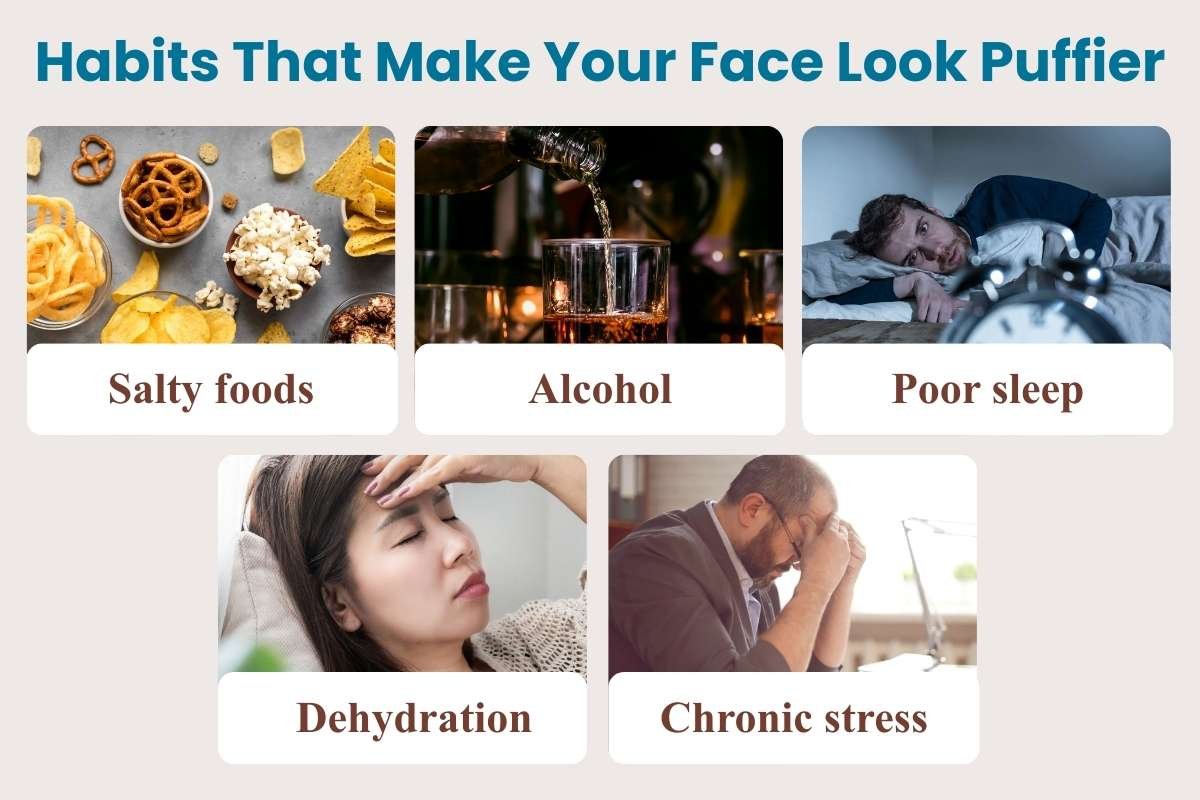
Sometimes the face looks fuller because of swelling, not fat. Certain daily habits can cause the body to hold extra water. This extra fluid can make the cheeks and eyes look puffy. Many people notice this swelling in the morning or after certain foods. The good news is that this type of puffiness is often temporary. Small changes in daily habits can help the face look less swollen. Over time, these changes may also support efforts to lose fat in face areas.
Common habits that may make the face look puffier include:
- Salty foods – Too much salt can cause the body to retain water. This water retention may lead to swelling in the cheeks and around the eyes.
- Alcohol – Alcohol can lead to dehydration, fluid retention, and many issues. This may cause the face to look bloated the next day.
- Poor sleep – Not getting enough sleep may cause swelling around the face and eyes. Lack of sleep can also affect hormones that control hunger.
- Dehydration – When the body lacks water, it may hold extra fluid. Drinking enough water can help the body maintain balance.
- Chronic stress – Long-term stress can affect hormones in the body. These hormone changes may increase puffiness and water retention.
How Long Does It Take to Lose Fat in Face?
Many people want to know how fast their face will slim down. The answer is different for everyone. Some people see small changes in a few weeks. Others may need more time. The face often becomes slimmer as the body loses fat.
Healthy habits help the body burn fat slowly. Eating well, staying active, and drinking water all help. Good sleep also supports weight control. Stress control matters too. When these habits stay steady, the face may look leaner over time.
Most people begin to see visible changes in about 3 to 8 weeks. This happens as body fat slowly drops. Small daily actions make the biggest difference. Quick fixes rarely last long. Patience and routine usually work best.
Several factors affect how quickly someone can lose fat in face areas.
| Factor | What does it mean? |
| Body Fat Percentage | People with higher body fat may notice face changes sooner when they lose weight. |
| Genetics | Some people naturally store more fat in the cheeks. |
| Diet Consistency | Eating balanced meals helps the body lose fat steadily. |
| Exercise Routine | Regular activity helps burn calories and fat. |
| Hydration | Drinking enough water may reduce puffiness in the face. |
The key is patience. Small daily habits often lead to visible changes over time.
When Face Fat Might Be Genetic?
Sometimes a fuller face is simply part of your natural shape. Genetics can affect where the body stores fat. Some people store more fat in the cheeks than others. This can make the face look round even at a healthy weight. Family traits often play a role in this.
Facial bone structure also affects how the face looks. People with wider cheekbones may appear to have fuller cheeks. The cheeks also contain buccal fat pads. These are natural fat pockets that give the face softness and shape. Because of this, the cheeks can look fuller than other parts of the face.
Healthy habits can still help you lose fat in face areas over time. Eating well, staying active, and drinking enough water all support fat loss. However, genetics may still influence face shape. Some people choose cosmetic treatments to change their cheek size. Others simply focus on healthy habits and accept their natural face shape.
Quick Routine to Help Lose Fat in Face
Small habits each day can help the face look slimmer over time. The goal is to lower body fat and reduce puffiness. A simple routine makes healthy habits easier to follow. You do not need hard workouts or strict diets. Doing small things every day can lead to real change.
| Time | Habit | How It Helps? |
| Daily | 30 minutes of cardio, like walking or cycling | Helps the body burn calories and fat |
| Daily | Drink 2 to 3 liters of water | Helps reduce puffiness in the face |
| Daily | Eat less processed food | Cuts down extra salt and sugar |
| Daily | Eat balanced meals with fruits, vegetables, and protein | Helps control weight |
| Daily | Get enough sleep each night | Helps control hunger and energy |
| Weekly | Strength training two or three times a week | Builds muscle and helps burn more calories |
| Weekly | Plan healthy meals for the week | Makes healthy eating easier |
| Weekly | Stay active on most days | Helps the body burn more energy |
Following a routine like this can help you slowly lose fat in face areas over time.
READ MORE:
- 8 Weight Loss Drugs for Those struggling with diet and obesity
- The 3 Levels of the Best Cardio Workouts for Weight Loss Explained
Conclusion
Many people want a slimmer face, but it is important to understand how fat loss works. You cannot burn fat in only one part of the body. The face becomes slimmer as overall body fat goes down. This is why healthy daily habits matter.
Simple actions can make a real difference over time. Eating balanced meals helps control body weight. Regular exercise helps the body burn calories and fat. Drinking enough water can reduce puffiness in the face. Good sleep and lower stress also support healthy weight control.
Results may take time, but small habits done every day can lead to steady change. The goal is not quick fixes, but healthy routines that last.
With the right habits, it is possible to lose fat in face areas and gradually lose fat in face cheeks while improving overall health.
FAQs
1. Can you lose fat only in the face?
No. Fat loss usually happens across the whole body.
2. Why does my face look fat even when I am not overweight?
Genetics, facial bone structure, and water retention can affect face shape.
3. Do facial exercises burn face fat?
They strengthen muscles but do not directly burn fat.
Does drinking water reduce face fat?
Water helps reduce puffiness and supports overall weight control.