Colon cancer is 90% preventable when detected early, yet thousands of colonoscopies every year fail to deliver clear results due to poor bowel preparation. Research shows that up to 25% of colonoscopies require repeat procedures simply because the colon wasn’t clean enough to properly spot polyps or early abnormalities. That’s why following a low-fiber diet for colonoscopy isn’t just a dietary suggestion; it’s a critical medical step.
By limiting fiber intake in the days before your procedure, you significantly reduce leftover residue in the colon, allowing doctors to detect even small, potentially life-saving findings with greater accuracy. In short, the success of your colonoscopy begins well before the exam room, right on your plate.
What is a Low-Fiber Diet?
A low-fiber diet is a short-term eating plan designed to limit foods that leave residue in the digestive tract. Fiber, while essential for everyday gut health, slows digestion and adds bulk to stool, exactly what doctors want to avoid before a colonoscopy. On a typical day, adults consume 25–38 grams of fiber, but during colonoscopy preparation, that number is intentionally reduced to less than 10–15 grams per day.
In the context of a low-fiber diet for colonoscopy, the goal is simple: minimize undigested food particles that can cling to the colon lining. High-fiber foods like whole grains, raw vegetables, nuts, and seeds tend to linger in the intestines for days, increasing the risk of obscured visibility during the procedure. By temporarily switching to refined grains, well-cooked foods, and easily digestible proteins, the digestive system produces less waste, making bowel cleansing more effective.
This diet isn’t about long-term restriction or weight loss. It’s a medically guided, evidence-based approach used worldwide to improve colonoscopy accuracy, reduce procedure time, and lower the likelihood of repeat exams. When followed correctly, a low-fiber diet works hand-in-hand with bowel prep solutions to ensure the colon is as clear as possible.
Why follow a Low-Fiber Diet before a Colonoscopy?
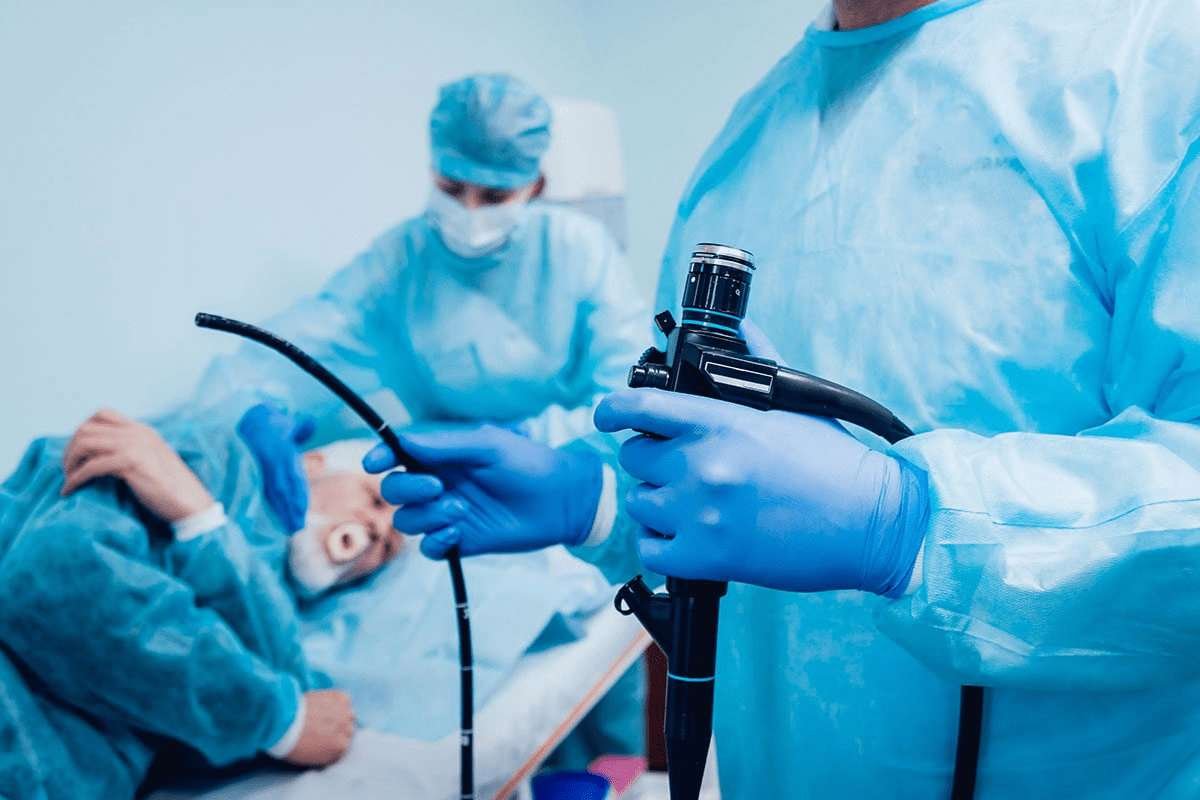
Following a low-fiber diet before a colonoscopy is a medically recommended step that directly affects how accurate and effective the procedure will be. Reducing fiber intake helps limit undigested food residue in the colon, allowing bowel-cleansing preparations to work properly. When the colon is clean, doctors can examine the intestinal lining more clearly, detect abnormalities earlier, and avoid unnecessary repeat procedures.
Reason 1: Improves detection accuracy.
- Poor bowel preparation can reduce polyp detection rates by up to 30%, increasing the risk of missed precancerous lesions.
Reason 2: Reduces repeat procedures.
- Nearly 1 in 4 colonoscopies are considered suboptimal due to inadequate bowel cleanliness, often requiring rescheduling.
Reason 3: Minimizes colon residue
- High-fiber foods digest slowly and leave residue that can stick to the colon lining, even after laxatives are used.
Reason 4: Enhances bowel prep effectiveness
- A low-fiber diet for colonoscopy reduces stool volume, allowing cleansing solutions to work more efficiently.
Reason 5: Shortens procedure time
- Better visibility helps doctors complete the procedure more smoothly and safely.
Reason 6: Supports early detection
- Clear colon walls improve the chances of identifying small polyps and early abnormalities, when treatment is most effective.
When to Start the Low-Fiber Diet?

Timing plays a critical role in how effective your colonoscopy preparation will be. Most gastroenterology guidelines recommend starting a low-fiber diet for colonoscopy 2 to 3 days before the scheduled procedure. This window allows enough time for high-fiber foods to move out of the digestive system, reducing residue that could interfere with bowel cleansing.
Starting too late may leave undigested food in the colon, while starting too early offers no added benefit and can make the process unnecessarily restrictive. Following the recommended timeline helps balance comfort with effectiveness, ensuring the bowel preparation solution works as intended.
| Timeline | What to Do? |
| 3 days before colonoscopy | Begin a low-fiber diet; eliminate whole grains, raw vegetables, nuts, seeds, and legumes. |
| 2 days before colonoscopy | Continue low-fiber meals; focus on refined grains, well-cooked foods, and lean proteins. |
| 1 day before colonoscopy | Transition from a low-fiber diet to a clear liquid diet as instructed by your healthcare provider. |
| Day of procedure | Do not eat solid food; follow fasting and medication instructions provided by your doctor. |
READ MORE:
- Here is how a proper Diet for Diverticulitis can support Digestive Health
- Bored with Processed Meals? Switch to the Raw Food Diet for Better Health
- Can Supplements Help Digestive Issues? Here Are The Best Dietary Fiber Supplements
Low-Fiber Diet Foods: What You Can Eat?

Choosing the right foods is essential when following a low-fiber diet for colonoscopy. The goal is to eat items that are easy to digest and leave minimal residue in the colon. These foods help reduce stool bulk while still providing enough energy and nutrients during the preparation phase. Prioritizing refined grains, well-cooked foods, and simple proteins makes bowel cleansing more effective and less uncomfortable.
| Food Category | Allowed Foods |
| Grains & Starches | White bread, plain bagels, white rice, refined pasta, low-fiber cereals |
| Proteins | Eggs, chicken, turkey, fish, tofu, smooth peanut butter (small amounts, if allowed) |
| Dairy | Milk, cheese, yogurt without seeds or fruit pieces |
| Fruits | Applesauce, ripe bananas, canned peaches or pears (no skin or seeds), clear fruit juices without pulp |
| Vegetables | Well-cooked or canned vegetables without skins or seeds (carrots, green beans, zucchini) |
| Soups & Extras | Strained soups, clear broths, plain pudding, custard, gelatin (avoid red or purple colors) |
Sticking to these approved options helps maintain comfort while ensuring your colon is properly prepared. Always follow your healthcare provider’s specific instructions, as individual recommendations may vary.
Foods to Avoid on a Low-Fiber Diet
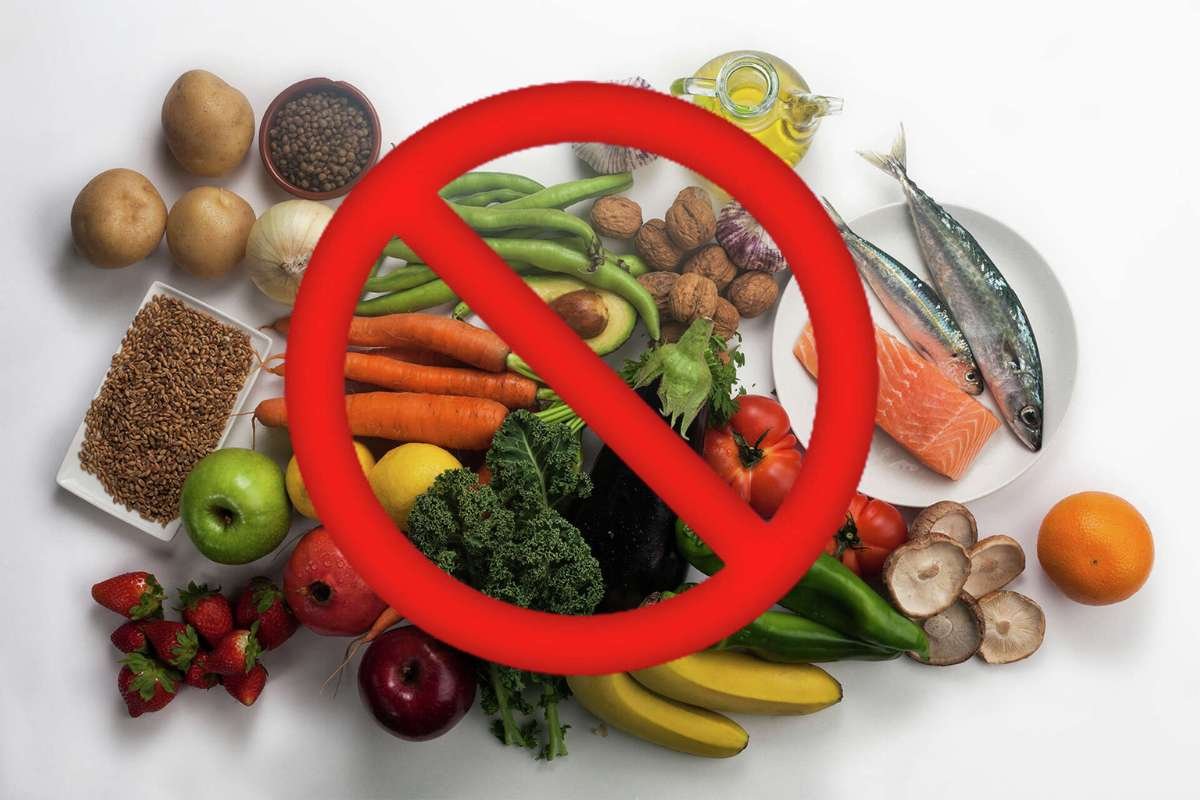
When following a low-fiber diet for colonoscopy, certain foods must be avoided because they digest slowly and can leave residue in the colon. Eliminating these items helps ensure effective bowel cleansing and accurate results.
1. Whole grains:
- Whole wheat bread, brown rice, oats, barley, quinoa, bran cereals
2. Legumes:
- Beans, lentils, chickpeas, peas, soybeans
3. Fruits:
- Raw fruits, dried fruits, berries
- Fruits with skins, seeds, or pulp
4. Vegetables
- Raw vegetables and leafy greens
- Corn, broccoli, cabbage
- Vegetables with skins or seeds
5. Nuts and seeds
- All nuts and seeds
- Popcorn, chia seeds, flaxseed
6. Other high-fiber foods
- Granola, muesli
- Pickles, relishes
- High-fiber snack bars and cereals
Avoiding these foods in the days leading up to your colonoscopy helps reduce stool residue, improve bowel preparation quality, and increase the likelihood of a successful, one-time procedure.
Sample Low-Fiber Meal Plan for Colonoscopy Prep
Planning meals can make following a low-fiber diet for colonoscopy much easier and less stressful. The sample meal plan below focuses on easily digestible foods that help reduce residue in the colon while still keeping you nourished during the preparation period.
| Meal Time | Low-Fiber Meal Options |
| Breakfast | White toast with butter or jam (no seeds), scrambled eggs, plain yogurt, milk, or tea |
| Mid-morning Snack | Applesauce, plain crackers, clear fruit juice without pulp |
| Lunch | White rice or refined pasta with grilled chicken or fish, canned vegetables without skin |
| Afternoon Snack | Cheese slices, plain biscuits, gelatin (avoid red or purple colors) |
| Dinner | Baked chicken or tofu, mashed potatoes (no skin), well-cooked carrots or green beans |
| Fluids (All Day) | Water, clear broths, electrolyte drinks, and herbal tea |
This meal plan is designed to be followed 2–3 days before the procedure, before transitioning to a clear liquid diet as instructed by your healthcare provider. Always adjust portion sizes and food choices based on personal tolerance and medical advice.
Transition to a Clear Liquid Diet

As your colonoscopy date gets closer, the final step after a low-fiber diet for colonoscopy is transitioning to a clear liquid diet, typically the day before the procedure. This phase is critical because it ensures that no solid residue remains in the digestive tract, allowing the colon to be completely clean for examination.
A clear liquid diet provides hydration and essential electrolytes without adding bulk to the stool. At this stage, even low-fiber solid foods are stopped, and only transparent liquids that leave no residue are allowed. Skipping or modifying this step can significantly reduce the effectiveness of bowel preparation.
Clear liquids you can consume include:
- Water
- Clear broths (vegetable, chicken, or beef)
- Clear fruit juices without pulp (apple or white grape juice)
- Plain gelatin (avoid red or purple colors)
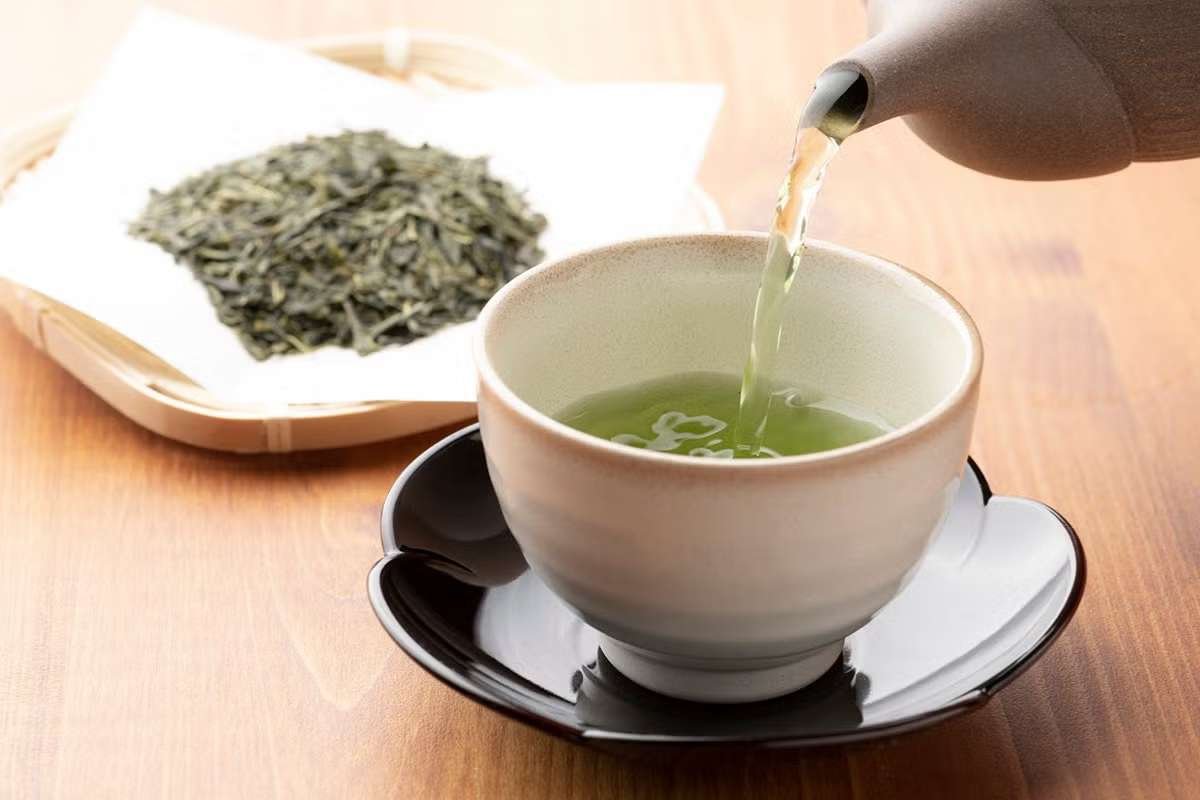
- Tea or coffee without milk or cream
- Electrolyte drinks without added color
Liquids to avoid include:
- Milk or dairy-based drinks
- Fruit juices with pulp
- Alcohol
- Red or purple-colored beverages
Following this transition exactly as instructed helps maximize the benefits of the low-fiber diet for colonoscopy, supports complete bowel cleansing, and reduces the risk of delays or repeat procedures.
Tips for a Comfortable Low-Fiber Experience
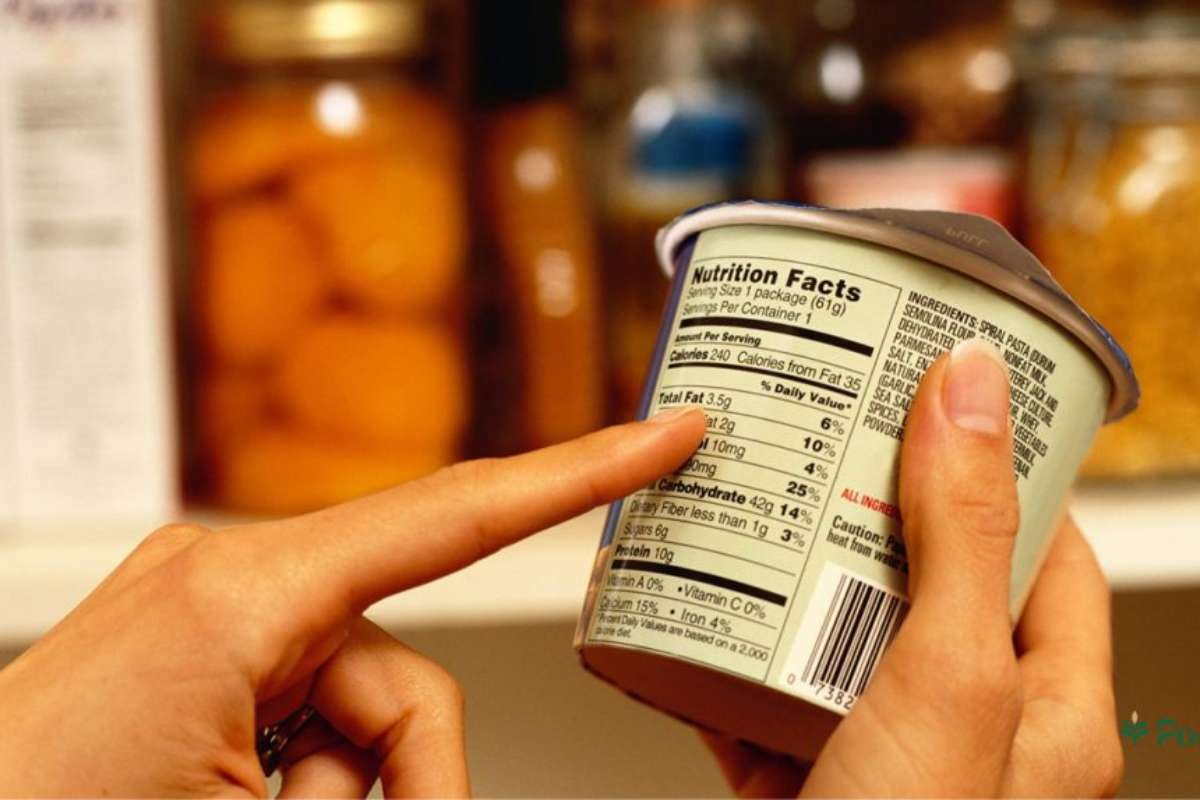
Following a low-fiber diet for a colonoscopy doesn’t have to be overwhelming. With a few practical adjustments, you can stay comfortable, energized, and fully prepared while avoiding common mistakes that can compromise bowel cleansing.
- Read food labels carefully: Choose products with low or zero dietary fiber per serving to avoid accidental intake.
- Stick to simple, familiar foods: Plain meals are easier to digest and reduce the risk of stomach discomfort.
- Stay well hydrated: Drinking plenty of fluids helps bowel prep solutions work more effectively and prevents dehydration.
- Avoid experimenting with new foods: New or unfamiliar foods can cause bloating or digestive upset during preparation.
- Eat smaller, more frequent meals: This can improve digestion and make the diet easier to tolerate.
- Follow your doctor’s instructions exactly: Individual recommendations may vary based on medical history or medications.
Taking these steps helps ensure the low-fiber diet for colonoscopy works as intended, supporting a cleaner colon, smoother procedure, and more accurate results.
Conclusion:
A successful colonoscopy starts well before the procedure itself, and following a low-fiber diet for colonoscopy plays a crucial role in that process. By temporarily limiting fiber intake, choosing easily digestible foods, and transitioning correctly to a clear liquid diet, you help ensure the colon is clean and ready for accurate examination. This preparation reduces the risk of missed findings, repeat procedures, and unnecessary stress.
Most importantly, a low-fiber diet is not a long-term restriction but a short, medically guided step designed to protect your digestive health. Always follow the specific instructions provided by your healthcare team, as individual needs may vary. With the right preparation and informed choices, you set the foundation for a smoother procedure and more reliable results, making your colonoscopy as effective and worthwhile as possible.
FAQ
1. How many days should I follow a low-fiber diet before a colonoscopy?
Most healthcare providers recommend starting a low-fiber diet for colonoscopy 2 to 3 days before the procedure. This allows enough time for high-fiber foods to clear from the digestive system and improves bowel preparation quality.
2. Can I eat fruits and vegetables on a low-fiber diet?
Yes, but only certain types. Well-cooked or canned vegetables without skins or seeds, and fruits like applesauce or ripe bananas are usually allowed. Raw fruits, raw vegetables, and those with skins or seeds should be avoided.
3. Why is fiber restricted before a colonoscopy?
Fiber slows digestion and adds bulk to stool, which can leave residue in the colon. Reducing fiber intake helps bowel-cleansing solutions work more effectively and allows doctors to clearly view the colon lining during the procedure.
4. Is a low-fiber diet the same as a clear liquid diet?
No. A low-fiber diet includes solid foods that are easy to digest and is typically followed for a few days before the procedure. A clear liquid diet is usually required only the day before the colonoscopy and excludes all solid foods.
5. What happens if I don’t follow the low-fiber diet properly?
Not following the low-fiber diet for colonoscopy can result in poor bowel preparation, reduced visibility during the procedure, and an increased chance of needing to repeat the colonoscopy.