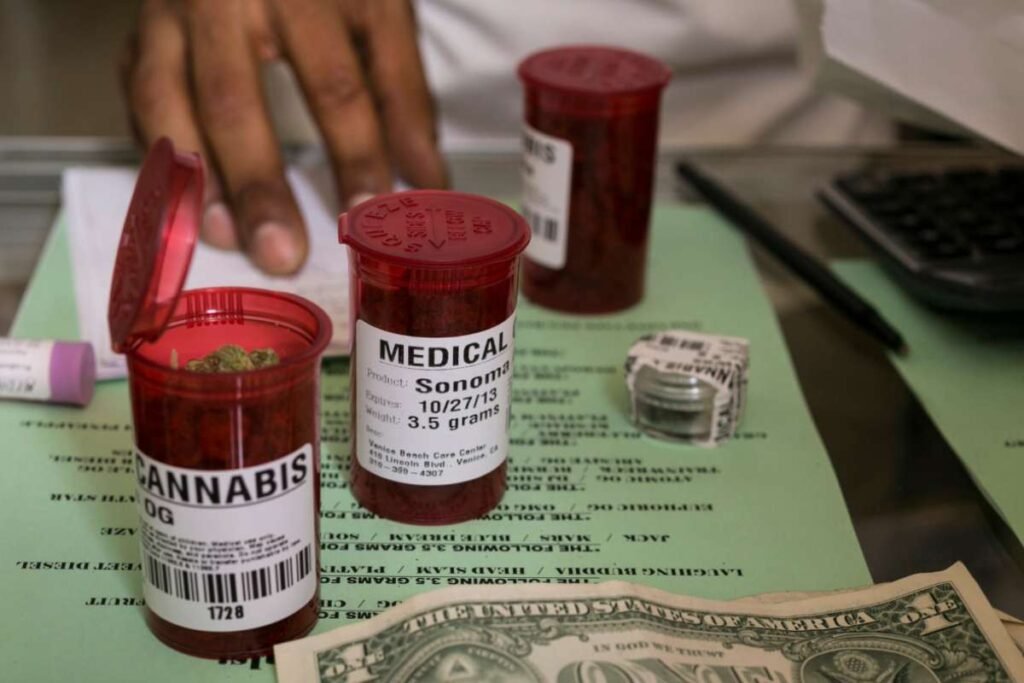
A new global Medical Cannabis Study analyzing 54 trials finds that cannabis compounds, including CBD and THC, show no evidence of effectively treating anxiety, depression, or PTSD. The findings raise concerns about its widespread prescription for mental health conditions.
Researchers Find No Benefit for Common Mental Health Conditions
The Medical Cannabis Study, published Monday in The Lancet Psychiatry, reviewed randomized controlled trials conducted over the past 45 years. Researchers found no evidence that medical cannabis helps treat bipolar disorder, ADHD, psychotic disorders, obsessive-compulsive disorder, or anorexia nervosa.
Lead author Dr. Jack Wilson of the University of Sydney said the findings also show no meaningful benefit for anxiety, depression, and post-traumatic stress disorder, the most common reasons patients are prescribed medical cannabis.
“Some people may experience legitimate benefits, and that’s great,” Wilson said. “But when we look at the evidence as a whole, we just don’t see that the evidence is quite there for the routine use of these medicines.”
The Medical Cannabis Study evaluated products containing cannabidiol (CBD) and tetrahydrocannabinol (THC), the primary compounds in cannabis that are often marketed for therapeutic use.
Limited Evidence Suggests Benefits in Select Conditions
Researchers noted that medical cannabis may offer some benefit in treating autism, insomnia, and Tourette’s syndrome. However, they cautioned that the overall quality of evidence for these conditions remains low.
Wilson said cannabis may help reduce symptoms in some autism cases, but emphasized that results vary widely among patients. “This finding should be treated with caution,” he said in a statement.
The study also found potential risks for people with substance-use disorders. In patients with cocaine-use disorder, cannabis use was linked to increased cravings. It showed no benefit in treating opioid or tobacco dependence.
Stronger evidence supports cannabis use in other medical areas, including reducing seizures in certain forms of epilepsy, easing spasticity in multiple sclerosis, and managing specific types of pain, researchers said.
Findings Align With Growing Evidence and Policy Debate
The results mirror findings from another recent Medical Cannabis Study, which reported insufficient evidence to support cannabis use for mental health conditions and highlighted potential adverse effects.
Researchers in that study found “low-certainty evidence” that THC does not improve PTSD symptoms and insufficient data on long-term effects for anxiety, depression, and ADHD. However, there was some indication that CBD may help reduce anxiety in certain patients.
Beyond health outcomes, separate research examining U.S. marijuana laws found that medical cannabis legalization is associated with a decline in property crime, while recreational legalization may reduce violent crime.
More than three dozen U.S. states have legalized some form of medical marijuana. Federal officials are also considering rescheduling cannabis, a move that would recognize its medical uses and lower its classification for abuse potential, though it would not legalize recreational use.
Visit Healthcare 360 Magazine For The Most Recent Information.