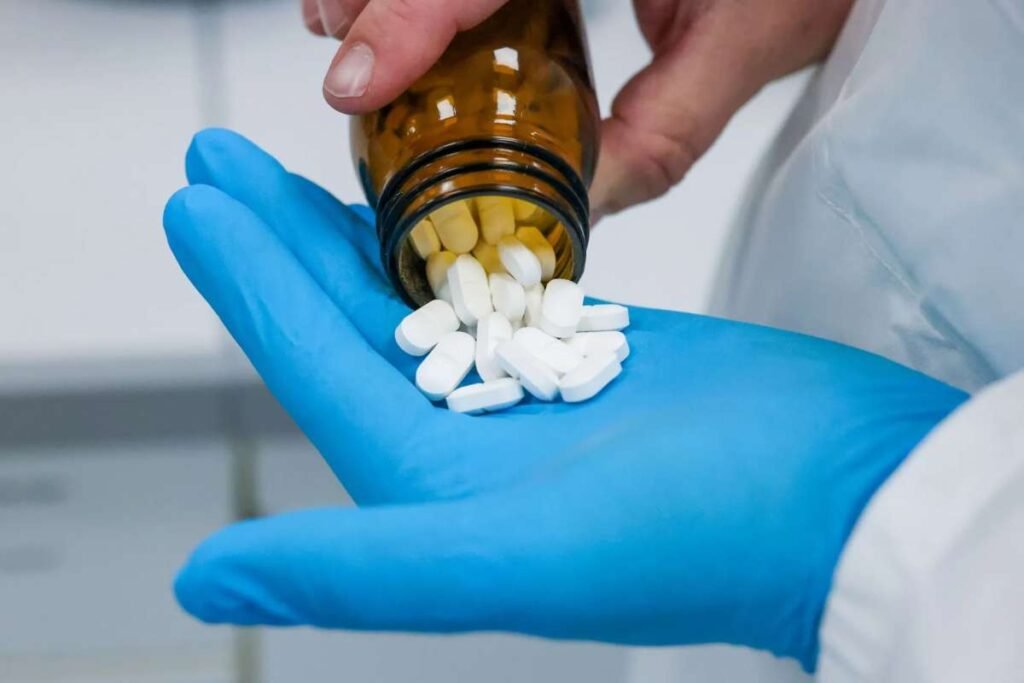
Medicare will save about $12 billion on 15 high-cost medications under the second round of Medicare drug price negotiations, the Trump administration said Tuesday. The projected savings, based on 2024 spending, amount to a 44% reduction. The new prices are set to take effect in 2027.
Medicare enrollees are expected to save $685 million in out-of-pocket costs once the changes begin.
Price Cuts for Major Medications
The selected drugs include Ozempic and Wegovy, widely used for diabetes and weight management both central to the second round of Medicare drug price negotiations. The Biden administration identified these medications shortly before leaving office. Negotiated 2027 prices range from $277 for Ozempic to $386 for Wegovy.
Novo Nordisk announced a separate agreement this month to sell the drugs to Medicare for $245. The deal includes expanding Medicare and Medicaid coverage for obesity treatment.
Overall, the 15 drugs treated approximately 5.3 million Medicare enrollees in 2024 and accounted for $42.5 billion in prescription costs before existing rebates and discounts. Under the previous system, prior to the Inflation Reduction Act, the savings would have totaled $8.5 billion, or 36%, showing how impactful Medicare drug price negotiations have become.
The negotiation program, created under the 2022 law, was a central part of former President Joe Biden’s efforts to reduce drug prices. The Trump administration has focused instead on voluntary agreements with manufacturers as an alternative to formal Medicare drug price negotiations.
The Centers for Medicare and Medicaid Services secured discounts ranging from 38% to 85% off list prices, though confidential rebates make the precise savings difficult to measure.
Administration Responses and Industry Reaction
In recent weeks, Trump administration officials questioned the savings produced in the first round of Medicare drug price negotiations. At a Cabinet meeting last month, US Health and Human Services Secretary Robert F. Kennedy Jr. said previous officials overstated the reductions and claimed they secured lower prices on only one drug.
Drugmakers continue to argue that the program could raise premiums and limit coverage. “We have seen that government price setting has not translated to lower out-of-pocket costs for patients and can lead to a loss of coverage for medications and higher insurance premiums,” a Novo Nordisk spokesperson said Tuesday.
The Biden administration previously projected $6 billion in federal savings from the first round, which covered 10 widely used drugs. Beneficiaries are expected to save $1.5 billion in out-of-pocket costs when those prices take effect in January.
Experts say comparisons between rounds are difficult because savings depend on competition, existing rebates and the types of drugs selected. Stacie Dusetzina, a health policy professor at Vanderbilt University, said the second round was likely to generate greater savings due to the inclusion of cancer treatments, which have fewer discounts.
Dusetzina called the second-round results “successful,” though she said the negotiated GLP-1 prices could have been closer to the separate deal struck by the Trump administration. She said many enrollees will see savings directly at the pharmacy counter and that the negotiations are expected to slow premium growth in Medicare drug plans.
New Pricing Strategy Through Voluntary Deals
Trump has prioritized voluntary “most favored nation” agreements with drugmakers rather than regulatory measures. These deals require manufacturers to offer U.S. patients prices comparable to the lowest in peer countries.
Five manufacturers have agreed to provide such pricing for Medicaid and to use it when launching new drugs. Some medications will also be sold at discounted rates directly to consumers through the TrumpRx online platform, which is expected to launch early next year. The agreements also include commitments to expand domestic manufacturing in exchange for a temporary tariff reprieve.
Only two agreements those with Eli Lilly and Novo Nordisk contain specific benefits for Medicare. Eligible enrollees will see a $50 copay for certain GLP-1 drugs, while Medicare will pay $245 for the medications starting mid-2026. These voluntary deals operate alongside, not instead of, formal Medicare drug price negotiations.
Experts say the effectiveness of the voluntary model remains unclear. Medicaid already receives substantial discounts, and uncertainty remains about how companies will determine international benchmark prices. They also note that most insured patients may not purchase drugs directly from manufacturers if their plans negotiate lower costs.
“Overall, it’s not a suitable model for controlling drug prices for Americans,” Benjamin Rome, a health policy researcher at Brigham and Women’s Hospital and Harvard Medical School, said.