Most vegetables feel familiar, but some carry a sense of wonder the moment you hear about them. These are the most expensive vegetables. The ones that spark curiosity, invite stories, and remind you that food can be much more than something on your plate. Their flavors stand out, their harvests are rare, and their growing process demands patience, skill, and care.
A single region can shape its character. A single season can change their price. Every detail adds to their value. Whether you’re a food lover, a curious cook, or someone who enjoys learning about the world’s hidden luxuries, these vegetables offer a glimpse into how nature and tradition can turn simple produce into something extraordinary.
In this article, you’ll explore these vegetables and see what truly makes them rare, fascinating, and worth the attention they receive.
A Look at the 11 Most Expensive Vegetables and What Makes Them a Luxury
These vegetables stand out because they grow in small regions and short seasons. Many also have long histories or special uses in cooking and medicine. Learning about them helps you see why their prices rise so quickly. The prices mentioned in the list are estimates and can vary according to different countries and regions.
1. White Truffle Mushroom
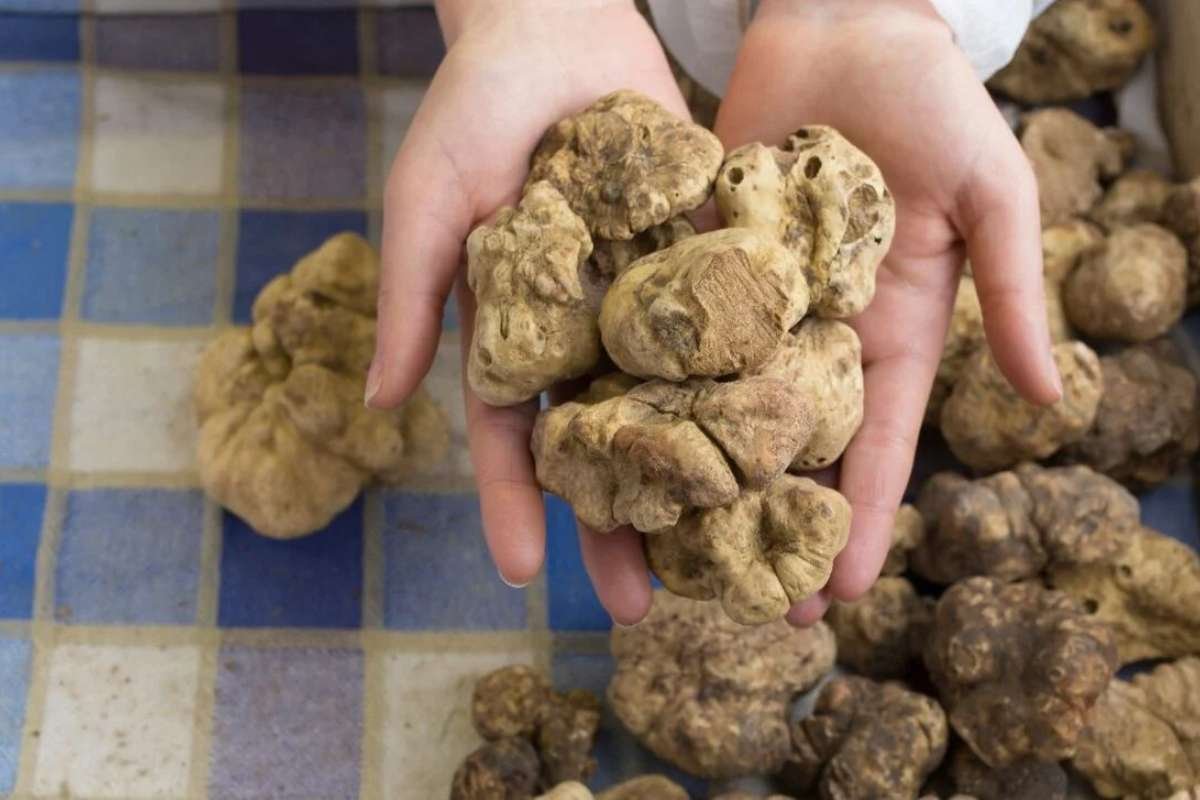
- Price: $1,500 to $4,000 per pound
- Region: Italian Alba White Truffle
White truffles stay expensive because they grow only in specific soil and climate pockets in northern Italy. Hunters use trained dogs to find them since they form underground and release a strong natural aroma. They carry antioxidants that may support cell health and general immunity. Chefs shave them over pasta, risotto, and eggs to add deep, earthy flavor. Their long history in Italian cooking and limited harvest make them one of the costliest foods in the world.
2. Hop Shoots
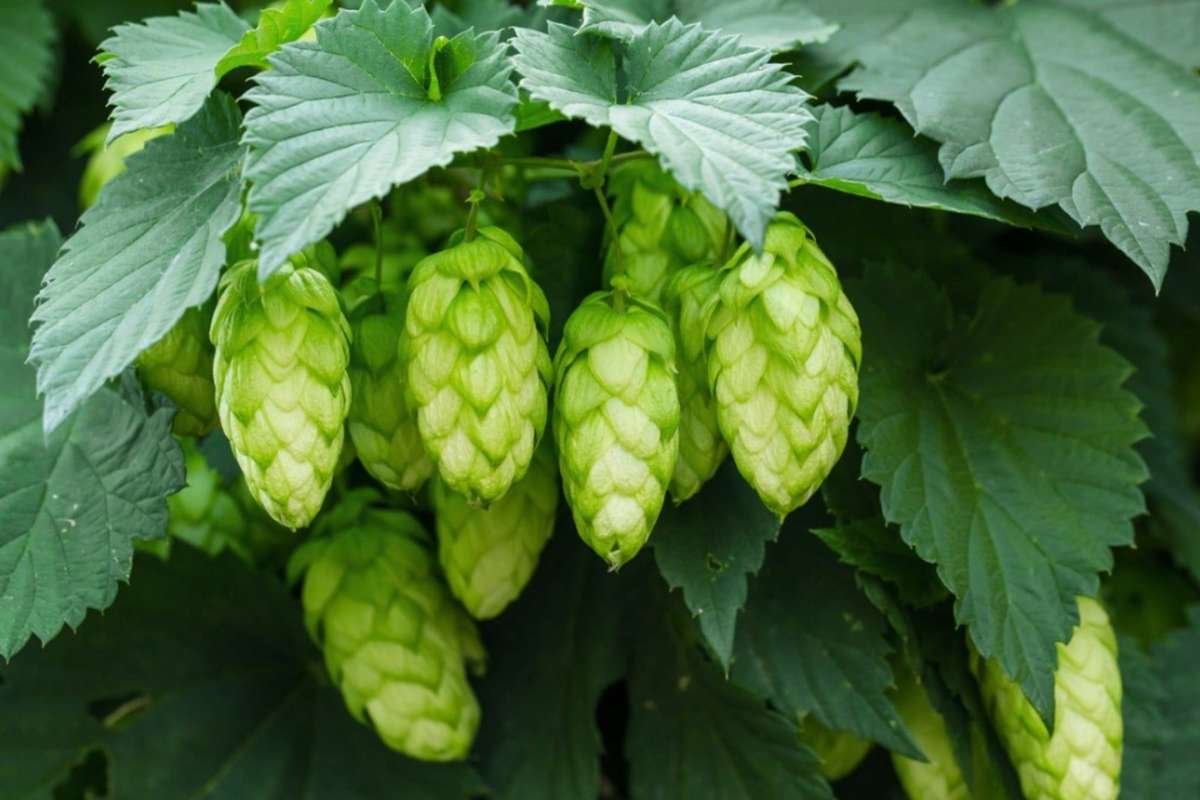
- Price: $200 to $400 per pound
- Region: Belgium and the Netherlands
Hop shoots cost so much because each tender stem must be hand-picked from low vines during a short spring season. Farmers get only a small harvest each year, which keeps the supply small. They contain compounds linked to anti-inflammatory support and are sometimes used in herbal remedies. Chefs use hop shoots in salads, scrambled eggs, and delicate sautés because they offer a fresh, green taste. Their links to old European farm traditions also add to their appeal.
3. Matsutake Mushrooms
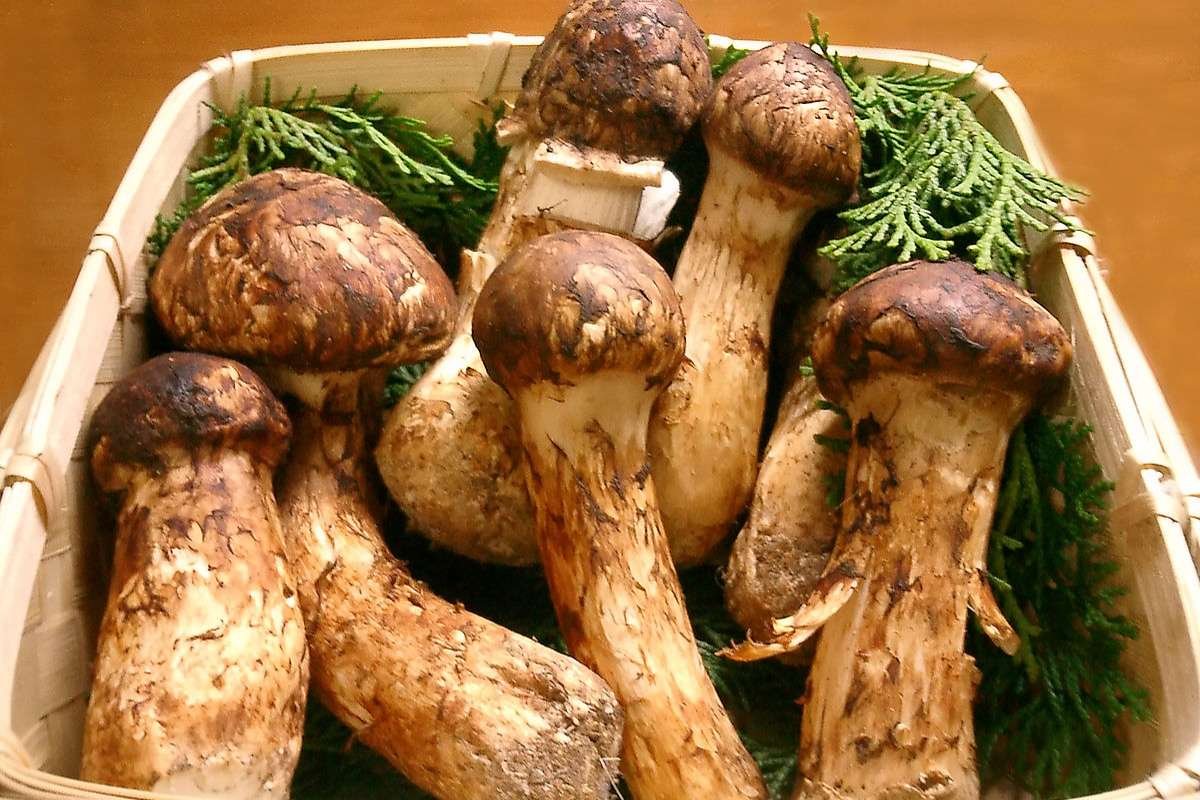
- Price: $100 to $300 per pound
- Region: Japan, Korea, and parts of China
Matsutake mushrooms remain rare because forest changes and pests have reduced their natural habitats. Their strong, spicy aroma makes them a key part of autumn dishes in Japan. Studies show they carry antioxidants that may help support immune strength. Cooks use them in rice dishes, soups, and grilled plates to capture their bold flavor. Their long cultural history and shrinking supply keep their value high.
4. Wasabi Root
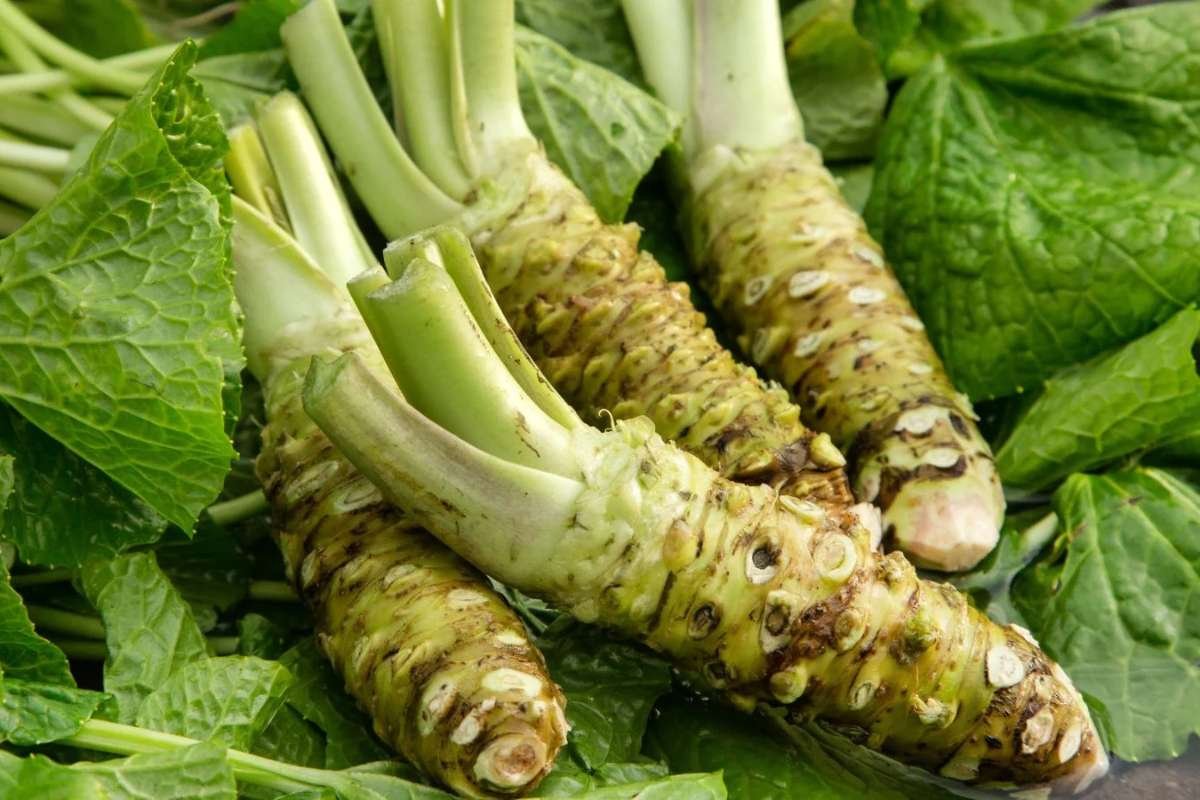
- Price: $100 to $200 per pound
- Region: Japan
True wasabi root needs flowing water, shade, and cool air, which makes farming difficult and slow. It contains natural compounds that may support sinus relief and have mild antimicrobial effects. Chefs grate it fresh for sushi, noodles, or dipping sauces because its heat fades within minutes. Most stores sell substitutes, so real wasabi stands out as rare. Its long history in Japanese cooking adds to its high value and makes it one of the most expensive vegetables.
5. Le Bonnotte Potatoes
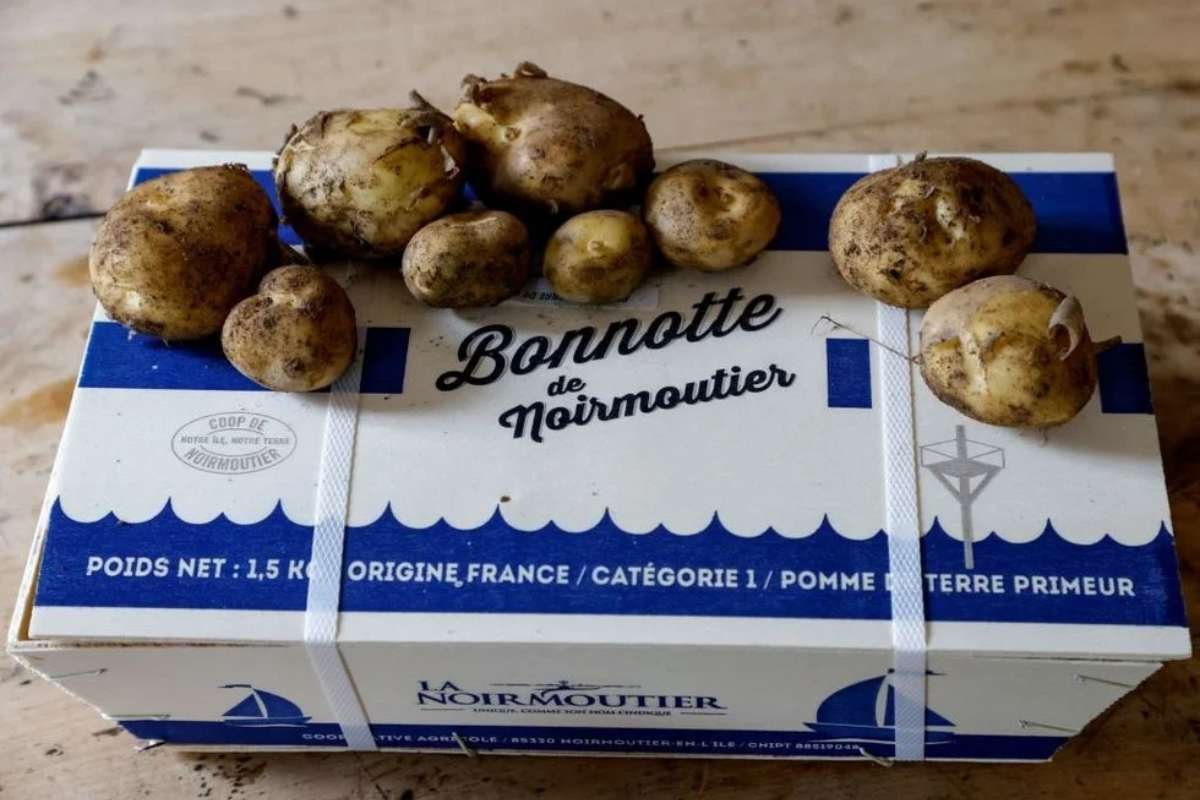
- Price: $50 to $100 per pound
- Region: Noirmoutier Island, France
Le Bonnotte potatoes grow only on a small French island of Nourmoutier, where farmers still use seaweed as fertilizer. This method gives them a soft texture and a gentle ocean-like flavor. They contain potassium and fiber, which help support heart and gut health. Restaurants often serve them boiled with butter because their natural taste needs little dressing. Strict farming rules and tiny harvests keep them among the most expensive vegetables in the potato world.
6. Spanish Peas
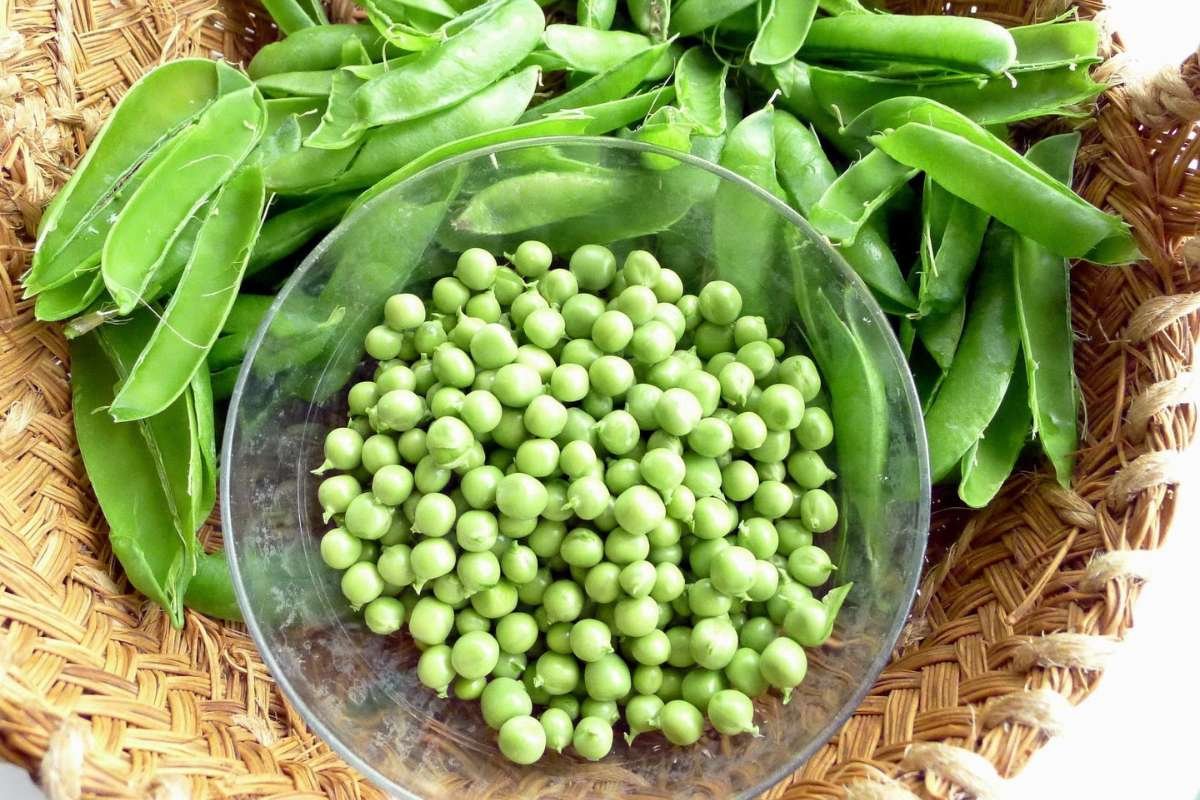
- Price:$20 to $30 per pound
- Region: Basque Country, Spain
Spanish peas are one of the most expensive vegetables because farmers harvest them by hand to protect their soft skins. The peas offer sweet flavor and contain vitamins that support skin and eye health. They appear only in early spring, which keeps the supply small. Chefs use them in salads, soups, and simple sautéed dishes to highlight their delicate taste. Local food traditions in the Basque region keep their fame alive.
7. Pink Lettuce
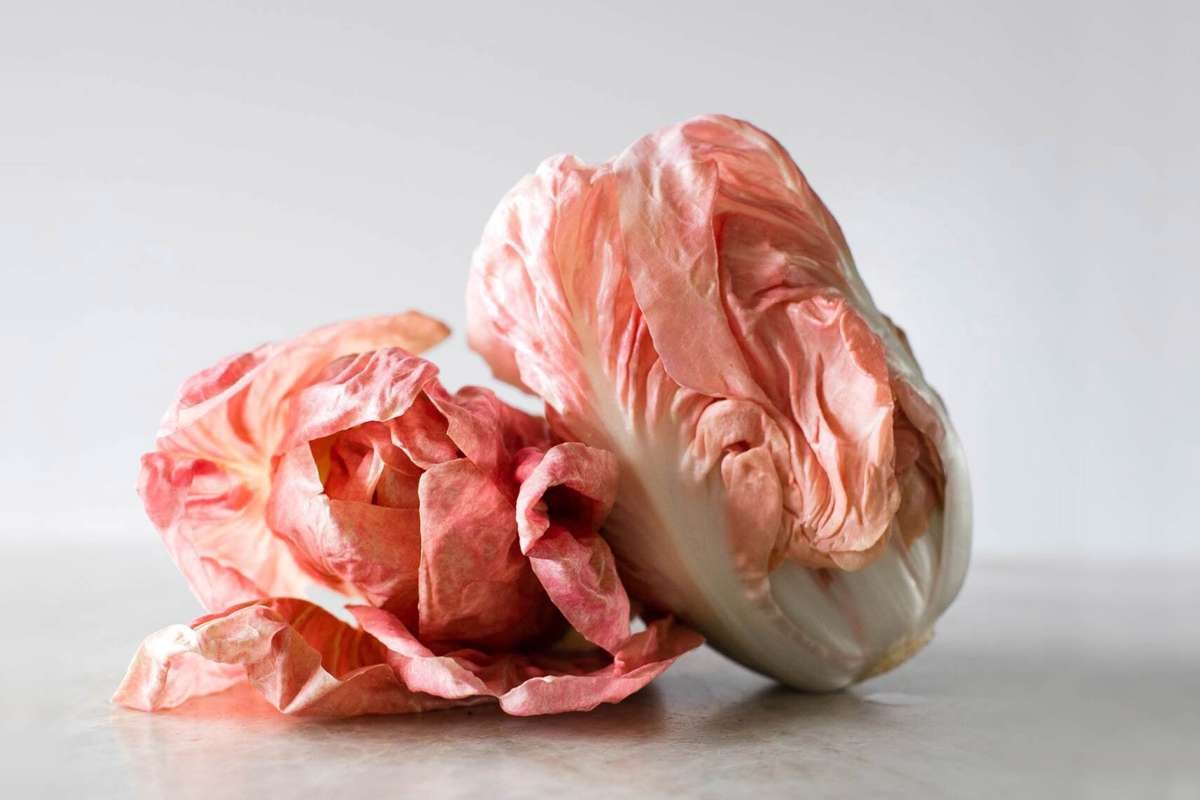
- Price: $10 to $15 per pound
- Region: Italy and select European farms
Pink lettuce grows in controlled environments where farmers protect its color and soft leaves. It contains antioxidants that support overall wellness and give it a bright, fresh taste. The crop is still new, which makes it popular in modern kitchens and upscale restaurants. Chefs use it in salads, sandwiches, and decorative plating. Its unique color and limited yield help raise its market value.
8. White Asparagus
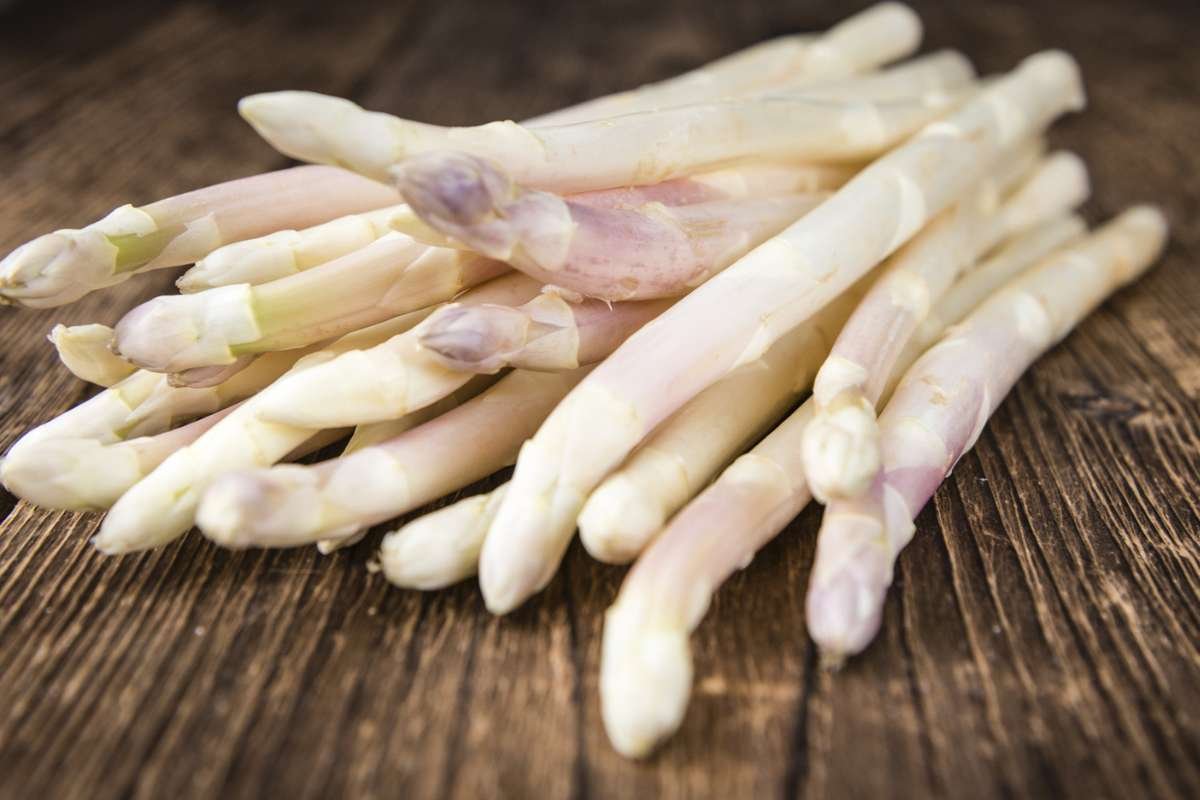
- Price: $8 to $15 per pound
- Region: Germany, France, Netherlands, North America
White asparagus gets its pale color because growers bury the stalks in soil to block sunlight. This extra work makes the crop more expensive than green asparagus. The vegetable provides folate and fiber that support digestion. Many European regions celebrate it in spring festivals with soups, roasts, and classic sauces. It’s a short season, and special handling keeps demand strong.
9. Fiddlehead Ferns
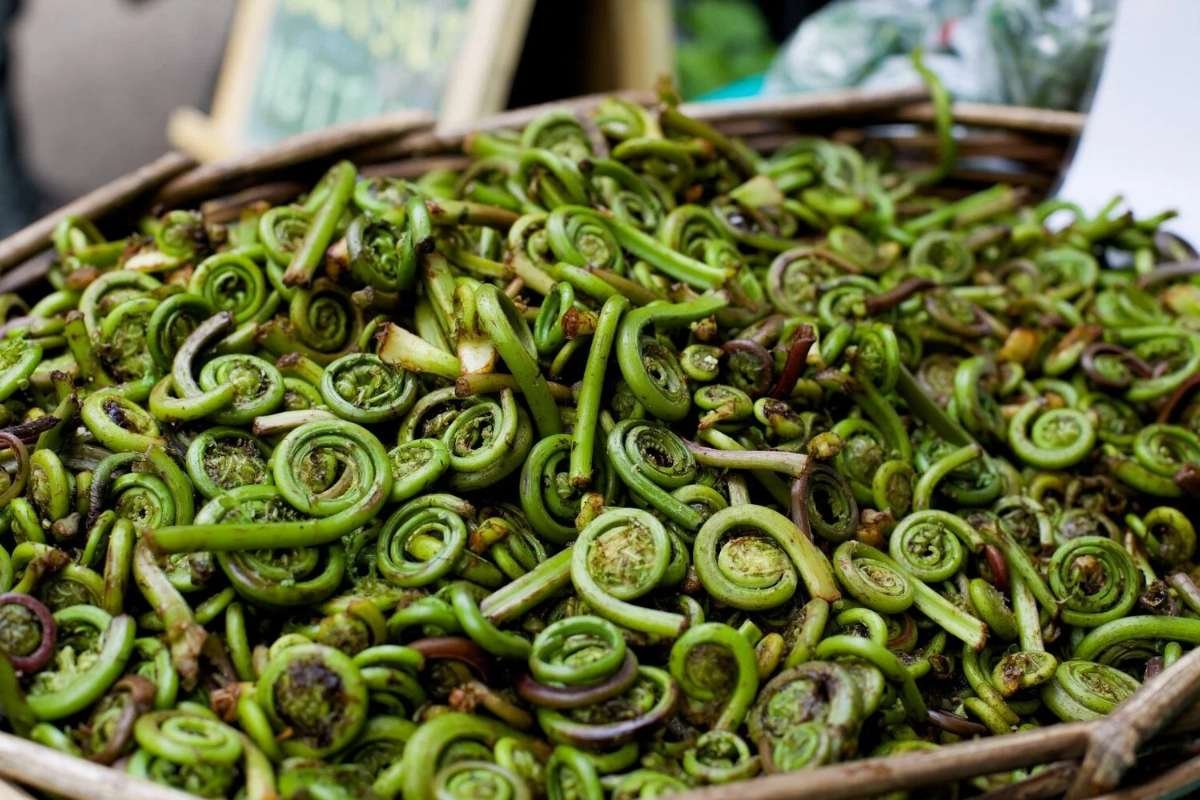
- Price: $8 to $12 per pound
- Region: North America, Asia, Northern Europe
Fiddlehead ferns grow wild, so harvesters must collect them before they uncurl, which gives them only a short picking window. They contain omega-3 fatty acids and vitamins that support heart and brain health. Because they spoil quickly, people cook them soon after harvest. Chefs sauté them with butter or add them to pasta and stir-fries for their crisp texture. Their seasonal nature helps maintain their higher price.
10. Yamashita Spinach
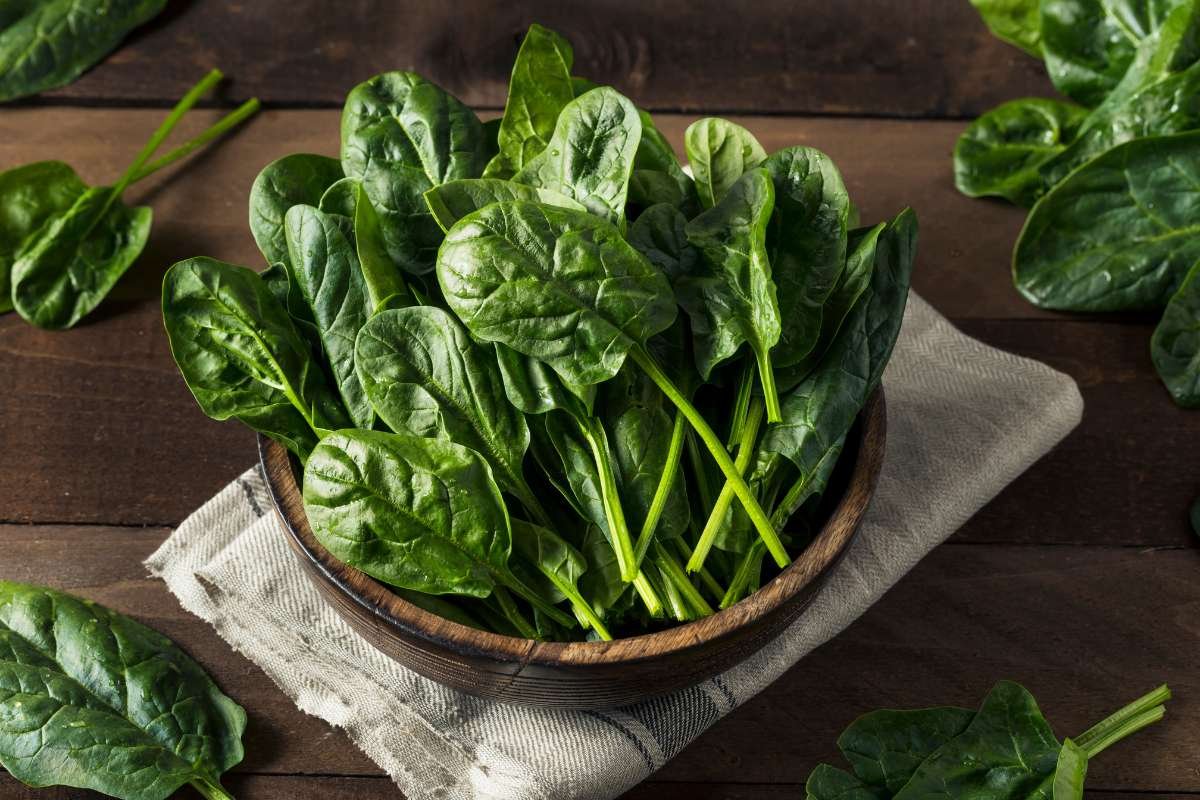
- Price: $6 to $10 per pound
- Region: Japan
Yamashita spinach grows on small farms where workers pick each leaf by hand. It offers high iron and vitamin C levels that support energy and immunity. The spinach has a tender texture that works well in soups, salads, and simple sautéed dishes. Its limited production keeps it rare even in specialty markets. The crop’s roots in traditional Japanese farming give it added cultural value.
11. Romanesco Broccoli
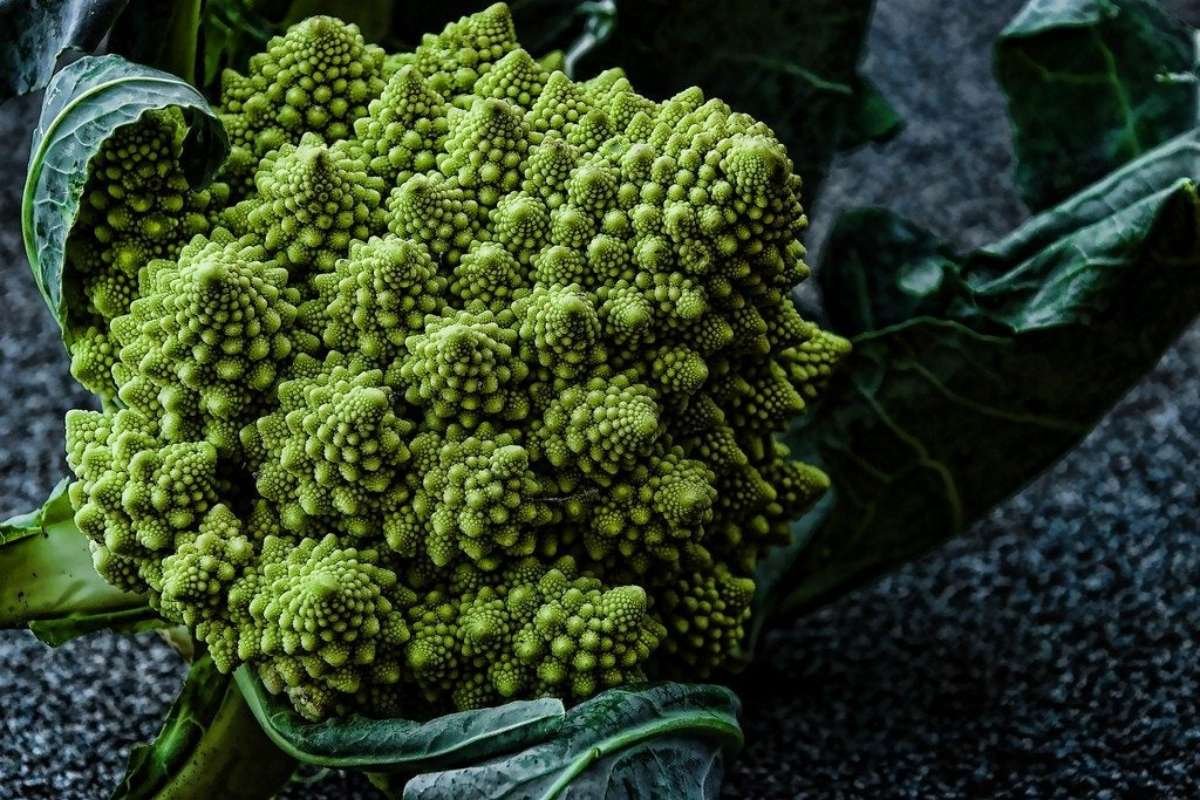
- Price: $3 to $10 per kg
- Region: Italy and parts of Europe
Romanesco broccoli stands out for its natural spiral pattern and bright green color. It contains vitamin C and carotenoids that support eye and skin health. Farmers protect it from sudden temperature changes, which can affect its shape and quality. Cooks enjoy roasting, steaming, or mixing it into pasta for its nutty taste. Its striking appearance keeps it popular in fine dining.
Understanding What Drives the High Prices
Many people think the most expensive vegetables earn their titles only because they are rare, but the reasons go much deeper. Several crops depend on old farming traditions that take time and care to maintain. Others require hand-picking, which increases labor costs. Some vegetables grow only in small geographic pockets with very specific climates. A few have cultural meaning that raises demand in certain seasons.
When you look across these vegetables, patterns start to appear. History plays a strong role, since many of them have been part of local identity for decades or even centuries. The Food and Agriculture Organization puts a lot of importance on Agricultural Heritage Systems. Skill also matters because many farms rely on growers who use techniques passed down through families. Nature adds another layer, especially when a crop depends on fragile ecosystems or short weather windows.
These vegetables offer more than flavor. They reflect the link between land, people, and tradition. That is why many of them show up when people discuss the most expensive vegetables and explore what makes certain foods reach luxury status. Their value comes from a mix of rarity, craftsmanship, and the stories carried through each harvest.
Why Do These Vegetables Appeal to Chefs and Collectors?
Chefs often search for items that deliver special flavors or textures, and many of the most expensive vegetables offer both. Some have aromas that shift as soon as they hit the plate. Others change color or taste depending on how they grow. This creates chances for chefs to build dishes that feel seasonal or exclusive.
Collectors and food enthusiasts also enjoy these ingredients because they connect to specific regions. A potato from a tiny French island or a mushroom from deep Japanese forests carries a sense of place. These foods let people experience a local tradition without traveling. Many cultures see certain vegetables as symbols of celebration, making them even more meaningful.
Even when the price is high, the long history and careful farming give these vegetables lasting appeal. They show how food can become a craft, shaped by time, effort, and natural conditions.
How Do Farming Traditions Shape Their Value?
Some of the most expensive vegetables owe their price to farming methods that have hardly changed in decades. Hand-picking, natural fertilizers, shade-grown techniques, and selective harvesting all increase costs. But these steps also protect the flavor and appearance of each vegetable. Farmers often choose quality over quantity, even if that means earning less per harvest.
These traditions matter because they hold cultural stories. A family that has grown the same crop for generations carries knowledge that machines cannot copy. Many regions protect their specialties through strict rules or limited production quotas. This approach helps preserve the heritage of each vegetable and keeps demand strong in gourmet markets.
Conclusion:
The most expensive vegetables show how rare farming methods and limited supply can shape high prices. These vegetables attract collectors, chefs, and food lovers who want something special on their table. Their cost may feel extreme, but their demand continues to rise because people value taste, tradition, and scarcity. These items sit in a small but fascinating corner of the global food market.
FAQ
1. Are the most expensive vegetables healthier than regular ones?
Not always. Their value usually comes from rarity, craftsmanship, and taste rather than extra nutrition.
2. Why do chefs use them?
They offer unique flavors, textures, and aromas that help create high-end dishes and memorable dining experiences.
3. Which countries produce the most expensive vegetables?
Japan, France, Italy, and the Himalayan regions are known for growing rare and high-value vegetables.