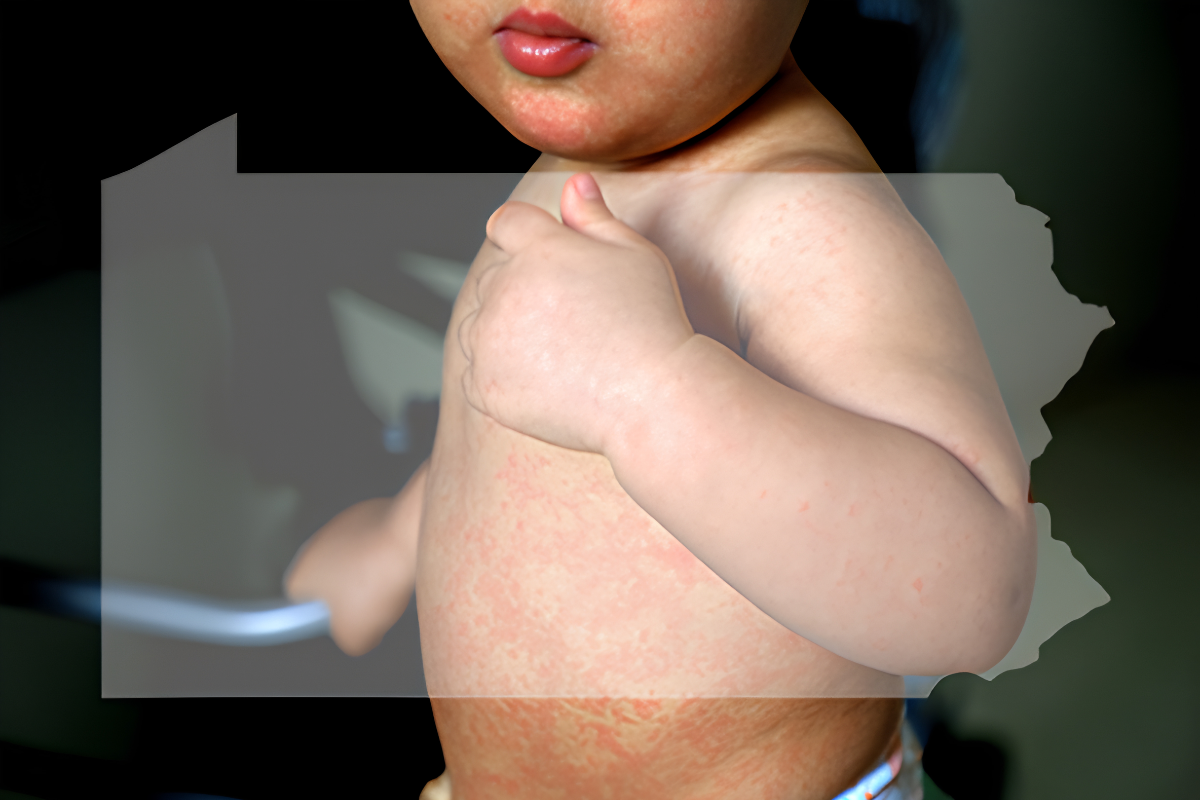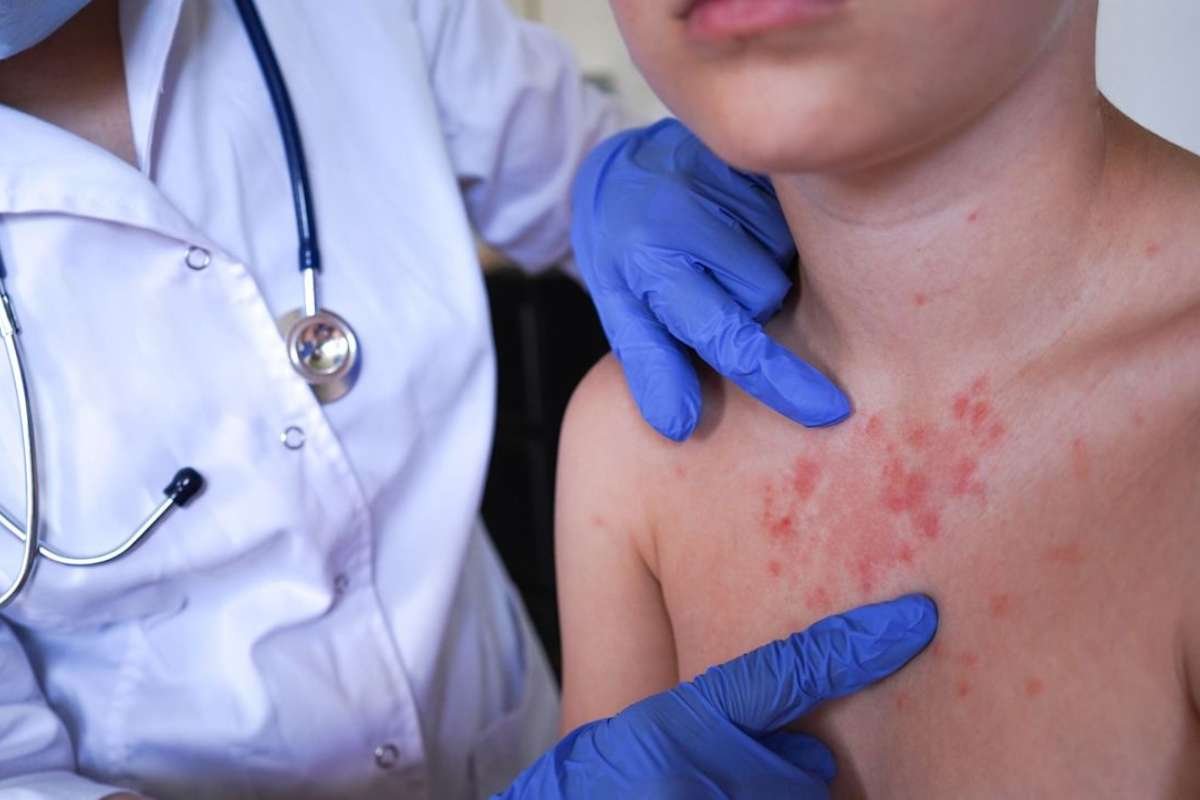
Key Takeaway:
- The Pennsylvania measles outbreak has reached 767 cases and four reported deaths, with cases spanning 38 counties.
- Vaccinations have surged, with more than 46,000 MMR doses administered in August, compared with about 25,000 in a typical month.
- Vaccine distrust and political disputes continue to complicate efforts to contain the outbreak, particularly in some Amish and Mennonite communities.
Pennsylvania’s measles outbreak has reached 767 cases and four deaths across 38 counties, prompting a surge in vaccinations while distrust and political disputes complicate efforts to contain the virus.
Outbreak Spreads Across Pennsylvania
The Pennsylvania Department of Health reported 150 hospitalizations and 767 confirmed cases as of Sept. 18, making the Pennsylvania measles outbreak the state’s largest in decades. The outbreak began in late April and has continued to spread across communities, including areas with large Amish and Mennonite populations.
State health officials say vaccination activity has risen sharply. Providers administered more than 46,000 measles, mumps, and rubella, or MMR, vaccine doses in August, compared with about 25,000 in a typical month. More than 25,000 additional doses were administered during the first two weeks of September.
The increase comes as measles spreads nationally. The Centers for Disease Control and Prevention reported 3,471 confirmed U.S. cases through Sept. 17, 2026. Vaccination coverage among U.S. kindergartners fell to 92.4% in the 2025-26 school year, below the roughly 95% level associated with community protection.
In Lancaster County, a center of the Pennsylvania outbreak, some residents remain reluctant to vaccinate. Mervin Zook, an Amish dairy farmer, said several relatives had contracted measles and recovered.
“I’m not scared of measles,” Zook said. “My family is not vaccinated because I don’t feel that there is an advantage.”
Vaccine Distrust Challenges Health Response
The Amish and Mennonite communities do not have universal rules prohibiting vaccination, but vaccine uptake has historically been limited in some communities.
John Riehl, an Amish business owner who said he is vaccinated, said some community members have grown distrustful of medicine.
“People are overloaded with all of the vaccinations coming at once,” Riehl said. “They feel like they can’t trust medicine anymore.”
Dr. Holmes Morton, who has worked with Amish and Mennonite communities for decades, said the outbreak’s geographic reach is particularly concerning.
“What worries me about the outbreak is just how widespread it is,” Morton said.
Pennsylvania health officials say two doses of the MMR vaccine are 97% effective at preventing measles. The state has also established pop-up vaccination clinics in affected communities, administering nearly 4,800 MMR doses through 148 clinics since the outbreak began.
Officials Clash Over Measles Deaths
The Pennsylvania measles outbreak has also produced a dispute between Pennsylvania officials and the federal government over how measles-related deaths should be counted.
Pennsylvania health officials have recorded four measles-associated deaths in 2026. The state says all four people were unvaccinated. The deaths include two infants in Lancaster County and two additional deaths in Jefferson and Mifflin counties.
Pennsylvania Health Secretary Debra Bogen has criticized the federal response to the Pennsylvania measles outbreak, saying the CDC’s handling of the deaths undermines the state’s outbreak response.
The CDC said it is working with the Council of State and Territorial Epidemiologists to establish a standardized definition for measles deaths and ensure consistent reporting among jurisdictions. It also said it has supported Pennsylvania with epidemiology, vaccination and contact-tracing efforts.
Despite the disputes, state health officials continue to expand vaccination access as cases rise. The CDC says measles vaccination remains the primary protection against the highly contagious disease, while Pennsylvania continues to track cases and provide vaccination clinics in affected communities.
Visit Healthcare 360 Magazine For The Most Recent Information.