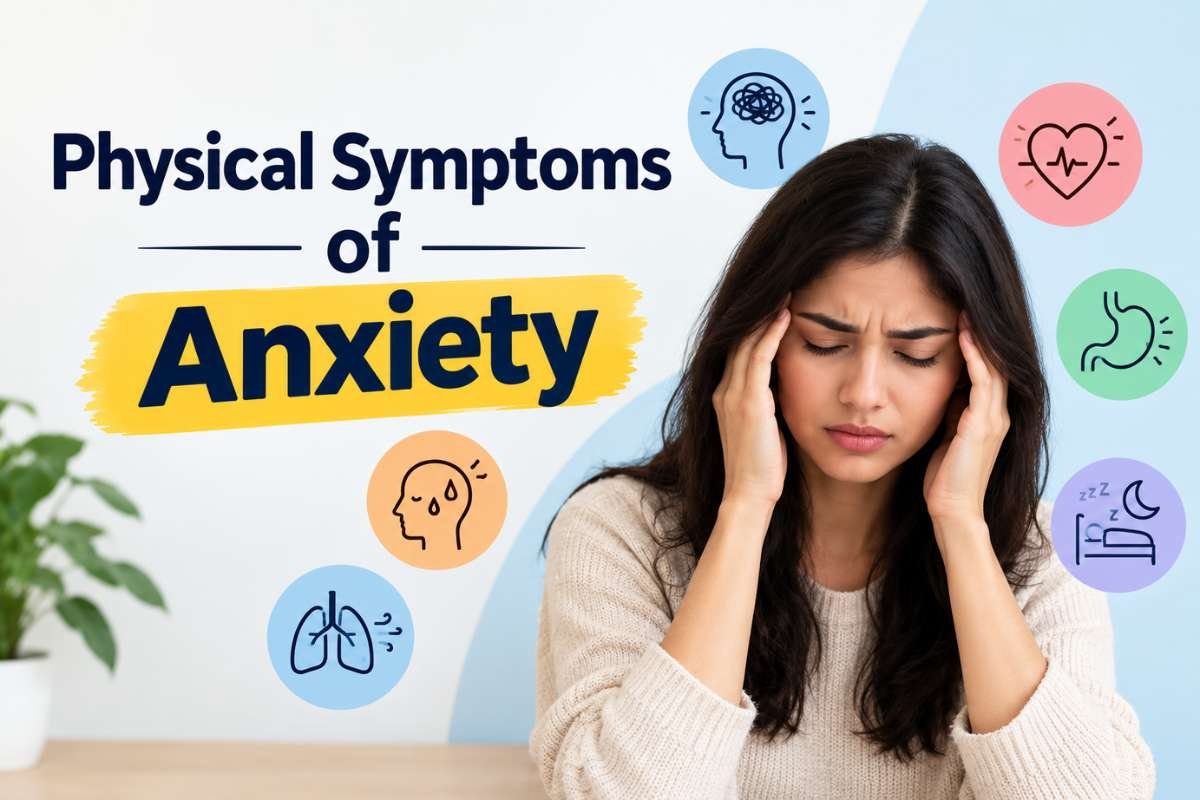
If you’re wondering whether anxiety can cause physical symptoms, the answer is yes. But not every unexplained symptom is caused by anxiety. Anxiety can affect multiple body systems at once. And physical symptoms of anxiety sometimes show up before a person even recognizes they’re anxious. Common experiences include a racing heart, breathlessness, nausea, muscle tension, sweating, dizziness, and fatigue. These sensations are tied directly to the body’s stress-response systems, like the fight-or-flight response.
But here’s the catch: physical symptoms shouldn’t automatically be chalked up to anxiety. Harvard research notes that physical symptoms can be caused by anxiety or can trigger anxiety themselves. Making the relationship a two-way street.
In this guide, you’ll learn which symptoms are commonly linked to anxiety, why they happen, and when it’s worth checking with a doctor.
Physical Symptoms of Anxiety: What Can You Feel?
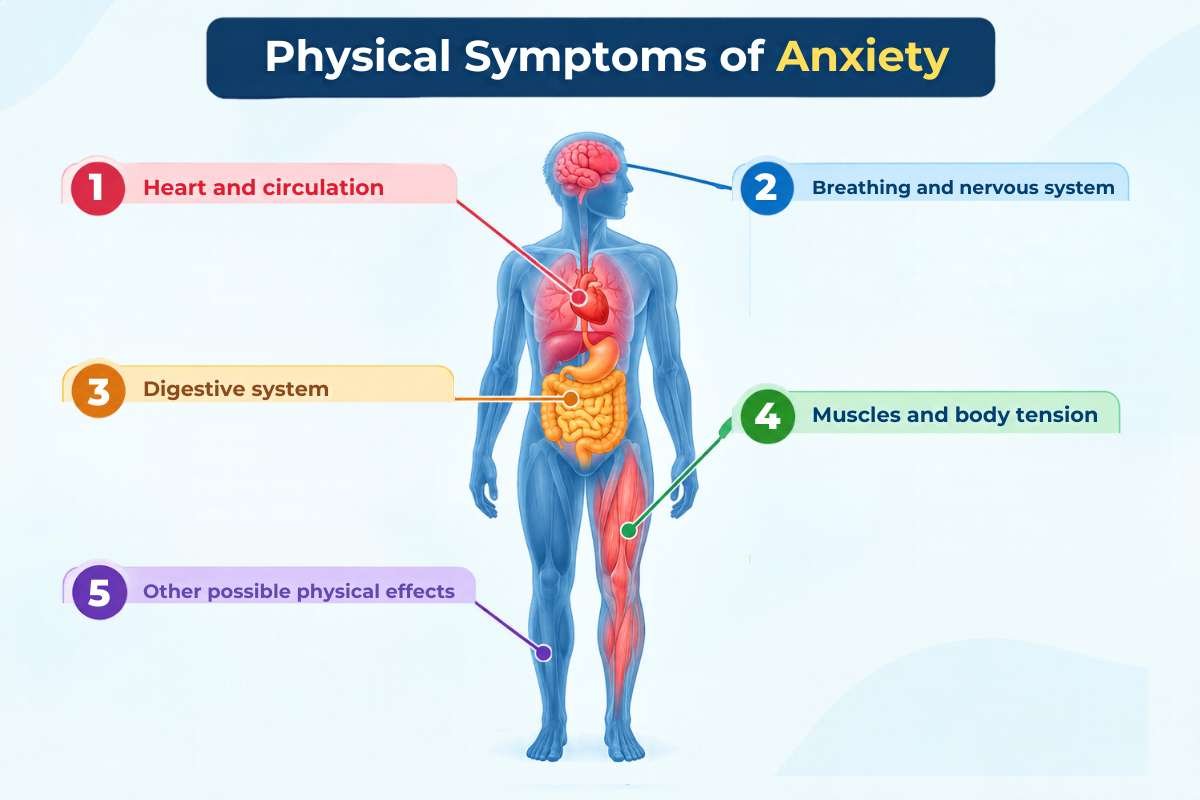
Anxiety doesn’t just live in your mind. It sends real signals through your body. When stress hormones surge, you may notice changes in your heart, breathing, digestion, muscles, and more. These symptoms can feel alarming and may occur with anxiety, but similar symptoms can also have other causes.
Heart and circulation
Your heart may pound or race, even at rest, sometimes fluttering or skipping a beat. Anxiety can also bring chest tightness or pressure, and a heightened awareness of your pulse in your neck or fingertips.
Breathing and nervous system
Anxiety can make breathing feel quick, shallow, or insufficient, even when oxygen levels are normal. This over-breathing often brings on dizziness, lightheadedness, or tingling and numbness in the hands, feet, or mouth.
Digestive system
Anxiety often unsettles digestion, causing nausea, cramps, or IBS-like pain as blood flow shifts away from the gut. It can also shift bowel habits and appetite, leading to diarrhea, constipation, or sudden food cravings.
Muscles and body tension
Muscle tension shows up as tight shoulders or neck, jaw clenching or teeth grinding, and trembling in the hands, legs, or voice during high anxiety. This chronic tension often triggers headaches, especially tension-type headaches rooted in tightened neck and scalp muscles.
Other possible physical effects
- Sweating, chills, or feeling overheated
- Fatigue after prolonged anxiety
- Sleep problems like trouble falling or staying asleep
- Frequent urination due to nervous system activation
If symptoms are severe, new, or include chest pain with sweating or jaw pain, seek medical care to rule out other causes.
Also Read: Can Changing Your Diet Help You De-Stress? Here Are 20 Stress-Reducing Foods To Combat Anxiety
How Anxiety Turns Stress Into Physical Symptoms
Anxiety turns stress into body sensations through a built-in survival system. When your brain perceives a threat, real or imagined. When your brain perceives a threat, real or imagined, it activates the autonomic nervous system.
This triggers a rapid hormone cascade. The adrenal glands release adrenaline (epinephrine) within seconds. This causes your heart to beat faster and harder, your breathing to quicken, and your muscles to tense in preparation for action. Cortisol also rises as part of the stress response, helping the body maintain energy availability during perceived threats. This affects blood sugar, energy, and immune function.
These changes explain many physical symptoms of anxiety: adrenaline-driven heart rate increases create palpitations or chest tightness, faster breathing leads to shortness of breath or lightheadedness, tight muscle fibers cause neck, shoulder, or jaw tension along with headaches or trembling, and redirected blood flow slows digestion, producing nausea, cramps, diarrhea, or constipation. These sensations feel intense even without real danger because the amygdala, the brain’s threat detector, reacts before rational thinking catches up, treating an email, social situation, or worrying thought as a survival threat, and repeated activation can lower your threshold for noticing these signals, making normal bodily changes feel alarming.
What Do Anxiety Symptoms Feel Like in Different Parts of the Body?
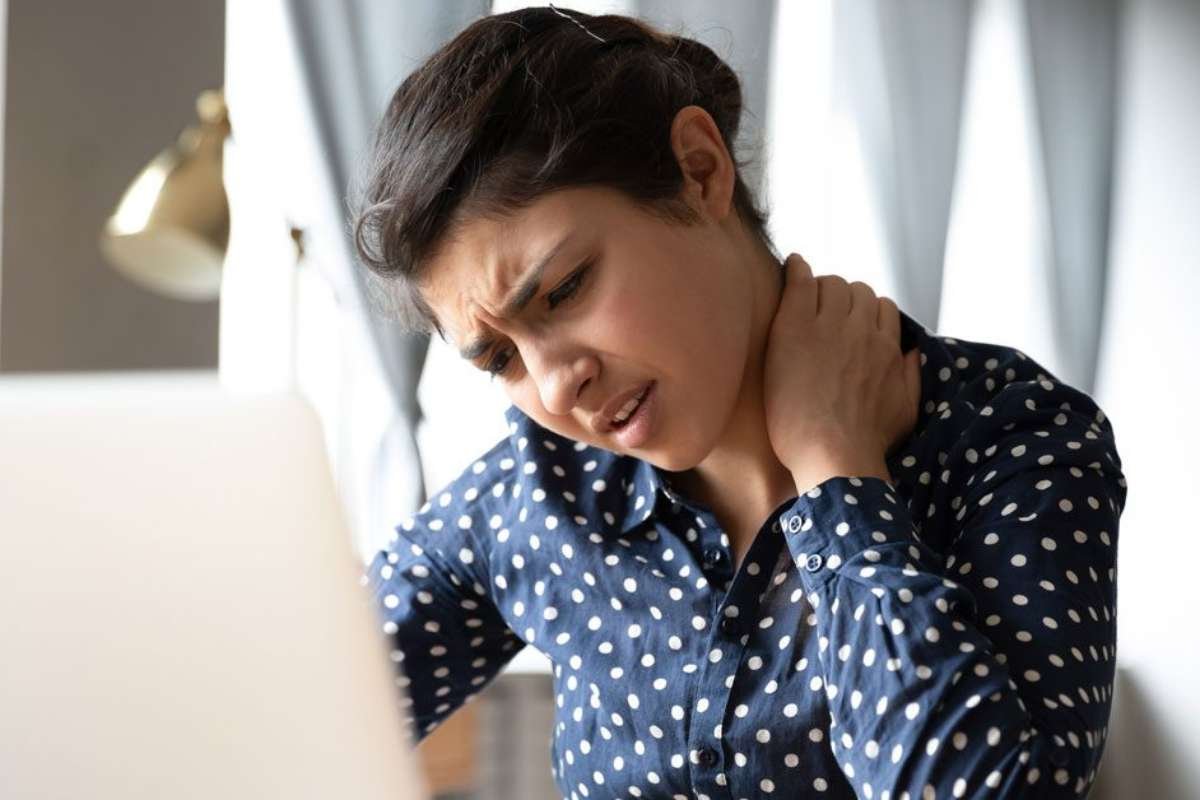
Anxiety doesn’t just create random sensations. It systematically affects major body systems through the stress response.
1. Heart:
Adrenaline surges tell your heart to pump faster and harder to prepare for action. This raises your heart rate and makes each beat more forceful. So normal rhythms can feel like pounding, racing, or “skipped” beats even when your heart is healthy.
2. Gut:
During stress, blood flow shifts away from digestion toward muscles, and stress hormones alter gut motility and acid production. The result can be nausea, a churning stomach, cramps, bloating, or sudden changes in bowel habits like diarrhea or constipation.
3. Muscles:
The fight-or-flight response causes muscles to tense reflexively. Prolonged tension in the neck, shoulders, and jaw leads to stiffness, soreness, tension-type headaches, and jaw pain or teeth grinding.
4. Breathing:
Anxiety often triggers faster, shallower breathing or breath-holding patterns. This can create a sensation of not getting enough air, plus dizziness, lightheadedness, and tingling in the hands or face from changes in carbon dioxide levels.
5. Sleep and energy:
Persistent anxiety can make it harder to fall asleep or stay asleep, which can contribute to daytime fatigue. Poor sleep then feeds daytime fatigue, low motivation, and a cycle of heightened stress reactivity.
Also Read: Facing Anxiety: Understanding the Signs and Taking Control of Your Mental Health
Why Can Physical Symptoms Make Anxiety Worse?
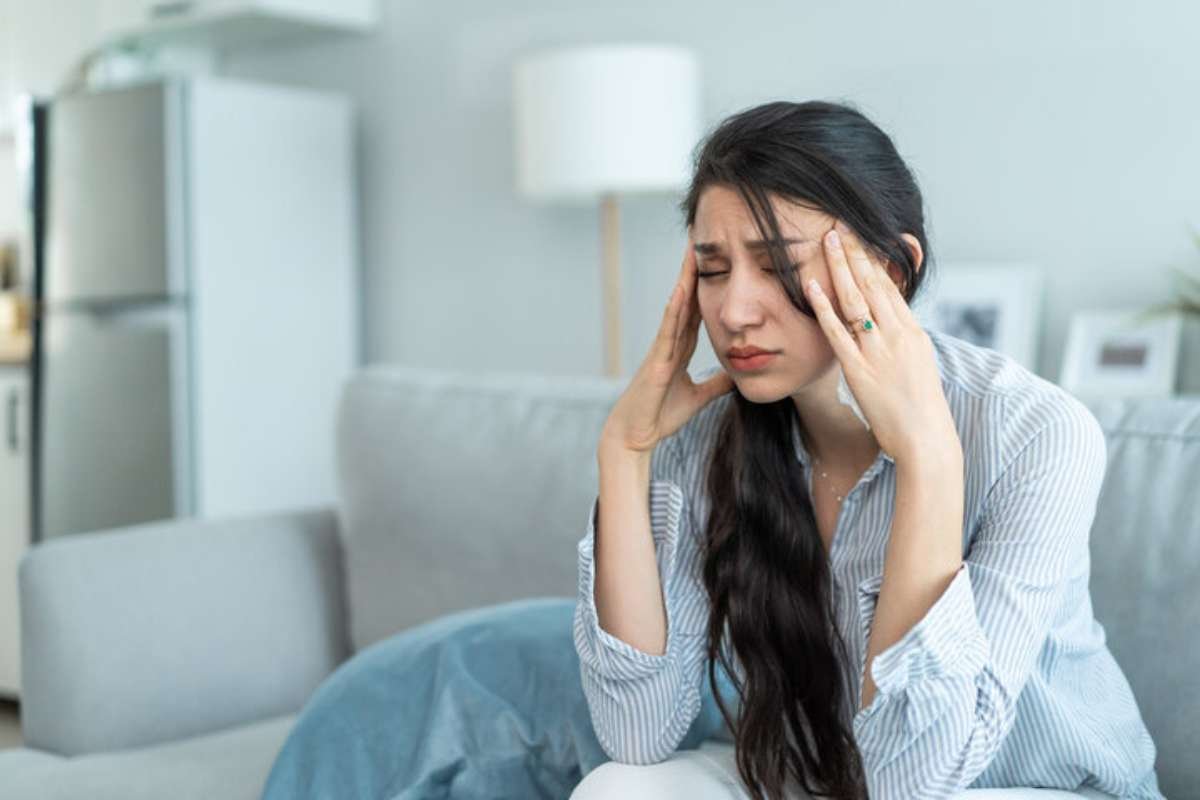
Physical symptoms can make anxiety feel worse because they fuel a self-reinforcing loop. A real bodily sensation, like a skipped heartbeat, tight chest, or wave of nausea, catches your attention. Your mind interprets it as danger: “Something is wrong.” That thought triggers more fear, which activates the stress response again, producing stronger physical symptoms of anxiety, which then seem to confirm the original worry.
Common examples include:
- Heart palpitations → fear of a heart problem → adrenaline surge → faster, harder beats that feel even more alarming.
- Breathlessness → fear of not getting enough air → faster, shallower breathing → more chest tightness and dizziness.
- Nausea or stomach cramps → concern about illness → heightened gut sensitivity and altered motility → worse digestive discomfort.
- Dizziness or lightheadedness → fear of fainting → increased body monitoring and tension → more unsteadiness and “wobbly” feelings.
This cycle doesn’t mean the sensations are fake. The symptoms are real, even when anxiety contributes to them. What changes is the interpretation: the brain treats normal or stress-related signals as threats, keeping the nervous system switched on. Recognizing this loop of sensation, scary thought, and stronger sensation is a key step in breaking it, often with support from therapies like CBT that retrain threat appraisal and reduce symptom-focused fear.
What Can Help Ease Physical Anxiety Symptoms?
You can’t always stop physical symptoms of anxiety, but you can reduce their intensity and shorten their duration with simple, evidence-based steps.
During symptoms:
- Slow, controlled breathing: Try extending your exhale (for example, inhale 4 seconds, exhale 6–8) to calm the stress response.
- Relax tense muscles: Gently release your jaw, drop your shoulders, or use brief progressive muscle relaxation (tense–release cycles).
- Shift attention away from body checking: Repeatedly monitoring your heartbeat or breathing can amplify sensations. Redirect focus to a task, conversation, or grounding exercise.
- Use grounding or calming activities: A short walk, stretching, or a simple sensory grounding technique can interrupt the anxiety loop.
As part of ongoing management:
- Regular physical activity: Aim for consistent movement (even 10–15 minutes at a time) to lower baseline tension and improve mood.
- Consistent sleep: Keep regular sleep and wake times; limit evening screens and caffeine.
- Stress-management practices: Mindfulness, relaxation training, or therapy skills (like CBT) help reduce reactivity over time.
- Limit symptom triggers: Cutting back on excess caffeine, nicotine, or other stimulants can reduce palpitations, shakiness, and sleep issues.
- Professional treatment when needed: If symptoms are persistent, worsening, or interfering with daily life, speak with a clinician about tailored options.
When Physical Symptoms Could Mean It’s Time to Seek Help
Physical symptoms don’t always mean you need urgent care, but they can be a signal to seek professional support. Consider talking to a clinician when physical symptoms of anxiety repeatedly return and start to affect your quality of life.
Professional help is worth considering if:
- Symptoms keep coming back despite stress-management efforts or lifestyle changes.
- Anxiety interferes with work, sleep, relationships, or daily activities.
- You avoid places, tasks, or social situations because you fear symptoms will appear.
- You constantly monitor your body for signs of illness or feel unable to stop worrying about your health.
- Worry about symptoms feels difficult to control, even when reassurance or tests are normal.
- Symptoms persist or worsen after the original stressor has improved.
This functional-impairment approach focuses on how symptoms affect your life rather than counting them. It is used by major medical sources to decide when anxiety needs formal assessment and treatment.
Also Read: Anxiety Treatment Therapy: Techniques, Benefits, and Considerations
Conclusion:
Physical symptoms of anxiety are real, common, and rooted in your body’s natural stress response. It is not a sign that something is fundamentally wrong with you. A racing heart, tight chest, or upset stomach can feel frightening in the moment. But understanding why they happen takes away much of their power. Most symptoms ease with simple tools like slow breathing, movement, and better sleep habits. Persistent or life-disrupting symptoms are worth discussing with a professional.
The key is learning to tell the difference between a stress response and a medical concern, so you can respond with the right kind of care. If these symptoms sound familiar, start paying closer attention to your patterns and triggers, and don’t hesitate to reach out to a doctor if they persist.
FAQ:
1. Can anxiety cause physical symptoms even when I don’t feel anxious?
Yes. Physical symptoms can sometimes appear before you consciously recognize that you are anxious. Your body’s stress response can activate automatically.
2. Can anxiety cause chest pain or a racing heart?
Yes. Anxiety can increase heart rate and cause chest tightness, pounding, or noticeable heartbeats. However, new, severe, persistent, or unexplained chest pain should not automatically be attributed to anxiety.
3. Can anxiety cause stomach and digestive problems?
Yes. Anxiety can affect the connection between the brain and digestive system, potentially causing nausea, stomach discomfort, cramps, changes in appetite, diarrhea, or constipation.
4. How long do physical symptoms of anxiety last?
There is no single timeframe. Symptoms may last briefly during an anxious episode or continue or recur when anxiety remains persistent.
5. Why does anxiety cause muscle tension?
Anxiety activates the stress response, causing muscles to tighten. Prolonged tension can lead to aches and headaches.