Key Takeaway:
- Postpartum mental health conditions are common, treatable, and can range from mild to severe.
- Loved ones can help by noticing changes, asking direct questions, and offering support.
- Therapy, medication, and peer support groups can help mothers manage symptoms and reduce isolation.
Postpartum mental health conditions affect many women after childbirth, and loved ones can help by recognizing warning signs, asking questions, and encouraging professional support.
Postpartum Conditions Can Affect New Mothers
Postpartum mental health conditions are common and treatable, ranging from temporary mood changes to serious psychiatric emergencies, according to the Cleveland Clinic.
The Cleveland Clinic estimates that one in seven women experience postpartum depression. Anxiety and mood swings can also occur during the first month after birth, a period commonly known as the “baby blues.”
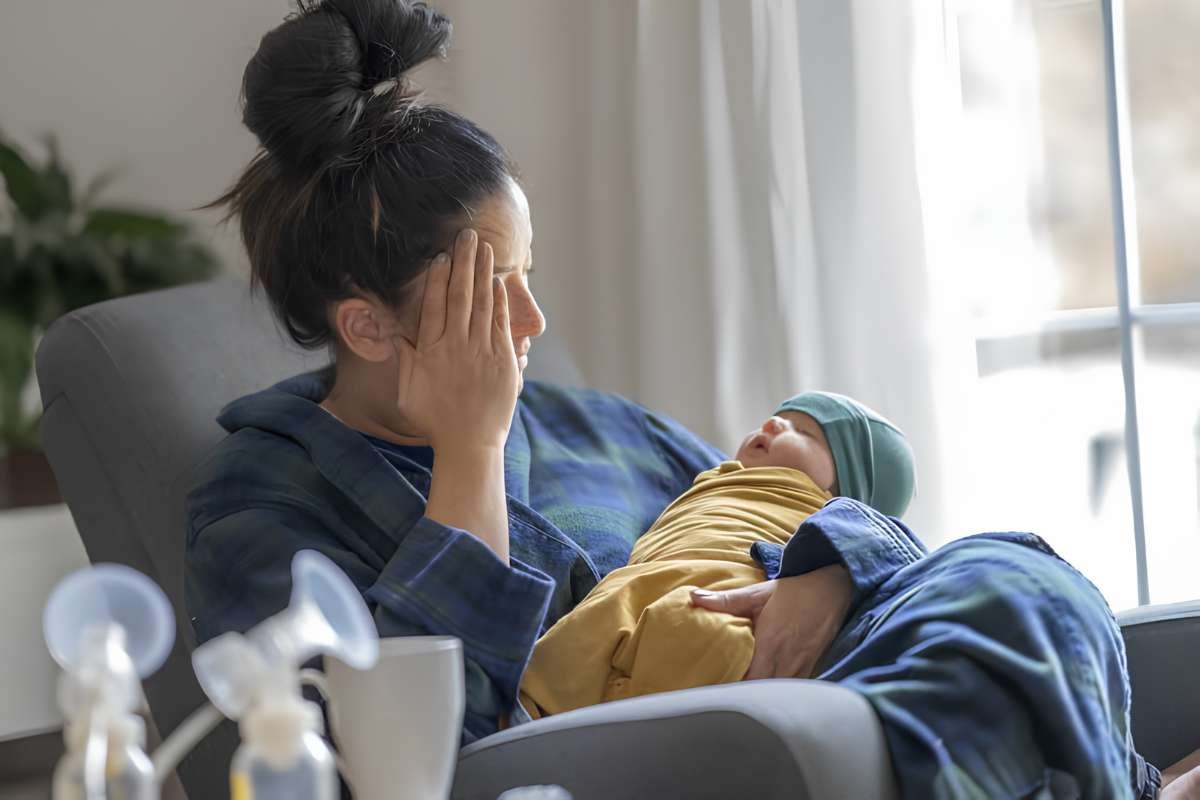
Lauren Ratliff said she experienced severe anxiety, intrusive thoughts, sleep problems, and rapidly changing moods after bringing her baby home.
“I just had crushing anxiety, and intrusive thoughts, and I wasn’t sleeping. I was hypervigilant. My mood was very up and down,” Ratliff said.
Ratliff said she initially struggled to find help while caring for herself and her newborn. She eventually began therapy and took medication for her anxiety.
Her experience led her to establish Matrescence Therapy, a virtual psychotherapy practice focused on maternal mental health.
Loved Ones Should Ask Direct Questions
Ratliff said her husband noticed her Postpartum Mental Health condition worsening and asked whether she should contact a doctor or someone for help. At the time, she said, the question made her feel as though she was failing.
Mental health professionals and birth support workers say loved ones should not avoid difficult conversations because they fear upsetting a new mother.
Anna Rodney, a doula and founder of Chicago Doulas, said partners, friends and family members should help mothers identify what they need.
“This is the hardest part of all because a lot of people feel like they should tread lightly,” Rodney said. “Every single person around mom should be helping her to identify what she needs and being supportive.”
Rodney recommends asking practical questions, including whether the mother has been able to feed the baby, spend time playing with the baby, or experience moments of joy.
Persistent intrusive thoughts that interfere with daily life can be a warning sign that more support is needed, rather than simply a normal adjustment to motherhood.
Support Groups Can Reduce Isolation
Untreated anxiety and depression can worsen. Chelsea Seifert said she experienced Postpartum Mental Health challenges, including anxiety, depression, intrusive thoughts, obsessive-compulsive disorder, and post-traumatic stress disorder after becoming a mother.
“Everything was terrifying to me. I didn’t know if I was doing anything right,” Seifert said.
Therapy and medication helped Seifert, but she also found that discussing her experience was important.
“I think a lot of women suffer in silence, whether it’s shame, whether it’s like, I’m going to grit through this,” she said. “The first step is really like being able to speak about it.”
Social isolation can add to the difficulty of adjusting to parenthood. Abby Mackrelin said she struggled to find a sense of community because she had children before many of her close friends.
She eventually joined the online support group Peanut, where she connected with other mothers and discussed the gap between the joy others expected her to feel and her own experience.
Support is also available for partners, family members, and friends. Postpartum Support International offers a free hotline for people with questions about postpartum mental health, including questions that do not involve an immediate crisis.
Visit more of our news! Healthcare 360 Magazine