The rapid rise of “protein-maxxing,” a trend promoting high-protein foods and diets across the United States, is fueling booming sales but delivering fewer health benefits than advertised, nutrition experts say.
Protein Trend Expands Beyond Traditional Fitness Foods
Protein-Maxxing has moved far beyond gym culture, reshaping grocery aisles and restaurant menus nationwide. Over the past 18 months, companies have introduced Protein-Maxxing versions of everyday foods, including coffee, cookies, oatmeal, and flavored water.
Food brands and chains increasingly market protein as a wellness shortcut. Starbucks recently added protein cold foam offering 15 to 36 grams of protein, while snack companies launched protein-enhanced chips, peanut butter, and breakfast pastries.
The surge reflects growing consumer demand for convenience and health claims. Analysts project the global protein-fortified food market will exceed $100 billion by 2030.
Some consumers remain skeptical. “The craziest protein item that I’ve seen recently is protein cookies,” said Bia Llamas, 20, a health promotion student at the University of Southern California. “A cookie is a cookie. Stop making it something that it’s not.”
Llamas said fitness organizations increasingly stress balanced nutrition rather than single-nutrient trends. “What we put in our bodies brings us longevity and healthier lifestyles,” she said.
Experts Say Benefits Depend on Exercise and Balance
Nutrition specialists emphasize that protein plays a critical role in repairing tissues, building muscle, and supporting overall body function. But they caution that more protein does not automatically mean better health.
Kurt Hong, a clinical professor of medicine and gerontology at USC, said higher protein intake shows benefits only under specific conditions.
“Better satiety, improved weight loss, preserved muscle mass and improved metabolic markers,” Hong said, “but only when paired with regular strength training.”
Federal dietary recommendations recently increased suggested intake levels to between 1.2 and 1.6 grams of protein per kilogram of body weight, up from the long-standing minimum of 0.8 grams.
Despite that change, Hong said most Americans already consume adequate protein through normal diets. Additional fortified foods often provide minimal advantage.
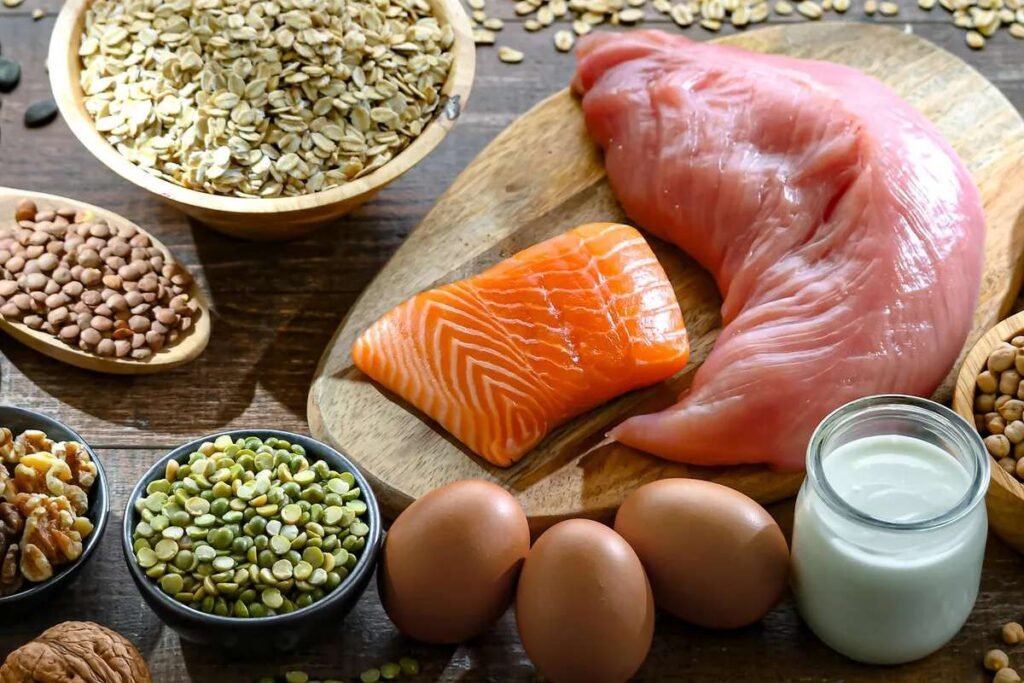
“These foods offer lower protein density compared to whole food sources like fish, eggs, legumes, and dairy,” Hong said.
Processed Products Raise Nutritional Concerns
Health experts warn that many Protein-Maxxing products contain added sugars, sodium, and processed ingredients that undermine their perceived benefits.
Hong said excessive focus on protein can push consumers away from other essential nutrients. “High-protein diets often crowd out fiber, vitamins, and protective plant compounds critical for long-term metabolic health,” he said.
The marketing boom has reshaped consumer behavior, encouraging people to track protein targets rather than overall dietary quality.
Llamas said she prefers obtaining protein through whole foods such as Greek yogurt, eggs, ground turkey and tofu instead of processed snacks.
“Protein is just a part of a balanced meal,” she said. “Balance of all different food groups is key.”
Experts agree that moderation remains the healthiest approach. Rather than chasing protein numbers, Hong recommends building meals around minimally processed foods that include carbohydrates, healthy fats, and plant-based nutrients.
“The healthiest approach,” he said, “is not chasing a protein number but building a varied diet around whole foods.”
Visit Healthcare 360 Magazine For The Most Recent Information.