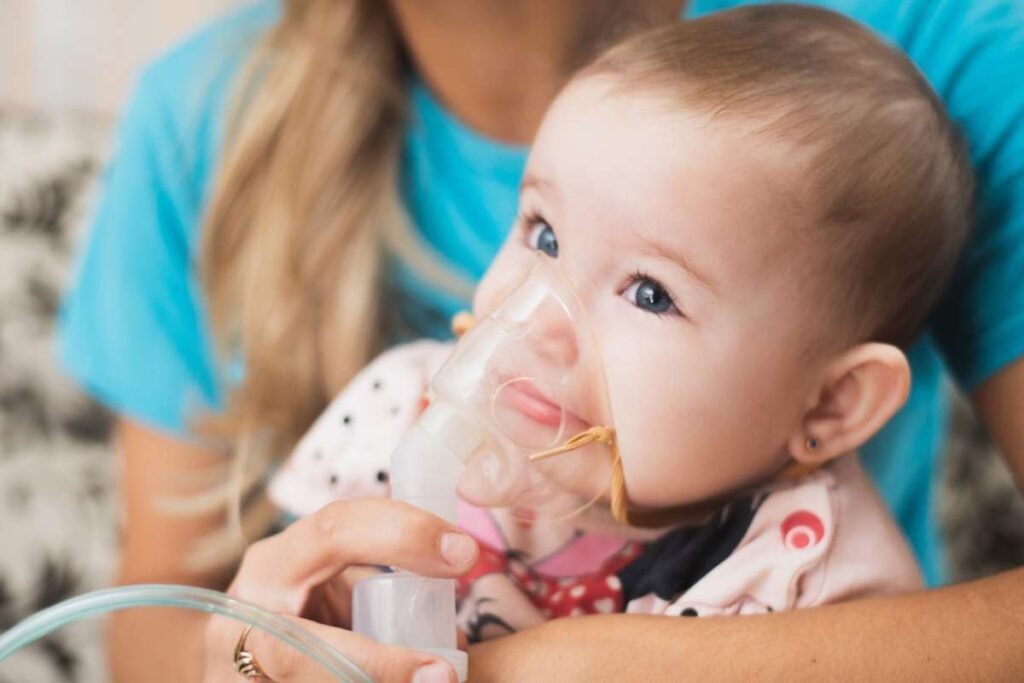
A lingering surge of respiratory syncytial virus, or RSV surge spring, is spreading across the United States into spring, prompting most states to extend immunization programs through April 30 as infection levels remain unusually high nationwide.
Federal surveillance shows 7.5 percent of RSV tests returning positive, exceeding the roughly five percent rate reported at the same time last year. Health officials say the virus season started later than expected and continues circulating across large portions of the country.
Wastewater monitoring by the Centers for Disease Control and Prevention identifies the Midwest and northern Plains as current hot spots. Michigan, Minnesota, South Dakota, Wyoming, Iowa, Kansas, Nebraska and Vermont report high or very high viral concentrations.
Eight states — including California, Hawaii, Illinois, Louisiana, Nevada, New Mexico, Tennessee and West Virginia — show moderate levels. More than 30 states, including Florida, Texas, Colorado, Oregon, Virginia and Washington, report low or very low activity.
“We’re seeing RSV continue to circulate around much of the U.S.,” Dr. Robert Hopkins, medical director of the National Foundation for Infectious Diseases, told TODAY.com. “It is certainly later than we expect. The season is extending into the spring.”
The CDC warns that delayed seasonal timing could sustain elevated virus activity through April in many regions.
CDC Data Show Virus Persisting Beyond Typical Winter Season
RSV typically peaks in winter and declines by late March. This year’s prolonged RSV surge spring has led nearly every state to extend immunization eligibility beyond the traditional October-to-March window.
States including New York, California, Texas, Illinois and Washington extend vaccine access through at least April 30. Florida, Hawaii, Oregon, Louisiana and Washington, D.C., do not adopt extensions, while Missouri and Virginia allow physicians and families to decide individually.
Extending the immunization period allows hospitals and pediatricians to continue ordering monoclonal antibody shots through the federal Vaccines for Children program and maintain protection for vulnerable patients.
A spokesperson for Minnesota’s Department of Health says RSV currently drives more hospitalizations than influenza or COVID-19 in the state amid the RSV surge spring, although this season’s peak remains lower than the previous two years.
“Although we may be near the seasonal peak, sustained declines have not yet been observed,” the spokesperson said.
Health Officials Warn Infants And Seniors Face the Highest Risk
Infants younger than eight months face the greatest danger from RSV complications, including bronchiolitis and pneumonia. Emergency department visits and hospitalizations are beginning to decline overall but remain highest among children under four, Hopkins said.
Dr. Yvonne Maldonado, a pediatric infectious disease specialist at Stanford University, warns that severe cases can escalate quickly during the RSV surge spring.
“Some of these children are sometimes on ventilators,” Maldonado told Wyoming Public Radio. “They can be on oxygen because they really can’t breathe with this virus.”
Each year, two to three out of every 100 infants younger than three months require hospitalization. Among children five and younger, the CDC estimates 58,000 to 80,000 hospitalizations and between 100 and 300 deaths annually.
Older adults also face an elevated risk. RSV leads to an estimated 110,000 to 180,000 hospitalizations annually among Americans age 50 and older, often causing serious lower respiratory illness.
States Extend Vaccine Access As Hospitalizations Remain Elevated
Health officials emphasize RSV is preventable through vaccination and antibody treatments. Immunization is recommended for infants entering their first RSV season if maternal vaccination during pregnancy did not occur or remains unknown.
High-risk children ages eight to 19 months, including those born prematurely or living with chronic lung disease, cystic fibrosis or immune disorders. This may require a second dose before a new RSV season begins.
Despite expanded recommendations, vaccination coverage among older adults remains limited. About 38 percent of adults ages 60 to 74 and 41.5 percent of those 75 and older, receive an RSV vaccine, according to federal data.
Public health experts urge continued vigilance as the RSV surge spring persists, noting that most healthy adults experience mild, cold-like symptoms but can still transmit the virus to vulnerable populations.
Visit Healthcare 360 Magazine to read more.