Key Takeaways:
- Preventable lung diseases linked to silica exposure are rising sharply among U.S. coal miners.
- Silicosis cases are also surging among countertop workers cutting engineered stone.
- Industry groups are challenging federal rules that lower silica exposure limits.
Coal miners and countertop workers in the U.S. are developing and dying from preventable lung diseases as industry groups challenge silica protections and regulators reconsider key safety rules.
Black Lung Cases Rise Among Younger Miners
Black lung disease is increasing among coal miners in central Appalachia, with workers developing the illness at younger ages than previous generations after years of workplace silica exposure.
John Robinson, a former coal miner in southwestern Virginia, was diagnosed with black lung at 47. His grandfather also developed the disease after years in coal mines, but was diagnosed much later in life.
“Now, honey, how are these men getting sick? Something’s causing it,” Robinson said. He said workers once avoided discussing black lung because they feared losing their jobs.
A study from the National Institute for Occupational Safety and Health published last month found that one in three coal miners in Kentucky, Virginia and West Virginia had black lung disease.
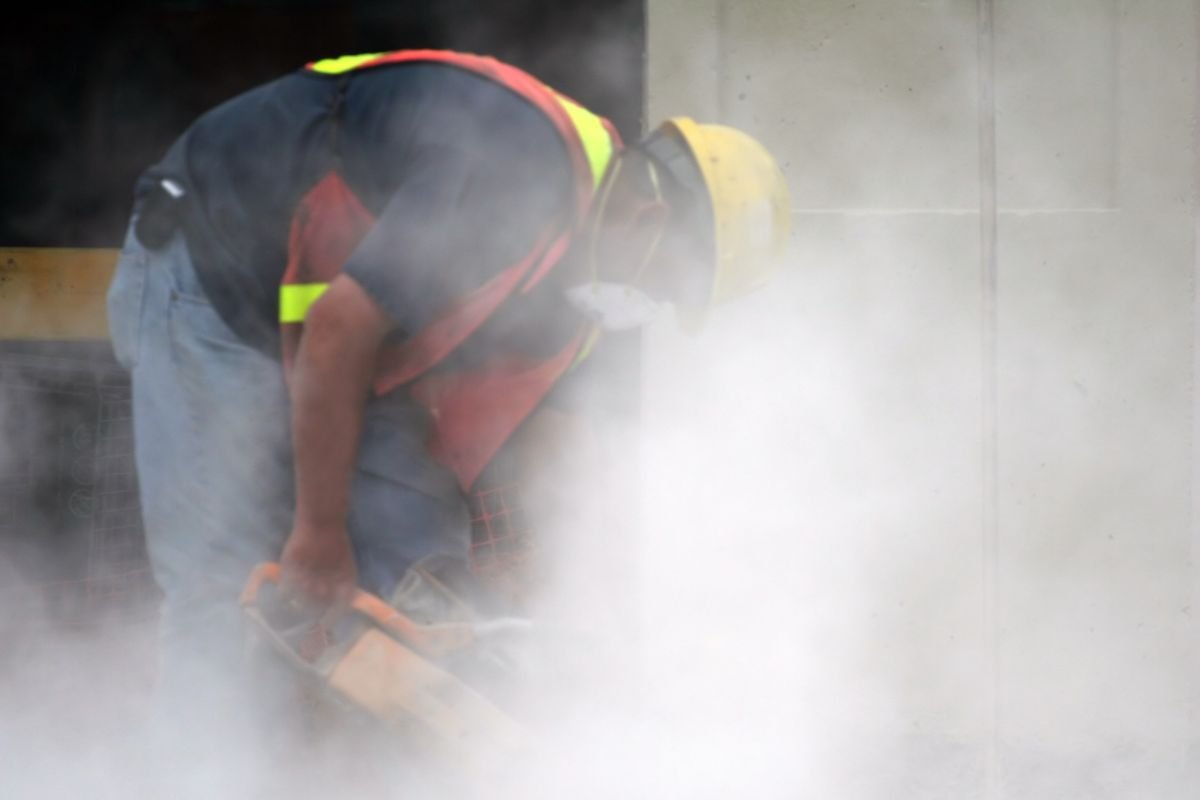
Health experts link the disease to silica exposure from crystalline silica dust, which workers can inhale when mining or cutting stone. Controlling exposure requires measures such as air monitoring and preventing dust from becoming airborne.
Industry Challenges Federal Silica Protections
The Mine Safety and Health Administration issued a silica dust rule in 2024 that lowered the permissible exposure limit from 100 micrograms per cubic meter to 50 micrograms during an eight-hour shift, reducing allowable silica exposure for workers.
Industry groups challenged the rule in court, and the 8th U.S. Circuit Court of Appeals later stayed it after the Trump administration declined to defend the regulation. The agency has said it will reconsider parts affected by the legal challenge.
The American Exploration & Mining Association said it supports lowering silica exposure limits but objected to how the rule would be implemented.
“The rule takes an inflexible, cookie-cutter approach,” AEMA Executive Director Mark Compton said, arguing that engineering controls may not always be technically or economically feasible.
Rebecca Shelton of the Appalachian Citizens’ Law Center said recent dust samples indicate the danger remains active. Her review found that 17% of sampled operations exceeded the limit set in the delayed 2024 rule during the first six months of 2026.
“We show with our analysis that these exposures are happening now,” Shelton said.
Silicosis Spreads Among Countertop Workers
The risk of silica exposure also affects workers who manufacture countertops from engineered stone, which can contain high concentrations of silica.
A New England Journal of Medicine study found nearly 600 cases of silicosis among California countertop fabrication workers. The cases included 65 workers who received lung transplants and 31 who died.
David Michaels, an epidemiologist at George Washington University, said existing protections may not be enough for workers handling artificial stone. He said small employers often fail to comply with safety requirements and argued that highly concentrated silica products should be restricted.
“There are substitute products that are comparable in use and cost, but which do not kill workers,” Michaels said.
California’s Occupational Safety and Health division began rulemaking in May to prohibit fabrication and installation of artificial stone products containing more than 1% crystalline silica.
Silicosis and black lung cannot be cured, but health experts say both diseases can be prevented by controlling workplace silica exposure and limiting contact with silica dust.
Visit more of our news! Healthcare 360 Magazine