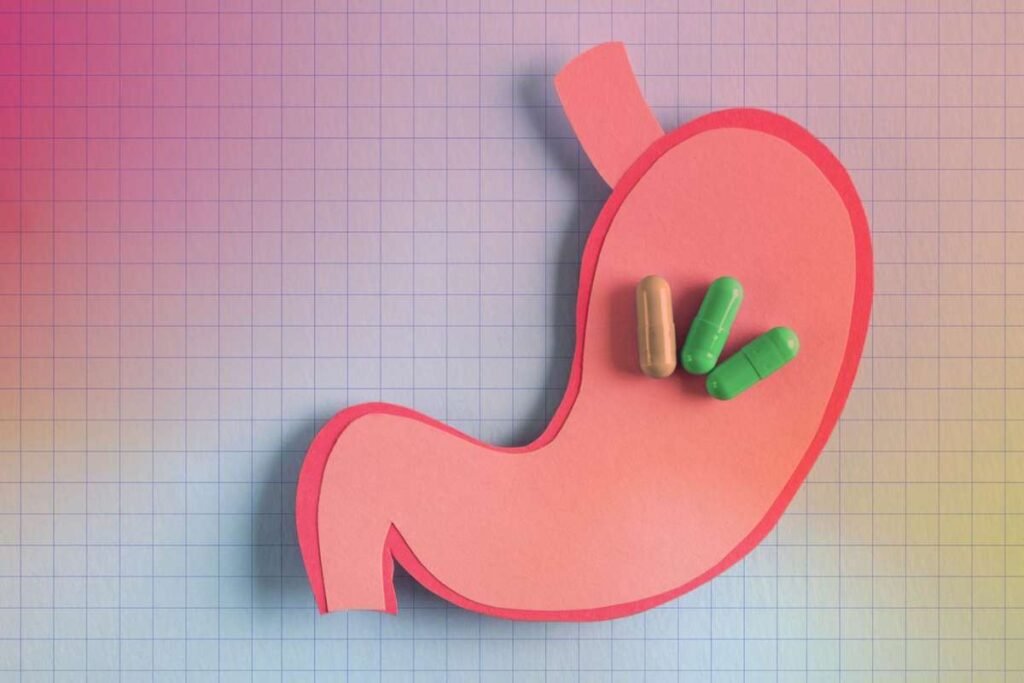
Health experts warn that supplements that cause constipation—such as calcium, iron, vitamin D, fiber, and senna—can worsen digestive issues when misused. They recommend a food-first approach supported by proper hydration and regular physical activity to maintain healthy digestion.
Experts Identify Supplements That Can Slow Digestion
Medical and nutrition experts warn that supplements that cause constipation may contribute to digestive issues instead of providing relief. Calcium, iron, vitamin D, fiber, and even the herbal laxative senna are among those linked to slowdowns in bowel movements under certain conditions.
Calcium supplements can reduce intestinal motility and gut fluid, leading to dry, hard stools, particularly when people consume insufficient water or fiber.
Iron supplements are also associated with digestive side effects. Excess iron can pull water from the colon and alter gut bacteria, hardening stool and slowing bowel movements.
“Fiber supplements can bulk up the stool too much and cause constipation, especially a supplement high in insoluble fiber,” says dietitian Rhyan Geiger.
Experts emphasize that supplements affect individuals differently, and patients should consult a health care provider before starting or changing a regimen.
High Doses And Overuse Raise Risks
Taking vitamin D in consistently high doses may trigger digestive issues because it increases calcium levels in the bloodstream, which can further worsen constipation.
Meanwhile, senna, commonly marketed as a natural laxative, may cause dependency when overused. Long-term use can lead to chronic constipation and reduced normal bowel function as the intestines rely on stimulation to contract.
“However, simply increasing fiber intake or relying on supplements that cause constipation may not always improve bowel movements, as the outcome depends on the underlying cause,” said Kelsey Costa, a registered dietitian and science communications officer.
Research also shows iron and calcium supplements are among the minerals most frequently associated with constipation, especially at higher doses.
Still, physicians note supplementation can be medically necessary in cases such as nutrient deficiencies or osteoporosis, reinforcing the importance of professional guidance.
Doctors Urge Food-First Strategy For Gut Health
Rather than relying on supplements, experts recommend prioritizing whole, nutrient-dense foods, adequate hydration, and regular movement to maintain healthy digestion.
A balanced diet rich in fiber supports bowel function, while physical activity can help relieve constipation symptoms, according to nutrition specialists.
Calcium and iron obtained through food are generally less likely to cause digestive problems than high-dose supplements, reinforcing the value of dietary sources whenever possible.
Health professionals advise individuals experiencing persistent constipation, severe bloating, or abdominal pain to seek medical care to rule out underlying conditions.
Overall, experts emphasize that supplements that cause constipation should only complement a healthy lifestyle, not replace it, and they caution that unregulated products may do more harm than good when used improperly.