MINNEAPOLIS – The federal government’s recent legislation includes a provision to THC-infused Drinks and Snacks ban, putting the $24 billion hemp industry at risk. The THC-infused Drinks and Snacks ban, buried in the bill ending the government shutdown, takes effect in November 2026.
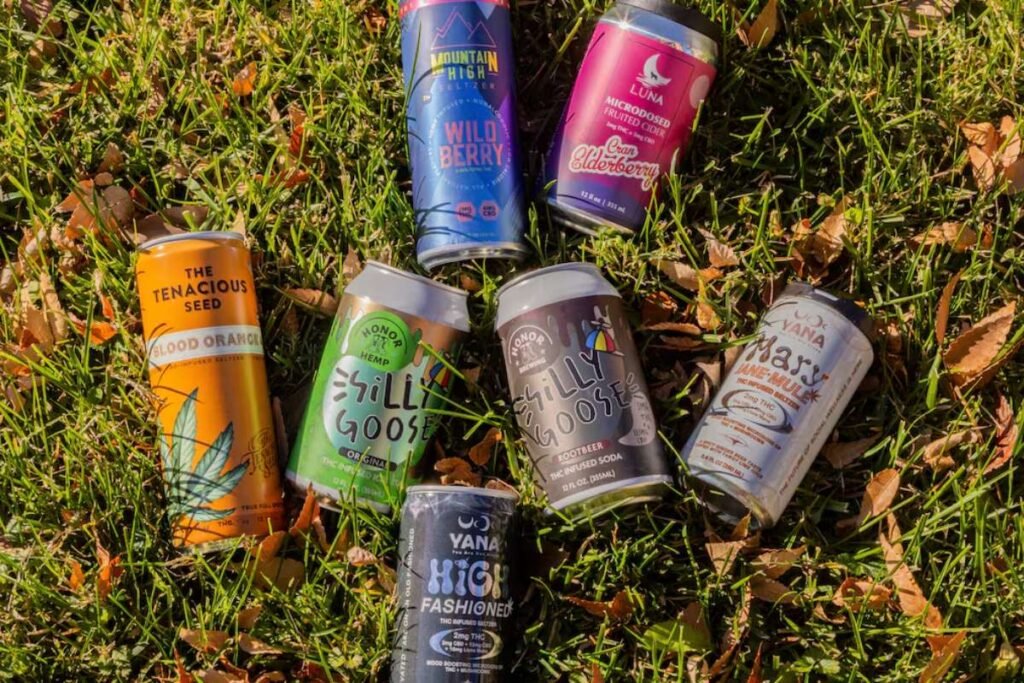
The measure affects products made from hemp that contain THC, the compound responsible for cannabis’ psychoactive effects. Craft breweries and snack makers across the country, which have seen growth in these products, now face an uncertain future.
“It’s a big deal,” said Ryan Bandy, chief business officer at Indeed Brewing in Minneapolis. “It would be a mess for our breweries, for our industry, and obviously for a lot of people who like these things.”
Federal Loophole Fueled Rapid Growth
Marijuana and hemp are the same species, but hemp has low THC levels and is cultivated for fibers, food, or wellness products. Congress legalized industrial hemp in the 2018 farm bill, allowing farmers to grow hemp with less than 0.3% delta-9 THC.
That limit created a loophole. Products such as beverages, gummies, and snacks can meet the legal THC threshold while still producing psychoactive effects. Companies have also converted cannabidiol (CBD) into other impairing THC forms, like delta-8 or delta-10, further expanding the market.
These unregulated products are widely available, sometimes at gas stations or convenience stores, and have bypassed taxes and restrictions applied to legal marijuana. Some states, including Indiana, reported increased poison-control calls due to pediatric THC exposure.
States Implement Varied Regulations
Dozens of states now regulate or ban intoxicating hemp products. California’s governor signed a law in October prohibiting their sale outside the legal marijuana system. Texas is imposing age restrictions, while Nebraska is considering criminalizing sales and possession.
Washington state limits licensed hemp growers following a 2023 ban on intoxicating products outside the regulated cannabis market. Trecia Ehrlich, cannabis program manager at the state agriculture department, said the number of growers fell from 220 five years ago to 42 today. With the federal THC-infused Drinks and Snacks ban looming, she expects a further reduction.
Minnesota legalized THC-infused beverages and foods in 2022 for adults 21 and older. Target now offers THC drinks in some stores. THC products account for about one-quarter of Indeed Brewing’s business and 26% of Bauhaus Brew Labs’ revenue from distributed products, according to company executives.
Federal Action Closes the Loophole
Sen. Mitch McConnell, who supported hemp legalization in 2018, inserted the THC-infused Drinks and Snacks ban into the shutdown-ending bill passed on Nov. 10. “It will keep these dangerous products out of the hands of children, while preserving the hemp industry for farmers,” McConnell said. Industrial hemp and CBD remain legal for industrial uses.
Some legal marijuana advocates welcomed the move, citing unfair competition from unregulated THC products. Prohibitionist groups also supported the THC-infused Drinks and Snacks ban, highlighting safety concerns for children.
The ban’s delayed implementation leaves a year for potential regulatory solutions. Industry representatives hope states can establish frameworks to allow regulated THC sales while banning synthetically derived forms, imposing age restrictions, and limiting marketing to minors.
Jonathan Miller, general counsel for the U.S. Hemp Roundtable, said, “If they really thought there was a health emergency, there would be no year-long period.” The group estimates more than 300,000 jobs and $1.5 billion in state tax revenue could be at risk.
Industry and Lawmakers Plan Next Steps
Lawmakers are exploring alternatives to a total ban. Kentucky Sen. Rand Paul proposed removing the hemp provision from the government-funding bill, but the amendment failed 76-24. Minnesota Senators Amy Klobuchar and Tina Smith are seeking ways to preserve the industry, possibly using Minnesota’s regulations as a national model.
Industry leaders urge swift action to avoid disrupting the planting season. Kevin Hilliard, co-founder of Insight Brewing, said, “If a farmer has uncertainty, they’re not going to plant.”
The next year will be critical for hemp businesses, regulators, and lawmakers as they navigate the federal THC-infused Drinks and Snacks ban and seek potential paths for legal THC products.
Also Read :- Healthcare 360 Magazine