Key Takeaway:
- Doctors report a rise in preventable newborn deaths linked to increasing Vitamin K shot refusal by parents at birth.
- Babies without the shot are 81 times more likely to develop dangerous internal bleeding disorders.
- Medical experts say misinformation and distrust in healthcare are driving the increase in refusals.
Doctors across the United States are reporting a rise in newborn deaths linked to Vitamin K shot refusal, a preventable condition fueled by increasing parental refusal of routine vitamin K shots at birth.
Doctors Report Increase In Preventable Infant Bleeding Cases
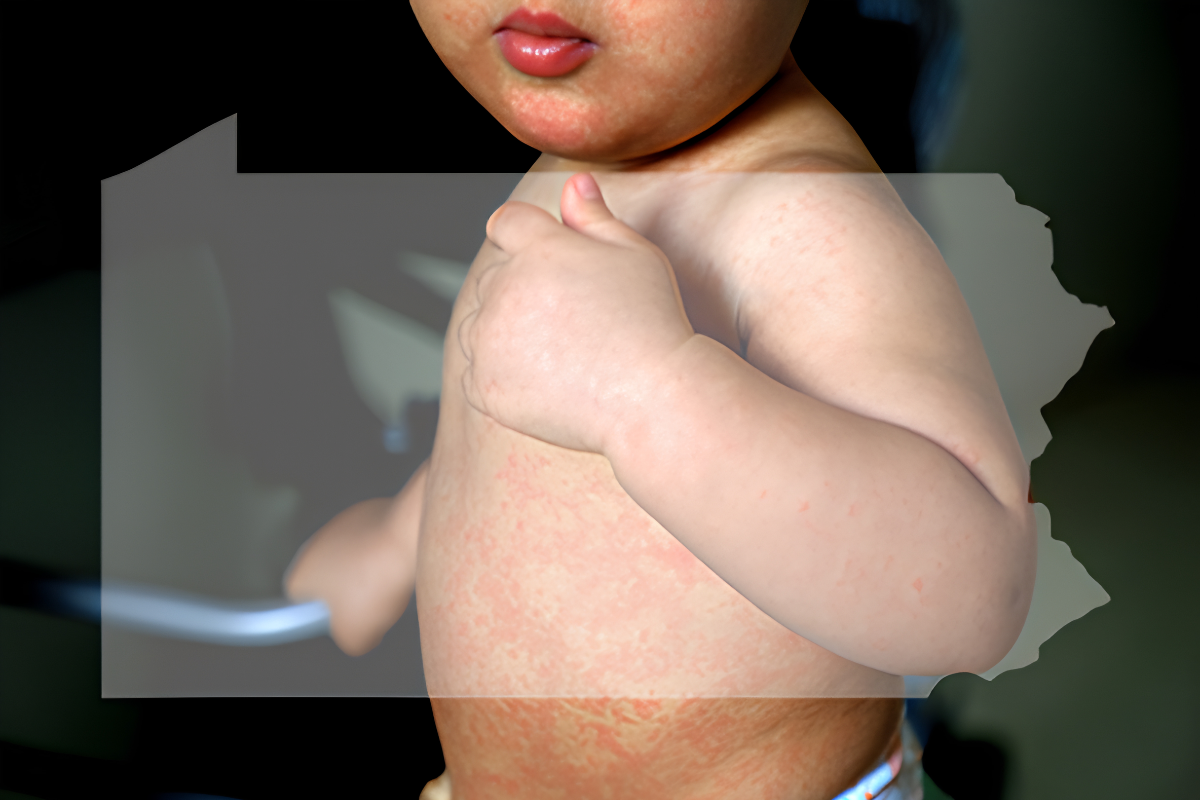
Pediatricians and hospitals nationwide are seeing more infants develop vitamin K deficiency bleeding, or VKDB, a rare condition that can cause severe internal bleeding, seizures, brain damage, and death.
According to a report published this week by ProPublica, several recent cases involved otherwise healthy newborns. A 7-week-old boy in Maryland suffered sudden seizures, a newborn in Kentucky became lethargic after vomiting, and a baby girl in Alabama stopped breathing repeatedly before dying.
Doctors said the cases could have been prevented with a standard vitamin K injection routinely recommended for newborns shortly after birth.
“Babies are born with a limited amount of clotting factors that get used up pretty quickly,” Dr. Candice Foy, pediatrician and medical director of the newborn nursery at Stony Brook Children’s Hospital, previously told the New York Post.
“Vitamin K helps them make more clotting factors to help prevent significant bleeds,” she said.
Vitamin K is necessary for blood clotting, but newborns typically have low levels because the nutrient is not efficiently transferred through the placenta or in breast milk.
Medical Experts Link Vitamin K Shot Refusal to Misinformation And Distrust
The American Academy of Pediatrics has recommended vitamin K shots for newborns since 1961. Medical experts say the injection is safe and highly effective in preventing VKDB and reducing complications linked to Vitamin K shot refusal.
However, doctors report that more parents are declining the shot due to misinformation
However, doctors report that more parents are declining the shot due to misinformation online and growing distrust of medical institutions.
Some parents mistakenly believe the injection is a vaccine. Others fear a possible link between vitamin K shots and cancer, despite multiple studies finding no evidence supporting those claims.
Between 2017 and 2024, researchers from the National Institutes of Health found that nearly 200,000 newborns in the United States did not receive the vitamin K injection at birth. The figure represents a 77% increase over that period.
Health experts warn that refusing the shot sharply raises the risk of dangerous bleeding disorders during infancy.
According to doctors, babies who do not receive vitamin K due to Vitamin K shot refusal are 81 times more likely to develop VKDB during their first six months.
Pediatricians Urge Parents To Follow Standard Newborn Care
Doctors said symptoms of VKDB can include unexplained bruising, vomiting blood, blood in the stool, seizures, and severe hemorrhaging in the brain or digestive system.
Because babies do not naturally replenish vitamin K until they begin eating solid foods such as leafy green vegetables around 6 months of age, physicians say the injection remains the safest protection during early infancy and helps prevent risks associated with Vitamin K shot refusal.
Health officials are urging parents to rely on established medical guidance and to discuss concerns with pediatricians rather than relying on social media.
“This is one of the simplest and most effective interventions we have in newborn medicine,” Foy said. “It can save lives.”
Hospitals also commonly recommend antibiotic eye drops and hepatitis B vaccination for newborns before discharge, though vitamin K remains the primary safeguard against VKDB.
Medical experts said the growing trend of Vitamin K shot refusal is reversing decades of progress in preventing fatal infant bleeding disorders.
Visit Healthcare 360 Magazine For The Most Recent Information.