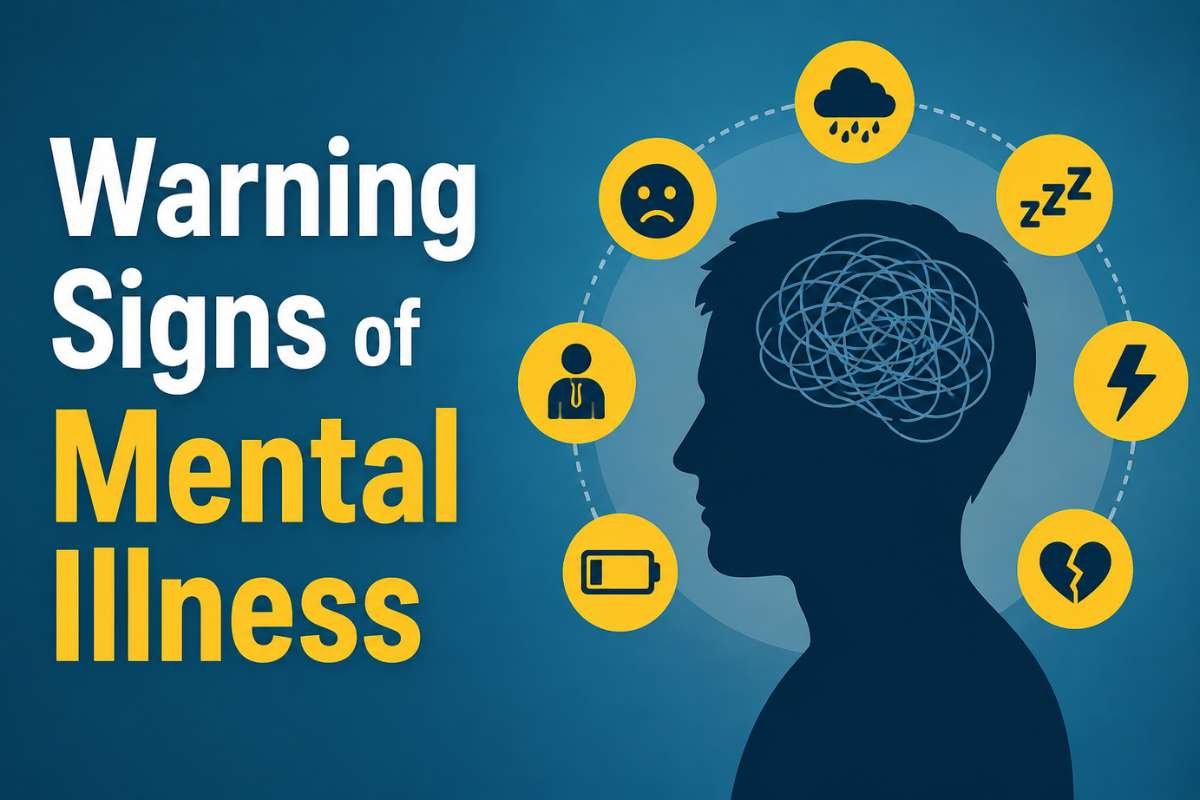
One in five U.S. adults lives with a mental illness each year. Yet many miss the early clues. Warning signs of mental illness can look surprisingly ordinary at first. Trouble sleeping, feeling more irritable, withdrawing from friends, or struggling to concentrate can happen during stressful periods, too. One isolated change doesn’t necessarily indicate mental illness. When shifts become persistent, intensify over time, or start disrupting work, relationships, or daily routines, they deserve closer attention.
This guide breaks down the most common warning signs across mood, behavior, and thinking. So you know when a pattern warrants a professional evaluation rather than guesswork or an online checklist.
Warning Signs of Mental Illness: 5 Types of Changes Indicating a Mental Health Problem
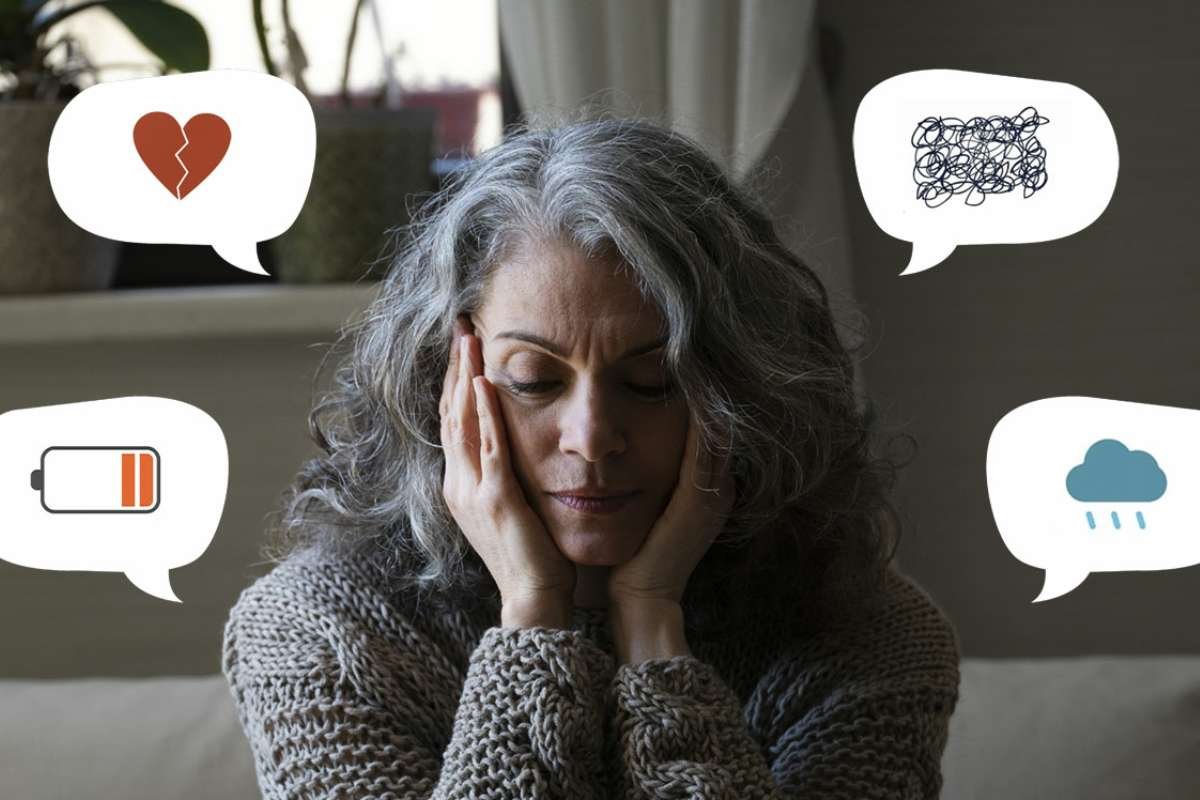
Mental health conditions often show up as noticeable changes in how you feel, think, behave, and function day to day. Recognizing these patterns early can help you seek support before problems worsen.
1. Emotional:
Persistent sadness or low mood, excessive fear or worry, extreme irritability, dramatic mood swings, ongoing guilt or hopelessness.
2. Thinking:
Difficulty concentrating or learning, memory problems, unusual or persistent thoughts, trouble distinguishing reality from perception.
3. Behavioral and social:
Withdrawing from friends or activities, loss of interest in things once enjoyed, uncharacteristic or risky behavior, increased substance use.
4. Physical and routine:
Major sleep changes, noticeable appetite or weight changes, low energy or fatigue, neglecting hygiene, unexplained physical complaints.
5. Functional:
Declining performance at school or work, difficulty completing familiar tasks, trouble managing daily responsibilities.
Beyond these categories, mental health concerns often reveal themselves through five broader patterns:
- Your personality or behavior feels different. Uncharacteristic irritability, withdrawal, or sudden risk-taking, especially alongside mood changes, can be an early signal.
- Sleep or eating habits change substantially. These matter most when they persist and occur alongside other symptoms, often reflecting emotional or biological stress.
- You stop functioning as you normally do. Missed deadlines, skipped responsibilities, or neglected self-care point to something deeper.
- Your thoughts or perception change. Severe concentration problems, paranoia, or feeling disconnected from reality require prompt evaluation.
- You rely on unhealthy coping strategies. Increasing alcohol or drug use to manage distress often signals that stress has become unmanageable.
When you notice these warning signs of mental illness, focus less on counting symptoms and more on the pattern: is it persistent, intensifying, or interfering with everyday life? If so, seek guidance from a healthcare professional.
Also Read: Mental Health Awareness: Breaking the Stigma and Promoting Well-Being
Everyday Stress vs. a Mental Health Concern: What’s the Difference?
Stress, grief, and difficult life events can cause real emotional and physical symptoms. The distinction becomes more concerning when changes are ongoing, significant, and disruptive to daily life.
This table is not a diagnostic checklist. It’s a practical way to notice when normal stress may be shifting into something that warrants professional support.
Stress vs. mental health concern
| Look at | Everyday stress | Possible mental health concern |
| Duration | Often improves with time or after the stressor changes | Persists or keeps returning for weeks or months |
| Intensity | Usually manageable with coping strategies | Feels increasingly difficult to manage or overwhelming |
| Function | Daily responsibilities remain mostly intact | Work, school, relationships, or self-care suffer |
| Behavior | Temporary changes (sleep, appetite, irritability) | Noticeable or uncharacteristic changes (withdrawal, risky behavior, substance use) |
| Recovery | You can regain your normal routine with rest or support | Returning to normal becomes difficult despite efforts |
Healthdirect notes that symptoms can be part of normal life while still warranting help when they become ongoing and significant. Similarly, Mayo Clinic and NAMI highlight that when emotional, thinking, or behavioral changes are persistent and impair functioning, it’s time to seek professional guidance.
When Do Warning Signs Mean You Should Seek Professional Help?

Talk to a healthcare or mental-health professional when symptoms persist or worsen, several changes appear together, or everyday responsibilities become difficult. You should also seek help if relationships or social functioning deteriorate, self-care declines, or you’re increasingly unable to cope with daily stress.
You do not need to diagnose yourself first. NAMI emphasizes that diagnosis requires a professional assessment, and Cleveland Clinic recommends seeking care when symptoms make it difficult to get through the day.
When you notice these warning signs of mental illness, early support can prevent problems from escalating and improve outcomes.
What about children and teens?
In younger people, emotional distress may show up more as changes in behavior, school performance, aggression, nightmares, anxiety, or hyperactivity. Parents and caregivers should pay attention when these changes persist, intensify, or interfere with friendships, learning, or family life. If you’re unsure, start with a paediatrician or school counsellor, who can guide next steps and referrals.
What to Do If You Notice These Signs in Yourself or Someone Else?
Noticing changes doesn’t mean you have a specific condition, but it does mean it’s time to pay attention and take simple, supportive steps.
1. Don’t jump to a diagnosis.
A symptom can have multiple explanations. Stress, medical issues, life changes, or mental health concerns. Avoid labeling yourself or others based on a few signs.
2. Track the change
Note when it started and how it affects sleep, mood, relationships, and responsibilities. A brief log helps you see patterns and gives useful information to a clinician.
3. Start a conversation
For someone else, use observations rather than labels: “I’ve noticed you’ve seemed withdrawn lately.” Listen without judgment and express care, not criticism.
4. Seek professional evaluation
A primary-care clinician or mental-health professional can help determine what may be happening and recommend next steps. When you notice these warning signs of mental illness, early evaluation improves outcomes and reduces uncertainty.
You don’t need to wait until things feel unmanageable. Reaching out early, whether for yourself or a loved one, is a sign of strength, not weakness.
Also Read: A Guide to Mental Health Therapy: Types, Benefits, and How to Get Started
When Mental Health Symptoms Need Urgent Help

Suicidal thoughts, suicide attempts, self-harm, or thoughts of seriously harming another person require immediate help. Do not wait for a routine appointment. These situations are medical emergencies, and acting quickly can save lives.
In 2024, the CDC reported 48,824 suicide deaths, along with an estimated 14.3 million adults who seriously thought about suicide and 2.2 million who attempted suicide. Meanwhile, NIMH data show that 5.5% of U.S. adults had serious thoughts of suicide in 2024. These numbers show how common suicidal thoughts are, and how important it is to take them seriously rather than dismiss them.
Conclusion:
Noticing warning signs of mental illness doesn’t mean something is wrong with you. Everyone has hard days, restless nights, or moments of feeling off. What matters most is paying attention when changes stick around, get harder to manage, or start affecting your work, relationships, or daily routine.
You don’t need every symptom on a list, and you don’t need to wait until things feel unbearable. Early conversations lead to easier solutions. If something feels different and it’s not going away, talk to a doctor or mental health professional. Not because something is broken, but because your well-being is worth checking in on.
FAQ:
1. What are 5 early warning signs of mental illness?
Five common early warning signs of mental illness include sleep or appetite changes, social withdrawal, extreme mood swings, trouble concentrating, and low energy.
2. What are the most serious mental illnesses?
The most serious mental illnesses are officially called Severe Mental Illnesses (SMI). They are conditions that cause long-lasting, major changes in thinking, mood, or behavior, and heavily disrupt a person’s ability to live a normal daily life.
3. When do signs of mental illness start?
Mental illnesses can develop at any age, but research shows that half of all mental health conditions begin by age 14, and three-quarters begin by age 24.
4. How can I tell if someone may be struggling with their mental health?
Look for persistent changes in mood, thinking, behavior, or daily functioning, then encourage the person to speak with a healthcare or mental-health professional rather than trying to diagnose them yourself.
5. What is the difference between mental health and mental illness?
Mental health is your overall state of emotional and psychological well-being, while mental illness is a diagnosed health condition that disrupts your thinking, mood, and behavior.