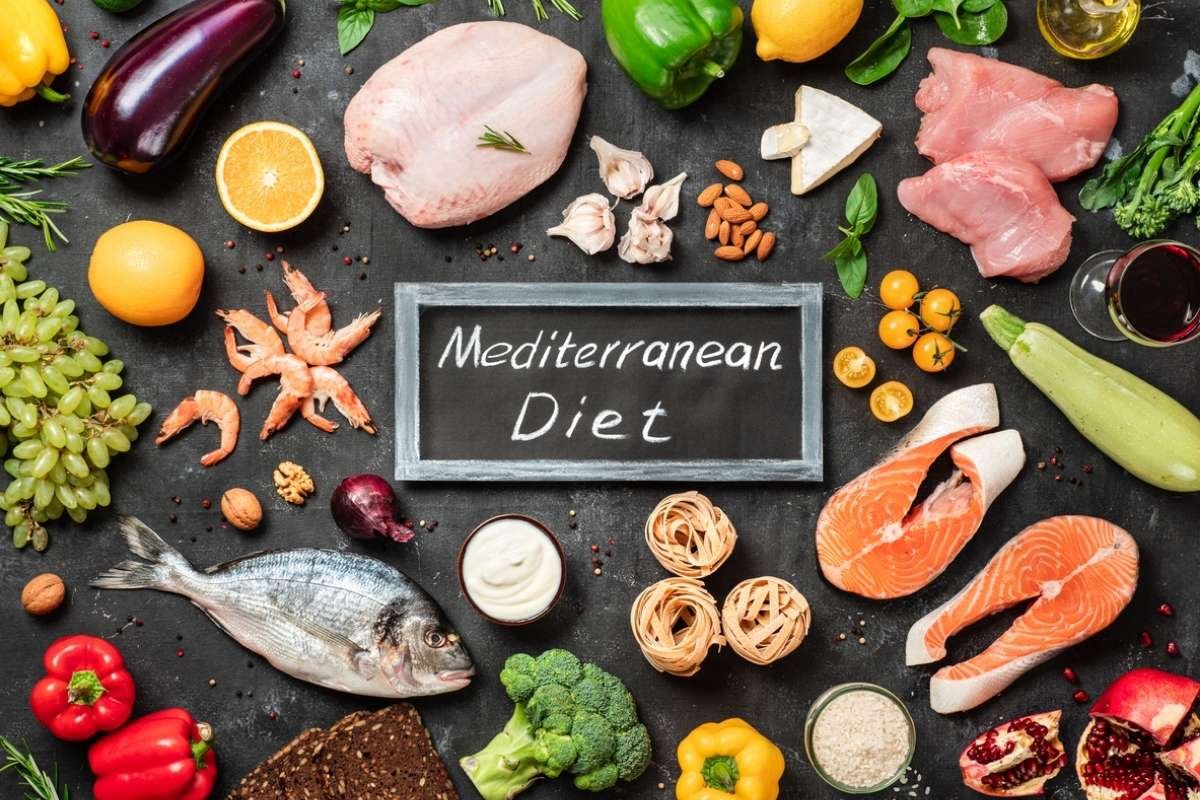
You may have seen the word “kosher” on food packages in grocery stores or heard someone mention that a certain meal is kosher. At first glance, it can seem like just another food label. But the idea behind kosher food goes much deeper and connects to centuries of tradition, culture, and religious practice.
So, what is kosher? In simple terms, kosher refers to foods that follow a set of dietary rules from Jewish law. These guidelines explain which foods can be eaten, how they should be prepared, and how different ingredients should be handled. For many people, keeping kosher is an important part of daily life and spiritual practice.
Understanding kosher can help you see how food, faith, and tradition come together in meaningful ways.
What Is Kosher? Definition and History
The word kosher comes from Hebrew. It means food that is fit or proper to eat under Jewish law. These rules come from the religious system called Judaism. They guide how food is chosen, prepared, and eaten.
The system of kosher rules is called Kashrut. It covers food types as well as how animals are slaughtered, how meat is cleaned, and how different foods are served. Many Jewish families follow these rules at home.
Kosher laws developed thousands of years ago in the ancient Middle East. Early Jewish communities used them to shape daily life and religious identity. Over time, the rules stayed central to Jewish culture and tradition. Today, many people around the world still follow kosher practices for religious, cultural, or personal reasons.
What Foods are Excluded in Kosher Meals?
Kosher food rules come from Kashrut, the system that guides diet in Judaism. These rules appear in the Torah and later teachings from Jewish scholars. The laws define which animals people may eat and which they must avoid. They also explain how food should be prepared and served. Foods that break these rules cannot be part of a kosher meal.
Poultry
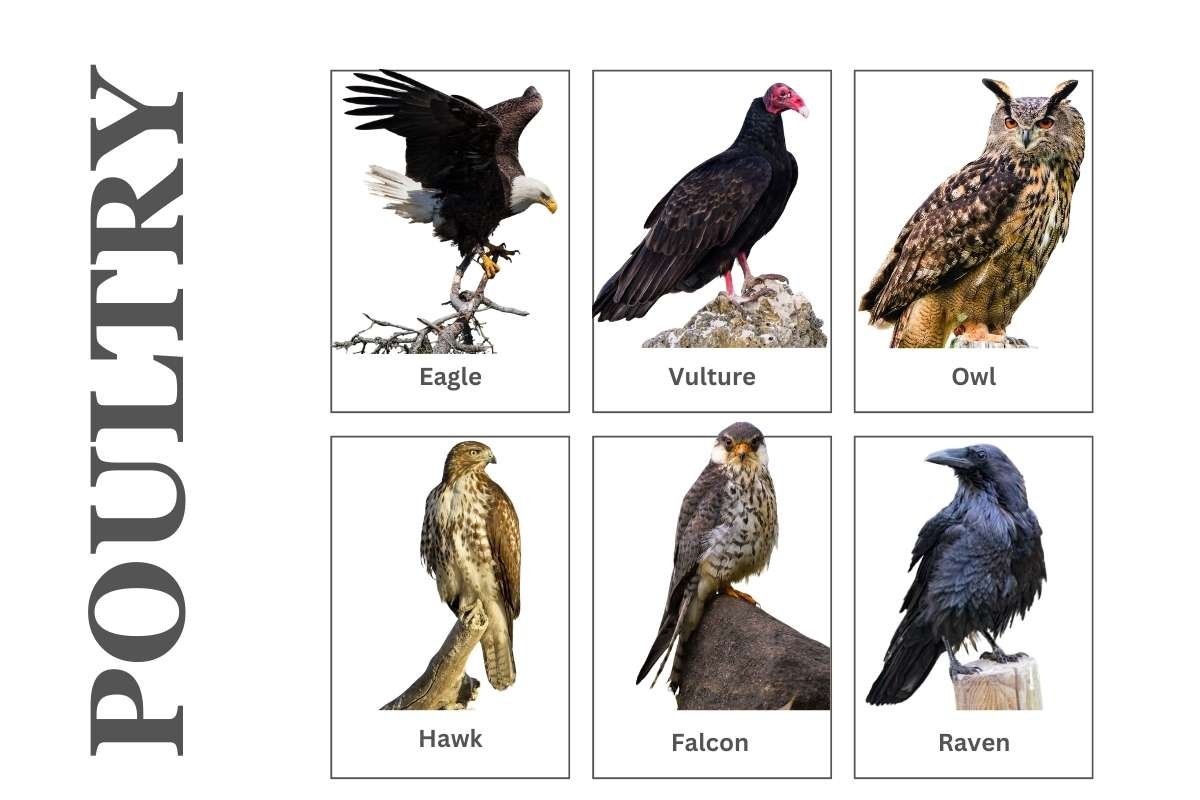
Kosher law does not allow certain birds. These restrictions help explain what is kosher when it comes to poultry choices. Most of them are birds that hunt other animals or feed on dead flesh. Jewish tradition avoids these birds because they are seen as predators or scavengers.
Examples of poultry excluded from kosher meals include:
- Eagle
- Vulture
- Owl
- Hawk
- Falcon
- Raven
Jewish tradition favors birds that people have raised as farm animals for many centuries. These birds eat grains and plants rather than other animals. Common kosher poultry includes Chicken, Turkey, Duck, and Goose.
Seafood
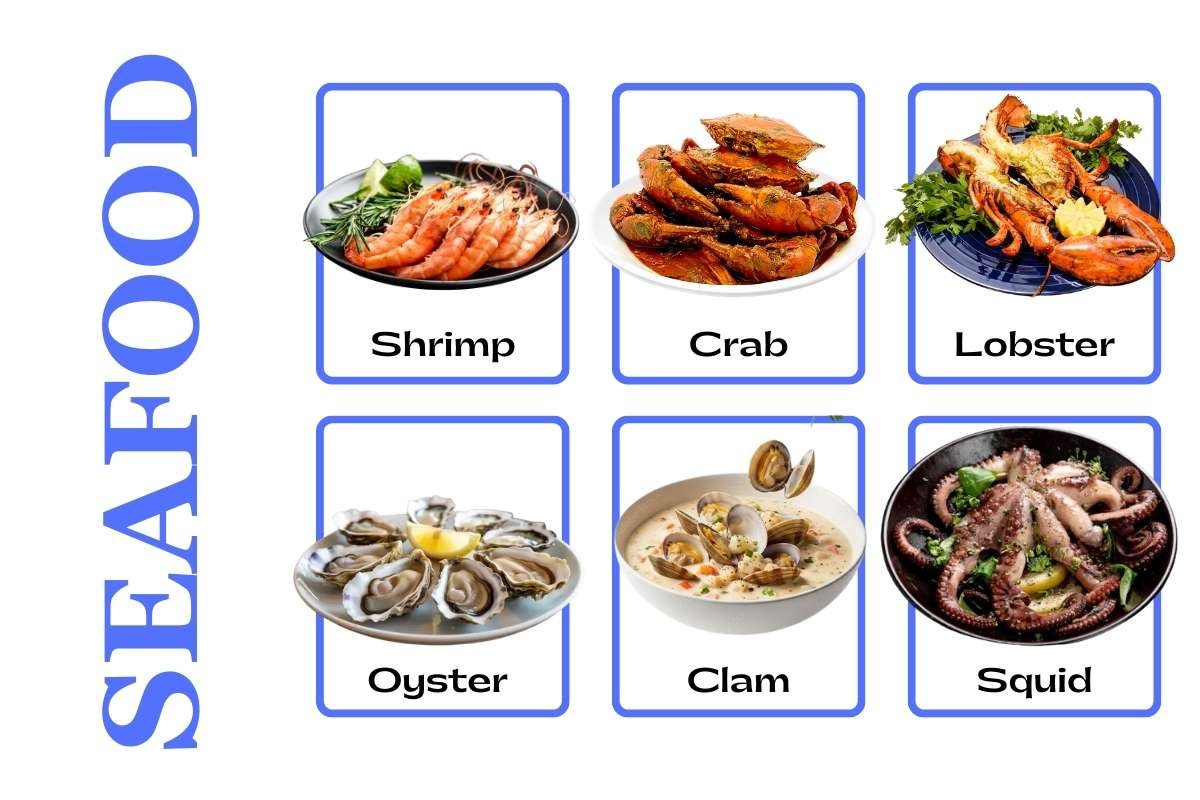
Kosher law uses a clear rule for sea animals. Fish must have both fins and scales. If an animal lacks either feature, people cannot eat it under kosher rules. This rule comes directly from the Torah.
Because of this rule, many common sea creatures are excluded. Shellfish do not have scales or fins, so they are not kosher.
Examples of seafood excluded from kosher meals include:
- Shrimp
- Crab
- Lobster
- Oyster
- Clam
- Squid
Many of these animals live on the sea floor and feed on waste or other sea creatures. Jewish dietary law avoids them and allows fish with scales instead. Fish such as Salmon, Tuna, and Cod usually meet kosher requirements.
Dairy Products

Kosher law also limits how dairy foods are eaten with other foods. Jewish tradition does not allow people to cook or eat meat with dairy in the same meal. This rule comes from a verse in the Torah that forbids cooking a young goat in its mother’s milk.
Over time, Jewish law expanded this rule to separate all meat and dairy products. Because of this, foods that mix meat and dairy together are not kosher.
Examples include:
- Cheeseburgers
- Meat pizza with cheese
- Cream sauces served with meat
- Butter is used in meat dishes
- Dairy soups with chicken or beef
Many kosher homes keep separate utensils, cookware, and dishes for dairy and meat. This helps avoid mixing the two food groups.
Vegetables
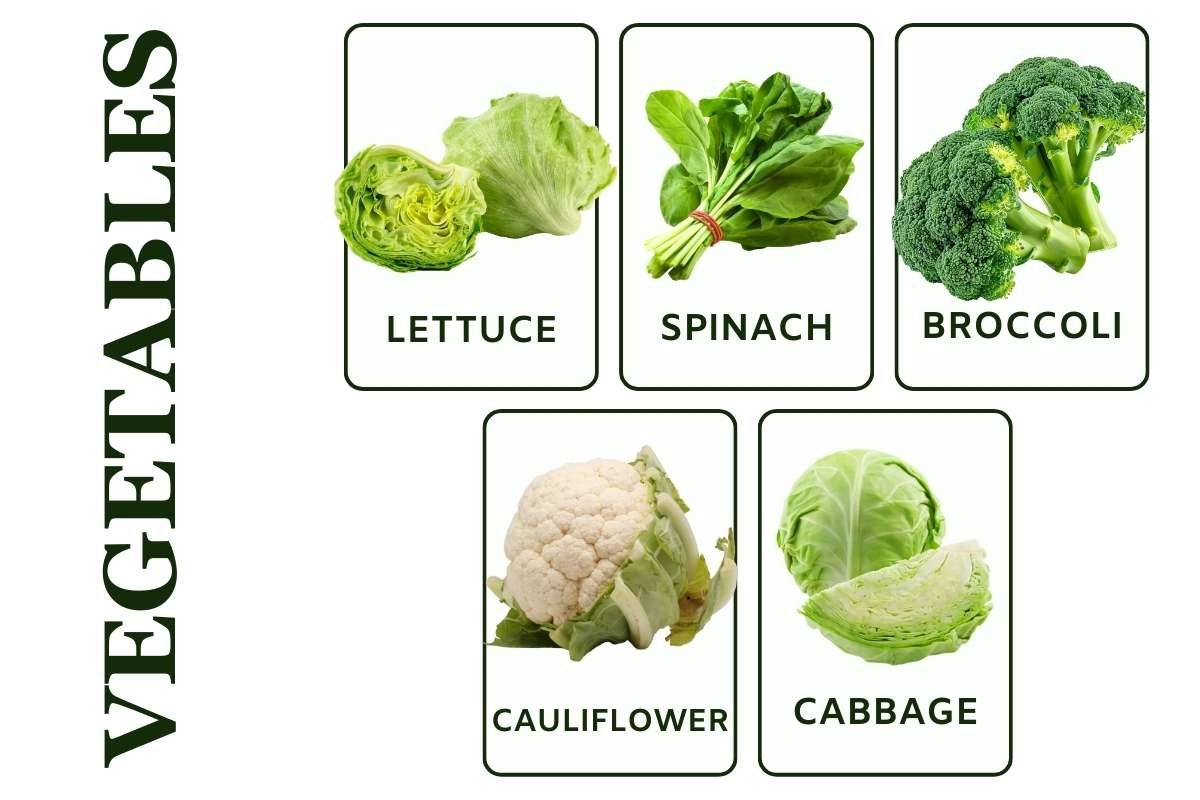
Most vegetables are naturally kosher. They come from plants and do not belong to the meat or dairy groups. However, kosher law does not allow people to eat insects.
However, knowing what is kosher also requires paying attention to insects that may hide in certain vegetables
Vegetables that require careful inspection include:
- Lettuce
- Spinach
- Broccoli
- Cauliflower
- Cabbage
People who follow kosher rules wash and check these vegetables closely. Proper cleaning removes insects and keeps the food suitable for kosher meals.
READ MORE:
- Bored with Processed Meals? Switch to the Raw Food Diet for Better Health
- Can Changing Your Diet Help You De-Stress? Here Are 20 Stress-Reducing Foods To Combat Anxiety
The Exclusion of Blood in Kosher Food
Kosher law strictly forbids the consumption of blood. This rule states that blood represents the life of an animal. Because of this belief, Jewish dietary law does not allow people to eat blood in any form. This rule is another important element of what is kosher in Jewish dietary law.
The rule forms a central part of Kashrut. Meat must go through a special slaughter process that removes as much blood as possible. A trained Jewish slaughterer performs this process using a sharp knife. The method causes a quick and clean cut that allows the blood to drain from the animal.
Even after slaughter, more steps follow. Kosher meat is soaked in water and then covered with salt. The salt draws out any remaining blood from the flesh. After this step, the meat is washed several times to remove the salt and blood.
Certain organs contain large amounts of blood. The liver is one example. Because of this, kosher kitchens must cook liver in a special way, often by broiling it so the blood drains out during cooking.
Jewish dietary law also guides what people may drink. Many drinks are naturally kosher because they come from plants or water. Others require special care during production.
Kosher Beverages: Guidelines and Rules
For anyone learning what is kosher, beverage production rules can be just as important as food preparation. Many drinks are naturally kosher because they come from plants or water. Others require special care during production.
Drinks That Are Allowed

Many common drinks fit kosher rules without much concern. Water, plant-based juices, and many simple beverages are usually allowed. They do not involve animal products or restricted ingredients.
Common drinks that are usually kosher include:
- Water
- Fruit juices such as Orange Juice and Apple Juice
- Coffee made from Coffee beans
- Tea made from Tea leaves
- Plant-based drinks such as Almond Milk
Many packaged drinks carry a kosher certification symbol. This mark shows that a rabbinical authority checked the ingredients and production process.
Drinks That May Not Be Kosher
Some drinks need closer supervision. This is another example of how detailed the rules behind what is kosher can be. Alcoholic drinks are one example. Jewish law places strict rules on how certain alcoholic beverages are produced.
Wine holds special religious meaning in Jewish rituals. Because of this, kosher wine must be produced and handled only by Jews who follow Judaism. If others handle the wine during production, it may not qualify as kosher.
Examples of drinks that may not be kosher include:
- Wine without kosher supervision, such as Wine
- Some flavored alcoholic drinks
- Drinks that contain non-kosher additives
- Beverages processed with animal-based ingredients
Even some fruit drinks can lose kosher status. This happens if companies add non-kosher flavoring, coloring, or stabilizing agents.
For this reason, many Jewish families check labels before buying drinks. Kosher certification helps them confirm that the beverage follows the Jewish diet.
What are some Common Kosher Dishes?
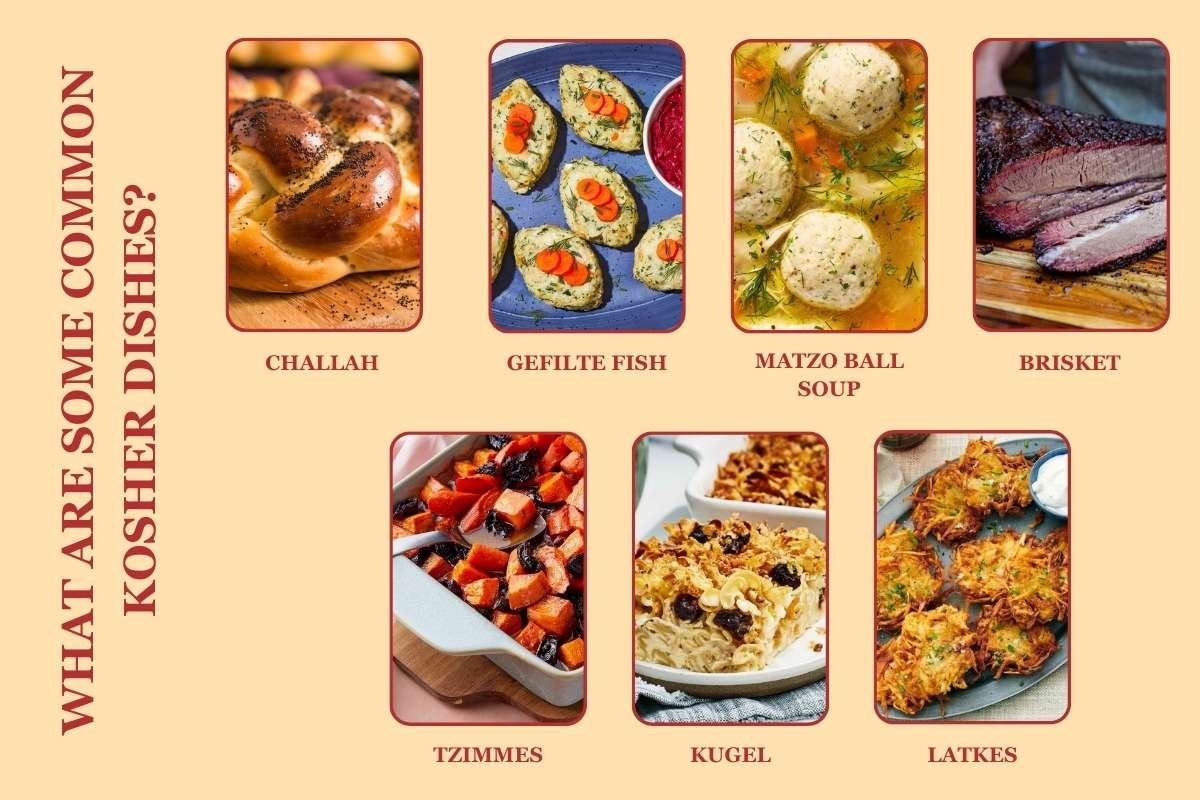
Kosher cuisine features many traditional dishes that follow Kashrut rules. These dishes often separate meat and dairy and avoid forbidden animals. They use ingredients that are naturally kosher or carefully prepared to meet dietary laws.
Some popular kosher dishes include:
- Challah – A braided bread eaten on Shabbat and holidays.
- Gefilte Fish – Ground fish patties served cold, often with horseradish.
- Matzo Ball Soup – Chicken soup with dumplings made from matzo meal.
- Brisket – Slow-cooked beef, usually served during holidays.
- Tzimmes – Sweet carrot and sweet potato stew, often with dried fruit.
- Kugel – Baked pudding or casserole, made with noodles or potatoes.
- Latkes – Potato pancakes served during Hanukkah.
Kosher cooking often balances flavors and textures. Meat dishes are paired with vegetables, grains, or legumes. Dairy dishes focus on cheese, milk, or plant-based alternatives. Many dishes also reflect cultural traditions from Eastern Europe, the Middle East, and Mediterranean regions. These meals also show how the principles of what is kosher influence everyday cooking traditions.
Kosher meals highlight simplicity and care in preparation. Ingredients are chosen to respect Kashrut. while still creating flavorful, wholesome dishes enjoyed by Jewish families worldwide.
| Meal | Dish/Drink Example | Notes on Kosher Rules Applied |
| Breakfast | Challah with honey, Almond Milk, fruit | Bread is kosher, and dairy is separate from any meat |
| Mid-Morning Snack | Fresh fruit, Apple Juice | Fruits are naturally kosher, juice with certification if packaged |
| Lunch | Matzo Ball Soup, roasted vegetables | Meat soup with vegetables, no dairy used |
| Snack | Nuts or Tea | Plant-based snacks and drinks are kosher |
| Dinner | Brisket, Tzimmes, Potato Kugel, water | Meat dishes are cooked separately from any dairy products |
| Dessert | Fruit salad, kosher Chocolate | Desserts made without mixing meat and dairy |
READ MORE:
- Eat Your Way to Wellness: 12 Everyday Foods Rich in Vitamins
- The Anti-Burnout Kitchen: 12 Foods That Reduce Cortisol Overload
Conclusion:
Understanding kosher is knowing that it represents centuries of tradition, specific dietary rules, and a meaningful connection between faith and daily meals. Following kosher guidelines ensures that food is prepared, handled, and consumed according to Jewish law, creating a sense of ritual, care, and cultural significance.
Whether you observe these practices yourself or are simply curious, knowing what is kosher helps you appreciate the discipline and thought that go into every meal, and how it influences food culture worldwide.
FAQs
1. What is kosher food?
Kosher food is food that follows Jewish dietary laws, specifying which foods can be eaten and how they must be prepared and handled.
2. What animals are considered kosher?
Only certain land animals (like cows, sheep, and goats) that chew cud and have cloven hooves, and fish with fins and scales, are considered kosher.
3. Why is it important to know what is kosher?
Knowing kosher helps people follow religious practices, understand cultural traditions, and make informed choices about their diet.