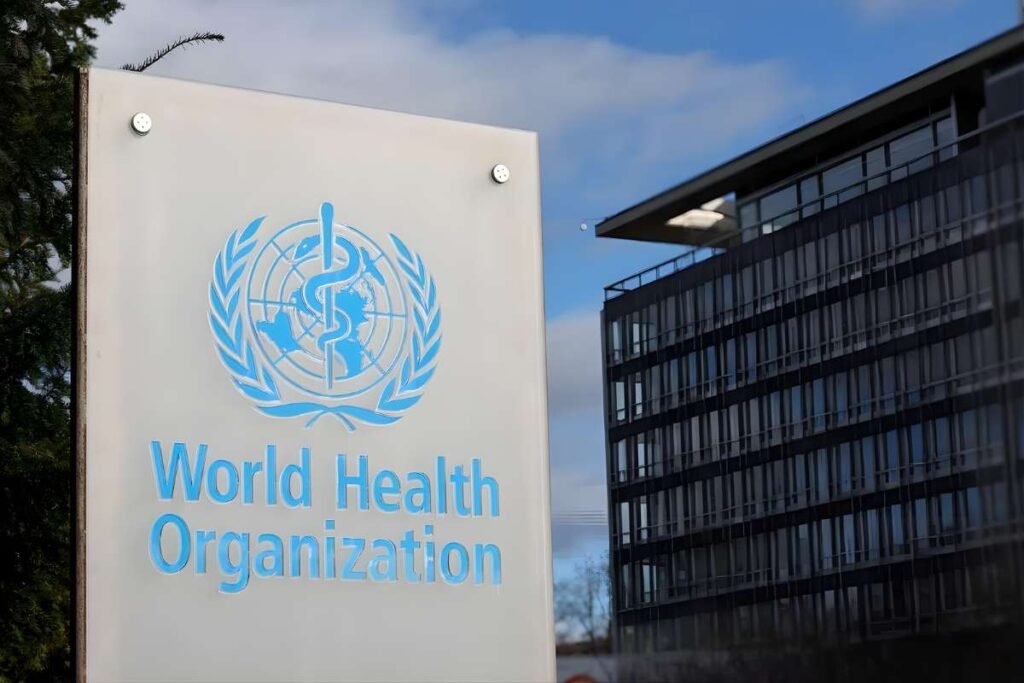
The World Health Organization called on countries to expand access to infertility services on Nov. 28, saying treatment should be an essential part of national health systems under its first WHO infertility care guideline on the issue.
Infertility affects more than one in six people of reproductive age, the agency said. Yet access to diagnosis and treatment varies widely across regions, leaving many individuals without affordable options. The WHO infertility care guideline aims to give governments a framework to provide safer, fairer, and more accessible care.
Access gaps across countries
The WHO said many people pay for infertility treatment out of pocket, often at high cost. In some countries, one round of in vitro fertilisation can cost twice the average annual household income. The agency warned that these expenses can force individuals to choose between pursuing parenthood and maintaining financial stability.
“Infertility is one of the most overlooked public health challenges of our time and a major equity issue globally,” Dr. Tedros Adhanom Ghebreyesus, WHO director-general, said. Millions face the condition without support, he said, and some turn to cheaper but unproven treatment options when they cannot afford recognised medical care.
Focus on comprehensive care
The WHO infertility care guideline defines infertility as the inability to achieve a pregnancy after 12 months or more of regular unprotected sexual intercourse. It outlines 40 recommendations covering male, female, and unexplained infertility.
The WHO said fertility care is not limited to IVF. Primary healthcare providers can offer several forms of support, including counselling on lifestyle factors such as stopping smoking and maintaining a healthy weight. The agency said these steps can improve outcomes and reduce the need for more intensive treatment.
Education and social support
The WHO also highlighted the need for better public education on fertility, including the impact of age. It said awareness can help individuals make informed decisions earlier and reduce preventable risks.
The WHO infertility care guideline calls for broader support for people facing the stress and stigma often linked to infertility. The agency said improved communication and community awareness can reduce social pressure while ensuring individuals receive accurate information about treatment options.
The WHO plans to work with governments to implement the recommendations and monitor progress. The agency said it expects the new guidance to help countries strengthen services and reduce inequities in care.
Source: https://www.who.int/news/item/28-11-2025-who-issues-first-global-guideline-on-infertility
Also Read : Relationship between Inflammation and Fertility: Strategies for Enhancing Reproductive Health