Key takeaway:
- The FDA has issued one of the largest eye drops recalls, pulling more than 2.5 million bottles of Lupin’s prescription prednisolone acetate due to potential foreign material contamination.
- The recall is classified as Class II, meaning the products may cause temporary or medically reversible health effects.
- Patients with affected eye drops should check the lot details and contact their health care provider before taking further action.
The U.S. Food and Drug Administration has announced one of the largest eye drops recalls, pulling more than 2.5 million bottles of Lupin Limited’s prescription prednisolone acetate nationwide. The recall follows the discovery of potential foreign material that could pose temporary or medically reversible health risks.
FDA classifies recall as class II
The FDA has issued a Class II recall for 2,530,182 bottles of prednisolone acetate ophthalmic suspension manufactured by Lupin Limited, an Indiana-based pharmaceutical company. The recall covers products distributed across the United States.
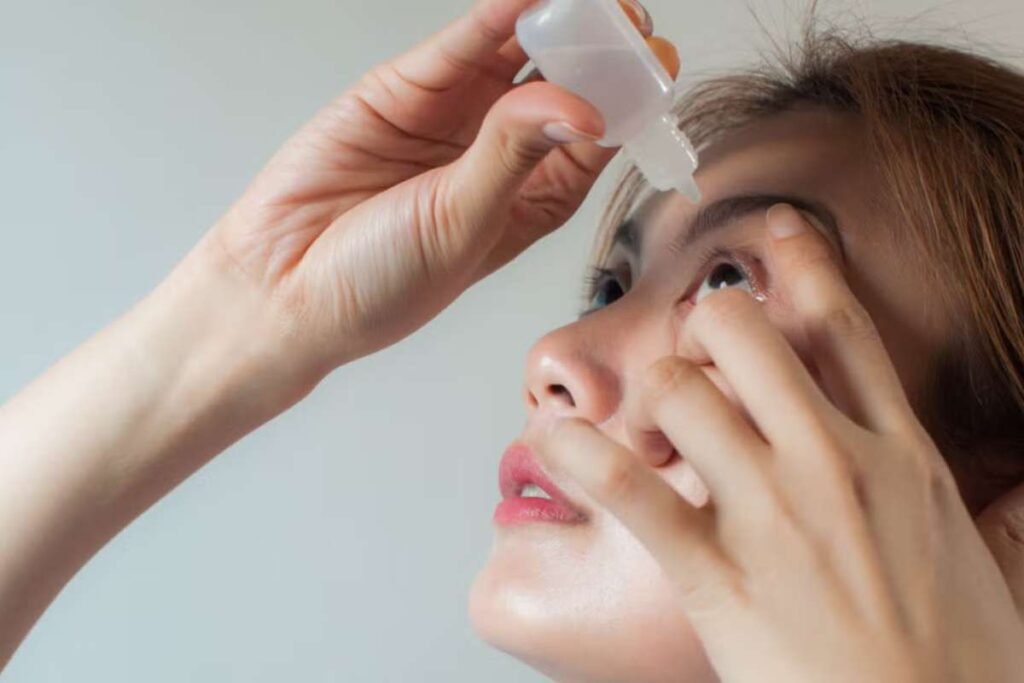
According to the FDA, the affected prescription medication is commonly used to treat eye inflammation, swelling, redness and itching caused by inflammatory or allergic eye conditions. The agency said the recall was initiated because of the potential presence of foreign material in the product.
A Class II recall indicates that use of the affected product may cause temporary or medically reversible adverse health consequences, or that the likelihood of serious harm is remote, the FDA said.
Recall covers three bottle sizes
As part of the recent eye drops recalls, the affected products were distributed in three bottle sizes: five mL, 10 mL, and 15 mL.
The affected products carry the following National Drug Codes:
- Five mL bottles: NDC 70748-332-02
- 10 mL bottles: NDC 70748-332-03
- 15 mL bottles: NDC 70748-332-04
The FDA has published the complete list of affected lot numbers and expiration dates for each bottle size. The agency did not identify the type of foreign material that prompted the recall.
Lupin Limited has not publicly disclosed additional details about the contamination beyond the information provided in the recall notice.
Patients should contact health care providers
The FDA advises patients affected by recent eye drops recalls to carefully check the product’s bottle size, National Drug Code, lot number, and expiration date against the official recall notice.
People whose medication is included in the recall should contact their health care provider to discuss appropriate treatment options and whether a replacement prescription is needed. Patients should not stop using a prescribed medication without medical guidance.
The FDA continues to monitor the recall and provides updated information through its recall database. Consumers and health care professionals are encouraged to report any adverse events associated with the recalled products through the agency’s safety reporting system.
Visit Healthcare 360 Magazine For The Most Recent Information.