Diabetes often starts quietly, with symptoms like increased thirst, frequent urination, fatigue, and unexplained weight loss. This guide covers the early signs of diabetes in men, women, and children, and which symptoms mean you need emergency care. You’ll also get a quick self-check list to help you decide when it’s time to get tested, so you can catch problems early and protect your long-term health.
Diabetes rarely announces itself loudly. It tends to creep in through small changes.
These might include a little more thirst than usual or a bathroom trip that interrupts sleep. Recognizing the early signs of diabetes matters because the sooner blood sugar problems are caught, the easier they are to manage. This way, they do less damage to your heart, kidneys, eyes, and nerves over time.
About 1 in 4 adults in the US with diabetes doesn’t even know they have it. This guide walks through what early diabetes symptoms look like in adults and children, what’s different about gestational diabetes, and which warning signs mean you need emergency care, not just a doctor’s appointment.
What are the early signs of type 1 and type 2 diabetes?
Diabetes happens when your blood sugar, or glucose, stays too high because your body either doesn’t make enough insulin or can’t use it properly. Insulin is the hormone that lets glucose move from your blood into your cells, where it’s used for energy. When insulin is missing or ineffective, sugar builds up in the bloodstream, and that excess sugar triggers most of the symptoms below.
What are the common early signs of diabetes?

Type 1 and type 2 diabetes share a core set of symptoms because they both involve high blood sugar. These include frequent urination, increased thirst and hunger, unexplained weight loss, fatigue, irritability, and blurry vision. Many people also notice they’re getting urinary tract infections or yeast infections more often than before.
Here’s a quick reference table for the most common signs:
| Symptom | Why it happens |
| Frequent urination | Kidneys try to flush out excess sugar |
| Increased thirst | The body loses fluid through frequent urination |
| Increased hunger | Cells aren’t getting enough glucose for energy |
| Fatigue | Cells are starved of usable energy |
| Blurry vision | High sugar pulls fluid from the eye lenses |
| Slow-healing cuts or sores | High blood sugar impairs circulation and healing |
Which early signs of diabetes are easy to miss?
Some symptoms are subtle enough that people brush them off as stress, aging, or a busy schedule. Watch for:
- Tingling or numbness in the hands or feet
- Dark, velvety patches of skin on the neck, armpits, or groin (a sign of insulin resistance called acanthosis nigricans)
- Cuts or bruises that take noticeably longer to heal than they used to
- Persistent, low-grade fatigue that doesn’t improve with rest
- Mood changes or irritability that seem disconnected from what’s going on in your life
In the early stages, there may be no symptoms at all, which is part of why routine blood sugar screening matters even when you feel fine. According to the American Diabetes Association’s 2026 Standards of Care, routine screening using a fasting glucose or A1C test can catch diabetes in people who have no symptoms at all.
How are type 1 and type 2 symptoms different?
The symptoms overlap, but the timeline doesn’t. People with type 1 diabetes often have no early signs of diabetes in the beginning. But then symptoms appear suddenly over just a few weeks or months and can be severe. Type 1 is an autoimmune condition where the body stops producing insulin almost entirely, so the body’s fuel supply runs out fast.
Type 2 diabetes works on a slower clock. Type 2 symptoms often take several years to develop, and some people go a long time without realizing anything is wrong. Type 2 also tends to bring a few extra clues that type 1 doesn’t: slow-healing wounds, dark patches of skin around the neck or armpits, and numbness or tingling in the hands or feet.
When do diabetes symptoms become a medical emergency?
This is the part that can’t wait for a routine appointment. When insulin runs critically low, the body starts breaking down fat for fuel instead of sugar, producing acids called ketones. This condition is diabetic ketoacidosis, or DKA. It’s most common in type 1 diabetes but can also happen in type 2. DKA is a medical emergency, and it usually develops over 24 hours or less.
Go to the emergency room immediately if you or someone you’re with has these early signs of diabetes:
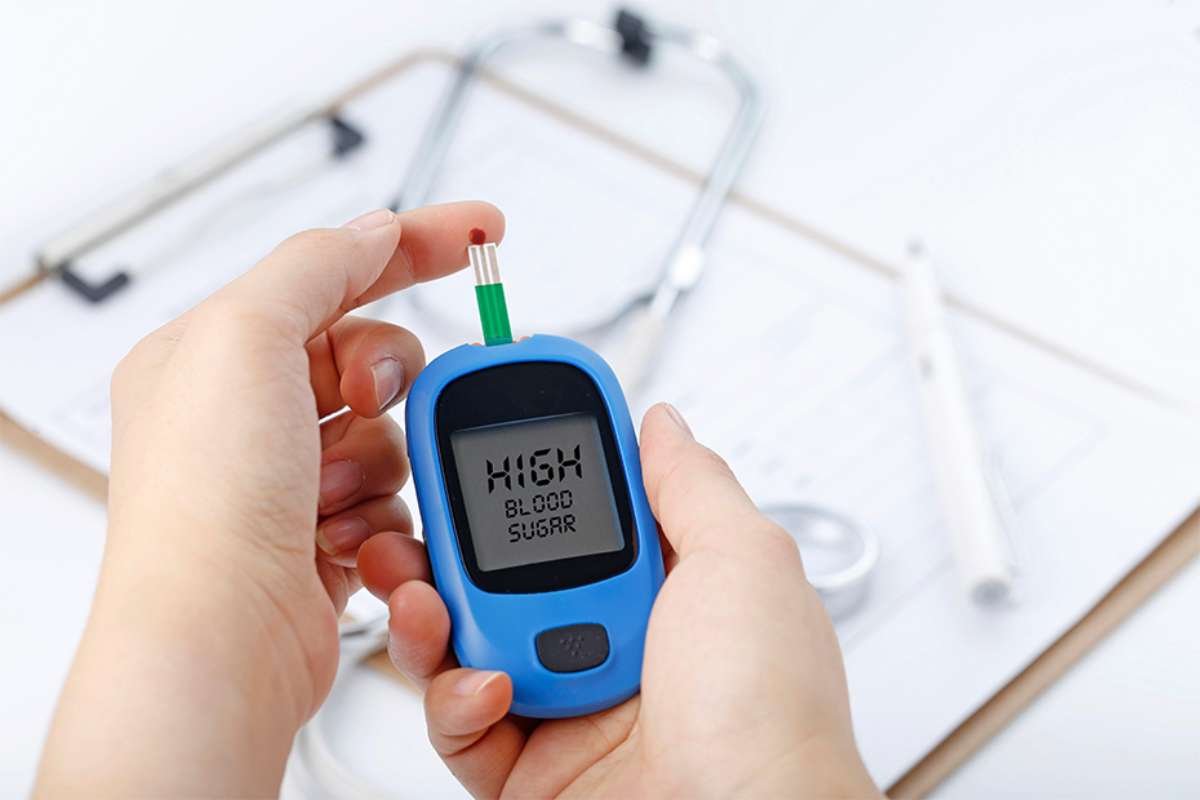
- Blood sugar that stays at 300 mg/dL or higher
- Fruity-smelling breath
- Vomiting that won’t stop, or inability to keep fluids down
- Trouble breathing, or fast, deep breathing
- Severe belly pain
- Confusion, extreme drowsiness, or trouble staying awake
Go to the emergency room even if you’ve never been diagnosed with diabetes before. Diabetic ketoacidosis can be your first warning sign that you have diabetes at all, so don’t assume it can’t be DKA just because you haven’t been diagnosed yet.
READ MORE:
- Understanding Diabetic Foot Pain Symptoms: A Comprehensive Guide
- Diabetic Eye Disease: Symptoms, Treatments & How to Protect Your Vision?
Early signs of diabetes in men vs women vs children
Diabetes shows up a little differently depending on who you’re looking at. The core symptoms overlap across men, women, and children, but each group also has its own subtle clues that are easy to miss if you don’t know what to look for. Here’s a closer look at the early signs by group, along with the warning signs that mean it’s time to get checked right away.
How do early signs of diabetes show up in men?
Men tend to have the same core symptoms as everyone else, but a couple of patterns show up more often. Untreated diabetes can lead to noticeable muscle loss in men, along with reduced sex drive or erectile dysfunction caused by nerve and blood vessel damage. Recurrent yeast infections around the genitals (balanitis) are another sign worth mentioning to a doctor.
How do early signs of diabetes show up in women?
Women with high blood sugar are more prone to vaginal yeast infections and urinary tract infections than men with the same condition. Hormonal shifts during perimenopause can also mask or mimic diabetes symptoms, like fatigue and mood swings, which makes it easy to dismiss them as “just hormones.” If you’re noticing more yeast infections than usual alongside increased thirst or urination, it’s worth getting your blood sugar checked.
Also, gestational diabetes develops during pregnancy and is often silent. Most women have no obvious symptoms at all, and it’s usually caught through a routine screening test rather than by how they feel. When symptoms do show up, they’re the familiar ones: frequent urination and excessive thirst.
How do early signs of diabetes show up in children?
Type 1 diabetes is most often diagnosed in childhood, and in kids, the warning signs can move fast. Unexplained bed-wetting or an increase in bathroom accidents in a previously dry child can be an early sign of type 1 diabetes. Parents should also watch for sudden weight loss, extreme thirst, fatigue, and irritability.
Flu-like symptoms can occur when undiagnosed diabetes causes ketones to build up in a child’s bloodstream, and this can progress to DKA quickly. If your child has known or suspected diabetes and develops vomiting, rapid breathing, or unusual drowsiness, treat it as an emergency and seek care right away rather than waiting it out.
A quick self-assessment checklist
This isn’t a diagnostic tool, but it can help you decide whether it’s time to book a blood sugar test. Check off anything that applies to you over the past few weeks:
- I’m urinating more often than usual, including waking up at night to pee
- I feel thirsty even after drinking water
- I’m hungrier than normal, even after eating
- I’ve lost weight without trying
- I feel tired most of the day, even with enough sleep
- My vision has been blurry on and off
- Cuts or bruises are healing more slowly than before
- I have tingling, numbness, or pain in my hands or feet
- I’ve noticed dark patches of skin on my neck or underarms
- I’m getting more yeast infections or UTIs than usual
If you checked three or more boxes, it’s a reasonable signal to ask your doctor for a fasting blood sugar test or an A1C test. Checking even one or two boxes of these early signs of diabetes alongside a family history of diabetes is also worth mentioning at your next checkup.
What Happens If You Ignore These Signs?

Diabetes doesn’t stay contained to blood sugar numbers. Left unmanaged over months and years, long-term complications from high blood sugar include heart disease, strokes, diabetic retinopathy that can lead to blindness, kidney failure, and poor blood flow in the limbs that may eventually require amputation.
Nerve damage, called neuropathy, often starts with tingling in the feet and can progress to numbness so severe that injuries go unnoticed and become infected. Kidney damage builds quietly for years before symptoms show up, which is part of why catching the early signs matters more than waiting for things to feel urgent. The earlier blood sugar is brought under control, the more of this damage can be slowed or avoided entirely.
Final thoughts
The early signs of diabetes are often easy to explain away: more tired than usual, drinking more water because of the weather, a cut that’s just being stubborn. But patterns matter more than single symptoms.
If you’re noticing two or three of these changes together, especially thirst, urination, fatigue, and unexplained weight loss, it’s worth a simple blood test rather than months of wondering. And if fruity breath, persistent vomiting, or confusion show up alongside known or suspected diabetes, that’s not a “wait and see” situation. That’s an emergency room visit.
FAQs
1. What are the first warning signs of diabetes?
The earliest common signs are frequent urination, increased thirst, unexplained fatigue, and hunger that doesn’t go away after eating.
2. What are the warning signs of pre-diabetes?
Prediabetes typically doesn’t cause noticeable symptoms, though some people develop dark, velvety patches of skin on the neck, armpits, or groin from insulin resistance.
3. Can you have diabetes without any symptoms?
Yes, especially with type 2 diabetes, which can develop quietly over several years before any symptoms appear. This is why routine screening is recommended for anyone with risk factors.
4. Is excessive thirst always a sign of diabetes?
Not necessarily. Extreme thirst is a common early symptom of both type 1 and type 2 diabetes, but dehydration, certain medications, or other health conditions can also cause it.
5. How quickly can diabetic ketoacidosis develop?
DKA can develop within 24 hours, and faster if vomiting is involved, which is why it’s treated as a medical emergency rather than something to monitor at home.
References:
- https://www.cdc.gov/diabetes/about/index.html
- https://www.mayoclinic.org/diseases-conditions/diabetic-ketoacidosis/symptoms-causes/syc-20371551
This article is for general information only and isn’t a substitute for medical advice. If you’re concerned about symptoms you’re experiencing, talk to a healthcare provider.