Key Takeaway:
- Daraxonrasib pancreatic cancer treatment nearly doubled median survival to 13.2 months versus 6.7 months with chemotherapy in a phase 3 trial.
- FDA expanded access allows some eligible patients with previously treated metastatic pancreatic cancer to receive the drug before full approval.
- The drug targets KRAS mutations, offering a promising new option, but it is not yet a cure or fully FDA-approved.
An experimental pancreatic cancer pill, daraxonrasib, is available to eligible patients through an FDA expanded-access program after a 500-patient trial found it nearly doubled median survival compared with chemotherapy.
Trial Shows Longer Survival With Daraxonrasib
In the phase 3 RASolute 302 trial, patients with previously treated metastatic pancreatic ductal adenocarcinoma who received daraxonrasib lived a median of 13.2 months, compared with 6.7 months for those receiving chemotherapy. The results provide encouraging evidence for daraxonrasib pancreatic cancer treatment and were published May 31 in the New England Journal of Medicine.
The trial included 500 patients, with 248 receiving daraxonrasib and 252 receiving chemotherapy. In the primary group of patients with RAS G12 mutations, median overall survival was 13.2 months with daraxonrasib versus 6.6 months with chemotherapy.
The results were presented at the American Society of Clinical Oncology meeting in Chicago, where the findings drew strong attention from cancer specialists. Dr. Matthew Reilley of the University of Virginia called the treatment a “game-changer for patients” and said it represents a new therapy in an area that urgently needs more options.
FDA Opens Path For Earlier Patient Access
The Food and Drug Administration on May 1 authorized Revolution Medicines to begin an expanded-access treatment protocol for patients with previously treated metastatic pancreatic cancer. The program allows eligible patients to receive the investigational drug before full FDA approval.
Patients must meet eligibility requirements and have a physician submit an expanded-access request. The FDA said the program is intended for patients with serious or life-threatening conditions who lack satisfactory treatment alternatives.
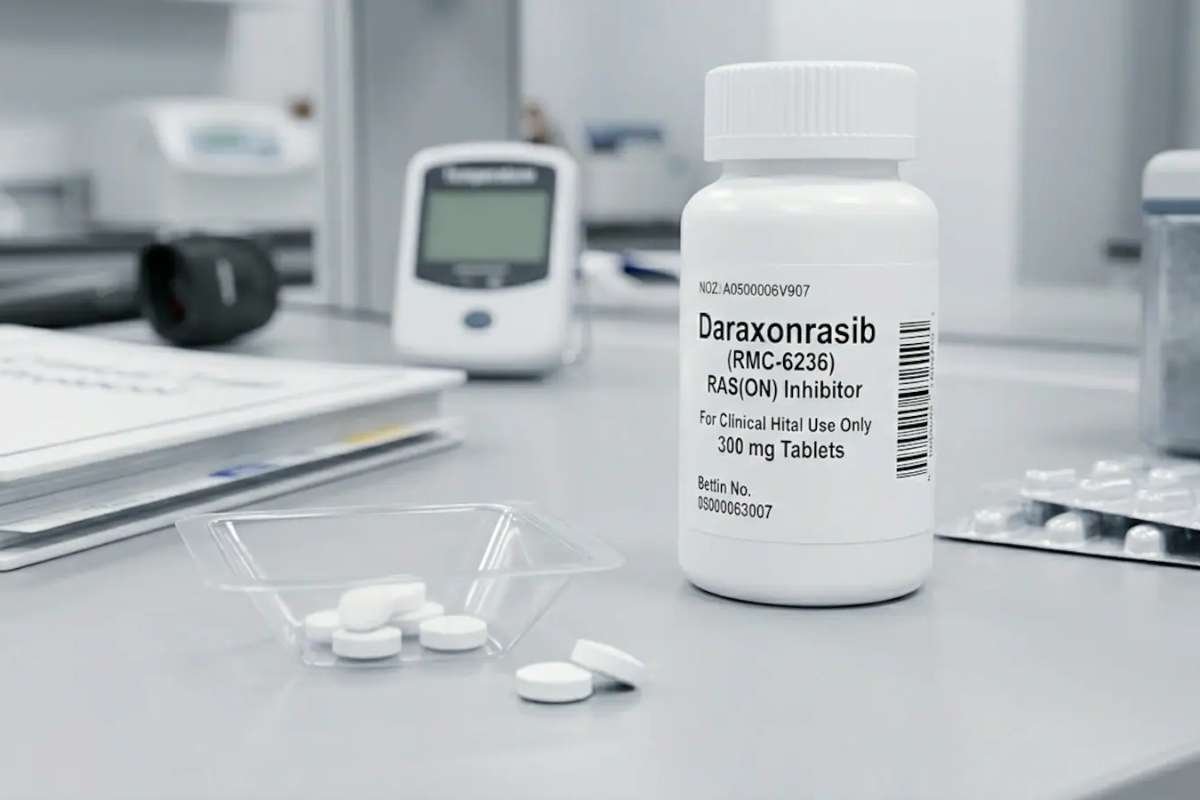
Daraxonrasib is a once-daily oral drug designed to inhibit abnormal RAS signaling, which drives cancer-cell growth. RAS mutations occur in more than 90% of pancreatic cancers, making the pathway an important target for new treatments.
The drug is being studied in patients whose metastatic disease has progressed after earlier treatment. The trial did not establish daraxonrasib as an initial treatment for pancreatic cancer.
Treatment Offers Hope But Is Not A Cure
The survival improvement does not mean daraxonrasib cures pancreatic cancer. While daraxonrasib pancreatic cancer results are promising, the drug can cause side effects, and researchers continue to evaluate its safety and effectiveness as regulatory review proceeds.
Pancreatic cancer remains difficult to treat because it is often detected after it has spread. The American Cancer Society estimates that about 67,000 people in the United States will be diagnosed with pancreatic cancer in 2026, while more than 52,000 are expected to die from it.
Dr. Christopher Lieu of the University of Colorado Anschutz Medical Campus said the drug’s accelerated review could help address an urgent need but stressed the importance of continued monitoring for toxicity. He said the preliminary evidence suggests daraxonrasib “could be a game changer.”
The FDA has not yet granted full approval for daraxonrasib. Until then, expanded access provides a limited route for eligible patients to receive the experimental treatment while regulators assess the evidence surrounding daraxonrasib pancreatic cancer treatment.
Visit Healthcare 360 Magazine to read more.