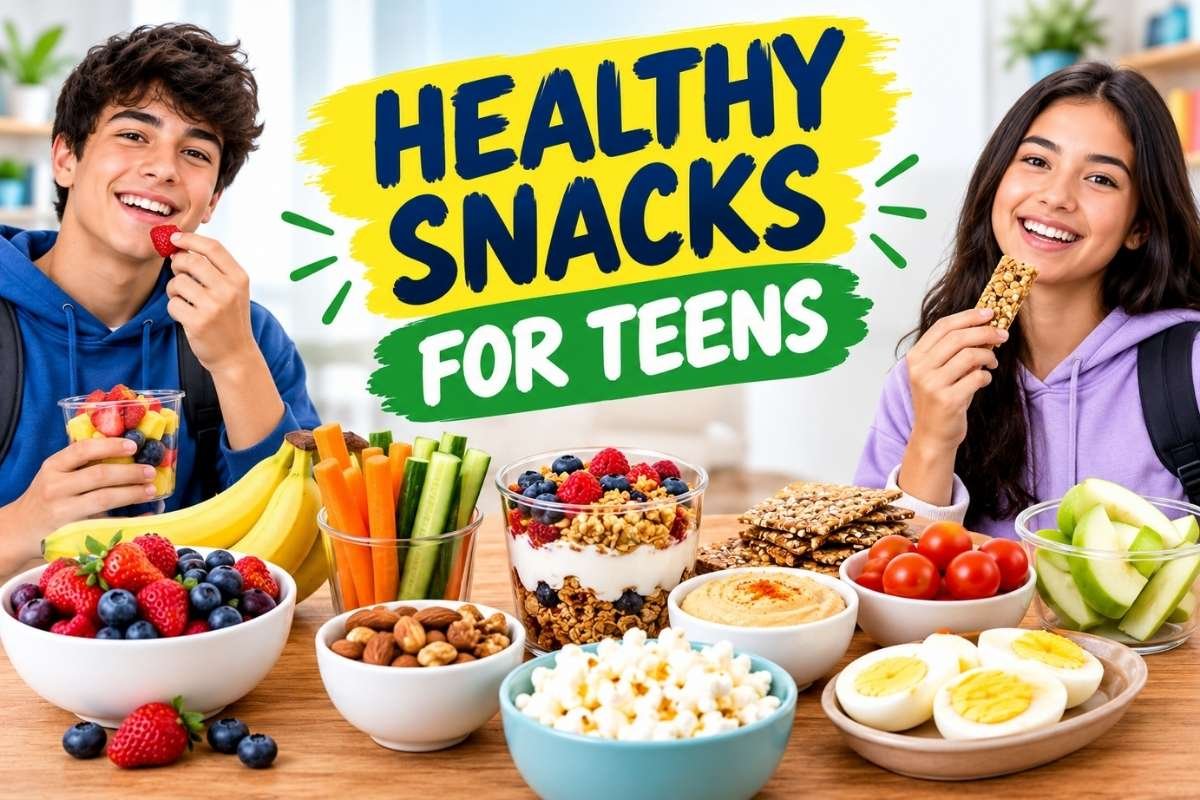
Looking for healthy snacks for teens, like Greek yogurt with berries, an apple with peanut butter, or roasted chana, that are filling, easy to prepare, and actually appealing? Teens can get roughly 25% of their daily calories from snacks, making the nutritional quality of those choices worth considering. With packed schedules and growing bodies, they need more than an apple to bridge meals. The goal isn’t swapping chips for fruit; it’s pairing protein, fiber, and healthy fats for lasting energy and fullness.
This guide shows you how to choose and combine snacks, not just scroll through another long list.
Healthy Snacks for Teens: What Makes a Snack Balanced?
A balanced teen snack combines protein, fiber-rich carbohydrates, healthy fats, and fruits or vegetables to stabilize energy, support growth, and keep hunger in check. Instead of relying on a single food, healthy snacks for teens work best when you pair at least two complementary items from different groups.
What makes a snack balanced?
- Protein: eggs, Greek yogurt, paneer, milk, hummus, roasted chana, nuts, seeds
- Fiber-rich carbohydrates: fruit, oats, whole‑grain bread or crackers, poha, other whole grains
- Healthy fats: nuts, seeds, nut/seed butters, avocado
- Fruits and vegetables: add variety, fiber, vitamins, and minerals
Simple formula to use every time
Pair at least two complementary foods instead of one food alone. This combination can slow digestion, support steadier energy, and help teens feel full between meals.
| Instead of | Try |
| Plain fruit | Fruit + nut/seed butter |
| Crackers alone | Whole‑grain crackers + hummus |
| Yogurt alone | Yogurt + fruit + seeds |
| Toast alone | Whole‑grain toast + egg |
| Makhana alone | Makhana + yogurt or fruit |
Using this pattern turns common snacks into more satisfying, nutrient‑dense options without extra planning.
20 Healthy Snack Ideas Teens Can Actually Reach For
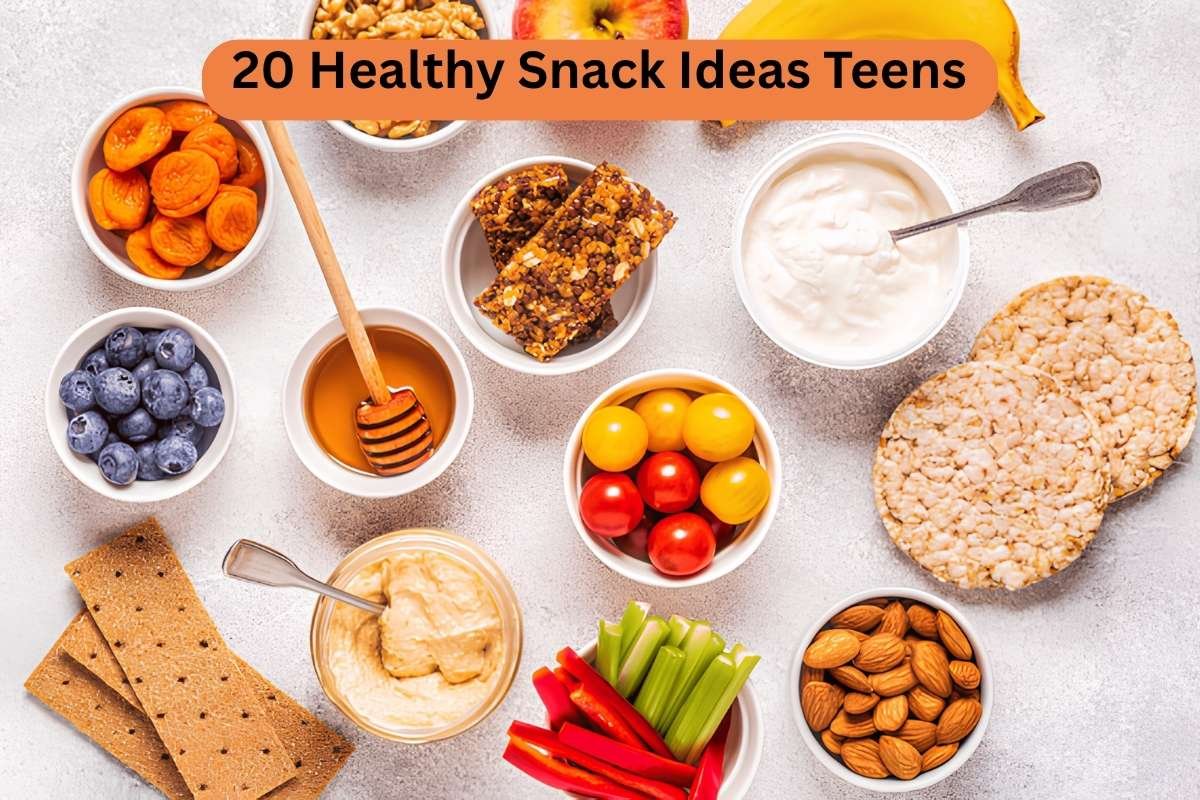
These 20 options are chosen for real teen routines: school, sports, study sessions, and late evenings. To make choosing easier, these healthy snacks for teens are grouped by purpose, so you can quickly find what fits the moment.
Filling + Protein Rich
- Greek yogurt + berries + seeds – Combines protein, fiber, and healthy fats for a more filling snack.
- Boiled egg + whole grain toast: Complete protein with complex carbs to keep hunger away longer.
- Roasted chana + fruit: Plant protein and fiber with natural sweetness for lasting fullness.
- Cottage cheese + cucumber and tomato: Protein paired with fresh vegetables for a savory, filling bite.
- Edamame with sea salt: Plant protein and fiber in a snack that is fun to eat.
Quick + Portable
- Apple + peanut/seed butter: Fiber from fruit and healthy fats from butter for balanced blood sugar.
- Homemade trail mix: Nuts, seeds, and dried fruit deliver protein, fiber, and healthy fats in one handful.
- Whole grain wrap with hummus/paneer: Easy to carry, with protein and complex carbs for sustained focus.
- Whole grain crackers + cheese slices: Calcium and protein with fiber-rich carbs, with no prep needed.
- Peanut butter banana sandwich: Potassium, healthy fats, and complex carbs in a school-bag-friendly format.
Indian Friendly
- Moong chilla + paneer: Lentil protein, fiber, and calcium in a familiar, savory snack.
- Idli + sambar – Soft fermented rice-and-lentil cakes paired with a lentil- and vegetable-based stew.
- Vegetable poha – Flattened rice cooked with vegetables and seasonings for a quick, filling snack.
- Besan chilla with mint chutney: Chickpea flour adds protein and fiber, and it cooks in minutes.
- Makhana (fox nuts) + yogurt or fruit: Light and crunchy, and the pairing adds protein for staying power.
Something Sweet
- Banana + yogurt + cocoa/chia – Combines carbohydrates, protein, and fiber with natural sweetness.
- Oats energy bites (oats, dates, nut butter): No-bake bites with fiber and healthy fats that store well in a container.
- Fruit smoothie with milk and oats: Protein, calcium, and fiber blended into a drink that is easy to take on the go.
- Dates stuffed with almond butter: Natural sugars paired with fat and protein, so the energy lasts longer.
- Overnight oats with chia and berries: Prepped the night before, with fiber, protein, and omega-3s ready for a rushed morning.
Choose a Snack Based on Hunger, Activity, and Time
Snack size should match hunger, activity, and when the next meal is coming, not a fixed calorie number. Healthy snacks for teens can range from a small bite to a mini‑meal. It depends on growth, sport, study load, and individual appetite.
Use this quick guide to choose wisely:
| Situation | What to look for | Examples |
| Light hunger | Fruit/vegetable + small protein source | Apple + peanut butter |
| Very hungry after school | Protein + carbohydrate + produce | Egg + toast + fruit |
| Before sports | Easy‑to‑digest carbohydrate + some protein | Banana + yogurt |
| After sports | Protein + carbohydrate | Yogurt + fruit + oats |
| Only 5 minutes | Ready‑to‑eat combinations | Fruit + nuts, yogurt + seeds |
| Need a portable option | Minimal mess + nutrient density | Roasted chana + fruit |
| Hungry enough for a mini‑meal | Larger balanced combination | Paneer wrap + vegetables |
Lighter activity or an upcoming meal may call for a smaller snack, while longer activity or a bigger gap between meals may call for something more substantial. Listening to hunger cues and matching food to the day’s demands supports energy, focus, and recovery better than rigid portion rules.
How to Make Packaged Snacks a Smarter Choice
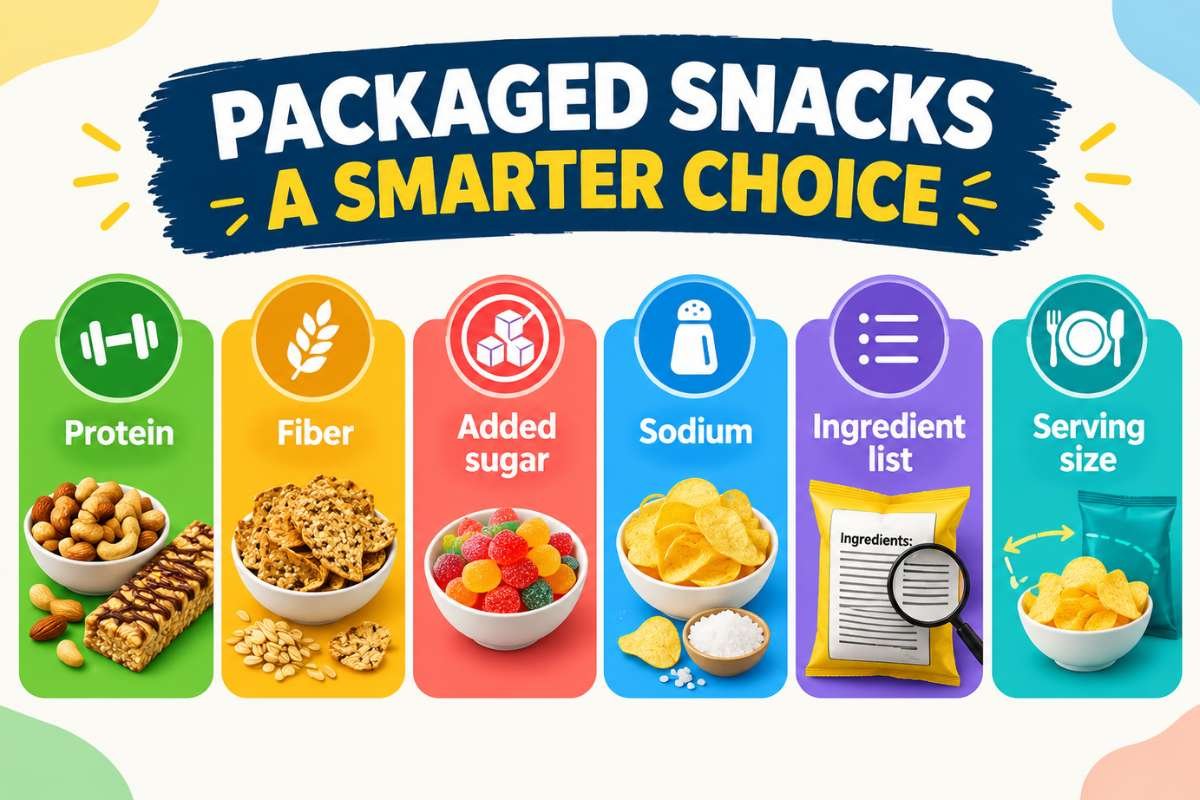
Packaged snacks aren’t automatically off‑limits. The key is choosing options that add useful nutrients without excess sugar or salt. Healthy snacks for teens can include smarter packaged picks when you know what to look for on the label.
Use this 30‑second label check:
- Protein: Look for a meaningful source of protein to make the snack more filling.
- Fiber: Choose snacks that provide fiber when possible, particularly from whole grains, fruits, vegetables, nuts, seeds, and legumes.
- Added sugar: Choose options with less added sugar and check the serving size.
- Sodium: Compare products and choose lower-sodium options when possible.
- Ingredient list: Shorter lists with recognizable foods (nuts, seeds, whole grains) near the top are usually better.
- Serving size: Check how much counts as one serving so you know what the numbers really mean.
Better packaged choices can include plain or lower‑sugar yogurt, whole‑grain crackers, unsalted/low‑sodium nuts or seeds, lower‑sugar granola, roasted chickpeas, popcorn with limited added salt, and fruit cups without added sugar.
A healthy packaged snack doesn’t need to be perfect. It should simply offer useful nutrients without excessive added sugar or sodium. Using front‑of‑pack traffic‑light labels and nutrition panels, as the NHS recommends, makes this quick and practical.
Also read: Healthiest Fruits from A–Z: Unlock the Nutritional Power of These 26 Fruits
Easy Snack Swaps for School, Sports, and After School
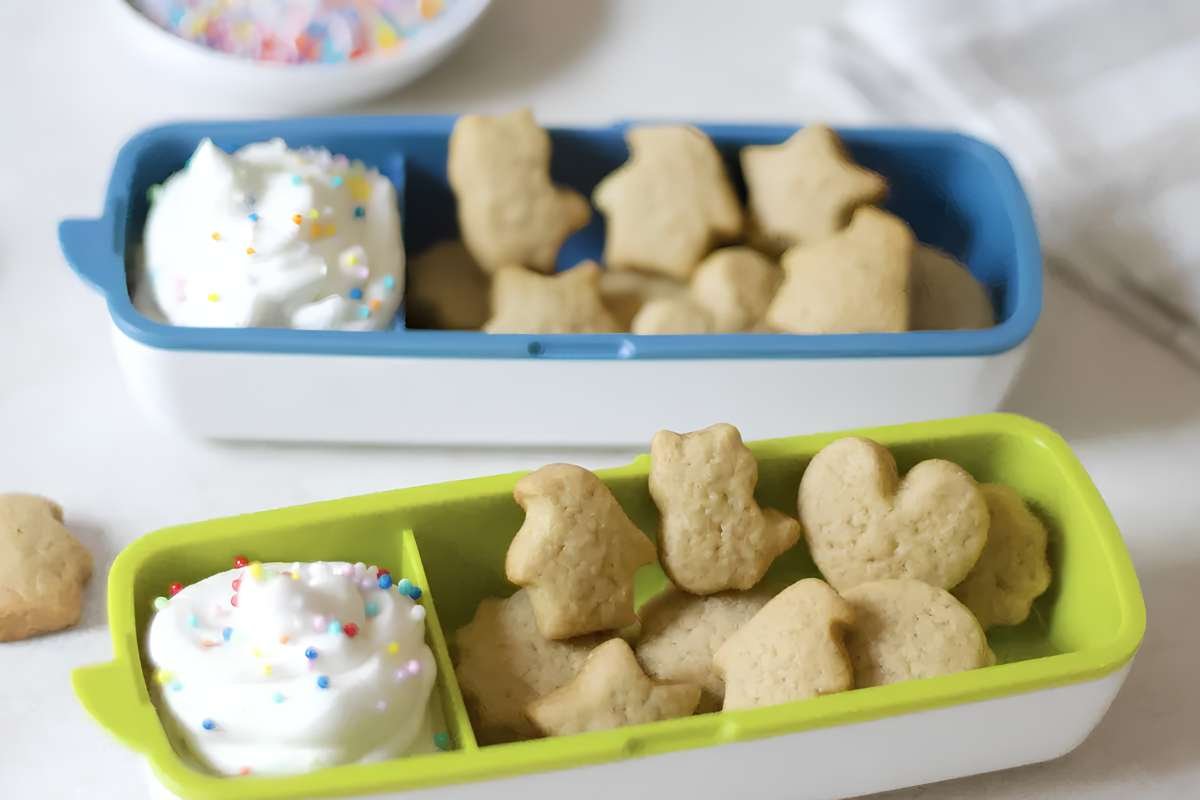
Smart snack choices change with the part of the day. Healthy snacks for teens work best when you upgrade what they already reach for, rather than starting from scratch.
School: swap for packability
- Packaged chips → roasted makhana or popcorn with limited salt
- Biscuits → whole-grain crackers with a small tub of seed butter
- Juice box → a whole fruit and a water bottle
Choose options that don’t need a fridge, so nothing spoils in a school bag.
After school: swap for fullness
- Instant noodles → vegetable poha or a veggie sandwich
- Sugary cereal bar → oats bar with nuts, checked against the label
- Fried samosa → baked or air-fried version with mint chutney
Before sports: swap for digestion
- High-fat or fried snacks → a banana or toast with a thin spread of nut butter
- Fizzy drinks → water or diluted coconut water
Eat 1 to 2 hours before activity so the snack digests comfortably.
After sports: swap for recovery
- Energy drink → milk or a yogurt smoothie
- Skipping the snack → a quick carb and protein combo within an hour or two
These swaps also work for study days, part-time jobs, and late evenings.
Also read: 10 Healthy Drinks You Should Be Drinking Every Day
Conclusion:
Healthy snacks for teens don’t need to be complicated. Pair protein with fiber-rich carbs, add a healthy fat or some produce, and you have a snack that keeps energy steady and hunger in check. Match the portion to the day, whether that’s a light bite after a short school day or a bigger combo before practice. And when you reach for packaged options, a quick label check goes a long way.
Start small: this week, swap one regular snack for a balanced pairing, like an apple with peanut butter or yogurt with berries and seeds. Notice how you feel, then build from there.
FAQ:
What are the healthiest snacks for teens?
A balanced snack usually combines nutrient-dense foods such as fruit, whole grains, protein-rich foods, and healthy fats.
How many snacks should a teenager have a day?
There isn’t one number that suits every teen. Hunger, activity, meal timing, and individual nutritional needs all matter.
What are good healthy snacks for teens after school?
Options such as yogurt with fruit, roasted chana with fruit, eggs with whole-grain toast, or a paneer/vegetable wrap can provide a more filling combination.
What are healthy packaged snacks for teenagers?
Look for options with useful protein or fiber and relatively less added sugar and sodium, while checking the serving size and ingredient list.
What should teens eat before sports?
A small, easy-to-digest snack containing carbohydrates can provide fuel. Depending on timing and tolerance, a modest protein source can also work.